In a strategic move to fortify its cardiovascular and metabolic disease pipeline following a sequence of high-profile clinical and commercial setbacks, Danish pharmaceutical giant Novo has entered into a landmark licensing agreement and strategic partnership with Denmark-based macrocycle specialist Orbis Medicines. Valued at up to $1.4 billion, the alliance underlines an accelerating industry-wide race among major drug developers to harness the unique pharmacological properties of macrocycles—complex, ring-shaped molecular structures that effectively bridge the therapeutic divide between conventional small-molecule compounds and larger biological therapies.
The comprehensive transaction encompasses a combination of upfront capital, research and development funding, and milestone payments tied to clinical and commercial achievements. In addition to the licensing pact, the agreement features a strategic equity investment by Novo into Orbis Medicines, deepening the corporate ties between the two Danish entities. While the specific number of therapeutic targets and disease indications remains undisclosed, both companies confirmed that the collaboration will focus exclusively on discovering and developing oral macrocycle therapeutics directed at high-value protein targets within cardiometabolic medicine.
The partnership represents a critical milestone for Orbis Medicines, which was originally established in 2021 by Novo Holdings—the controlling and majority voting shareholder of the broader Novo enterprise. Although Orbis has previously attracted backing from elite investors, including a $134 million Series A financing round that featured Eli Lilly’s venture capital arm, the alliance with Novo serves as the biotech’s first major validation from a top-tier pharmaceutical developer.
The Scientific Promise of Macrocycles in Modern Drug Discovery
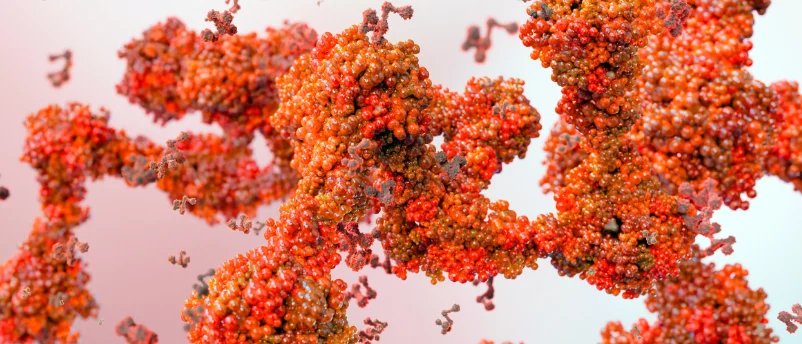
Macrocycles occupy a unique space in modern pharmacology. Structurally defined as large, ring-shaped molecules, they possess distinct chemical advantages that make them exceptionally attractive to drug designers. Standard small-molecule drugs easily cross cellular membranes and can be administered orally, but they frequently struggle to modulate complex protein-protein interactions (PPIs). Conversely, larger biologic drugs—such as monoclonal antibodies and peptides—excel at targeting intricate protein surfaces but are typically restricted to parenteral delivery (injections) due to poor metabolic stability and large molecular weights.
Macrocycles combine the structural benefits of both formats. Their rigid, closed-ring conformation provides superior metabolic stability against enzymatic degradation and allows them to successfully engage challenging protein-protein interfaces that remain inaccessible to traditional small molecules. At the same time, they retain favorable drug-like properties that can be engineered for oral bioavailability.
Despite their enormous potential, macrocycles have historically suffered from inherent limitations regarding oral bioavailability, cellular permeability, and complex chemical synthesis. Orbis Medicines aims to overcome these longstanding hurdles by deploying a proprietary platform that merges high-throughput chemistry, automated screening, and generative artificial intelligence.
According to Orbis chief executive officer Morten Graugaard, the company has cultivated one of the pharmaceutical industry’s most comprehensive experimental macrocycle datasets. The platform’s algorithms continuously learn from empirical data generated by the high-throughput laboratory infrastructure, allowing researchers to rationally design orally bioavailable macrocycles capable of matching the efficacy of traditional injectables.
Broader Industry Momentum and the Macrocycle Renaissance
Novo’s multi-billion-dollar bet on Orbis Medicines is part of a broader, industry-wide renaissance in macrocycle research. Over the past twenty-four months, several major pharmaceutical corporations have deployed massive amounts of capital to secure proprietary macrocycle discovery platforms, recognizing their capacity to unlock previously undruggable biological targets.
In February 2026, Novartis executed a licensing agreement worth up to $1.7 billion with macrocycle developer Unnatural Products to expand its proprietary drug discovery capabilities. Similarly, in March 2025, British pharmaceutical titan AstraZeneca announced a sprawling strategic partnership with Syneron Bio valued at up to $3.47 billion, aimed at accelerating the discovery and development of novel macrocyclic peptide therapies for chronic, debilitating conditions.

These transactions reflect a structural shift in pharmaceutical research and development. As the industry exhausts the pool of easily accessible small-molecule targets and looks for alternatives to expensive biologic manufacturing, macrocycles are increasingly viewed as the next frontier in drug development. Successful oral macrocycle platforms could allow pharmaceutical companies to transform complex injectable regimens into convenient, patient-friendly oral medications across oncology, immunology, and cardiometabolic diseases.
A Week of Transformation: Rebranding, Artificial Intelligence, and Corporate Strategy
The collaboration with Orbis Medicines arrives during a transformative week for Novo, characterized by significant corporate rebranding, technological expansion, and necessary pipeline restructuring.
Just days prior to announcing the Orbis partnership, the Danish pharmaceutical enterprise formally initiated a major global rebrand. While the company will maintain its legal designation as Novo Nordisk for regulatory and corporate governance purposes, it will operate under the streamlined commercial moniker of "Novo" in all day-to-day global activities.
Concurrently, Novo has aggressively accelerated its integration of artificial intelligence across its research and development apparatus. On September 16, the drugmaker announced a landmark technological alliance with artificial intelligence pioneer Anthropic to deploy the Claude AI model across its R&D laboratories, with the explicit goal of supercharging target discovery, data analysis, and preclinical candidate optimization. The subsequent partnership with Orbis—whose platform relies heavily on machine learning and generative AI—highlights a cohesive corporate strategy centered on computational biology and advanced data science.
Navigating Competitive Pressures and Pipeline Realities
Behind these ambitious technological investments and multi-billion-dollar deals lies an urgent corporate imperative: reversing recent financial and market share contractions in the highly lucrative cardiometabolic and obesity therapeutic spaces.
For several years, Novo held an undisputed global leadership position in the treatment of type 2 diabetes and chronic weight management, propelled by the blockbuster success of its semaglutide portfolio, marketed globally under the brand names Ozempic and Wegovy. However, intense competitive pressure from American rival Eli Lilly has dramatically altered the commercial landscape.
Eli Lilly has steadily eroded Novo’s market dominance, posting staggering financial results driven by robust global demand for its competing metabolic therapies. In its second-quarter financial report, Eli Lilly announced worldwide quarterly revenue soaring to $23 billion—a remarkable 48% year-over-year growth rate that significantly outpaced the expansion margins recorded by its Danish competitor. Over the past two years, share prices for Novo have experienced notable downward pressure as institutional investors monitor the narrowing gap between the two pharmaceutical titans.
Compounding these competitive challenges, Novo’s internal pipeline has encountered several high-profile clinical setbacks. Earlier in the week of the Orbis announcement, the company formally terminated a $285 million development and licensing agreement with Ascendis Pharma, which had been structured to develop an experimental, long-acting monthly weight-loss therapeutic. Furthermore, Novo abruptly halted two major clinical trials evaluating ziltivekimab, an experimental anti-inflammatory heart failure drug upon which Wall Street analysts had pinned substantial expectations as a future cornerstone of revenue diversification.
Strategic Implications and Outlook
The $1.4 billion agreement with Orbis Medicines is therefore much more than a routine licensing transaction; it is a calculated structural pivot designed to replenish and future-proof Novo’s drug discovery engine. By securing exclusive access to advanced oral macrocycle technology, Novo aims to insulate its commercial portfolio from future patent cliffs, counteract rising competitive threats in metabolic disease, and pioneer a new generation of patient-centric therapies.
As the partnership transitions from the contracting phase into active discovery, industry analysts will be closely watching whether Orbis’s AI-driven platform can successfully translate complex macrocycle designs into viable clinical candidates. If successful, the collaboration could fundamentally reshape the therapeutic management of cardiometabolic diseases, cementing Novo’s long-term recovery and reaffirming the immense commercial viability of macrocycle therapeutics in modern medicine.