The Physiology of Choice: Beyond the Brain
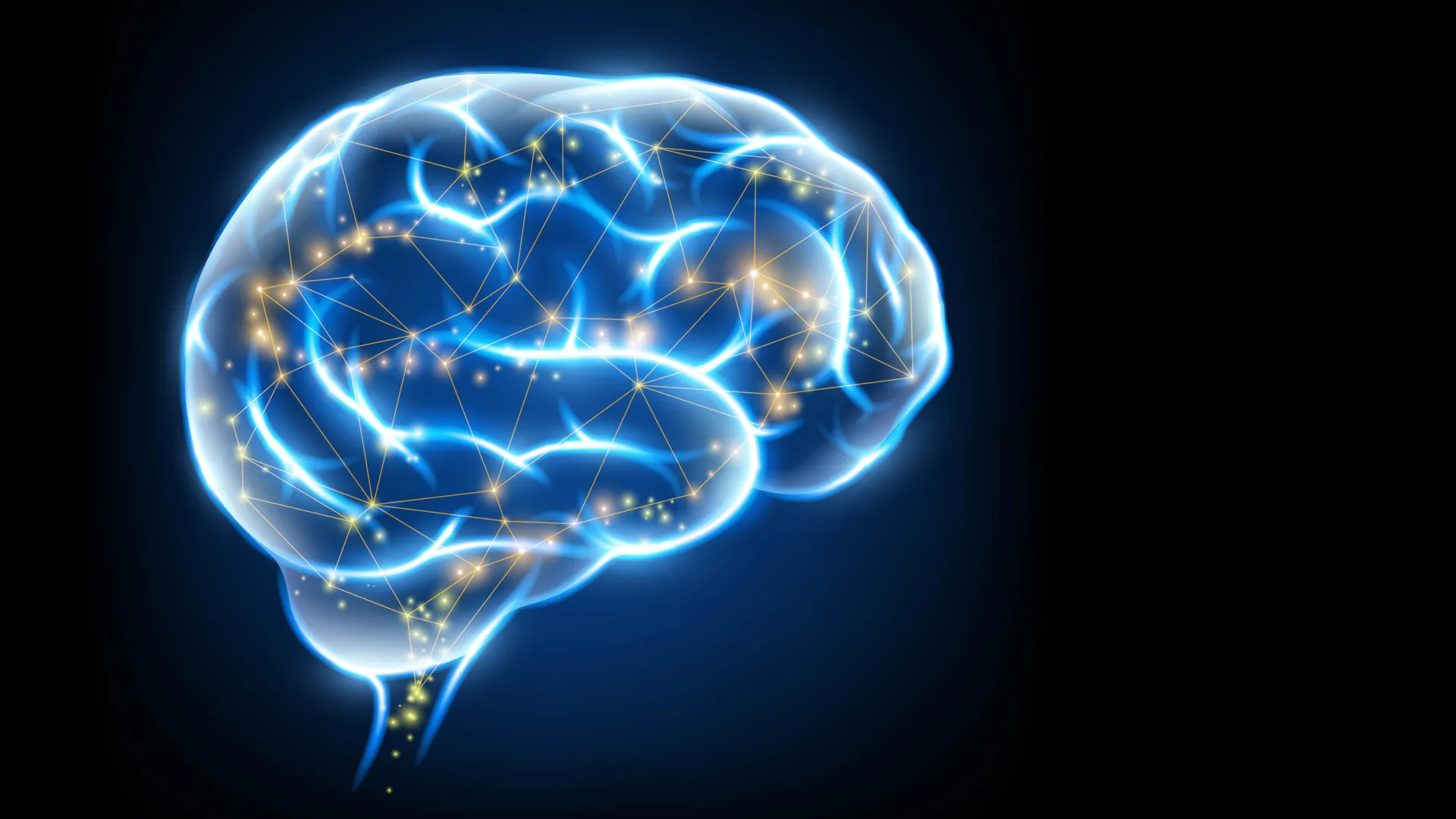
For decades, neuroscientists focused almost exclusively on the brain as the central command center for cognitive processing. Decision-making was modeled as a top-down executive function, a purely computational process happening behind the forehead. However, this new research, led by Professor Soyoung Q Park, advances a more holistic "neurovisceral" model. This model posits that the brain is not an isolated processor but a receiver of constant, nuanced feedback from the body—most notably from the heart and the lungs.
When an individual faces a high-stakes scenario—such as a volatile stock market trade, a tense negotiation, or a split-second social interaction—the body often reacts with rapid, shallow breathing and an elevated heart rate. Traditionally, this "fight-or-flight" response is associated with caution. When under pressure, the brain often defaults to a loss-aversion strategy, prioritizing the avoidance of negative outcomes over the pursuit of potential gains. The researchers hypothesized that by reversing this physiological signature, they could effectively "hack" the brain’s valuation system, nudging it toward a more optimistic assessment of risks.
Chronology of the Investigation
The research project, which spanned several years of development, culminated in a rigorous laboratory trial involving 41 healthy participants. The study was a collaborative effort involving the Neuroscience Research Center at Charité – Universitätsmedizin Berlin, Freie Universität Berlin, and the German Naval Institute of Maritime Medicine.
The experimental phase required participants to engage in a series of risk-based financial decision tasks while their physiological markers were under continuous surveillance. To isolate the effects of breathing, researchers implemented a strict protocol:
- Baseline Phase: Participants were monitored while breathing at their natural, individual resting pace.
- Intervention Phase: Participants followed visual cues to adopt a regulated breathing pattern, specifically utilizing a 2:8 ratio of inhalation to exhalation. This forced an elongated exhale, a technique often utilized in yoga and meditation to stimulate the parasympathetic nervous system.
- Data Collection: Throughout both phases, the team utilized functional magnetic resonance imaging (fMRI) to map neural activity. Simultaneously, they tracked heart rate variability (HRV), skin conductance (a measure of emotional arousal), and pupillometry (a proxy for cognitive effort and autonomic engagement).
Decoding the Data: How Exhalations Influence Neural Circuits
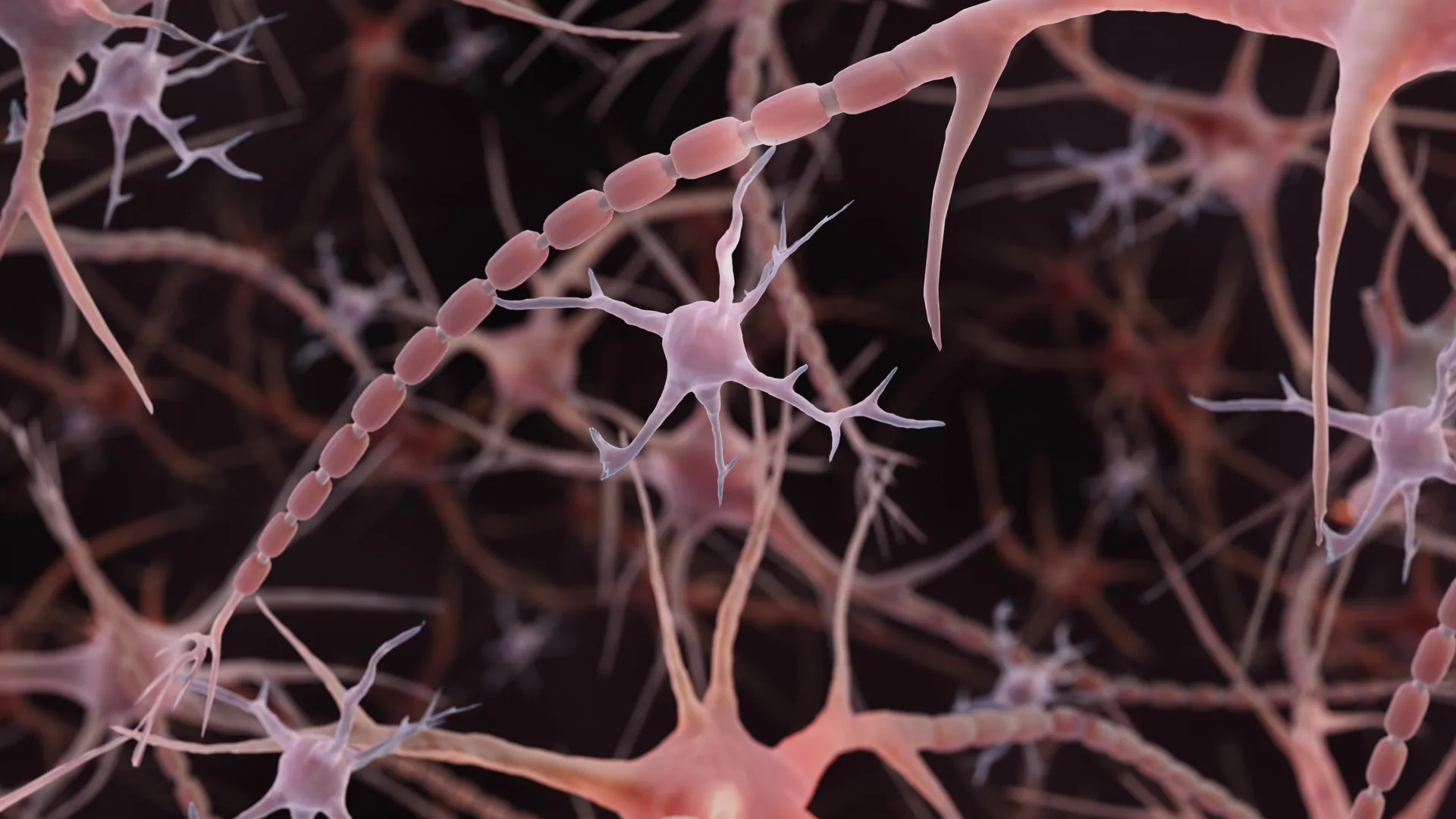
The results of the study were statistically significant. Participants who engaged in the extended-exhale breathing protocol demonstrated a marked increase in heart rate variability—a marker of autonomic flexibility and resilience. More importantly, the imaging data revealed increased activity in the ventromedial prefrontal cortex (vmPFC) and the precuneus.
The vmPFC is a critical node in the brain’s reward-processing network. By modulating the timing between heartbeats through controlled respiration, the researchers successfully influenced how these brain regions responded to potential rewards. Interestingly, the study found that the participants did not necessarily become "blind" to potential losses. Rather, the intervention amplified the brain’s sensitivity to the "upside" of a decision, effectively rebalancing the risk-reward equation.
"Our decisions are rarely determined solely by external information," notes Professor Soyoung Q Park, head of the Department of Decision Neuroscience and Nutrition at DIfE. "Rather, our judgment emerges from the interplay between cognitive processes and our current bodily state. It was previously unknown how the conscious regulation of our body, for example through targeted breathing, could actively control our decision-making process."
Implications for Mental Health and Clinical Practice
The findings carry significant weight for the field of clinical psychology and psychiatry. For years, the scientific community has looked for non-pharmacological interventions to assist individuals suffering from anxiety disorders, depression, and impulse control issues. These conditions are frequently characterized by a "dysregulated" autonomic nervous system—a state where the body is stuck in a cycle of stress that prevents the brain from accurately assessing rewards.
Because the intervention tested is inexpensive, portable, and requires no specialized equipment, its potential for widespread application is high. If a simple 2:8 breathing ratio can shift a person’s decision-making architecture, it could be integrated into cognitive-behavioral therapy (CBT) as a "physiological anchor." Patients experiencing the paralysis of over-caution or the clouding of judgment due to anxiety could theoretically use these techniques to regain a sense of clarity and improve their decision-making outcomes.
Future Horizons: Nutrition and Beyond
The research team is already looking toward the next frontier of this discovery: the intersection of breathing and metabolic health. Given that dietary choices are heavily influenced by the brain’s reward system, there is a strong possibility that controlled breathing could be leveraged to manage eating behaviors.
"Since dietary decisions are strongly influenced by reward assessment and physical state, targeted breath regulation could also play a role in consciously perceiving and more effectively managing eating behavior," explains Professor Park. For individuals struggling with obesity or binge-eating disorders, the ability to interrupt a compulsive reward-seeking cycle through a brief, intentional breathing exercise could prove to be a transformative tool.
Broader Context: The Science of Neurovisceral Integration
This study contributes to a growing body of evidence supporting the concept of "interoception"—the brain’s ability to sense the internal state of the body. Neurovisceral integration theory suggests that the vagus nerve and other pathways connecting the heart and the brain are not just passive conduits for data, but active participants in shaping our conscious reality.
By proving that we can voluntarily manipulate this feedback loop, the study provides a scientific foundation for what has been, until now, largely considered "folk wisdom" or spiritual practice. As the researchers emphasize, humanity has utilized rhythmic breathing for millennia in religious and cultural contexts. The fact that modern neuroimaging confirms the validity of these ancient techniques suggests that we are only just beginning to understand the depth of our own biological self-regulation.
Analysis of the Research Impact
The study’s reliance on multimodal data—combining fMRI with autonomic markers like HRV and skin conductance—sets a high standard for future research in psychosomatic medicine. By demonstrating that heart rate variability is a mediator between breath and brain activity, the team has provided a clear mechanism for why these interventions work, rather than simply observing that they do.
However, the researchers are careful to note that this is a starting point. Further studies will need to expand beyond healthy cohorts to understand how these effects manifest in populations with chronic physiological dysregulation. Additionally, longitudinal studies will be necessary to determine if these breathing techniques can lead to permanent changes in neural architecture or if they remain strictly transient interventions.
As the scientific community continues to explore the "body-brain" axis, this research serves as a reminder that the most sophisticated technology we possess for controlling our decision-making is often the one we take for granted: the next breath we take. Whether in the boardroom, the clinic, or the kitchen, the ability to regulate one’s internal physiological state may become one of the most essential skills of the 21st century.
This study was supported by the Federal Ministry for Research, Technology and Space (Grant 01GP2210C, DecEnt-Project; Grant 01EE2301E for the conceptual development of the German Center for Mental Health; Grant 82DZD03D03, German Center for Diabetes Research), and the Ministry for Science, Research and Culture of the State of Brandenburg. Additional support was provided by the Marie Skłodowska-Curie Action (MSCA) BRAINSTOM grant.