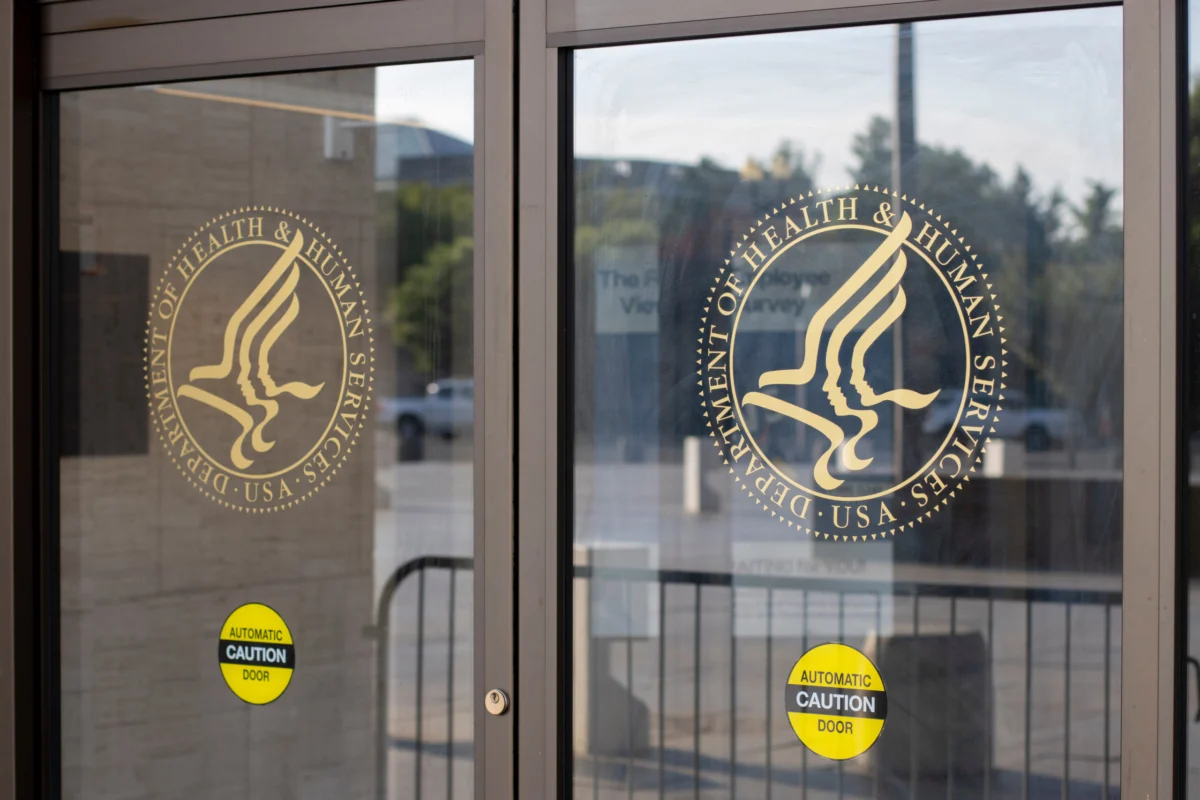
The United States Department of Health and Human Services (HHS) has officially issued a formal solicitation for nominations to the National Vaccine Advisory Committee (NVAC), marking a critical step in the potential revitalization of an advisory body that has remained dormant for nearly two years. The notice, published in the Federal Register on Wednesday, August 12, 2026, invites qualified experts—and interested members of the public—to apply for membership on a panel that plays a foundational role in shaping the nation’s immunization landscape. This call for new talent arrives against a backdrop of significant administrative shifts and a modernized charter that reflects a pivot in the federal approach to vaccine policy.
The Financial and Operational Pivot
The request for nominations follows the filing of a renewed charter in July 2026, which outlines a significantly expanded financial footprint for the committee. According to official HHS documentation, the estimated annual operating cost for the NVAC is now set at $756,918. This figure represents a substantial increase compared to the $160,000 budget recorded in 2019, reflecting both the rising costs of administrative support and the inclusion of resources for two full-time employees dedicated to the committee’s operations.
The committee, originally established under the National Childhood Vaccine Injury Act of 1986, is tasked with advising the Assistant Secretary for Health—who serves as the Director of the National Vaccine Program (NVP)—on the critical goals of maintaining a safe and effective vaccine supply and establishing research priorities to bolster safety and efficacy. Despite its legislative importance, the committee has not convened since September 2024, leaving a notable gap in institutional oversight during a period characterized by volatile public discourse regarding immunization strategies.
Chronology of Institutional Stasis and Reform
The current state of the NVAC is the result of a long period of inactivity. All 17 voting positions on the committee—which consist of 15 public members and two industry representatives—are currently in flux. As of August 2026, the official HHS website continues to list eight voting members, despite the fact that their terms have expired. The administrative records indicate that four of these terms concluded in December 2025, with the remaining four ending on February 9, 2026.
While the committee’s charter includes a "holdover" provision allowing members to serve for up to 180 days past the expiration of their terms while awaiting a successor, that grace period expired on August 8, 2026—four days before the federal notice was published. The failure to transition these members before the lapse of the holdover period has created a vacuum of leadership, raising questions about the continuity of federal advisory standards.
This transition period is part of a broader, more aggressive restructuring of federal health advisory boards under the current administration. In June 2025, Secretary Robert F. Kennedy Jr. took the decisive step of dismissing all 17 members of the Centers for Disease Control and Prevention’s (CDC) Advisory Committee on Immunization Practices (ACIP), replacing them with new appointees. This followed a May 2025 announcement on the social media platform X, where the administration declared that the CDC would cease recommending COVID-19 vaccines for healthy children and healthy pregnant women, a policy change enacted without the traditional input of the ACIP.
Furthermore, in early 2026, reports from Endpoints News and The Hill highlighted the removal of at least half of the eight serving members of the Advisory Commission on Childhood Vaccines (ACCV) before their terms had officially ended, underscoring a systematic effort to reconfigure the personnel landscape within federal health agencies.
Broadening the Scope: Non-Immunization Strategies
Perhaps the most significant change to the NVAC’s mandate is the expansion of its core mission as outlined in the July 2026 charter. The revised charter mandates that the committee must now explore "non-immunization strategies" for individuals who are unable or unwilling to be vaccinated. This shift includes considerations for those with medical contraindications, as well as those who abstain due to "strongly held personal, conscientious, or religious beliefs."
This directive signals an administrative pivot toward a more holistic or alternative approach to disease mitigation. By tasking the NVAC with evaluating methods beyond traditional immunization, the HHS is signaling that the committee’s future recommendations may depart from historical precedents that focused exclusively on vaccine uptake. Observers in the public health sector have noted that this expansion could lead to a more complex, albeit controversial, advisory process that balances clinical efficacy with individual autonomy and the growing demand for medical freedom.
Nomination Process and Selection Criteria
The solicitation process is now open, with nominations due within 30 days of the announcement. The Assistant Secretary for Health, acting as the Director of the NVP, is responsible for the selection of members. The notice specifies that the committee’s composition must remain "balanced," drawing from a diverse pool of experts.
The criteria for selection include:
- Professionals engaged in "gold standard" science.
- Experts in vaccine safety and efficacy research.
- Physicians and scientists with relevant clinical experience.
- Representatives from parent organizations concerned with immunization.
- Representatives from state or local public health agencies.
The committee members will serve overlapping terms of up to four years. While self-nominations are permitted, the administration’s recent history of board shuffles suggests that the selection process will be highly scrutinized by both scientific communities and political stakeholders.
Implications for Public Health Policy
The reactivation of the NVAC is being viewed as a litmus test for the administration’s overall strategy regarding the National Vaccine Program. For nearly two years, the absence of this committee has meant that the Assistant Secretary for Health has been making key decisions without the formal, consensus-driven input that the committee was designed to provide.
The shift in budget and scope suggests that the NVAC will likely operate as a different kind of entity than its predecessor. With an annual budget now nearly five times higher than it was seven years ago, the committee is expected to produce more comprehensive reports, though the nature of these reports remains an open question. Critics of the administration’s recent shakeups argue that the infusion of new perspectives could lead to a politicization of vaccine science, potentially undermining public trust in traditional immunization programs. Conversely, supporters of the administration argue that the committee has long been in need of a reform that accounts for modern societal concerns regarding bodily autonomy and a wider range of medical interventions.
As the 30-day nomination window progresses, the scientific community will be watching to see who is appointed to fill the 17 voting seats. The caliber of the nominees will serve as a primary indicator of whether the committee will continue to prioritize traditional evidence-based public health models or whether it will lean heavily into the "non-immunization" strategies that now feature prominently in its mandate.
The potential for a "reboot" of the NVAC offers a chance for the federal government to stabilize its vaccine policy, but it also carries the risk of deepening the divide between different schools of thought in public health. With the committee’s charter now finalized and the search for members underway, the next meeting of the NVAC—whenever it may be scheduled—is expected to be a pivotal event in the current administration’s health agenda. Whether this panel can reconcile the mandate for "gold standard" science with the administration’s focus on alternative approaches remains the central, unresolved question facing the incoming committee members.