A growing number of FDA-approved innovators and biosimilars are being manufactured at China-based facilities as biopharma takes interest in the country’s biologic API manufacturing industry. However, this is being met with pushback from US policymakers amid efforts to onshore pharmaceutical manufacturing.
The intersection of globalized pharmaceutical supply chains and national security priorities has placed the biopharmaceutical industry at a critical juncture. Over the past decade, the manufacturing of active pharmaceutical ingredients (APIs) and biologic components has undergone a significant geographic shift. China, historically known for supplying generic small-molecule chemicals, has rapidly ascended the value chain to become a premier destination for the production of complex biologics and biosimilars. This trend is driven by China’s advanced infrastructure, robust state support, skilled scientific workforce, and cost efficiencies.
Yet, this globalization of biologic manufacturing is increasingly colliding with geopolitical realities. In the United States, lawmakers and federal agencies are intensifying legislative and regulatory efforts to decouple critical medical supply chains from foreign adversaries, chief among them China. As biopharmaceutical companies navigate this complex environment, they face difficult strategic decisions regarding where to site their manufacturing operations for both current pipelines and upcoming drug launches.
The Rise of China as a Biologic API and Biosimilar Powerhouse
China’s emergence as a major player in biologic active pharmaceutical ingredient manufacturing is not an accident; it is the culmination of concerted industrial policy and massive capital investment. Initiatives such as "Made in China 2025" and substantial venture capital funding have catalyzed the modernization of the country’s life sciences sector.
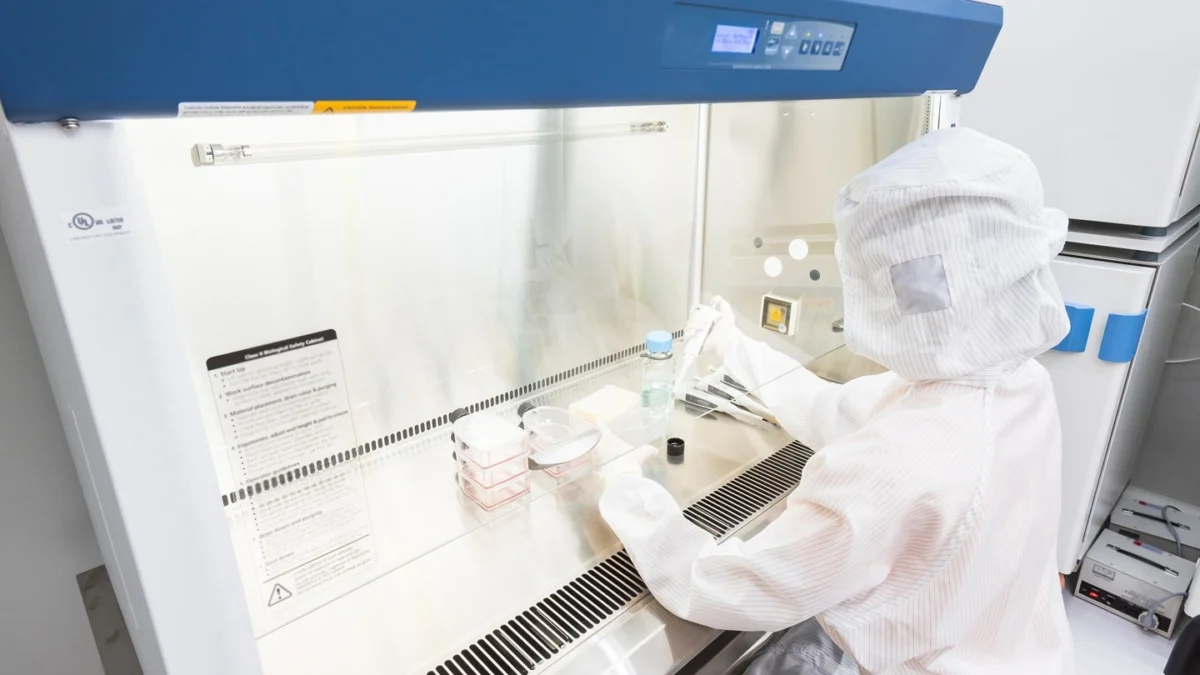
Biologics—complex medicines derived from living organisms, including monoclonal antibodies, recombinant proteins, and cell and gene therapies—require highly sophisticated manufacturing capabilities. Building and maintaining facilities that meet stringent current Good Manufacturing Practice (cGMP) standards require immense capital expenditure. Chinese contract development and manufacturing organizations (CDMOs) have aggressively filled this gap, offering world-class facilities, rapid facility construction timelines, and scalable production capacities that often outpace those available in Western markets.

Furthermore, the domestic rise of innovative biopharma companies in China has naturally fostered an ecosystem of specialized suppliers, analytical testing labs, and regulatory experts. As these facilities have matured, they have sought global validation. A rising number of drugs utilizing Chinese-manufactured biologic APIs have successfully navigated the stringent regulatory scrutiny of the US Food and Drug Administration (FDA) and the European Medicines Agency (EMA). This includes a growing wave of biosimilars—lower-cost versions of reference biologic drugs—which rely heavily on competitive manufacturing costs to achieve market penetration.
Chronology of US Legislative and Regulatory Pushback
The growing reliance on Chinese manufacturing infrastructure has sparked alarm bells in Washington, D.C., where policymakers increasingly view the pharmaceutical supply chain through the lens of national security and public health resilience.
The roots of this scrutiny trace back to vulnerabilities exposed during the COVID-19 pandemic, which highlighted the heavy reliance of the Western world on foreign sources for essential medicines and raw materials. In response, successive US administrations have sought to reduce dependency on foreign adversaries.
- 2020–2021: Early legislative proposals focused broadly on supply chain transparency, requiring pharmaceutical companies to report the exact geographic origins of their APIs and finished drug products.
- 2021: The White House released a comprehensive review of supply chain vulnerabilities, explicitly calling for the domestic expansion of critical manufacturing sectors, including biotechnology and pharmaceuticals.
- 2023: Lawmakers introduced targeted legislation, such as the Biosecure Act, aimed at restricting federal agencies and federally funded healthcare providers from contracting with specific foreign biotechnology companies of concern, particularly those with ties to foreign military or intelligence apparatuses.
- 2024–Present: Legislative debates have broadened to encompass commercial supply chains. Lawmakers are actively weighing measures that could penalize or disincentivize the use of foreign-manufactured APIs and biologic components in drugs intended for the US market, signaling a shift from voluntary guidance to potential statutory mandates.
Supporting Data and Market Dynamics
The economic pull of Chinese CDMOs remains powerful, creating a direct tension with regulatory headwinds. According to industry analyses, China’s share of the global CDMO market has expanded significantly over the past five years. Biopharmaceutical innovators are naturally drawn to these markets due to distinct operational advantages:
- Cost Efficiency: Operating expenses, labor costs, and facility construction overhead in China can be significantly lower than in North America or Western Europe, enabling smaller biotech startups to advance expensive clinical trials.
- Capacity and Speed: Chinese facilities have demonstrated the ability to construct, validate, and operationalize large-scale mammalian cell-culture manufacturing suites in fractions of the time typically required in the US or Europe.
- Global Export Volume: An increasing percentage of FDA-approved drugs and biosimilars commercialized in the US contain components or finished APIs sourced directly from Chinese manufacturing plants.
However, these economic benefits are counterbalanced by mounting regulatory risks. Industry surveys indicate that supply chain diversification has become a top priority for risk management executives in major pharma companies, many of whom are establishing "China-plus-one" strategies or investing heavily in domestic manufacturing capacity to insulate themselves from potential trade restrictions.
Official Responses and Industry Reactions
The dual reality of relying on efficient foreign manufacturing while facing domestic political pressure has elicited varied responses from stakeholders across the biopharmaceutical ecosystem.

Industry trade groups and large pharmaceutical manufacturers have urged caution, warning that rapid, forced decoupling could destabilize the global pharmaceutical supply chain. Pharmaceutical executives point out that transitioning biologic manufacturing is not a trivial task; transferring a complex biologic manufacturing process to a new facility, re-validating equipment, and securing regulatory approval from the FDA can take anywhere from three to five years. Abrupt policy shifts, industry leaders argue, could lead to drug shortages, inflated medication costs, and delays in bringing life-saving therapies to patients.
Conversely, proponents of onshoring and the Biosecure Act maintain that the risks of maintaining critical healthcare infrastructure abroad far outweigh the short-term transition costs. Policymakers argue that relying on a geopolitical rival for critical biologic APIs leaves the US vulnerable to supply chain weaponization, economic coercion, and quality oversight challenges. Proponents advocate for robust federal subsidies, tax incentives, and streamlined domestic permitting processes to make US-based biomanufacturing financially viable and globally competitive.
Broader Impact and Long-Term Implications
The ongoing friction between globalized biopharmaceutical manufacturing and national security imperatives will likely shape the trajectory of the life sciences industry for decades to come.
For biopharma companies, strategic planning must now account for regulatory volatility alongside traditional metrics of cost, quality, and speed. Companies are increasingly forced to map their supply chains down to the raw material tier, assessing whether their reliance on Chinese biologic API facilities exposes them to future tariffs, import bans, or reputational risks.
Ultimately, the global biopharmaceutical landscape is fragmenting into more regionalized spheres. While China remains an industrial powerhouse capable of supporting complex biologic development, the West is firmly committed to re-establishing domestic and allied manufacturing capabilities. How the industry navigates this transition will determine the security, availability, and affordability of the next generation of innovative drugs and biosimilars for patients worldwide.