Researchers at Michigan State University have identified a critical molecular switch that dramatically accelerates sperm energy production immediately prior to fertilization. Published in the Proceedings of the National Academy of Sciences and backed by funding from the National Institute of Child Health and Human Development, this breakthrough sheds light on the fundamental mechanics of mammalian reproduction. The findings present dual possibilities: improving assisted reproductive technologies for couples facing infertility and establishing a foundation for safe, on-demand, nonhormonal contraceptives for both men and women.
The study, spearheaded by Melanie Balbach, an assistant professor in the Department of Biochemistry and Molecular Biology at MSU, centers on the intricate metabolic reprogramming sperm undergo during their journey through the female reproductive tract. While the biological imperative of sperm is singular—to deliver genetic material to an egg—the biochemical pathway required to execute this mission has long remained partially obscured. By utilizing advanced tracking methods, Balbach and her collaborative team have mapped the metabolic journey of glucose within sperm cells, uncovering the regulatory mechanisms that dictate when these cells operate in an energy-conserving state versus a high-octane activation mode.
The Metabolic Metamorphosis of Mammalian Sperm
Before ejaculation, mammalian sperm exist in a remarkably quiescent metabolic state. Within the male reproductive system, conserving resources is paramount to survival, as unnecessary cellular activity would deplete the finite energy stores required for the long and arduous journey ahead. However, once introduced into the female reproductive tract, these cells undergo a rapid and radical transformation.
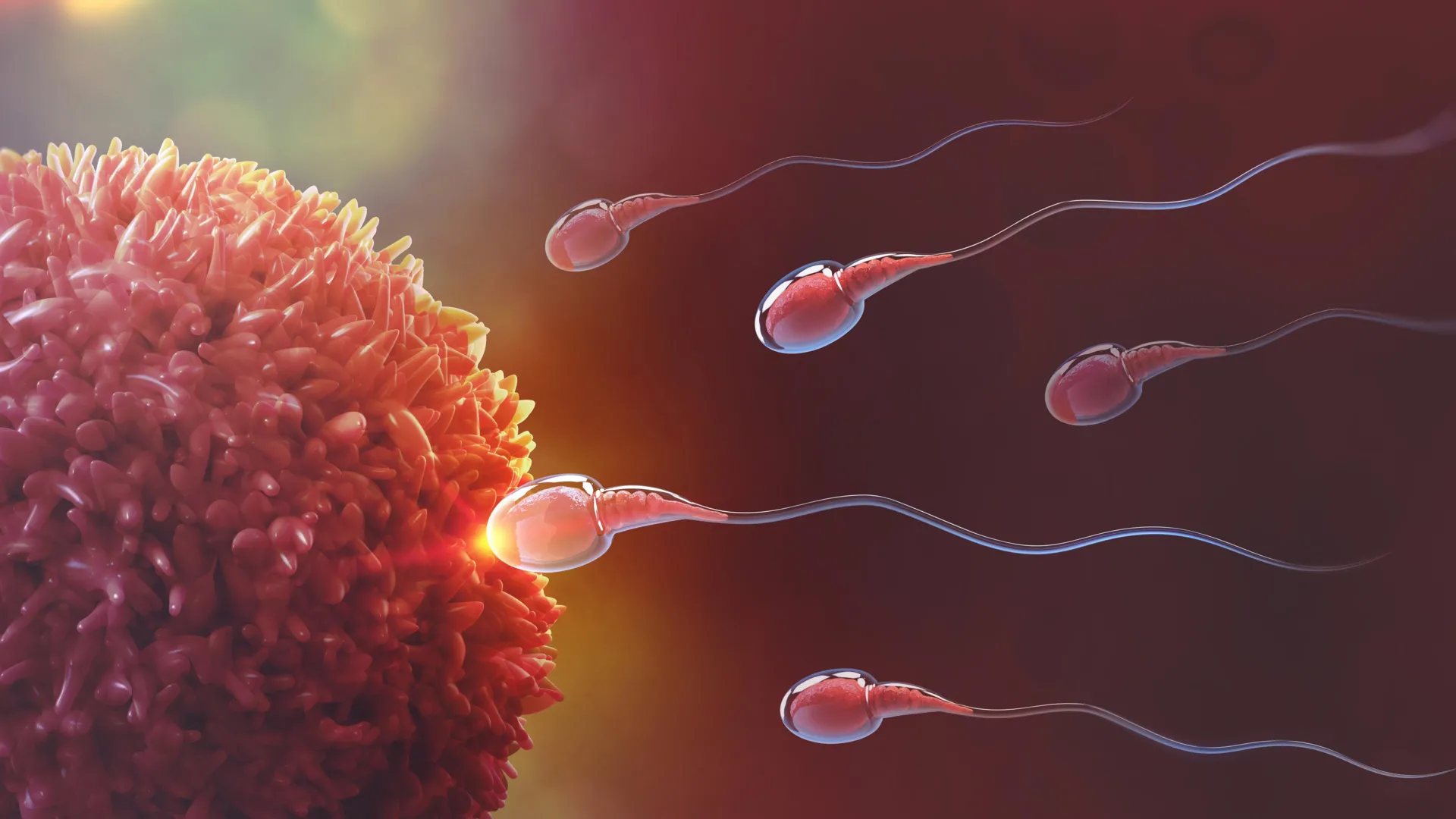
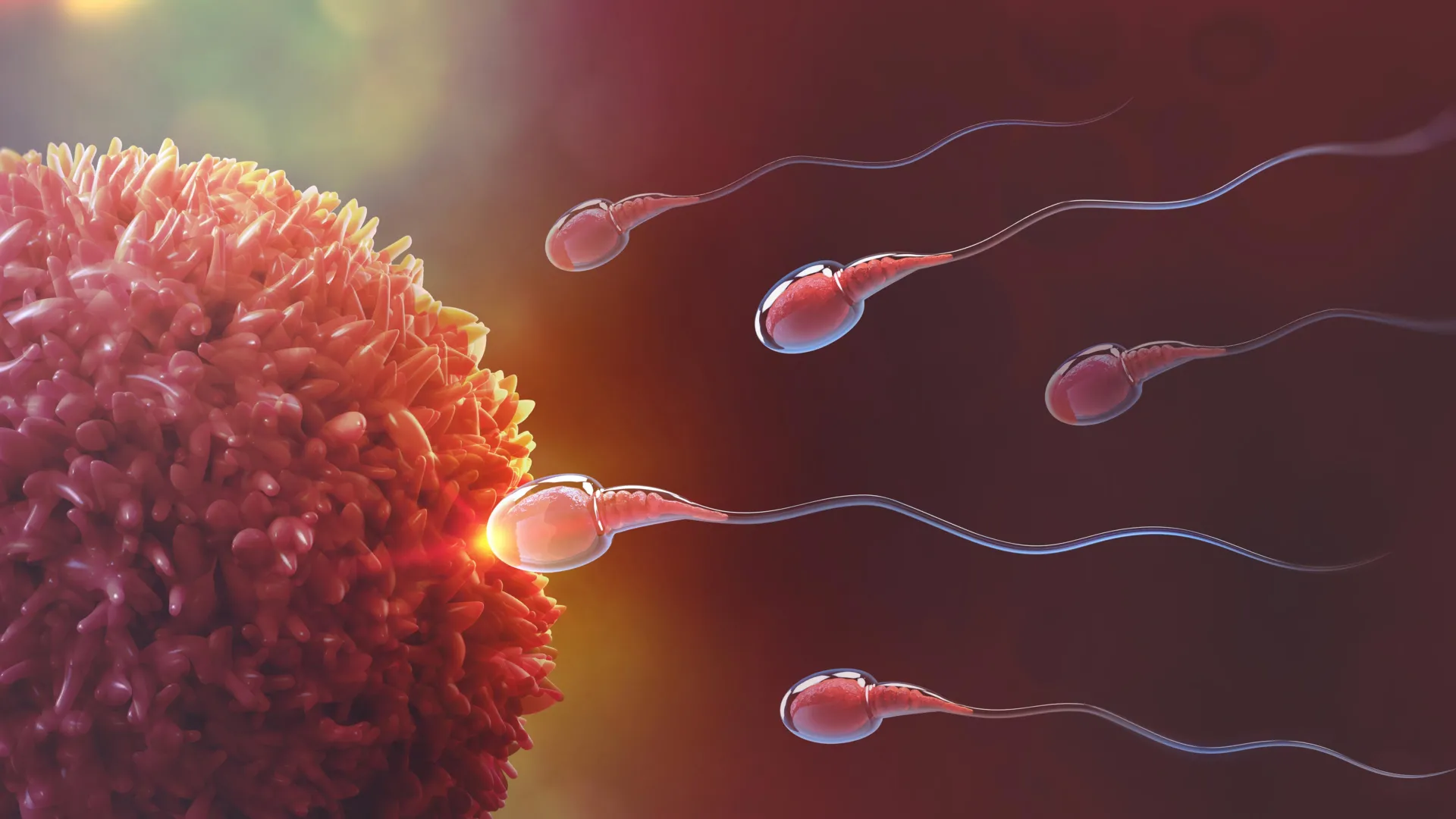
Within a relatively short window, the sperm hyperactivate. Their flagella—the whip-like tails—begin to beat with significantly greater force, propelling them forward with urgency. Simultaneously, the cells adjust their outer membranes, preparing the acrosomal region for the complex biochemical interactions required to penetrate the protective outer layers of an egg. This sudden burst of activity demands an immediate and exponential surge in cellular energy production.
According to Balbach, sperm serve as an ideal model for studying rapid metabolic reprogramming because their entire cellular machinery is dedicated to this single, explosive transition. Prior to this research, scientists understood that a massive influx of energy was necessary for capacitation and hyperactivation, but the precise chronological sequence and enzymatic controllers regulating this metabolic shift were poorly understood.
To decode this biological engine, Balbach and her team—including researchers from Memorial Sloan Kettering Cancer Center and the Van Andel Institute—devised an innovative experimental approach. They focused on glucose, the primary sugar sperm absorb from their surrounding environment to fuel their journey.
Using sophisticated tracing techniques, the researchers mapped the chemical pathways glucose travels inside the cell, comparing the metabolic profiles of inactive sperm with those that had been artificially or naturally stimulated. Balbach likened the tracking methodology to painting the roof of a car bright pink and observing its trajectory through heavy traffic via drone surveillance. This metabolic tracing allowed the team to see how activated sperm altered their routes, accelerated their movement, and identified the exact metabolic bottlenecks where energy production stalled.
Unlocking the Role of Aldolase and Energy Reserves
At the heart of this metabolic surge is an enzyme known as aldolase. The study revealed that aldolase plays an indispensable regulatory role in converting glucose into usable cellular energy through glycolysis. Furthermore, the researchers discovered that sperm do not rely solely on external nutrients found in their immediate environment; they also mobilize internal energy reserves stored prior to ejaculation, effectively utilizing a dual-fuel system to ensure they reach their destination.
The MSU research team, leveraging resources such as the university’s Mass Spectrometry and Metabolomics Core, mapped out a detailed, multi-step portrait of this high-energy metabolic cascade. They observed that specific enzymes act essentially as traffic controllers, directing glucose through specific biochemical pathways and modulating the efficiency of energy output.
This discovery builds upon foundational work Balbach performed earlier in her career at Weill Cornell Medicine. During her tenure there, she co-authored studies demonstrating that deliberately blocking a critical sperm enzyme could induce temporary, reversible infertility in male mice. That initial finding served as a proof-of-concept for the viability of targeted, nonhormonal birth control, proving that disrupting sperm motility and metabolism at the molecular level could prevent fertilization without permanently altering systemic hormone levels.
A Paradigm Shift in Reproductive Health and Contraception
The implications of the MSU study extend across multiple facets of global healthcare, addressing both the rising demand for sophisticated infertility treatments and the persistent limitations of modern contraception.
Global health statistics indicate that approximately one in six individuals worldwide experience infertility during their reproductive lifetimes. Current assisted reproductive technologies (ART), such as in vitro fertilization (IVF) and intrapreneurial insemination, rely heavily on selecting the most viable sperm. By gaining a granular understanding of how sperm metabolize glucose, fructose, and other fuels, researchers hope to develop advanced diagnostic tools that can assess sperm fitness with unprecedented precision. These insights could ultimately refine laboratory protocols, improving success rates for couples struggling with infertility.
Conversely, the discovery opens transformative pathways for contraception. For decades, the pharmaceutical landscape of birth control has been sharply asymmetrical. Female contraceptives—ranging from oral hormone pills to intrauterine devices—have dominated the market since the mid-20th century, frequently accompanied by side effects such as mood changes, cardiovascular risks, and metabolic disruptions. Meanwhile, male contraceptive options have remained largely restricted to barrier methods like condoms or permanent surgical interventions like vasectomies.
Attempts to develop pharmacological male contraceptives have historically focused on interrupting spermatogenesis, the process by which sperm are produced in the testes. However, this approach carries distinct clinical disadvantages. Suppressing sperm production requires weeks or months to take effect and similarly prolonged periods to reverse, failing to provide immediate, on-demand efficacy. Moreover, hormonal approaches aimed at halting sperm production often trigger systemic side effects analogous to those experienced by women using hormonal birth control.
The Promise of Nonhormonal, On-Demand Interventions
Balbach’s research points toward an entirely different paradigm: transient, nonhormonal functional inhibition. By designing pharmacological inhibitors that target the specific metabolic "traffic-control" enzymes identified in the study—such as aldolase—scientists could theoretically freeze or disable sperm function instantaneously when desired, and allow normal function to resume once the inhibitor clears the system.
This mechanism would offer a localized, on-demand intervention that bypasses the endocrine system entirely, avoiding the systemic complications associated with hormonal therapies.
Public health experts note that roughly half of all pregnancies globally are unplanned, underscoring the urgent need for expanded contraceptive agency. A safe, nonhormonal, reversible inhibitor for either men or women would fundamentally reshape family planning dynamics, offering individuals greater control over their reproductive futures while reducing reliance on hormone-altering medications.
Future Horizons and Chronology of the Research
The publication of these findings in the Proceedings of the National Academy of Sciences marks the culmination of years of cross-institutional collaboration. The journey began during Balbach’s postdoctoral and early faculty research at Weill Cornell Medicine, where the initial association between enzyme blockage and temporary infertility in murine models was established. Following Balbach’s transition to Michigan State University in 2023, the research program expanded rapidly, integrating MSU’s advanced metabolomics infrastructure to trace glucose fluxes with high-resolution mass spectrometry.
Looking forward, Balbach and her team are shifting their focus toward translational research. The primary objective is to determine whether the metabolic pathways mapped in murine and mammalian models operate identically in human sperm. Because minor biochemical variations can exist across species, validating these metabolic switches in human cells is a mandatory prerequisite for clinical drug development.
Concurrently, the research team is investigating the broader metabolic flexibility of sperm. While glucose is a primary fuel source, sperm are known to process other sugars, such as fructose, particularly within different segments of the reproductive tract. Understanding how sperm switch between alternative fuel sources under varying physiological conditions will provide a comprehensive map of cellular bioenergetics.
As the scientific community evaluates these findings, the research stands as a testament to the power of fundamental biochemistry in solving complex clinical challenges. By illuminating the microscopic mechanisms that power the creation of life, MSU researchers have simultaneously brought humanity closer to mastering the tools needed to regulate it safely, effectively, and equitably.