

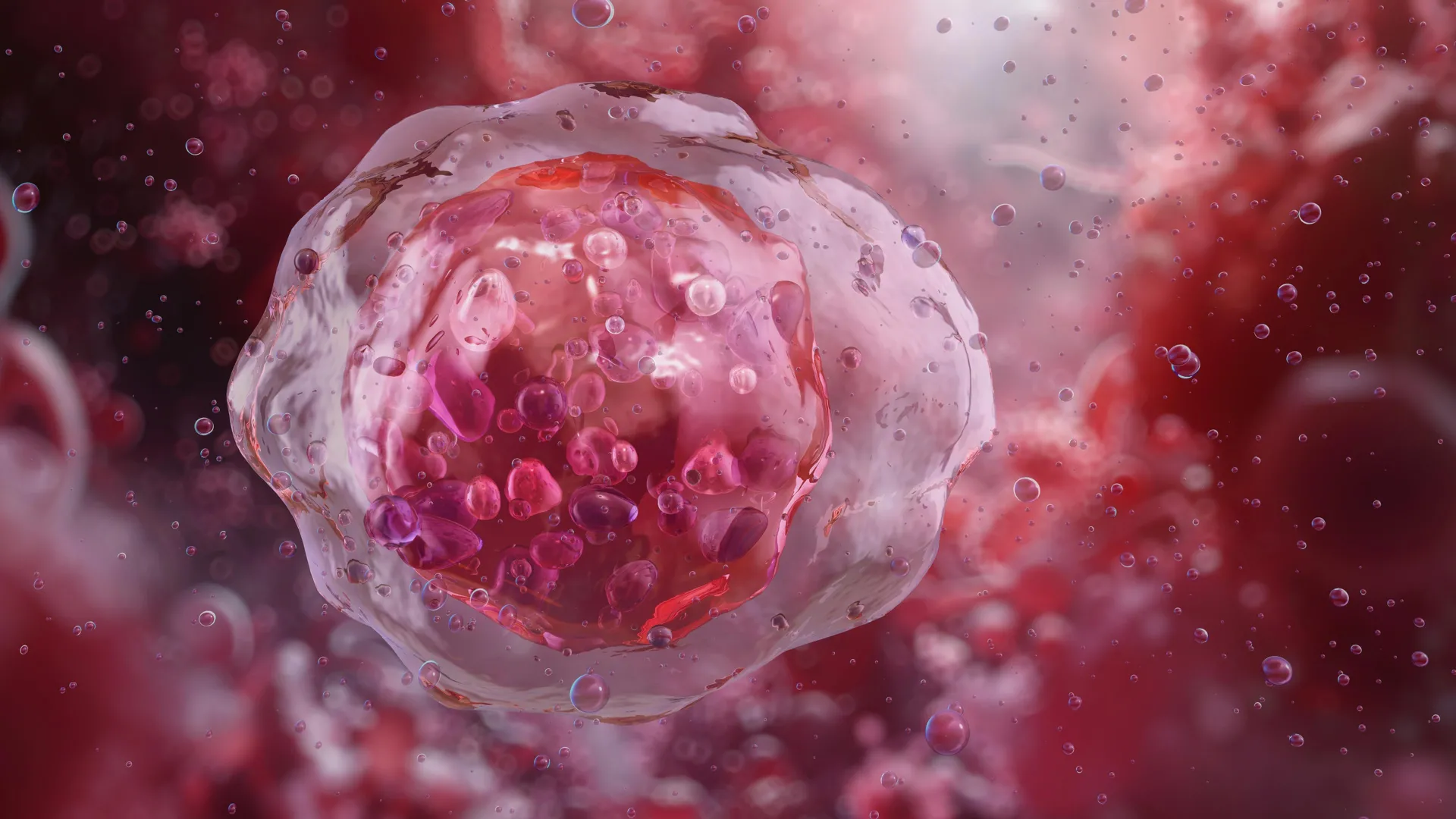
A landmark study published in the journal Nature has fundamentally altered the scientific understanding of chronic myeloid leukemia (CML), revealing that the cancer undergoes explosive growth years before a clinical diagnosis is made. Conducted by researchers at the Wellcome Sanger Institute in collaboration with the University of Cambridge and several international partners, the research utilizes advanced whole-genome sequencing to trace the ancestry of blood cells, pinpointing exactly when the disease-causing genetic mutation occurs and how it proliferates. The findings indicate that CML is a biological outlier in the oncology landscape, characterized by growth rates that far exceed those of most other blood cancers and solid tumors. By mapping the "phylogenetic trees" of individual cancer cells, the team discovered that the primary driver of the disease—a fusion gene known as BCR::ABL1—can trigger a cellular expansion of over 100,000 percent annually, a pace previously unobserved in the early stages of cancer development.
The Genetic Catalyst: Understanding the BCR::ABL1 Fusion
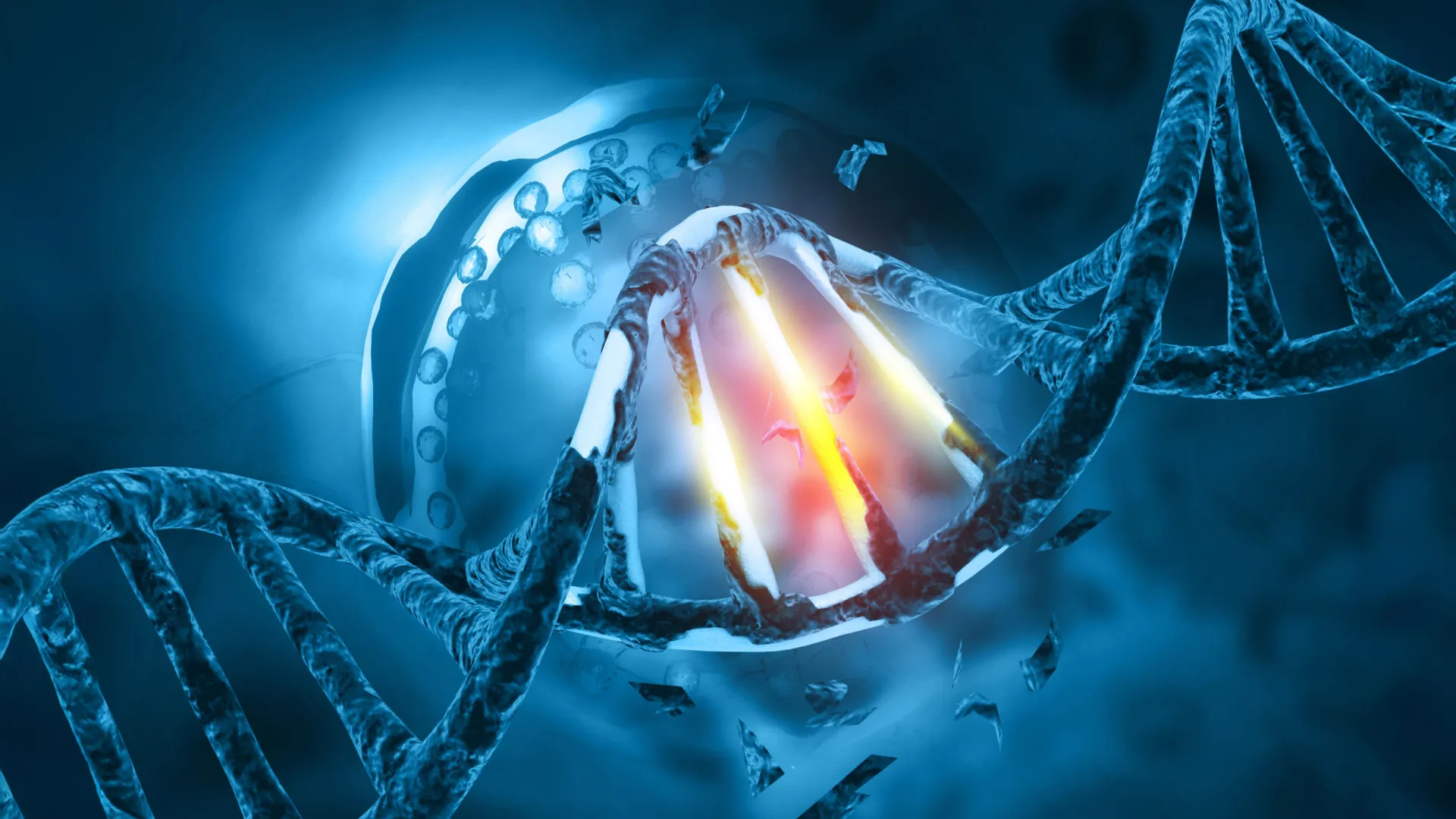
Chronic myeloid leukemia is a malignancy of the bone marrow and blood, historically significant as the first cancer to be linked to a specific chromosomal abnormality. At the heart of the disease is the "Philadelphia chromosome," a term coined following the discovery in 1960 that a translocation between chromosomes 9 and 22 occurs in CML patients. This translocation results in the fusion of two genes: BCR (breakpoint cluster region) from chromosome 22 and ABL1 (Abelson murine leukemia viral oncogene homolog 1) from chromosome 9.
The resulting BCR::ABL1 fusion gene encodes a constitutively active tyrosine kinase protein. In a healthy system, tyrosine kinases act as "on/off" switches for cellular growth and division. However, the BCR::ABL1 protein is stuck in the "on" position, flooding the cell with signals to multiply uncontrollably. While the existence of this fusion has been known for decades, the Sanger Institute study provides the first high-resolution timeline of its evolution. By analyzing more than 1,000 whole genomes from single blood cells across nine patients, the researchers were able to look back in time. They found that the BCR::ABL1 fusion typically appears between three and 14 years before a patient ever experiences symptoms or receives a diagnosis.
An Outlier in Oncology: Explosive Growth Rates
The most striking revelation of the study is the sheer velocity at which CML cells multiply once the BCR::ABL1 fusion occurs. In most cancers, such as colorectal or lung cancer, the transition from a healthy cell to a malignant tumor is a slow, multi-step process. It often requires the accumulation of five to ten different genetic mutations over several decades. In contrast, CML appears to be driven by a single, powerful genetic event.
The researchers observed that once the BCR::ABL1 fusion is present, the resulting "clone"—a group of genetically identical tumor cells—expands at a rate that can exceed 100,000 percent per year. This is a sharp departure from other blood disorders, such as myeloproliferative neoplasms or clonal hematopoiesis of indeterminate potential (CHIP), where growth rates are typically measured in modest percentages. The study suggests that BCR::ABL1 is uniquely potent, possessing a "supercharged" ability to drive disease progression without the need for secondary mutations. This finding explains why CML can manifest relatively quickly once the initial fusion takes place, compared to the decades-long "simmering" period seen in other malignancies.
Methodology: Single-Cell Sequencing and "Time Travel"
To achieve these insights, the research team employed a sophisticated technique known as single-cell whole-genome sequencing. By isolating individual blood cells from nine patients ranging in age from 22 to 81, the scientists could identify somatic mutations—small, naturally occurring changes in the DNA that happen every time a cell divides. These mutations act like a biological barcode, allowing researchers to reconstruct the "family tree" or phylogeny of the blood system.
By tracing these trees back to their common ancestors, the team could determine the exact point at which the BCR::ABL1 fusion entered the lineage. This "molecular archaeology" revealed that the cancer does not emerge overnight but is the result of a silent, years-long expansion. Dr. Jyoti Nangalia, a senior author of the study and a hematologist at the University of Cambridge, noted that this work paves the way for understanding the timeline from the very first cancer cell to clinical presentation. The study’s ability to quantify growth rates in the "pre-clinical" phase—before the patient is even aware they are ill—represents a significant technological leap in cancer research.
The Age Factor and Treatment Resistance
A critical component of the study involved examining how patient age influences the trajectory of the disease. The data revealed a clear correlation: younger patients tended to exhibit significantly higher rates of cancerous cell multiplication than older patients. This biological difference may be linked to the inherent vigor of the hematopoietic (blood-forming) stem cell environment in younger individuals, which might inadvertently provide a more fertile ground for the BCR::ABL1 clone to expand.
Furthermore, the researchers identified a link between growth rates and treatment efficacy. The standard of care for CML involves tyrosine kinase inhibitors (TKIs), such as imatinib (Gleevec). These drugs are designed to bind to the BCR::ABL1 protein and block its signaling. While TKIs have turned CML from a fatal disease into a manageable chronic condition for many, approximately 20 percent of patients do not respond well to the therapy. The Sanger Institute study found that patients with the fastest-growing CML clones were the least likely to achieve a deep molecular response to TKIs. This suggests that the inherent "fitness" or growth speed of the cancer at the time of diagnosis could serve as a predictive biomarker, helping clinicians identify which patients might require more aggressive or alternative treatment strategies from the outset.
Validating Findings through the "All of Us" Cohort
To ensure their findings were representative of the broader population, the researchers turned to the "All of Us" Research Program, a massive longitudinal study in the United States. They analyzed the genomic data and health records of over 200,000 participants to see if people could carry the BCR::ABL1 fusion without developing CML.
The results were definitive: almost every individual identified with the BCR::ABL1 fusion in the dataset was either already diagnosed with or subsequently developed a blood disorder. This confirms that the fusion gene is not a benign occurrence that can persist silently in the population; rather, it is a near-certain precursor to disease. This finding reinforces the "explosive" nature of the mutation, suggesting that once the genetic bridge is crossed, the progression toward leukemia is almost inevitable unless medical intervention occurs.
Historical Context and the Evolution of CML Care
The implications of this study are best understood within the historical context of CML research. For much of the 20th century, a CML diagnosis was a death sentence, with a median survival rate of only three to five years. The discovery of the Philadelphia chromosome in the 1960s was the first step toward targeted therapy. By the late 1990s, the development of imatinib revolutionized oncology, proving that a drug could be designed to target the specific molecular driver of a cancer.
However, the "missing link" has always been the early evolution of the disease. Until now, doctors only saw CML at its "end state"—when the white blood cell count is already dangerously high. The Sanger Institute’s research fills this gap, providing a narrative for the years of silent growth. This shift in perspective moves CML research toward a more preventative or early-intervention model, similar to how cardiologists monitor cholesterol levels before a heart attack occurs.
Expert Commentary and Clinical Perspectives
The medical community has reacted with optimism to the study’s publication. Dr. Aleksandra Kamizela, co-first author and a resident doctor at the Lister Hospital, highlighted the gap between current diagnostic tools and the new genomic insights. She noted that while current blood tests like RT-PCR are excellent for monitoring treatment response, they do not provide the granular DNA-level history revealed in this study. "Our findings provide a rationale to look at the rate of cancer growth more closely in future studies in order to understand if we can use such information in a clinical setting," Kamizela stated.
Dr. Nangalia echoed this sentiment, emphasizing that CML’s status as an "outlier" makes it a unique model for study. Because it is driven by a single event, it provides a clearer "signal" than more complex cancers, allowing researchers to isolate the variables that lead to drug resistance.
Broader Implications for Cancer Research and Personalized Medicine
The Sanger Institute study contributes to a growing body of evidence that cancer is a dynamic, evolutionary process. By demonstrating that growth rates vary wildly between individuals and that these rates correlate with treatment outcomes, the research underscores the necessity of personalized medicine. In the future, a patient’s "growth profile" could be as important as their white blood cell count when determining a prognosis.
Moreover, the study raises questions about other types of leukemia and whether similar "explosive" periods exist for them. If other cancers follow a similar—albeit perhaps slower—trajectory, the window for early detection might be wider than previously thought. The use of phylogenetic trees to map cancer evolution could eventually be applied to solid tumors, though the technical challenges of isolating single cells from solid tissue remain significant.
As the scientific community moves forward, the focus will likely shift to larger patient cohorts to validate the link between growth rates and TKI resistance. If confirmed, this could lead to a new era of "precision monitoring," where genomic sequencing is used not just to diagnose the disease, but to predict its future behavior. For the thousands of patients diagnosed with CML annually, these insights offer the hope of more tailored, effective treatments that account for the unique biological speed of their specific cancer.













Leave a Reply