The landscape of assisted reproductive technology (ART) has taken a significant step forward following a groundbreaking discovery by researchers at the University of Illinois Urbana-Champaging. By successfully replicating a natural biological mechanism found within the female reproductive tract, scientists have developed an innovative method to select viable sperm and substantially prolong their lifespan in a laboratory setting. This advancement promises to mitigate one of the most persistent variables plaguing in vitro fertilization (IVF) success rates across both veterinary science and human medicine.
The findings, detailed in a study recently published in the peer-reviewed journal Scientific Reports under the title Porcine sperm bind to an oviduct glycan coupled to glass surfaces as a model of sperm interaction with the oviduct, offer a novel paradigm for handling gametes outside the body. Led by senior study author David Miller, a professor in the Department of Animal Sciences within the College of Agricultural, Consumer and Environmental Sciences (ACES), the research team has bridged a long-standing gap between in vivo reproductive biology and in vitro manipulation.
Recreating the Natural Environment of the Oviduct
For decades, reproductive endocrinologists and embryologists have grappled with the inherent limitations of maintaining sperm health in artificial culture media. Unlike the natural physiological environment, standard laboratory dishes fail to support sperm longevity, leading to rapid degradation of motility and genetic integrity. Dr. Miller and his colleagues focused their investigations on the oviduct—commonly known in humans as the fallopian tube—which naturally possesses the capacity to nurture, store, and sustain sperm until ovulation occurs.
The foundational clue for this breakthrough emerged in 2020, when Miller’s research group identified that complex sugars, scientifically termed glycans, serve as the active biochemical agents within the oviduct. These specific molecules possess the unique ability to reversibly bind and store spermatozoa, effectively putting their metabolic countdown on hold while preserving their functional competence.
To translate this biological observation into a viable technological application, Miller’s team partnered with specialized carbohydrate chemists. Together, they screened hundreds of distinct oviduct glycans to evaluate their binding affinity for mammalian sperm. Through rigorous testing, the researchers isolated a promising candidate: a sulfated Lewis X trisaccharide, commonly referred to as suLeX.
Methodology and Experimental Design
To evaluate the efficacy of suLeX, the researchers devised an experimental model utilizing pig sperm. Animal models, particularly porcine systems, serve as vital testbeds for human reproductive technologies due to physiological similarities. Furthermore, the agricultural sector has a profound economic stake in optimizing IVF methodologies.
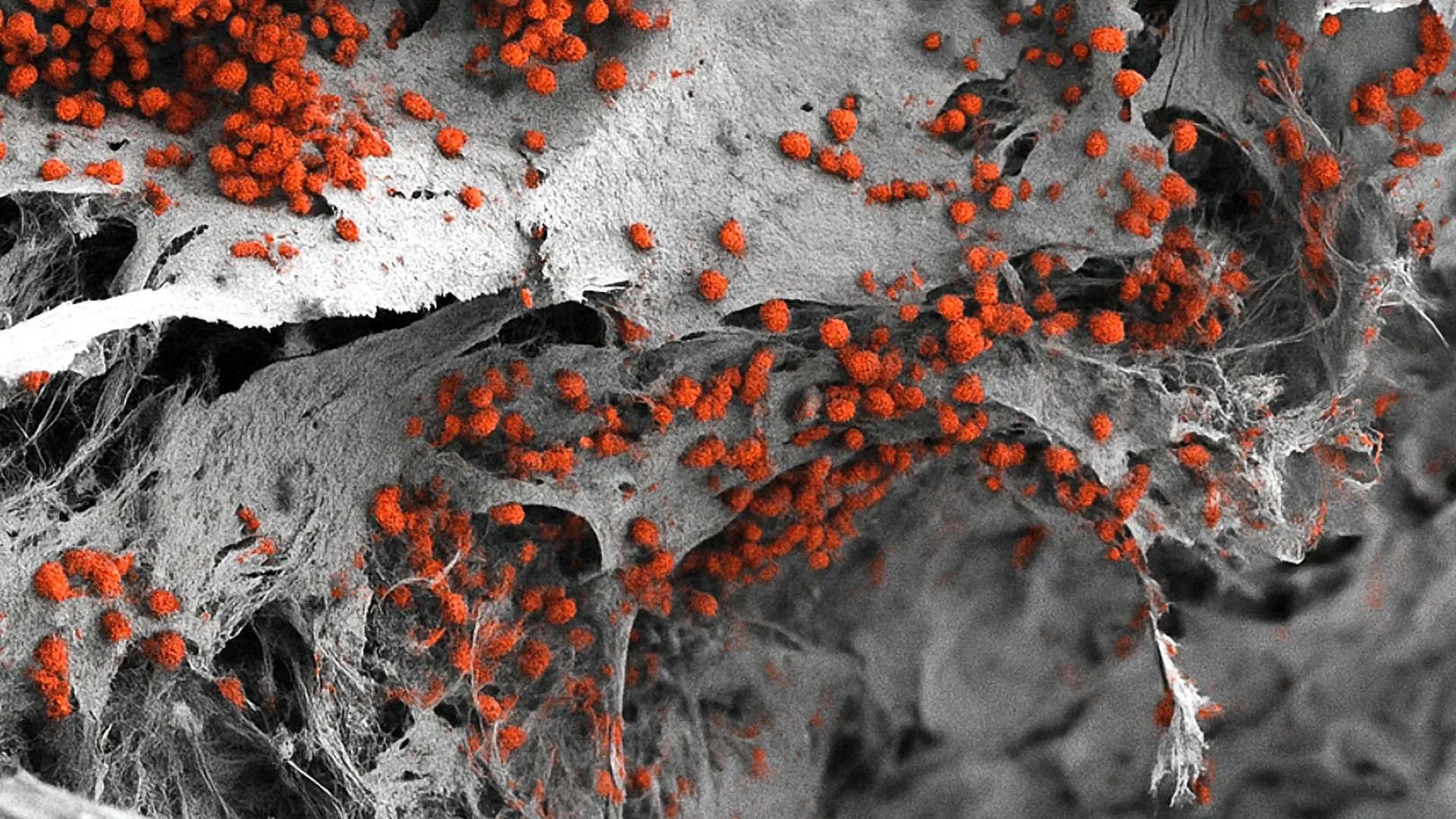
In the experimental setup, the researchers immobilized the suLeX glycan compound onto the bottom surfaces of laboratory culture dishes. Sperm samples were subsequently introduced to the dishes, allowing a standardized thirty-minute window for the spermatozoa to naturally bind to the glycan matrix.
To rigorously test whether the bound state could preserve fertilizing capability over extended durations, the team introduced mature oocytes (eggs) into the culture system at staggered time intervals: zero, six, twelve, and twenty-four hours following the initial sperm binding phase. This deliberate time-delay protocol allowed the researchers to measure the preservation of fertilization competence across an expanded temporal window.
Quantitative Findings and Comparative Analysis
The data yielded by the study demonstrated a clear protective and enhancing effect attributable to the suLeX compound. At the immediate zero-hour benchmark, IVF efficiency—measured as the proportion of successfully fertilized zygotes relative to the total number of exposed eggs—was markedly higher in the suLeX-bound group, reaching 53 percent. In contrast, a baseline control group utilizing standard culture conditions without oviduct compounds yielded a fertilization rate of only 36 percent. Two alternative control compounds tested during the screening phase achieved fertilization rates hovering near 40 percent.
While time delays universally reduced fertilization rates across all experimental cohorts due to natural cellular aging, the rate of decline was substantially mitigated in the presence of suLeX. By the twenty-four-hour mark, the untreated control group saw fertilization efficiency plummet to a negligible 1 percent. Remarkably, the suLeX-treated group maintained a 12 percent fertilization rate after a full day in culture—a twelvefold relative improvement that underscores the compound’s potential to extend the viable operating window for clinical and agricultural embryology.
Addressing Polyspermy and Improving Precision
Beyond extending sperm longevity, the suLeX culture system introduced a secondary operational advantage: the mitigation of polyspermy. In porcine IVF, a frequent pathological complication involves multiple sperm simultaneously penetrating a single egg, a phenomenon known as polyspermy, which invariably results in inviable embryos and failed development.
Traditional IVF protocols often require high concentrations of free-swimming sperm to ensure fertilization, inadvertently increasing the risk of multiple penetrations. However, by anchoring the sperm securely to the suLeX glycan droplets, the research team was able to perform a thorough washing step that removed all unbound, free-swimming sperm prior to the introduction of the eggs.
"Because the sperm were bound securely to the glycan compound, we could reduce the overall number of sperm, which meant fewer cases where more than one sperm fertilized the eggs," Dr. Miller explained. This precise control over gamete density represents a significant methodological refinement, enhancing the overall quality and developmental competence of the resulting zygotes.
Implications for Animal Agriculture and Livestock Genetics
While the long-term horizon of the research points toward human clinical applications, the immediate commercial implications are acutely relevant to animal agriculture. The livestock industry relies heavily on advanced reproductive technologies to accelerate genetic selection, improve herd health, and maximize production efficiency.
In sectors such as dairy cattle and swine production, commercial entities utilize high-throughput IVF laboratories to generate elite embryos derived from livestock with superior genetic merits. These embryos are subsequently transferred to surrogate dams. Enhanced IVF efficiency translates directly into a higher yield of premium embryos per harvesting cycle, ultimately facilitating more efficient production of milk and meat on a global scale.
Industry analysts note that even marginal percentage improvements in fertilization success rates can translate into substantial economic gains for commercial breeding operations, reducing the labor and material costs associated with repeated fertilization attempts.
The Path Toward Human Clinical Translation
The transition from animal models to human fertility clinics represents the next major frontier for the research team. Dr. Miller is quick to emphasize that while the suLeX trisaccharide demonstrates profound efficacy in porcine models, the specific glycan structures responsible for binding human spermatozoa have not yet been definitively isolated and cataloged.
Research into human glycan-sperm interactions is currently underway, though complicated by the biochemical diversity of the human female reproductive tract. Once the precise human glycan counterparts are identified, the development of human-compatible glycan-IVF platforms could revolutionize clinical fertility treatments.
In human reproductive medicine, timing mismatches between oocyte maturity and sperm viability remain a persistent clinical challenge. Both gametes must undergo complex, highly synchronized biological maturation phases before they are truly ready for successful fertilization. However, significant biological variability exists regarding the exact duration required for individual sperm to complete their final major capacitation and maturation steps.
By potentially lengthening the functional fertile window of sperm without inducing premature cellular senescence, glycan-assisted IVF could provide reproductive endocrinologists with a wider margin of operational safety. This flexibility would allow clinics to better synchronize gamete introduction, potentially boosting overall clinical pregnancy rates and reducing the psychological and financial burdens associated with repeated, failed IVF cycles for prospective parents.
Collaborative Foundations and Institutional Support
The published study is the culmination of extensive interdisciplinary collaboration. Alongside Dr. Miller, the research paper co-authors include Sandra Soto-Heras and Larissa Volz from the University of Illinois Urbana-Champaign, as well as Nicolai Bovin from the Shemyakin-Ovchinnikov Institute of Bioorganic Chemistry. Furthermore, Dr. Miller maintains a key scientific affiliation with the prestigious Carl R. Woese Institute for Genomic Biology, facilitating cross-disciplinary approaches to complex genomic and physiological challenges.
Financial backing for the research was provided primarily by the Eunice Kennedy Shriver National Institute of Child Health and Human Development, an operating component of the National Institutes of Health (NIH), under award number RO1HD095841. This federal investment underscores the high public health priority placed on advancing our fundamental understanding of human reproduction and addressing the rising global prevalence of infertility.
Looking Ahead: Future Validation and Clinical Trials
As the scientific community reviews the findings published in Scientific Reports, the research team at the University of Illinois is already mapping out the next phases of investigation. Subsequent studies will focus on scaling up the glycan-coated culture surfaces, testing alternative biomaterial substrates for clinical compatibility, and initiating preliminary profiling of human glycan binding specificities.
While extensive preclinical validation, safety testing, and regulatory approvals will be required before glycan-IVF protocols become standard practice in human fertility clinics, the foundational science has established a compelling proof of concept. By mimicking the evolutionary wisdom of the mammalian oviduct, modern science has moved one step closer to mastering the intricate choreography of life’s earliest moments.