A groundbreaking genetic study has fundamentally reshaped our understanding of chronic myeloid leukemia (CML), a rare and aggressive cancer affecting the blood and bone marrow. Published in the peer-reviewed journal Nature, the research conducted by scientists at the Wellcome Sanger Institute, in collaboration with international partners, has unveiled that CML develops through an explosive and previously undocumented rate of cancerous cell multiplication years before a clinical diagnosis is made. Unlike most solid tumors and other hematological malignancies that evolve sluggishly over decades through the accumulation of numerous genetic mutations, CML appears to be driven by a single, uniquely potent genetic abnormality that triggers staggering exponential growth.
The findings offer unprecedented insight into the evolutionary biology of the disease, challenging long-held assumptions regarding how rapidly cancers can proliferate in the human body. By mapping the ancestral relationships of individual blood cells, the research team not only pinpointed the precise timeline of when the disease initiates but also discovered critical links between tumor growth rates, patient age, and responses to standard pharmaceutical treatments. These revelations hold significant promise for the future of personalized oncology, offering a potential new pathway to optimize care for patients who fail to respond to conventional therapies.
Unraveling the Genetic Blueprint of CML
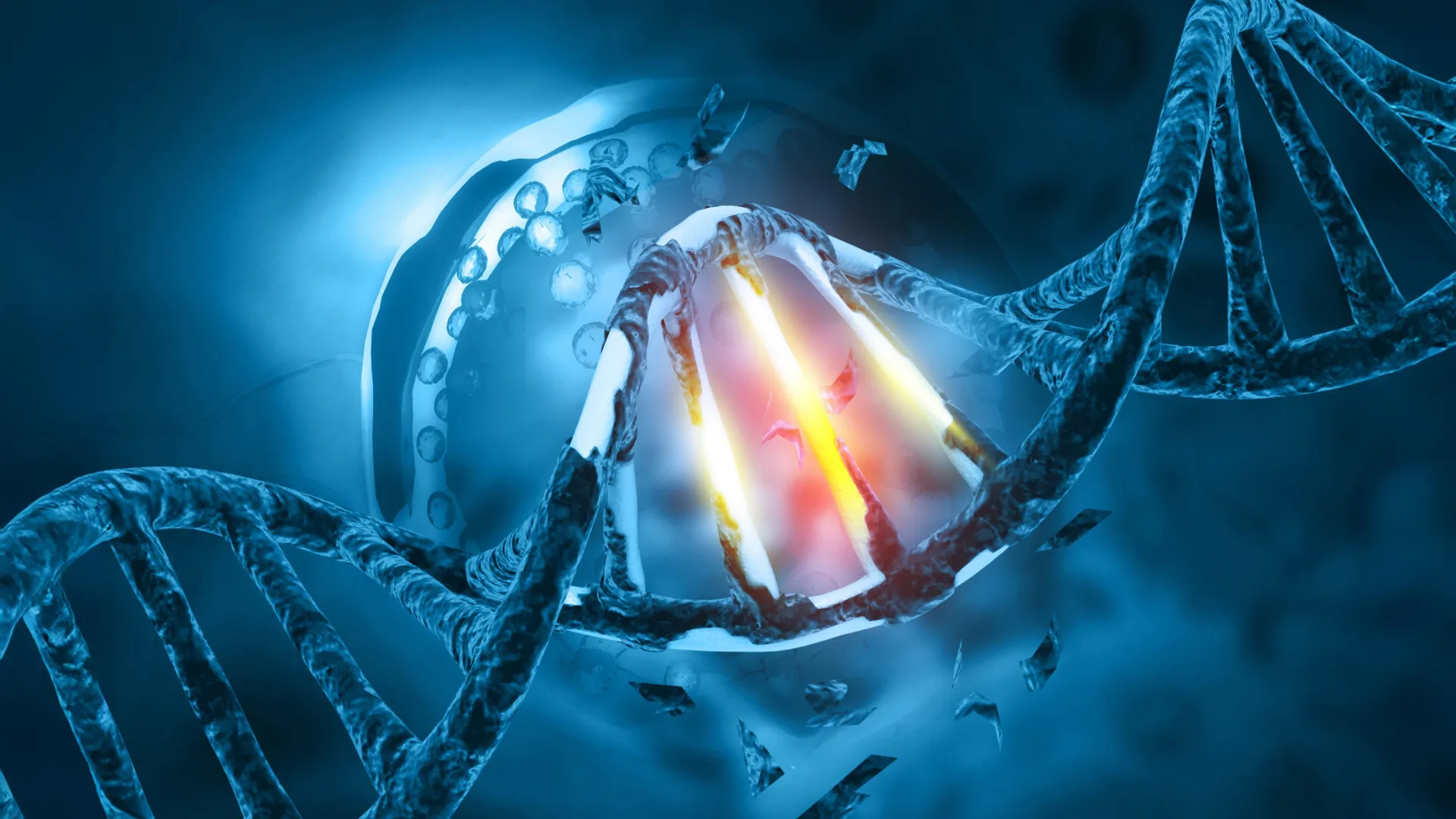
To comprehend the magnitude of the new discovery, it is essential to examine the biological mechanics of chronic myeloid leukemia. CML is fundamentally triggered by a chromosomal translocation—a structural rearrangement in which genetic material is exchanged between two distinct chromosomes. Specifically, a segment of the ABL1 gene located on chromosome 9 breaks off and fuses with the BCR gene residing on chromosome 22. This aberrant fusion creates the BCR::ABL1 fusion gene, colloquially known as the Philadelphia chromosome.
While medical science has long recognized the Philadelphia chromosome as the primary driver of CML, the evolutionary trajectory of the cells carrying this fusion remained shrouded in mystery. Scientists understood that the fusion gene produced an overactive enzyme known as a tyrosine kinase, which signals cells to divide uncontrollably. However, the exact timeline of how quickly these rogue cells multiply, how they outcompete healthy cells, and how these factors influence the ultimate presentation of the disease remained unmapped until now.
To bridge this critical knowledge gap, the research team deployed cutting-edge whole-genome sequencing techniques on more than 1,000 single blood cells sourced from nine distinct CML patients. These individuals ranged in age from 22 to 81 years old, providing a diverse cross-section of the disease’s lifecycle. By analyzing the unique genetic mutations and markers accumulated in these individual cells over time, the researchers constructed sophisticated phylogenetic trees—essentially cellular family trees. These genealogical maps allowed the scientific team to travel backward in time, tracing the lineage of the tumor cells and pinpointing the exact historical moment the original BCR::ABL1 fusion occurred.
A Timeline of Silent Expansion and Explosive Growth
The phylogenetic reconstructions yielded astonishing revelations regarding the chronology of chronic myeloid leukemia. According to the data, the initial genetic accident that creates the BCR::ABL1 fusion typically occurs three to fourteen years before a patient receives a formal clinical diagnosis. During this dormant or subclinical phase, the mutated cells slowly establish a foothold within the bone marrow microenvironment.
However, once a critical threshold is reached, the trajectory of the disease shifts dramatically. The tumor clones—populations of genetically identical cancer cells—begin to multiply at a rate that has left researchers astounded. The study documented annual growth rates in some patients exceeding a staggering 100,000 percent. This velocity of expansion is virtually unprecedented in oncology, standing in stark contrast to the slow, multi-decade developmental timelines characteristic of solid tumors, such as breast or colorectal cancer, and even other forms of leukemia.
Even more remarkable is the simplicity of the driving mechanism. While the vast majority of human cancers require a complex choreography of successive mutations—where cells acquire genetic alterations over many years before finally turning malignant—CML is propelled forward by a single, solitary genetic event. The potency of the BCR::ABL1 fusion gene alone is sufficient to command this explosive cellular proliferation, marking CML as a clear biological outlier in the broader landscape of oncology.
Age, Treatment Resistance, and Clinical Implications
Beyond mapping the timeline and growth velocity of CML, the research team investigated how these biological factors intersect with patient demographics and clinical outcomes. The study revealed a striking inverse relationship between patient age and tumor growth rates. Younger patients exhibited significantly higher rates of multiplication among cancerous cells carrying the fusion gene compared to their older counterparts. This finding suggests that the biological microenvironment of younger individuals may interact differently with the Philadelphia chromosome, though further physiological research is required to fully understand the causative mechanisms behind this age-related variance.
Furthermore, the study illuminated critical implications for the treatment of CML. The standard frontline therapy for the disease involves tyrosine kinase inhibitors (TKIs), a class of targeted drugs designed to block the activity of the abnormal protein produced by the BCR::ABL1 fusion gene. While TKIs have transformed CML from a fatal diagnosis into a manageable chronic condition for the majority of patients, approximately one in five individuals fails to respond adequately to the treatment.
The new research provides a compelling potential explanation for this therapeutic resistance. The data demonstrated that patients who exhibited faster-growing CML tumors prior to diagnosis were significantly less likely to achieve positive, long-term responses to standard TKI therapy. By identifying these growth rate variations at the DNA level, clinicians may one day be able to stratify patients more effectively upon diagnosis, tailoring therapeutic intensity to the aggressive potential of the individual’s cellular clones.
To evaluate whether individuals could harbor the BCR::ABL1 fusion gene asymptomatically without ever progressing to overt leukemia, the researchers analyzed extensive sequencing data and longitudinal health records from over 200,000 participants in the United States-based All of Us research cohort. The analysis revealed a near-perfect correlation: virtually every individual identified as carrying the BCR::ABL1 fusion eventually developed a formal blood disorder. This finding strongly indicates that the spontaneous expansion of BCR::ABL1 clones is virtually never a benign, self-limiting anomaly; rather, it represents the inexorable early stages of a progressive hematological malignancy.
Expert Perspectives and the Road Ahead
The study has drawn widespread acclaim from the international hematology and oncology communities, who view the findings as a paradigm-shifting contribution to cancer biology.
Dr. Aleksandra Kamizela, a resident doctor at Lister Hospital in Stevenage, soon transitioning to Addenbrooke’s Hospital in Cambridge, and co-first author of the study, emphasized the clinical gap that current diagnostic methodologies leave unaddressed. "In a clinical setting, healthcare professionals will perform a reverse transcription polymerase chainreaction test, a type of blood test, to measure a patient’s response to CML treatment," Dr. Kamizela explained. "However, they are not able to routinely see differences in the genetic cause of CML in patients at the DNA level, which we have been able to highlight in our study. Our findings also provide a rationale to look at the rate of cancer growth more closely in future studies in order to understand if we can use such information in a clinical setting."
Echoing these sentiments, Dr. Jyoti Nangalia, a practicing hematologist at the University of Cambridge and a Group Leader at the Wellcome Sanger Institute who served as senior author on the study, underscored the unique status of chronic myeloid leukemia within cancer research. "What our study suggests is that chronic myeloid leukemia is an outlier compared to other cancers—both solid tumors and other blood cancers," Dr. Nangalia stated. "We have shown that chronic myeloid leukemia cells undergo incredibly rapid growth within a few years to a decade before diagnosis, whereas for most cancers, the timeline from start to clinical presentation is several decades. This work paves the way to understanding how we might optimize treatment for those patients that currently respond poorly to treatment."
Despite the profound implications of the research, the study’s authors exercise appropriate scientific caution, noting that while the correlations between rapid cellular growth and poor TKI responsiveness are robust, additional validation is required. Future research initiatives will need to examine larger, more diverse patient cohorts to confirm these prognostic markers and translate the genomic insights into standardized clinical protocols.
Broad Impact on the Future of Oncology
The publication of this study in Nature marks a milestone in precision medicine. By leveraging single-cell genomics to peer backward through time, scientists have dismantled long-held dogmas regarding the uniformity of cancer development timelines. The revelation that a single genetic fusion can command an annual growth rate exceeding 100,000 percent forces a comprehensive re-evaluation of how oncologists conceptualize tumor initiation and progression.
As medical technology continues to advance, the integration of deep sequencing methodologies into routine clinical workflows moves ever closer to reality. For patients diagnosed with chronic myeloid leukemia, this research offers a tangible glimpse into a future where treatment regimens are not merely reactive, but are intelligently calibrated to the unique evolutionary history and growth velocity of their specific cancer cells. By understanding the explosive origins of CML, medical science is now better equipped than ever to disarm it.