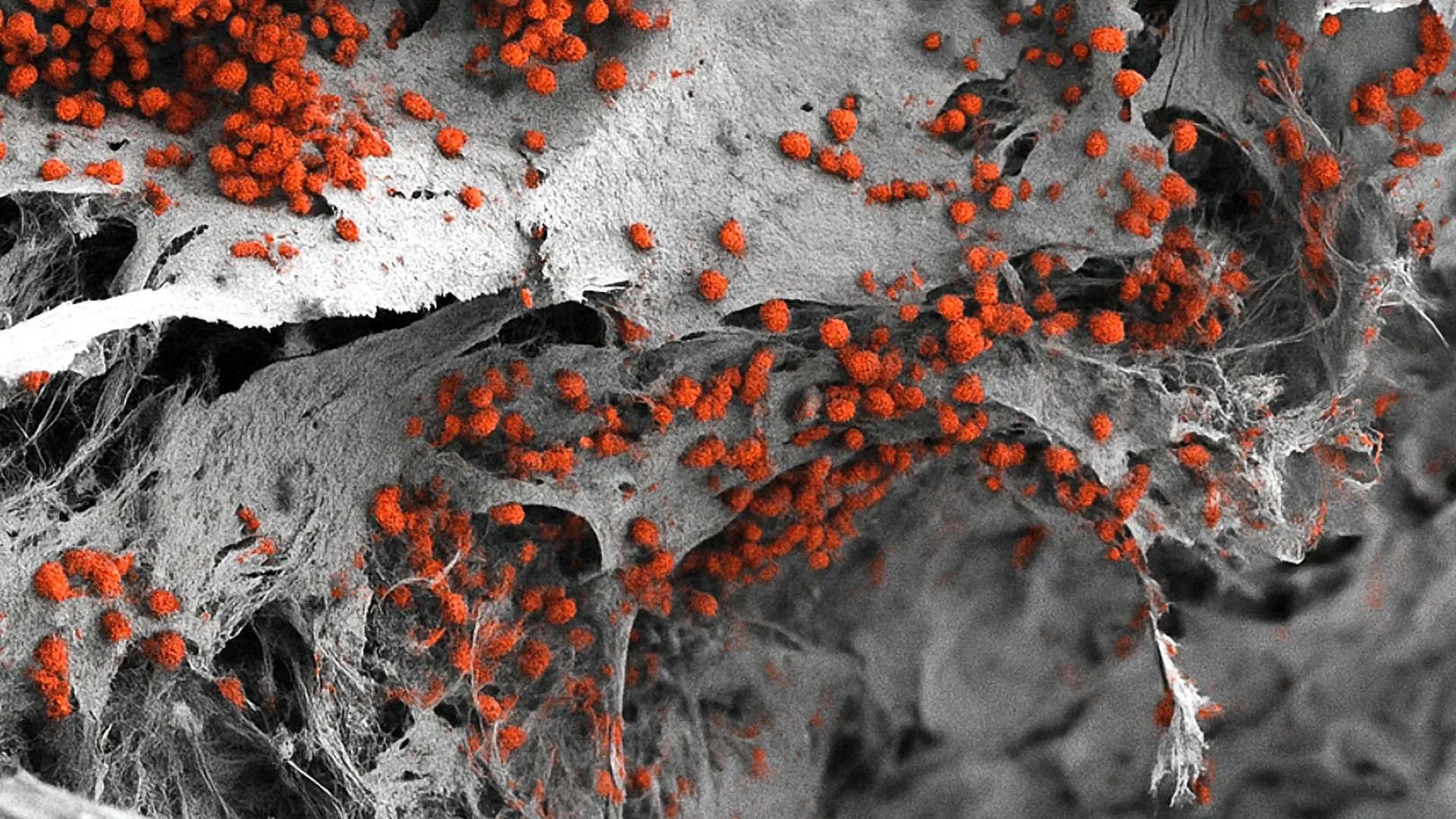
Acute myelogenous leukemia remains one of the most formidable hematologic malignancies in modern oncology. Characterized by its rapid progression and a notoriously grim median survival time of just 8.5 months following diagnosis, the disease demands innovative therapeutic approaches. A groundbreaking study published in the current issue of the journal Nature by researchers at Ludwig Cancer Research, in collaboration with international academic institutions, has identified a novel combination therapy strategy that could fundamentally shift the treatment paradigm for multiple subtypes of acute myelogenous leukemia (AML).
The research, co-led by Yang Shi and Amir Hosseini of Ludwig Oxford, alongside Abhinav Dhall from Shi’s laboratory at Harvard Medical School, as well as investigators at the University of Pennsylvania and the University of Helsinki, centers on a dual-mechanism approach. By simultaneously targeting distinct biochemical pathways responsible for halting cell maturation, the investigational therapy successfully forces cancerous blood cells to differentiate into harmless, mature cells while halting rapid cellular proliferation.
Understanding the Mechanistic Core of AML
To grasp the significance of the newly discovered therapy, one must examine the underlying cellular pathology of acute myelogenous leukemia. Although AML is recognized as a genetically heterogeneous disease—meaning it manifests through diverse genetic mutations across different patients—every subtype shares a universal hallmark: an impaired differentiation blockade of myeloid progenitor cells within the bone marrow.
Normally, hematopoietic stem cells in the bone marrow systematically mature into various types of functional blood cells, including red blood cells, platelets, and white blood cells. In patients with AML, this vital developmental pipeline is severely disrupted. Immature precursors, known as blasts, fail to mature and instead accumulate rapidly within the bone marrow and the peripheral circulation. This accumulation crowds out healthy cells, precipitating bone marrow failure, compromising normal blood replenishment, and leading to severe clinical complications such as infections, anemia, and uncontrolled bleeding.
For decades, the inability of these cellular precursors to differentiate has pointed oncologists toward a distinct therapeutic philosophy: rather than attempting to eradicate every single cancer cell through blunt cytotoxicity—which often damages healthy tissue—physicians could theoretically compel the malignant cells to resume their normal developmental program.
A Historical Precedent: The Success and Limitations of Differentiation Therapy
The concept of differentiation therapy is not entirely unprecedented in leukemia treatment. Its most notable historical success is observed in acute promyelocytic leukemia (APL), a specific, highly aggressive subtype of AML. Decades ago, researchers discovered that combining all-trans retinoic acid (ATRA) with arsenic trioxide could force APL cells down the differentiation pathway. Today, this therapeutic duo serves as one of the great success stories in cancer medicine, curing approximately 95 percent of APL cases.
However, replicating this monumental success across other, more common and refractory subtypes of AML has proven exceptionally difficult. While standard chemotherapy regimens and bone marrow transplants have long formed the bedrock of AML treatment for non-APL patients, long-term survival rates remain stubbornly low, particularly among elderly or frail patients who cannot tolerate intensive cytotoxic therapies. This reality has fueled an urgent, ongoing quest in hematology to identify novel agents capable of breaking the differentiation blockade in non-APL forms of the disease.
The Epigenetic Driver: LSD1 and Its Challenges
The newly published research builds upon foundational discoveries in molecular biology, specifically concerning how genes are regulated without altering the underlying DNA sequence—a field known as epigenetics. In leukemic stem cells, aberrant gene expression programs are frequently driven by the dysregulated activity of specialized enzymes that chemically modify DNA and its histone protein packaging.
One such critical enzyme is Lysine-Specific Demethylase 1 (LSD1). Discovered in 2004 by Professor Yang Shi and his research colleagues, LSD1 functions by erasing methyl groups attached to histones, thereby modulating gene transcription. In many AML cells, LSD1 is expressed at abnormally high levels, where it plays a maintenance role for leukemic stem cells, locking them in an immature, highly proliferative state.
Recognizing the therapeutic potential of this enzyme, pharmaceutical developers previously created targeted LSD1 inhibitors designed to strip away this epigenetic barrier and induce differentiation in AML stem cells. Despite sound theoretical grounding, these clinical trials yielded limited success. When administered as monotherapies, LSD1 inhibitors frequently induced unacceptable levels of systemic toxicity and adverse side effects in patients before reaching a therapeutic dose strong enough to force cell differentiation.
"While LSD1 inhibitors have been developed and shown to induce differentiation in AML stem cells, they’ve had limited success in clinical studies owing to their toxicity when used alone," explained Dr. Amir Hosseini. "To limit that toxicity, we thought we’d try to identify other drugs that could synergize with LSD1 inhibitors to overcome the differentiation arrest and suppress the proliferation of cancer cells."
The Preclinical Breakthrough: Combining LSD1 and GSK3 Inhibitors
To circumvent the toxicity hurdle of monotherapy, the research team initiated an exhaustive high-throughput screening campaign. Utilizing mouse leukemic cells, the investigators screened numerous bioactive molecules to identify compounds that could work synergistically with an LSD1 inhibitor. The goal was to find a partner drug that would enhance the differentiation-inducing effects while allowing the dosage of the LSD1 inhibitor to be significantly reduced, thereby mitigating toxicity.
The screening process ultimately identified a promising candidate: an inhibitor targeting the GSK3α/β (Glycogen Synthase Kinase 3 alpha/beta) enzyme. Significantly, inhibitors of the GSK3 enzyme are already undergoing clinical evaluation as cancer therapeutics in human trials and possess a well-documented safety profile demonstrating favorable patient tolerance.
When the researchers combined a low dose of the LSD1 inhibitor with the GSK3 inhibitor, the results were striking. In laboratory cultures representing multiple distinct subtypes of AML, the drug combination successfully reactivated the genetic programs necessary for cellular maturation while powerfully suppressing cancer cell proliferation.
In vivo preclinical validations further reinforced these findings. When administered to mice engrafted with human AML cells, the combination therapy successfully induced cellular differentiation, significantly curbed tumor proliferation, and notably extended overall survival rates compared to untreated controls.
Crucially, the experimental data revealed a high degree of cellular selectivity. The dual-drug regimen selectively targeted malignant leukemic cells while sparing healthy hematopoietic stem cells. This targeted specificity drastically lowers the theoretical risk of bone marrow suppression and associated systemic toxicity in future human clinical applications.
"The drug combination we have identified works by activating genes that drive cell differentiation while suppressing genes that promote cell proliferation and cancer growth," noted Professor Shi.
Decoding the Molecular Mechanisms
To understand the broader implications of their discovery, the research team conducted deep transcriptomic analyses to map out the precise molecular pathways altered by the dual therapy. Their findings revealed that the combination therapy systematically rewires gene expression programs within the leukemic cells. By shutting down the stem cell-like traits that sustain the malignancy and simultaneously upregulating differentiation pathways, the treatment effectively forces the cancer cells to abandon their aggressive identity.
Furthermore, the gene expression signature induced by the combination therapy in laboratory models bore a strong positive correlation with the gene expression profiles observed in clinical samples from AML patients who achieve relatively longer survival times. This biomarker correlation provides an encouraging translational bridge, suggesting that the laboratory findings closely mirror favorable clinical prognostic factors.
Beyond its direct applications in acute myelogenous leukemia, the modulation of these specific signaling pathways—particularly the WNT signaling pathway, which is frequently hyperactivated in a wide range of human malignancies—may hold profound therapeutic relevance for other hard-to-treat cancers driven by similar mechanisms.
Pathways to Clinical Trials and Future Implications
With preclinical data established across multiple experimental models, the scientific community is now looking toward the translational horizon. Because both the LSD1 inhibitors and the GSK3 inhibitors utilized in the study are already developed, available, and undergoing separate clinical evaluations for human use, the logistical pathway toward early-phase clinical trials is considerably shortened compared to entirely novel chemical entities.
"Our findings provide compelling evidence to support the testing of this combination therapy in AML patients, especially since both of the inhibitors involved are not only available but have been developed for human use and are currently being evaluated in the clinical trials," Shi emphasized.
The implications for the field of hematologic oncology are substantial. If successfully translated into human clinical trials, this strategy could offer a much-needed therapeutic alternative for patients who fail conventional induction chemotherapy or who are ineligible for aggressive stem cell transplantation. By transforming malignant cells from an aggressive, rapidly dividing threat into benign, fully differentiated cells, this innovative combination therapy represents a major stride forward in the ongoing scientific effort to conquer one of blood cancer’s most persistent challenges.
Support for this landmark study was provided by a coalition of prominent international scientific organizations, including Ludwig Cancer Research, the National Institutes of Health, the Research Council of Finland, the Cancer Foundation Finland, the Sigrid Jusélius Foundation, the National Institute for Health Research, the Oxford Biomedical Research Centre, and Cancer Research UK.