The landscape of regenerative medicine has shifted significantly following the publication of a landmark study in the New England Journal of Medicine, which confirms that optogenetic therapy can successfully restore a degree of functional vision in patients suffering from retinitis pigmentosa. This degenerative genetic condition, which gradually destroys light-sensing photoreceptor cells in the retina, has long been considered irreversible. However, the latest findings, published on October 7, 2026, demonstrate that by utilizing light-sensitive proteins and specialized optical technology, researchers have enabled participants to perceive objects and navigate their surroundings, providing a crucial "proof of concept" for the future of sensory restoration.
The Mechanism of Optogenetics: Rewiring the Eye
Retinitis pigmentosa typically progresses from night blindness to a narrowing of the visual field, eventually culminating in total legal blindness. Conventional gene therapies often attempt to replace or repair defective genes to "save" the remaining photoreceptors. Optogenetics, however, adopts a more radical approach: rather than attempting to mend the damaged light-detectors, it bypasses them entirely.
The therapy involves injecting genetic instructions directly into the eye. These instructions encode for a light-sensitive protein known as ChrimsonR, which is naturally found in certain types of algae. By introducing this genetic material into retinal ganglion cells—which are typically responsible for relaying visual information from the retina to the brain via the optic nerve—scientists essentially "repurpose" these cells to act as new, artificial photoreceptors. Once the retinal ganglion cells are sensitized to light, they become capable of transmitting visual signals to the visual cortex even when the original rod and cone cells are no longer functional.
A Chronology of Progress: From Lab Bench to Clinical Success
The road to this clinical success has been paved with over a decade of meticulous research and iterative testing. The scientific community reached a major milestone on October 5, 2026, when the Nobel Committee awarded the Prize in Physiology or Medicine for pioneering work in the field of optogenetics, highlighting the global importance of this technology.
The current study is a direct successor to a highly publicized 2021 report, which detailed the first instance of a blind patient regaining the ability to count objects and detect motion using a similar optogenetic approach. While the 2021 study focused on a single individual, the 2026 trial expanded the cohort to ten participants. The results indicate that seven of these ten individuals demonstrated improved light sensitivity.
The procedural timeline for these participants involved:
- Intravitreal Injection: Patients received an injection of the ChrimsonR genetic payload into their most severely affected eye.
- Waiting Period: A recovery and expression phase was required to allow the retinal ganglion cells to successfully express the light-sensitive proteins.
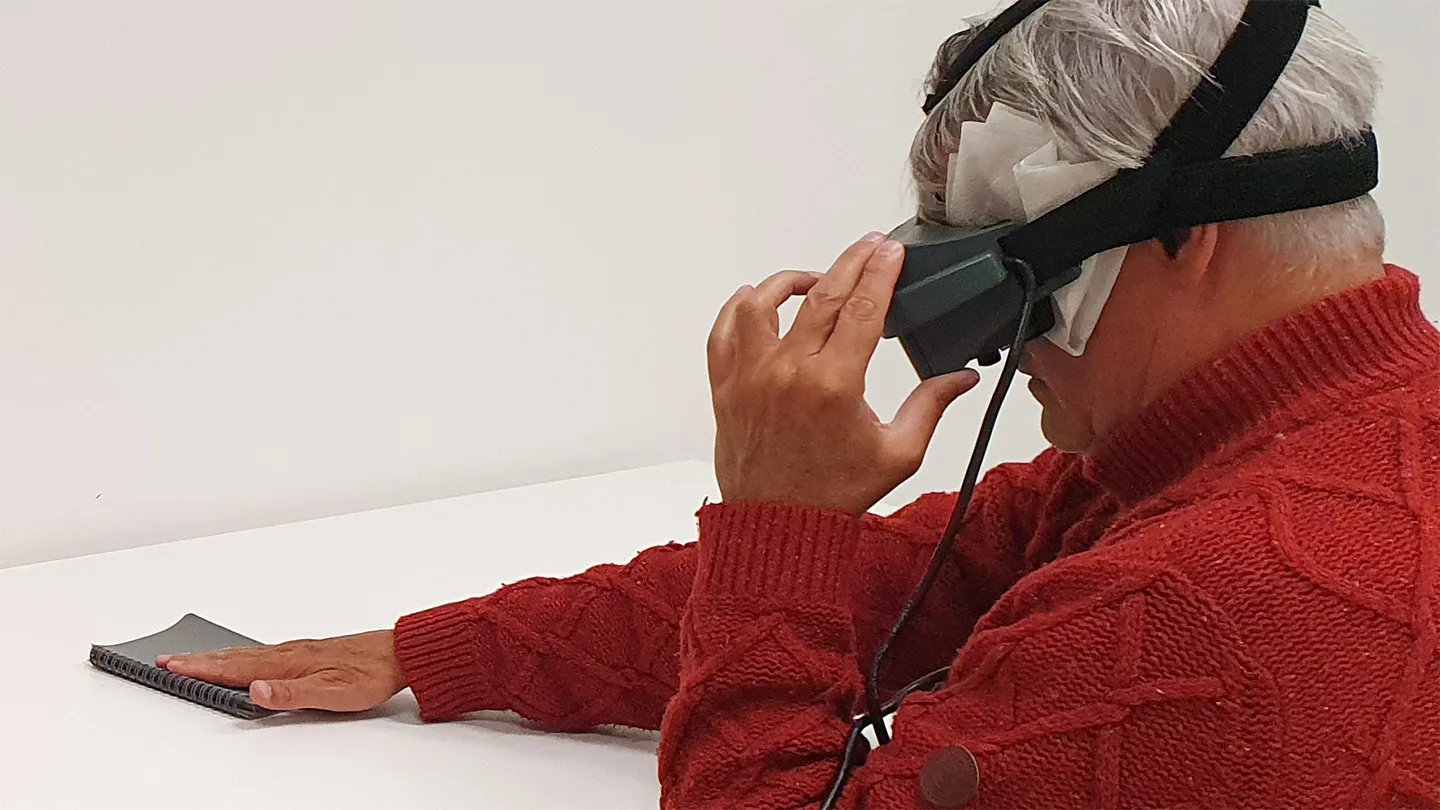
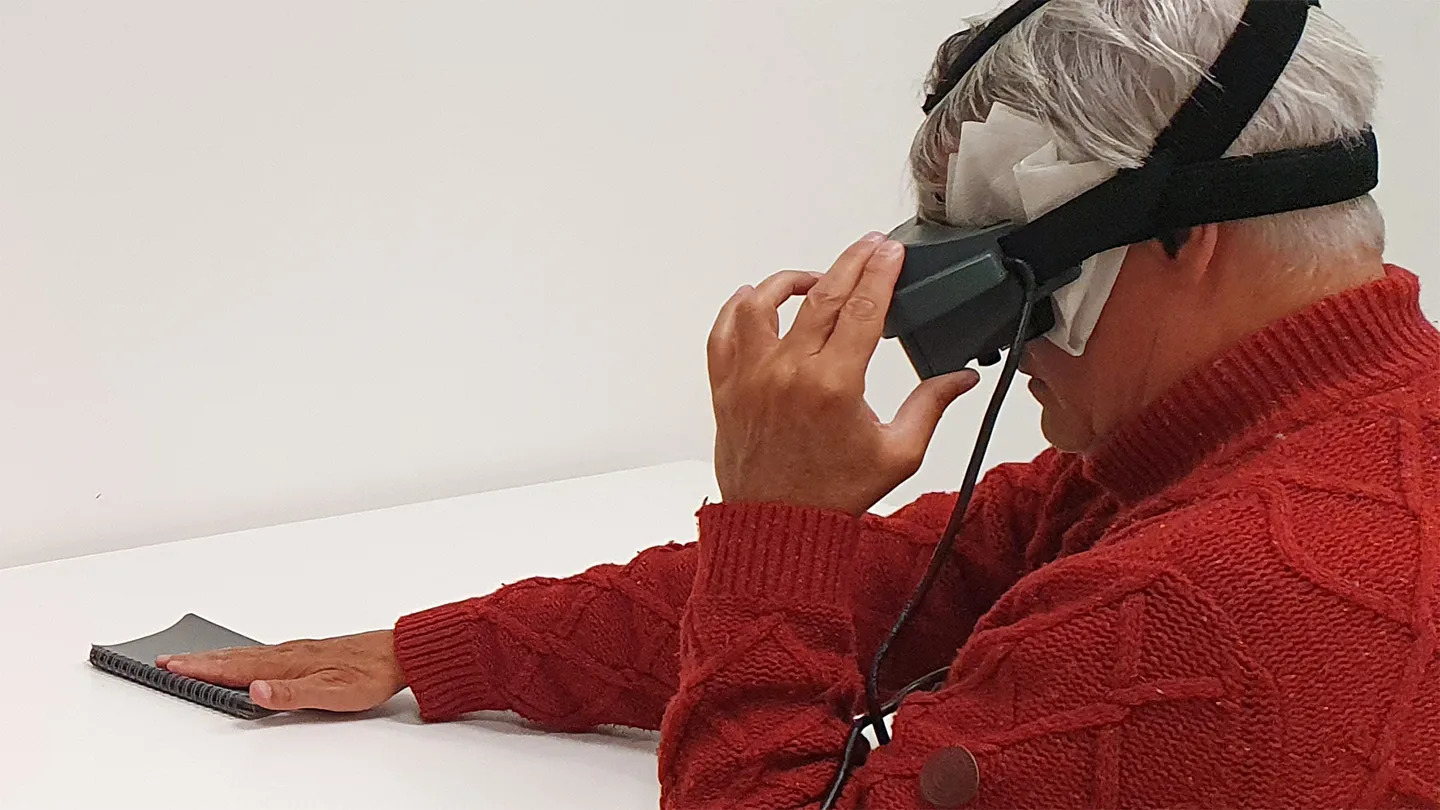
- Hardware Integration: Patients were fitted with custom-engineered goggles. These goggles contain a specialized camera that captures the visual environment and converts it into specific pulses of amber light, which are then projected onto the retina to stimulate the now-light-sensitive ganglion cells.
- Behavioral Testing: Participants underwent rigorous real-world testing, including identifying doorways, locating objects on a table, and following guided lines on the floor.
Data Analysis and Clinical Outcomes
Of the ten participants involved in the study, eight completed the full battery of behavioral testing. The data revealed that four of those eight patients were able to perform functional tasks, such as finding a doorway or distinguishing between objects, with significant accuracy while wearing the auxiliary goggle system.
It is important to note the limitations highlighted by the researchers. While the study represents a significant advancement, it does not restore "normal" vision. None of the participants gained the ability to read text or perceive human faces with clarity. The resolution provided by current optogenetic stimulation is significantly lower than that provided by the human eye’s natural photoreceptors.

Dr. José-Alain Sahel, an ophthalmologist at the University of Pittsburgh and co-author of the study, emphasized a critical physiological constraint: "The approach requires a functioning optic nerve to carry signals to the brain. It relies on the existing pathway from the retina to the brain; therefore, if the optic nerve itself is damaged or disconnected, this therapy will not be effective."
Expert Perspectives and Scientific Implications
The implications of this study extend far beyond the treatment of retinitis pigmentosa. By successfully stimulating the brain via the retinal pathway, researchers have opened a door to potential treatments for other forms of retinal degeneration, such as age-related macular degeneration.
Botond Roska, a neuroscientist at the Institute of Molecular and Clinical Ophthalmology Basel, notes that the success of this trial serves as a cornerstone for future neurological research. "This is a proof of concept that optogenetics can bring back some visual activity and object sensitivity," Roska stated. The integration of high-resolution cameras in the goggles suggests that as optogenetic protein sensitivity improves, the potential for better image resolution in the patient’s field of view increases as well.
Ethical and Regulatory Considerations
As the medical community moves toward broader application, several ethical and regulatory hurdles remain. The long-term durability of the genetic expression—how long the retinal cells will continue to produce the ChrimsonR protein—is still being studied. Furthermore, the reliance on external hardware (the goggles) creates a dependency that researchers hope to eventually minimize.
There is also the question of accessibility. Advanced gene therapies are notoriously expensive and require specialized surgical centers for administration. As this technology transitions from clinical trials to potential commercial availability, health economists and policymakers will need to address how to ensure that these life-altering treatments remain accessible to the patient populations that need them most.
The Future of Sensory Restoration
The successes reported in the New England Journal of Medicine signify a shift in how we define "restoration" in the context of blindness. Rather than aiming for 20/20 vision, the focus has pivoted toward restoring functional independence. For a patient who was previously unable to navigate a room or detect the presence of a doorway, the ability to identify objects and move safely represents a profound improvement in quality of life.
Looking forward, the research team is already planning next-generation iterations of the therapy. These future studies are expected to explore:
- Enhanced Protein Sensitivity: Engineering proteins that respond to a broader spectrum of light, potentially allowing for color perception or higher contrast sensitivity.
- Refined Hardware: Developing more compact, intuitive wearable technology that can better process complex environments.
- Combined Therapies: Investigating whether optogenetics can be used in tandem with retinal implants or other neuro-stimulatory devices to create a more comprehensive visual experience.
As the scientific community continues to analyze the long-term data from these participants, the results of this study stand as a testament to the power of synthetic biology. While the journey toward restoring full, high-definition vision remains long, the ability to offer a "window" of sight to those who were once in total darkness represents one of the most significant achievements in modern ophthalmology. The path ahead will require continued rigorous testing and a careful evaluation of how to integrate these technological interventions into the lives of those suffering from inherited retinal diseases, but for now, the findings offer a new, tangible sense of hope.