A groundbreaking investigation led by researchers at the University of Wisconsin-Madison has identified a critical biological link between the human gut microbiome and the onset of Alzheimer’s disease. The study, published in the journal Nature Communications, focuses on imidazole propionate (ImP), a metabolic byproduct generated by specific intestinal bacteria. By analyzing the intersection of microbial activity, genetic predisposition, and cognitive performance, scientists have uncovered evidence that this molecule may act as a catalyst for neurodegeneration, potentially opening a new frontier for therapeutic intervention in dementia care.
The Evolution of Microbiome Research in Neurology
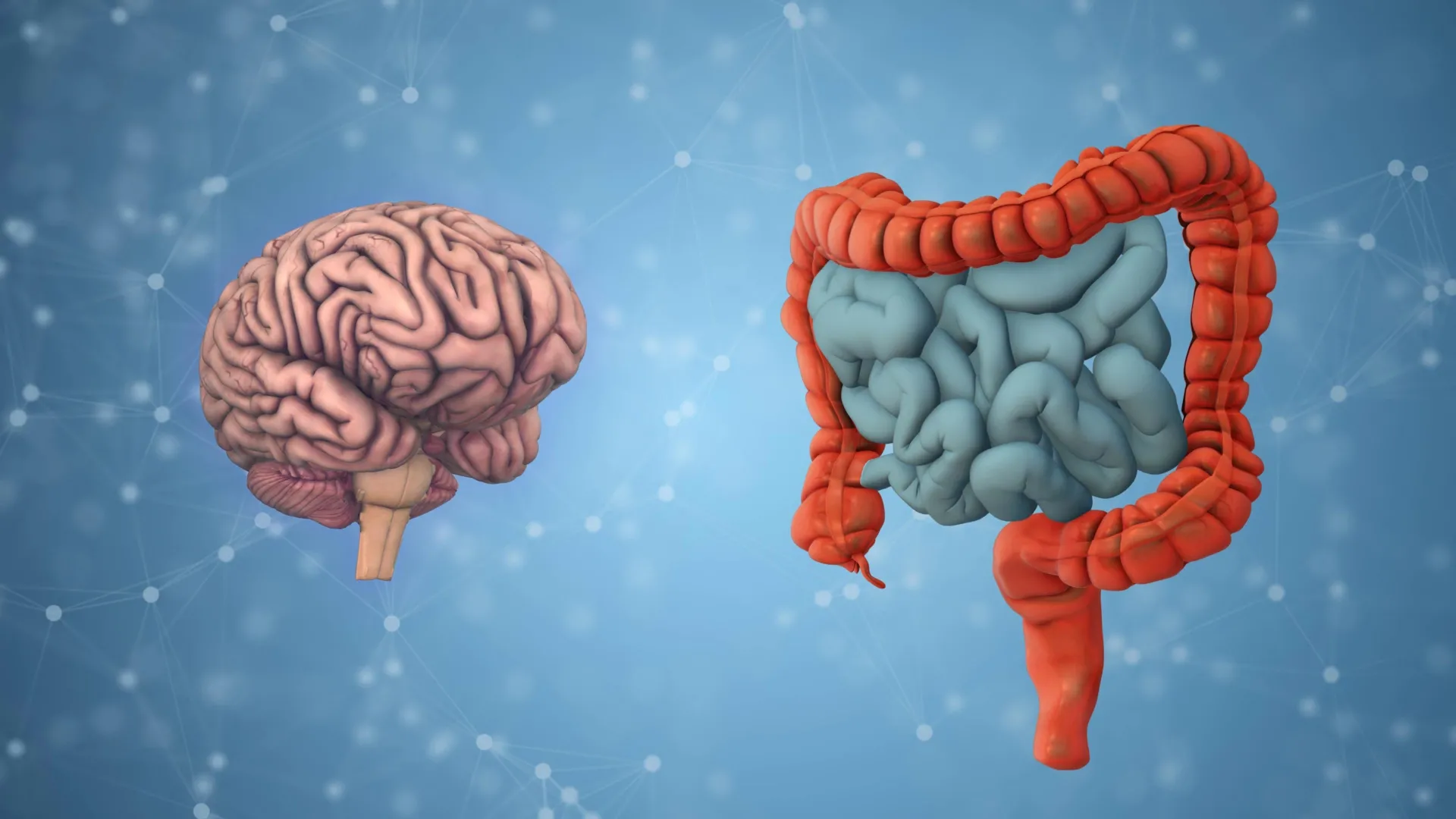
The trajectory of this research began nearly a decade ago when professors Barbara Bendlin and Federico Rey, both affiliated with the University of Wisconsin-Madison, observed a striking correlation: the composition of the gut microbiota in patients diagnosed with Alzheimer’s disease differed significantly from that of neurotypical, healthy individuals. This early observation prompted a long-term inquiry into the "gut-brain axis," a bidirectional communication system that connects the central nervous system with the enteric nervous system.
For years, the scientific community struggled to determine whether the altered gut composition was a symptom or a driver of cognitive decline. The recent identification of ImP as a systemic messenger marks a pivotal shift in this understanding. "Since then, we’ve been trying to figure out how this difference in the gut perhaps leads to changes in the brain," explains Dr. Barbara Bendlin, a professor of medicine at the UW School of Medicine and Public Health. By isolating ImP, the research team has moved beyond mere correlation, establishing a potential mechanistic pathway that connects bacterial metabolism to the physical degradation of brain tissue.
Understanding Imidazole Propionate: From Gut to Brain
Imidazole propionate is a metabolite produced when gut bacteria process histidine, an essential amino acid found in a wide variety of protein-rich foods. While the production of ImP varies significantly between individuals, the research team notes that the abundance of a specific microbe is not always the deciding factor in its impact on human health. According to Dr. Federico Rey, a professor of bacteriology at UW-Madison, a microbe does not necessarily need to be present in large quantities to exert a profound physiological effect.
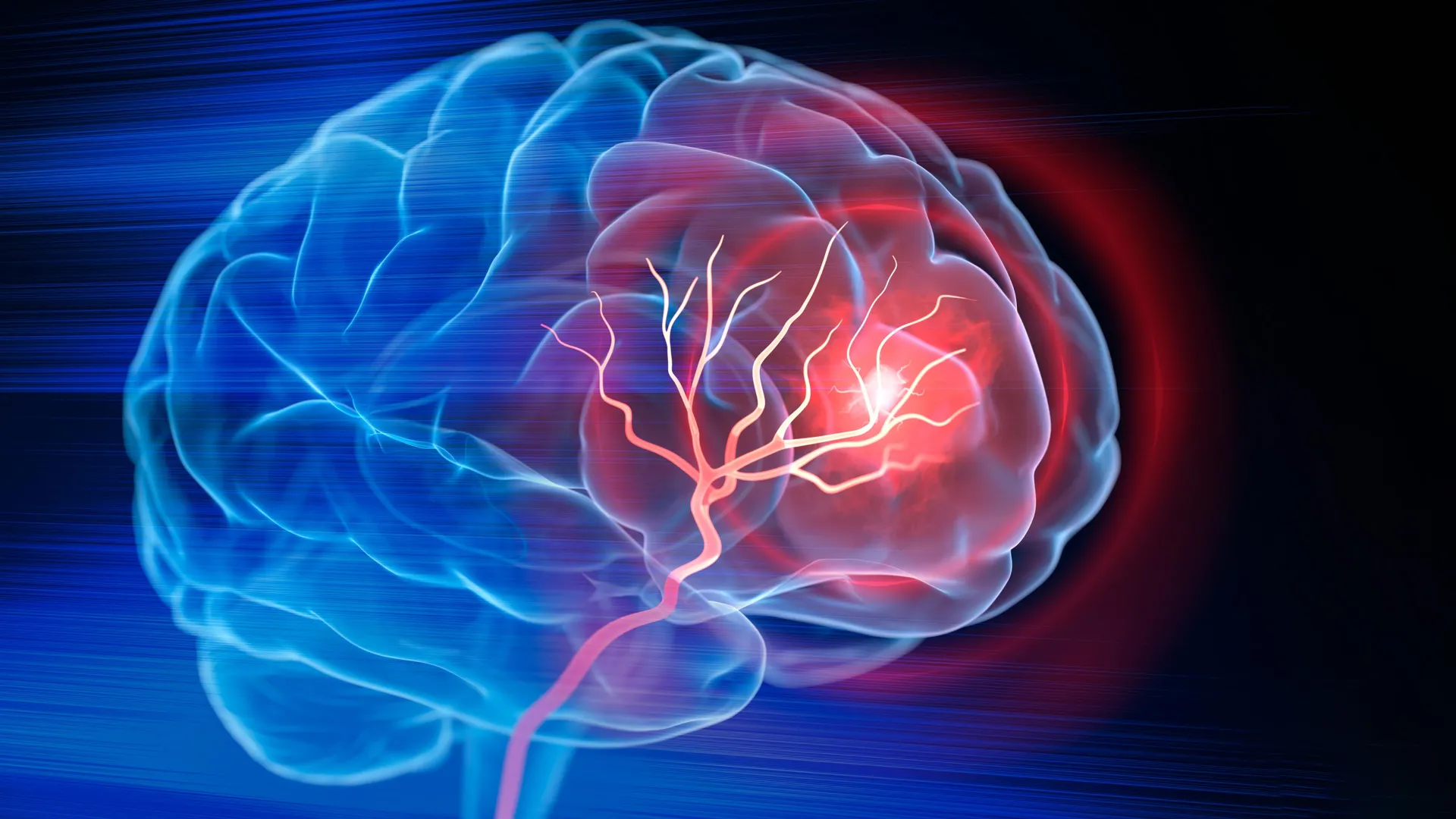
Once synthesized in the intestines, ImP is capable of crossing the intestinal barrier and entering the bloodstream, circulating throughout the body. Previous studies have already established links between elevated levels of ImP and systemic conditions such as type 2 diabetes and coronary artery disease. However, the new data suggests that the brain is also a primary target for this compound. In controlled laboratory trials using mice, researchers observed that the presence of ImP in the brain exacerbated the accumulation of beta-amyloid plaques and tau proteins—the two pathological hallmarks that define the progression of Alzheimer’s disease. These proteins contribute to the systematic destruction of neurons, leading to the clinical manifestations of memory loss and cognitive impairment.
Clinical Data and Cognitive Correlation
To validate these laboratory findings in a human population, the research team analyzed blood samples from nearly 1,200 participants enrolled in the Wisconsin Registry for Alzheimer’s Prevention and the Wisconsin Alzheimer’s Disease Research Center. The cohort provided a rich longitudinal dataset, allowing researchers to track the relationship between ImP concentrations, biomarkers of neural health, and cognitive test scores over several years.
The analysis revealed that participants with higher concentrations of ImP were statistically more likely to present with biological markers indicative of impaired neuron function and abnormal protein aggregation. Perhaps most significantly, the data showed a clear temporal link: individuals with the highest circulating levels of ImP experienced a markedly faster rate of cognitive decline compared to those with lower levels. This longitudinal evidence suggests that ImP is not merely an incidental marker but an active contributor to the speed at which Alzheimer’s disease progresses in symptomatic patients.
The Role of Genetics in Metabolic Risk
A significant portion of the study explored why some individuals possess higher levels of ImP than others. The researchers identified a specific genetic variation that appears to correlate with elevated concentrations of the molecule in the bloodstream. Approximately 43% of the study participants carried this variation, which scientists believe may impact the kidneys’ ability to filter and clear ImP from the circulation.
This discovery provides a potential explanation for previous genetic studies that identified this specific gene variant as a risk factor for Alzheimer’s. By bridging the gap between genetic susceptibility and metabolic accumulation, the researchers have provided a more granular understanding of how internal biological processes can predetermine an individual’s risk profile for neurodegenerative disease.
Therapeutic Implications and Future Strategies
The potential for using ImP as a clinical target offers a fresh approach to Alzheimer’s prevention. Because the metabolite is produced through the breakdown of histidine—a necessary nutrient—simply eliminating protein-rich foods from the diet is not a viable strategy. "Generally improving your diet would probably help," Dr. Bendlin noted, "but it’s not as easy as saying, ‘Stop eating eggs’ or ‘Don’t eat so much red meat.’ Because you need histidine, and it’s all over the place."
Instead, the team proposes a more surgical approach to intervention, akin to the management of cardiovascular health. Just as clinicians prescribe statins to reduce cholesterol and mitigate the risk of heart disease, researchers envision the development of inhibitors designed to neutralize or reduce the production of ImP in the gut, or to facilitate its removal from the bloodstream. By targeting the molecule directly, medical practitioners might be able to slow the rate of cognitive decline, potentially preserving the quality of life for millions of individuals at risk of dementia.
Broader Impact and Scientific Consensus
The findings have been met with interest across the medical research community, as they underscore the critical importance of the microbiome in systemic health. The involvement of researchers from the University of California, Los Angeles, and the University of Gothenburg highlights the international significance of this work.
The study’s implications extend beyond Alzheimer’s, reinforcing the theory that chronic inflammatory and metabolic conditions are often rooted in the gut. As the global population ages, the search for preventive therapies has become increasingly urgent. By focusing on the metabolic output of the microbiome, this research offers a concrete, measurable, and potentially modifiable target for future drug development.
Moving forward, the research team plans to focus on identifying the specific bacterial strains responsible for the most aggressive ImP production and testing potential inhibitors in human clinical trials. If successful, this line of inquiry could transform the way clinicians assess Alzheimer’s risk, shifting the focus from late-stage symptom management to early-stage metabolic intervention.
This research was supported in part by grants from the Wisconsin Partnership Program and the National Institutes of Health (R01AG070973, R01AG083883, R01AG092220, R21AG089348, R01HL168493, R01DK143650, and U54HL170326), as well as the U.S. Department of Agriculture (WIS03073). As the medical community continues to parse the complexities of the gut-brain axis, the identification of imidazole propionate stands as a landmark discovery in the ongoing effort to understand and treat the neurodegenerative diseases of the 21st century.