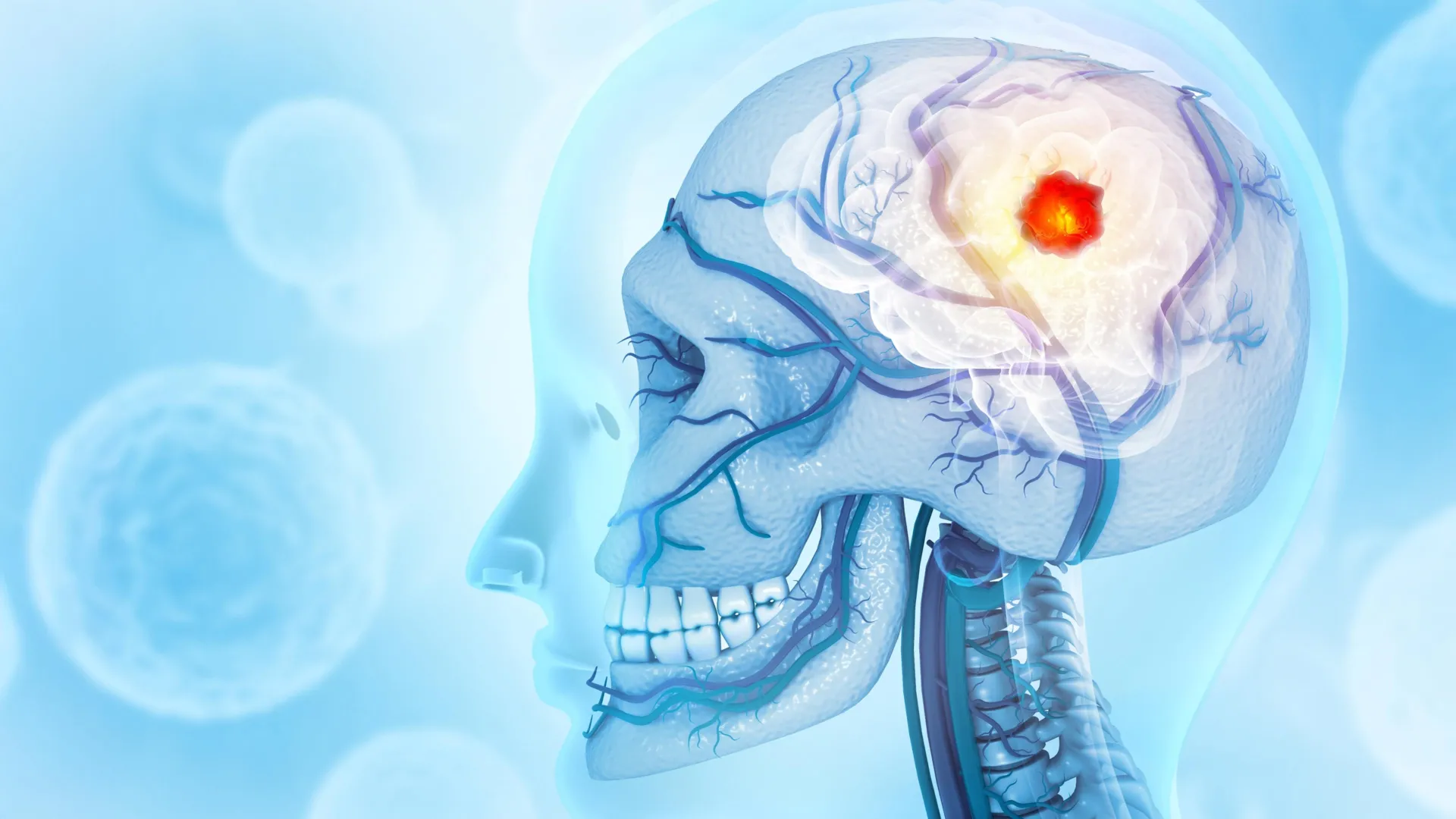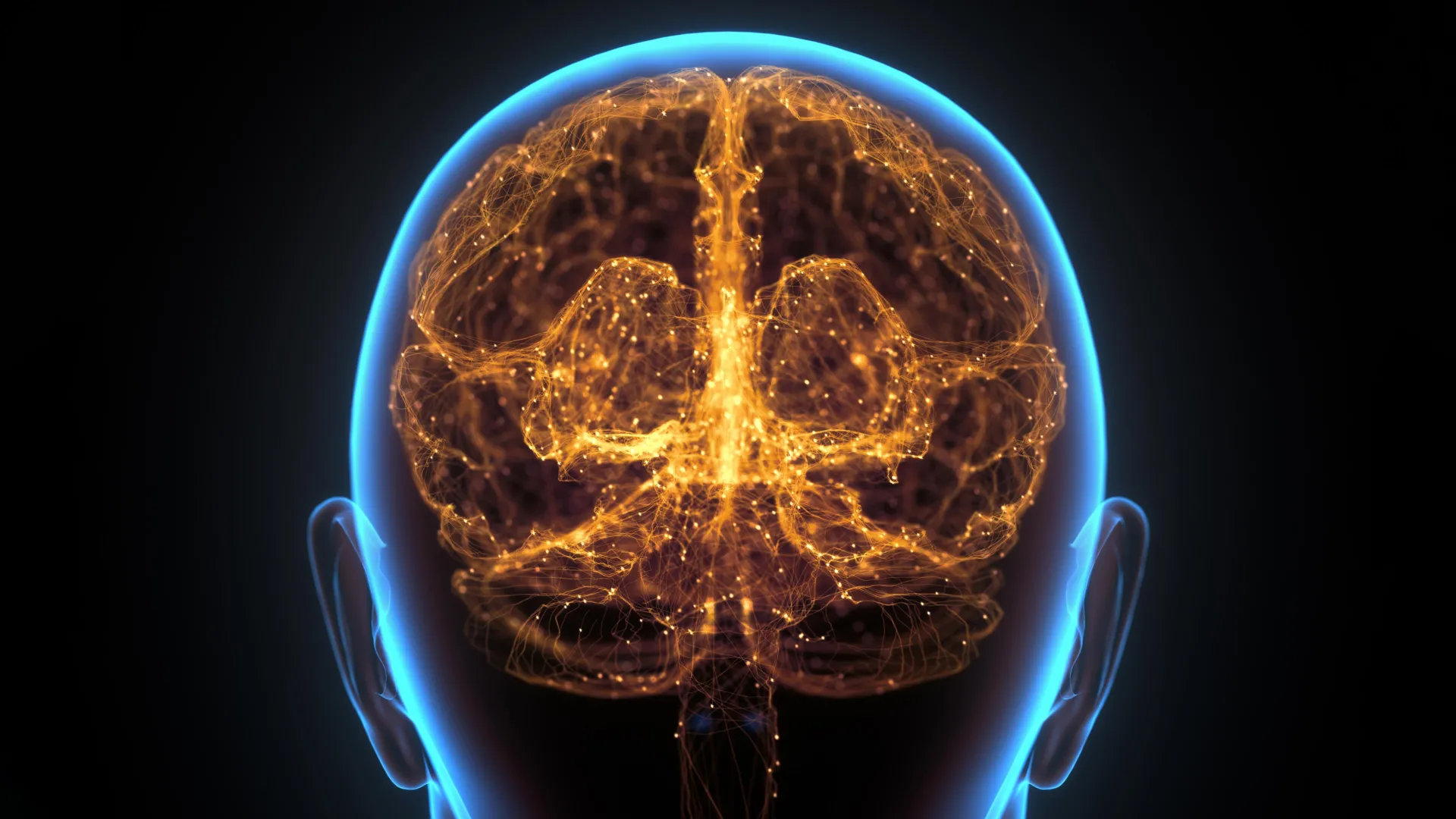
Researchers at the Washington University School of Medicine in St. Louis have fundamentally altered our understanding of human anatomy and neuroimmunology by identifying previously unknown, lymph node-like immune structures nestled within the skull bone marrow. Published in the peer-reviewed scientific journal Nature, this landmark discovery reveals that the brain is not as isolated from the rest of the body as historical medical dogma once suggested. Instead, specialized local defense hubs reside in the bone immediately surrounding the central nervous system, acting as rapid-response security stations that mobilize against aggressive brain cancers before distant immune centers even register a threat.
The implications of this study extend far beyond fundamental biology. By demonstrating that these localized immune niches actively suppress tumor growth—and that they can be artificially stimulated using targeted treatments—the research opens entirely new therapeutic pathways for glioblastoma, Alzheimer’s disease, Parkinson’s disease, schizophrenia, and other complex neurological conditions with immunological components.
The Evolution of Neuroimmunology: Overturning Decades of Dogma
For generations, standard medical textbooks taught that the central nervous system existed in a state of "immune privilege." Scientists believed the blood-brain barrier completely walled off the brain from peripheral immune surveillance to prevent potentially damaging inflammation within the delicate neural tissue. Infections or injuries inside the skull were thought to rely on slow, generalized immune responses originating deep within systemic lymph nodes located in the neck, chest, and abdomen.
That paradigm began to fracture over the last decade, largely propelled by pioneering work from the laboratory of Dr. Jonathan Kipnis, the Alan A. and Edith L. Wolff Distinguished Professor of Pathology & Immunology and a BJC Investigator at WashU Medicine. Several years ago, Kipnis and his team made international headlines by discovering functional lymphatic vessels lining the dura mater—the tough, protective membrane directly encasing the brain just beneath the skull bone.
Building upon that revelation, subsequent investigations by the WashU group uncovered a network of microscopic physical channels acting as bridges between the skull, the dura mater, and the underlying brain tissue. These tiny conduits serve as a dedicated transit system, allowing immune cells, signaling molecules, and cellular metabolic waste to pass freely between the brain and the adjacent skull bone marrow.
These accumulated anatomical discoveries set the stage for the current study. The research team sought to track the precise biochemical journey of proteins moving outward from the brain through these channels, leading them directly into the bone marrow cavities of the cranium.
Unprecedented Findings Inside Cranial Bone Marrow
Upon analyzing the cellular composition of healthy skull bone marrow in murine models, the researchers made an unexpected observation: the tissue was not merely a passive blood-cell factory, but a sophisticated, highly organized immunological command center.
Inside the bone, the team identified structural formations bearing a striking morphological and functional resemblance to peripheral lymph nodes. Within these localized niches, T follicular helper cells were observed interacting dynamically with B cells. In traditional lymph nodes, this cellular partnership is essential for orchestrating adaptive immunity, culminating in the production of massive quantities of specialized antibodies designed to neutralize foreign invaders and pathological agents.
Finding these complex, highly coordinated structures embedded within healthy bone marrow took the scientific community by surprise. Jang Hyun Park, PhD, a postdoctoral research fellow in the Kipnis laboratory and the study’s first author, noted the significance of the observation.
"We have never seen such structures in healthy bone marrow before," Park stated, reflecting on the months of rigorous analysis required to verify the findings. "It is an exciting discovery that points out that a complex brain requires its own specialized immune structures to defend it."
Following the completion of the murine studies, the research team examined human cranial tissue samples. They discovered analogous immune cells and structural precursors residing within human skull bone marrow, confirming that this localized defense system is an evolutionary trait shared across mammalian species, rather than an idiosyncrasy unique to rodents.
Putting the Skull’s Immune Hubs to the Test Against Glioblastoma
To determine whether these newly discovered immune hubs perform a practical, protective role, the research team established a series of functional assays utilizing murine models of glioblastoma. Glioblastoma is notoriously one of the most aggressive, treatment-resistant, and fatal forms of primary brain cancer in humans, characterized by rapid cellular proliferation and a suppressive tumor microenvironment that typically evades immune detection.
The investigators disrupted the function of the skull-based immune hubs using targeted pharmacological interventions. The results were clear: tumors grew at a significantly accelerated rate in mice with compromised skull immune hubs compared to control animals whose local immune structures remained intact. Furthermore, the mice with impaired cranial defenses experienced markedly reduced survival timelines.
These empirical metrics provided definitive proof that the specialized immune niches within the cranium are not anatomical relics; they are active, frontline participants in the body’s battle against intracranial malignancies.
Engineering a Localized Immunotherapy Breakthrough
Armed with evidence that skull bone marrow plays an active defensive role against brain tumors, the research team explored whether these localized hubs could be therapeutically amplified to improve clinical outcomes.
Rather than administering systemic immunotherapies—which circulate throughout the entire body and frequently induce severe peripheral side effects, systemic toxicity, and autoimmune complications—the researchers engineered a localized delivery mechanism. They formulated a specialized, slow-release therapeutic gel containing a combination of three distinct immune-boosting proteins. This gel was implanted directly beneath the scalp, in precise physical alignment with the skull bone marrow.
The targeted treatment elicited a rapid and robust immune surge. Chronologically, the resulting defense activation was first detected locally within the immune hubs inside the skull bone marrow. Only later did secondary activation signals register in distant, systemic lymph nodes outside the skull, confirming that the cranial hubs act as the primary responders.
When evaluated for efficacy, the mice treated with the protein-releasing gel exhibited a substantially enhanced ability to reject tumor cells. Treated subjects demonstrated prolonged survival curves and reduced tumor burdens compared to untreated control cohorts, pointing toward a highly efficient paradigm for localized cancer treatment.
Broader Impacts and Future Clinical Implications
The identification of skull-based immune hubs bridges a historical gap in neuroimmunology, offering a cohesive explanation for how the central nervous system rapidly coordinates defensive actions without triggering widespread, debilitating systemic inflammation.
"This study reveals that the skull bone marrow is far more than just a structural framework — it harbors previously unrecognized hubs for brain-specific immune responses," Dr. Kipnis emphasized. "Uncovering this localized immune niche changes how we view neuroimmune interactions and opens exciting new avenues for treating brain tumors and other neurological diseases."
The clinical translation of these findings could reshape therapeutic approaches across a vast spectrum of neurological medicine. Because these immune hubs are situated immediately adjacent to the brain and maintain direct conduits via microscopic dural channels, they present an accessible pharmacological target.
Researchers suggest that future pharmaceutical pipelines could design localized treatments—such as cranial patches, targeted injections, or specialized drug-delivery gels administered through minor outpatient procedures—to modulate immune activity precisely where it is needed. This localized approach could bypass the formidable obstacles of the blood-brain barrier and avoid the systemic side effects that currently limit the use of powerful immunotherapies.
While the transition from animal models to human clinical trials will require extensive safety and efficacy evaluations, the discovery provides a renewed sense of optimism for clinicians and patients alike. By tapping into the skull’s natural, built-in security stations, modern medicine may soon possess the tools to outmaneuver some of the most challenging diseases affecting the human brain.