Artificial intelligence is no longer a peripheral experiment in the pharmaceutical sector; as industry leaders prepare for CPHI 2026, the integration of machine learning, generative design, and cognitive automation into drug manufacturing has reached a critical inflection point. For decades, the pharmaceutical industry remained notoriously conservative regarding technological overhauls, bound by stringent regulatory frameworks, high capital expenditure requirements, and a zero-tolerance policy for error. However, converging global pressures—ranging from post-pandemic supply chain vulnerabilities and escalating R&D costs to the demand for personalized medicine—have forced a rapid acceleration in digital adoption. At CPHI 2026, the overarching narrative centers not on whether artificial intelligence will transform manufacturing, but on how effectively enterprises are scaling these technologies from pilot plants to full-scale commercial production.
The historical trajectory of pharmaceutical manufacturing has been characterized by linear, siloed processes where scaling a compound from laboratory synthesis to high-volume commercial output could take over a decade and cost billions of dollars. Traditional batch processing often suffered from inefficiencies, high variability, and limited real-time visibility into equipment performance and product quality. Over the past ten years, the sector has slowly transitioned toward continuous manufacturing, driven by regulatory encouragement from bodies such as the US Food and Drug Administration (FDA) and the European Medicines Agency (EMA). Yet, even with continuous processing, the optimization of complex chemical and biological reactions remained heavily dependent on human intuition and historical data analysis.
The entry of artificial intelligence into this ecosystem began modestly in the late 2010s, primarily concentrated in early-stage drug discovery and target identification. Companies utilized machine learning algorithms to screen chemical libraries, predict binding affinities, and accelerate the identification of viable drug candidates. However, the manufacturing floor remained largely insulated from these computational advances. It was not until the convergence of advanced sensor technologies, cloud-based data lakes, and industrial Internet of Things (IIoT) infrastructure that real-time data became available in quantities sufficient to train robust machine learning models for production environments. By 2023 and 2024, early adopters began deploying predictive maintenance algorithms and basic computer vision systems for automated quality inspection. As the industry approaches CPHI 2026, these isolated digital islands are rapidly coalescing into fully integrated, smart-factory ecosystems.
Current industry metrics underscore the accelerating pace of this digital transformation. Market research data indicates that global spending on artificial intelligence within the pharmaceutical manufacturing and supply chain sectors is projected to surpass $8.5 billion by 2028, representing a compound annual growth rate (CAGR) of nearly 28% from 2024 levels. Furthermore, pilot projects implemented across major pharmaceutical hubs in Europe and North America have demonstrated significant operational improvements. Facilities utilizing AI-driven predictive maintenance have reported reductions in unplanned equipment downtime of up to 35%, while advanced process control (APC) systems powered by machine learning have reduced batch cycle times by 15% to 20%. In the realm of quality assurance, computer vision systems deployed for automated visual inspection of injectables and vials have achieved defect-detection accuracy rates exceeding 99.9%, drastically lowering rejection rates and minimizing the risk of costly product recalls.
The implications of this technological shift are profound, touching every facet of drug production, supply chain resilience, and regulatory compliance. Industry executives and engineering leaders converging at CPHI 2026 are emphasizing that AI-enabled manufacturing is no longer merely a tool for cost reduction, but a fundamental prerequisite for modern pharmaceutical agility.
The Evolution of Smart Manufacturing: From Batch Processing to Cognitive Plants
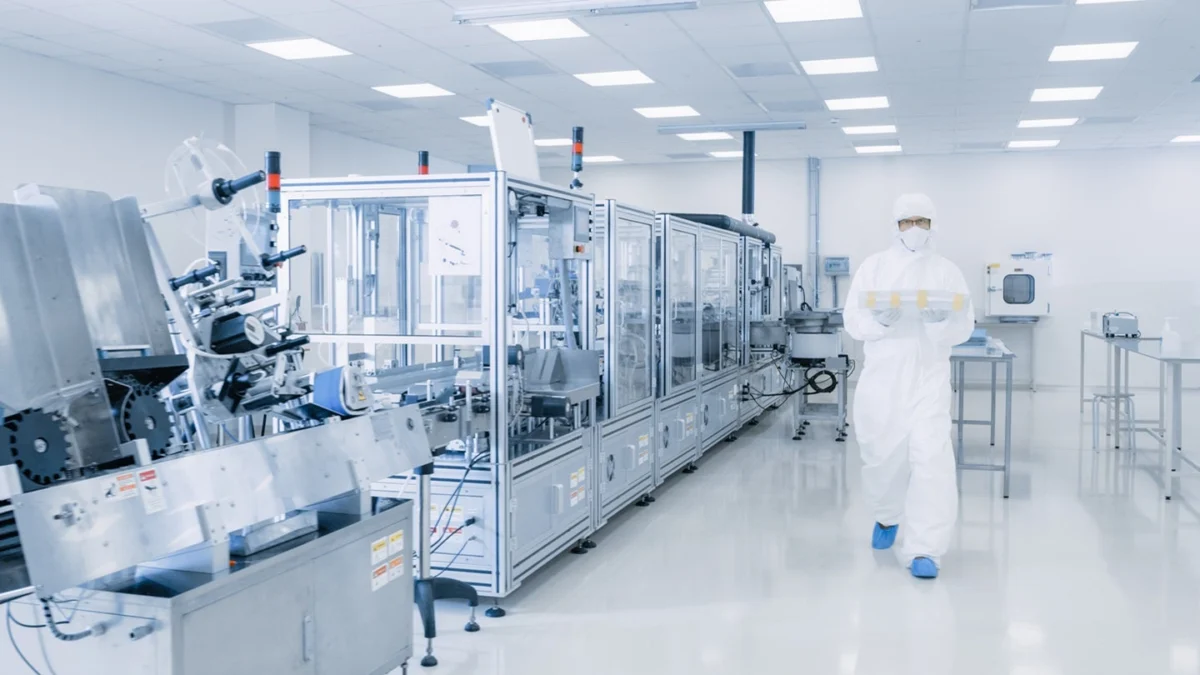
To understand the magnitude of the changes being showcased at CPHI 2026, one must examine the evolution of the factory floor. Traditional pharmaceutical manufacturing relied heavily on discrete batch processing, where raw materials were processed in fixed quantities through a sequence of independent steps. Each step required extensive documentation, intermediate quality testing, and manual intervention before the material could proceed to the next phase. This methodology, while reliable, inherently limited flexibility and made rapid scaling difficult.
The shift toward continuous manufacturing marked the first major structural evolution, allowing materials to be fed into and removed from the manufacturing process simultaneously. While continuous processing improved throughput and reduced footprint requirements, it also introduced new complexities in process control. Maintaining consistent product quality in a continuous flow requires minute-by-minute adjustments to temperature, pressure, feed rates, and chemical concentrations.

This is where artificial intelligence and machine learning have become indispensable. Modern smart facilities utilize digital twins—virtual replicas of physical manufacturing lines powered by real-time sensor data and historical performance metrics. These digital twins allow engineers to simulate operational changes, test process optimizations, and predict potential failure points in a virtual environment before making physical adjustments on the factory floor.
At CPHI 2026, several leading technology vendors and pharmaceutical giants are demonstrating cognitive manufacturing platforms that go a step further. These systems do not merely monitor conditions; they autonomously adjust parameters in real time to compensate for variations in raw material quality. For instance, if a biological expression system or chemical precursor exhibits slight batch-to-batch variations, the AI-driven control system can dynamically recalibrate processing parameters to ensure the final product meets exact specifications without human intervention.
Supply Chain Resilience and Predictive Analytics
The global health crises and geopolitical disruptions of the early 2020s exposed severe vulnerabilities in international pharmaceutical supply chains. Reliance on single-source suppliers for active pharmaceutical ingredients (APIs), coupled with unpredictable logistics bottlenecks, led to widespread drug shortages and heightened regulatory scrutiny. In response, pharmaceutical companies have aggressively invested in supply chain visibility and predictive analytics.
AI-driven supply chain platforms now integrate vast arrays of external data—including weather patterns, geopolitical risk indices, supplier financial health metrics, and global logistics tracking—with internal inventory and production schedules. These systems can anticipate supply disruptions weeks or months in advance, allowing procurement teams to reroute shipments, identify alternative suppliers, or adjust production volumes proactively.
Furthermore, generative AI models are being deployed to optimize facility layouts and inventory management within warehouses. By analyzing historical demand patterns and product expiration dates, algorithms can optimize stock levels for sensitive biologics and cold-chain products, minimizing waste and ensuring that life-saving medications reach patients efficiently. Industry analysts project that companies effectively leveraging AI-driven supply chains can reduce inventory holding costs by up to 25% while simultaneously decreasing stockout incidents by over 40%.
Regulatory Adaptation and Quality Assurance
One of the most persistent hurdles in pharmaceutical manufacturing has been the rigid nature of regulatory compliance. Historically, regulatory filings required fixed, validated manufacturing processes; making even a minor adjustment to equipment settings or operating parameters necessitated a lengthy and expensive re-validation process with agencies like the FDA or EMA.
However, regulatory bodies have recognized that rigid adherence to legacy validation models can stifle innovation and impede the adoption of technologies that fundamentally enhance product safety. In recent years, agencies have introduced more flexible, risk-based frameworks, such as the concept of advanced process control (APC) and continuous quality verification (CQV).
At CPHI 2026, regulatory panels and compliance experts are addressing how agencies are adapting to the rise of artificial intelligence. Modern regulatory science increasingly emphasizes "models of validation" that focus on the robustness of the underlying algorithms, data integrity, and continuous verification mechanisms rather than static, one-time approvals.

Pharmaceutical manufacturers are collaborating closely with regulatory consultants to establish standardized protocols for validating AI systems. This includes ensuring algorithmic transparency, preventing bias in training data, and maintaining immutable audit trails for every automated decision made on the manufacturing floor. The goal is to create a regulatory environment where adaptive manufacturing systems can optimize themselves continuously without triggering regulatory bottlenecks for every minor adjustment.
Industry Perspectives and Expert Analysis
The consensus among pharmaceutical executives gathered at CPHI 2026 highlights a strategic shift from experimentation to integration. Speaking on condition of anonymity due to ongoing corporate announcements, a senior vice president of global manufacturing for a top-tier pharmaceutical firm noted, "Three years ago, AI was a proof-of-concept project managed by innovation labs. Today, it is embedded in our capital expenditure planning. If you are not building data infrastructure into your new manufacturing lines now, you are building obsolescence into your operations."
Similarly, technology analysts tracking the sector emphasize that the successful deployment of AI requires more than just purchasing sophisticated software; it demands a cultural and organizational transformation. Upskilling the existing workforce—bridging the gap between traditional chemical engineers and data scientists—has emerged as a primary operational challenge. Companies are investing heavily in internal training programs and cross-functional teams to ensure that operational personnel can interpret and trust the insights generated by machine learning models.
Moreover, cybersecurity has taken center stage. As manufacturing plants become increasingly connected through industrial IoT networks and cloud-based platforms, the attack surface for malicious actors expands significantly. Ensuring the security of proprietary manufacturing formulas, patient data, and operational control systems is now a board-level priority for pharmaceutical enterprises.
Broader Impact and Future Outlook
The integration of artificial intelligence into pharmaceutical manufacturing, as highlighted at CPHI 2026, marks the dawn of a new era for global healthcare. Beyond immediate operational efficiencies and cost reductions, the broader implications of smart manufacturing extend directly to patient outcomes and global health equity.
By dramatically reducing the time required to scale up production and minimizing batch failures, AI-enabled manufacturing lowers the overall cost of goods sold (COGS) for complex therapeutics. This reduction in production costs has the potential to improve access to advanced biologic therapies, gene therapies, and orphan drugs in developing markets and resource-constrained healthcare systems.
Furthermore, the flexibility inherent in cognitive manufacturing plants positions the industry to better respond to public health emergencies. In the event of a novel pathogen outbreak or sudden surge in demand for specific countermeasures, AI-driven facilities can rapidly reconfigure production lines, optimize supply chains, and accelerate the delivery of critical vaccines and treatments to the global population.
As CPHI 2026 unfolds, the message from the manufacturing floor is clear: the digital transformation of the pharmaceutical industry is no longer a futuristic vision. It is a present-day reality reshaping how medicines are conceived, produced, and delivered to the world. Through the strategic application of artificial intelligence, the pharmaceutical sector is building a more resilient, efficient, and responsive manufacturing infrastructure capable of meeting the complex healthcare challenges of the 21st century.