For millions of households across the United States, the gas stove has long been a staple of the kitchen, valued for its responsiveness and ease of use. However, emerging clinical research suggests that this familiar appliance may come at a significant cost to respiratory health. A recent study spearheaded by researchers at Case Western Reserve University has provided compelling evidence that replacing gas stoves with electric alternatives leads to substantial improvements in asthma management, often yielding better outcomes than traditional medical interventions.
The Mechanism of Risk: Combustion and Indoor Air Quality
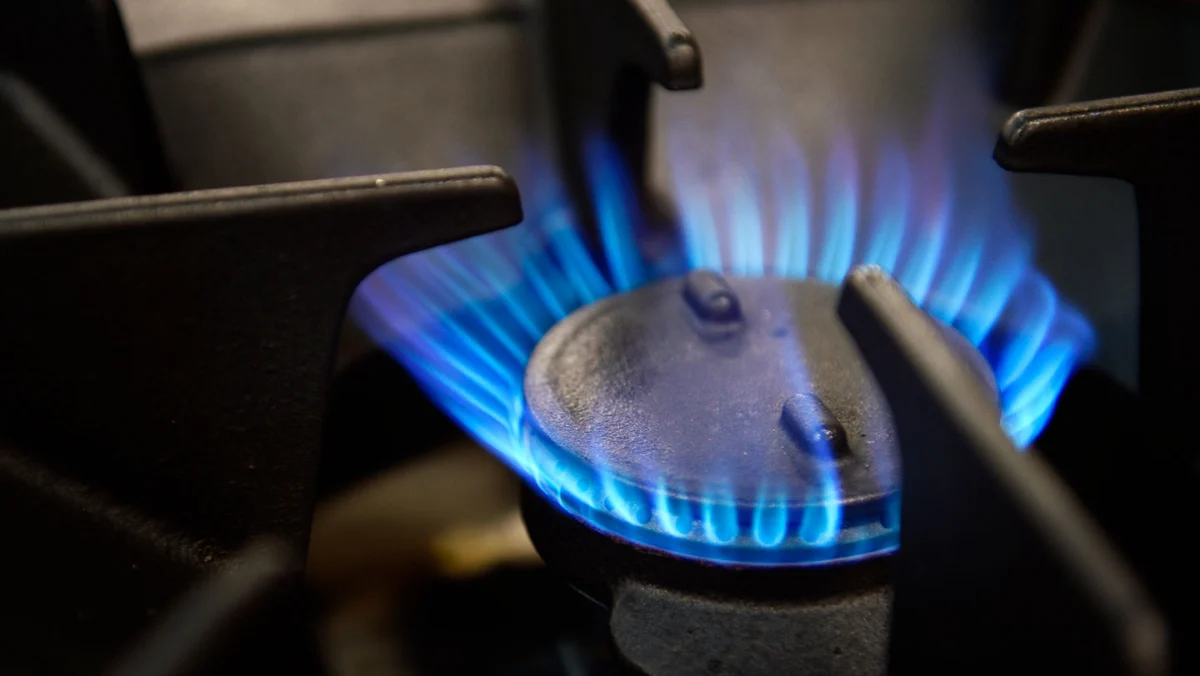
The health risks associated with gas appliances stem primarily from the process of combustion. When natural gas is burned to generate heat, it does not only produce carbon dioxide and water vapor; it also releases a cocktail of combustion byproducts into the indoor environment. Chief among these is nitrogen dioxide (NO2), a highly reactive gas known to irritate the human respiratory system.
When a gas burner is active, localized concentrations of NO2 can rise dramatically, frequently exceeding the Environmental Protection Agency’s (EPA) one-hour ambient air quality standard of 100 parts per billion. In confined kitchen spaces with inadequate ventilation, these levels can reach several hundred parts per billion. Chronic exposure to such concentrations is clinically linked to increased airway inflammation, wheezing, coughing, and, in susceptible individuals, the triggering of acute asthma attacks. For those already suffering from chronic respiratory conditions, the kitchen effectively becomes an environment of persistent, low-level physiological stress.
Chronology of the Cleveland Study
The research project, led by Dr. Ashwini Sehgal, a clinician and professor at Case Western Reserve University, was designed to investigate the tangible health impacts of removing these emission sources from the homes of vulnerable patients. The study was initiated with federal funding provided by the EPA during the Biden administration, aimed at addressing environmental health disparities in urban populations.
The project timeline was initially ambitious, with plans to track 1,200 households over the course of a full year to capture longitudinal data on symptom progression and healthcare utilization. However, the study’s trajectory was disrupted by shifts in federal policy. Following the transition of the EPA’s Community Change Grants under the Trump administration, funding for the project was terminated early. This administrative decision necessitated a significant reduction in the sample size. Despite the truncation of the study, the data collected from the 85 participants who completed the transition provided statistically significant results that have caught the attention of the medical community.
Quantitative Findings and Clinical Outcomes
The participants in the study were individuals living with poorly controlled asthma. Following the installation of electric stoves, researchers administered standardized questionnaires to evaluate changes in their respiratory health. The findings were striking: the reported symptom relief was approximately two to three times greater than the improvement typically observed through standard pharmacological asthma management alone.
Beyond subjective symptom reporting, the study documented a decrease in the socioeconomic and medical burden of the disease. Participants reported fewer emergency room visits, a reduction in hospitalizations, and a lower frequency of missed work or school days. These findings suggest that for some patients, the modification of the home environment may be as critical as, or perhaps more effective than, clinical treatment.
Dr. Sehgal noted that the magnitude of the benefit was unexpected. Case studies highlighted in the research included a 38-year-old woman who experienced a sensation of throat constriction while cooking with gas, which vanished entirely upon switching to an electric stove. Another participant, a 36-year-old man, reported a "magical" improvement in his physical endurance, regaining the ability to play with his children and walk uphill without significant respiratory distress.
Scientific and Public Health Context
The link between gas stoves and asthma has been a subject of increasing scrutiny in public health circles over the last decade. Research published in various respiratory health journals has consistently shown that children in households with gas stoves are at a statistically higher risk of developing asthma symptoms compared to those in homes with electric cooking appliances.
Dr. Laura Paulin, a pulmonologist at Dartmouth Health, emphasizes that while the replacement of a stove is the gold standard for reducing risk, it is not always immediately feasible for all families. "It is a daunting task to replace a stove, but it doesn’t have to be an all-or-nothing thing," Paulin notes. She suggests a layered approach to mitigation, including the consistent use of high-quality range hoods that vent outdoors, the use of open windows during cooking, and the deployment of HEPA air purifiers with carbon inserts, which are specifically capable of trapping gaseous pollutants like NO2.
Furthermore, behavioral modifications—such as keeping children out of the kitchen while the stove is in use—can significantly reduce direct exposure. Environmental epidemiologist Carrie Breton of the WashU Bursky School of Public Health suggests that households unsure of the impact should consider a "trial run" using an electric hot plate and a toaster oven for a period of time to observe if symptoms abate before committing to a full appliance replacement.
Implications for Future Policy and Insurance
The success of the Cleveland study has broader implications for how the healthcare system might address chronic respiratory conditions. If the findings are validated by larger, randomized controlled trials—such as one proposed by Dr. Sehgal where a control group receives the appliance upgrade after a six-month delay—it could fundamentally shift the approach to asthma management.
There is growing support for the idea that health insurance companies and public health initiatives should consider subsidizing appliance swaps for high-risk patients. If an electric stove can reduce the frequency of expensive emergency room visits and chronic medication reliance, it presents a compelling case for "value-based" healthcare spending. As Dr. Breton suggests, "If it truly works this well, it’s got a bigger bang for your buck" compared to the recurring costs of treating the consequences of asthma rather than addressing the environmental triggers.
Challenges and Future Research
While the initial results are promising, researchers acknowledge that the study of asthma is complex. Asthma triggers are multifaceted, ranging from dust mites and pet dander to seasonal allergens and air pollution. Future studies will need to account for these variables, as well as incorporate objective measures of lung function, such as spirometry, rather than relying solely on patient questionnaires.
The scientific community remains optimistic that this research will pave the way for a better understanding of how indoor air quality affects public health. As the energy transition continues, the shift toward electric induction and resistance cooking may yield secondary, yet profound, health dividends. For now, the takeaway for patients with asthma is clear: environmental interventions in the home are not just a matter of home improvement, but a legitimate component of comprehensive medical care. As data collection methods improve and larger trials are commissioned, the case for cleaner indoor air will likely become a cornerstone of public health policy in the coming years.