The biological clock has long been a focal point of reproductive health discussions, traditionally centering on maternal age and its impact on fertility and chromosomal health. However, a pair of groundbreaking studies published on October 8 in the journal Nature has shifted the scientific spotlight toward the paternal contribution to genetic inheritance. Researchers from the Wellcome Sanger Institute, King’s College London, and Harvard Medical School have provided the most detailed map to date of how harmful DNA mutations accumulate in sperm as men age. The findings reveal a startling biological paradox: the very process of sperm production favors certain mutations that, while providing a competitive advantage to sperm-producing cells within the testes, can lead to serious developmental disorders and cancers in the next generation.
The Paradigm Shift: From Random Errors to Natural Selection
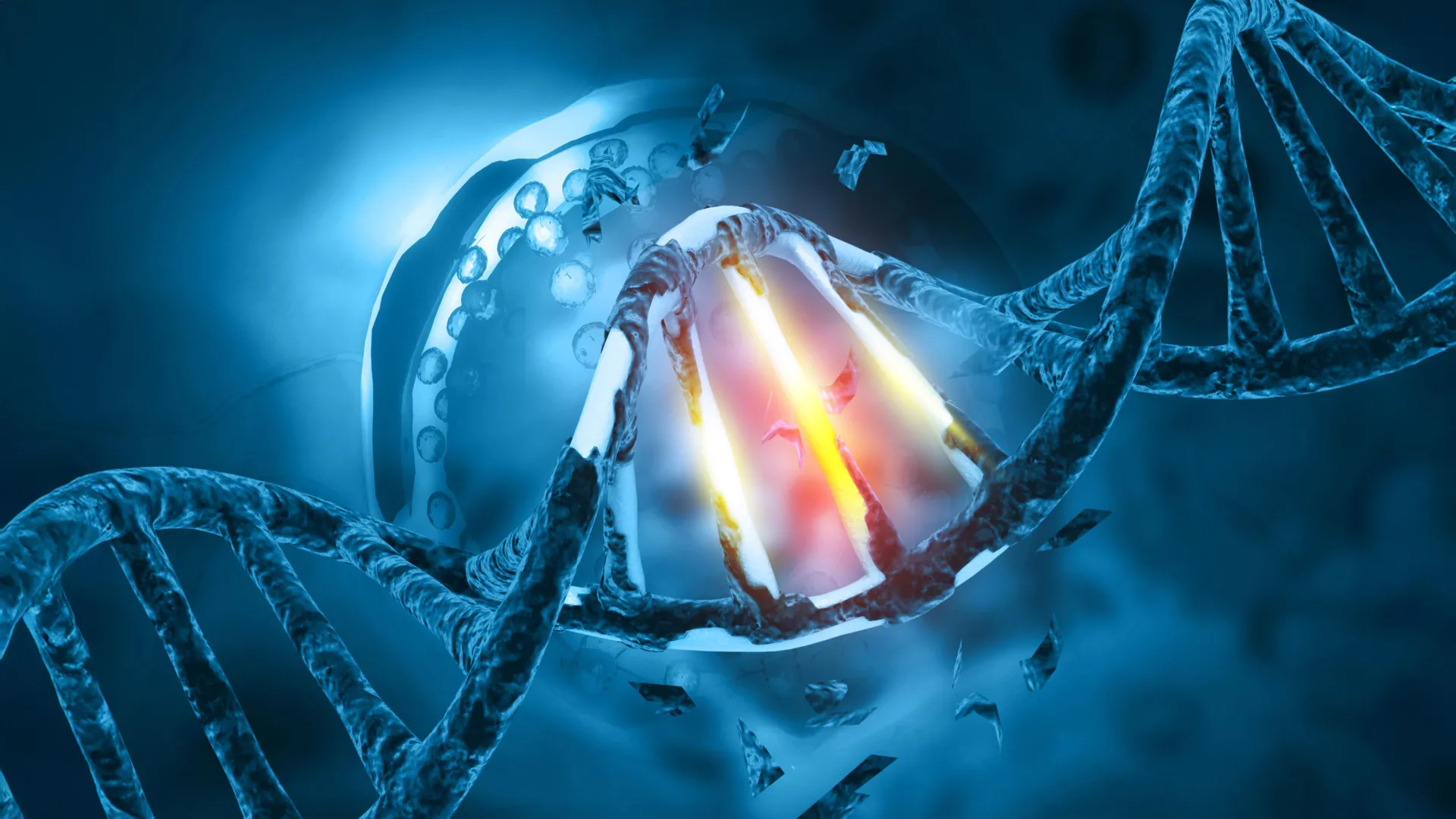
For decades, the increase in genetic risks associated with older fathers was attributed to the sheer number of times sperm-producing cells divide. Unlike women, who are born with a finite number of eggs, men produce sperm continuously throughout their lives. This requires constant cell division, and with every division comes the risk of a random "copy-error" in the DNA. However, the new research suggests that this "wear and tear" model is incomplete.
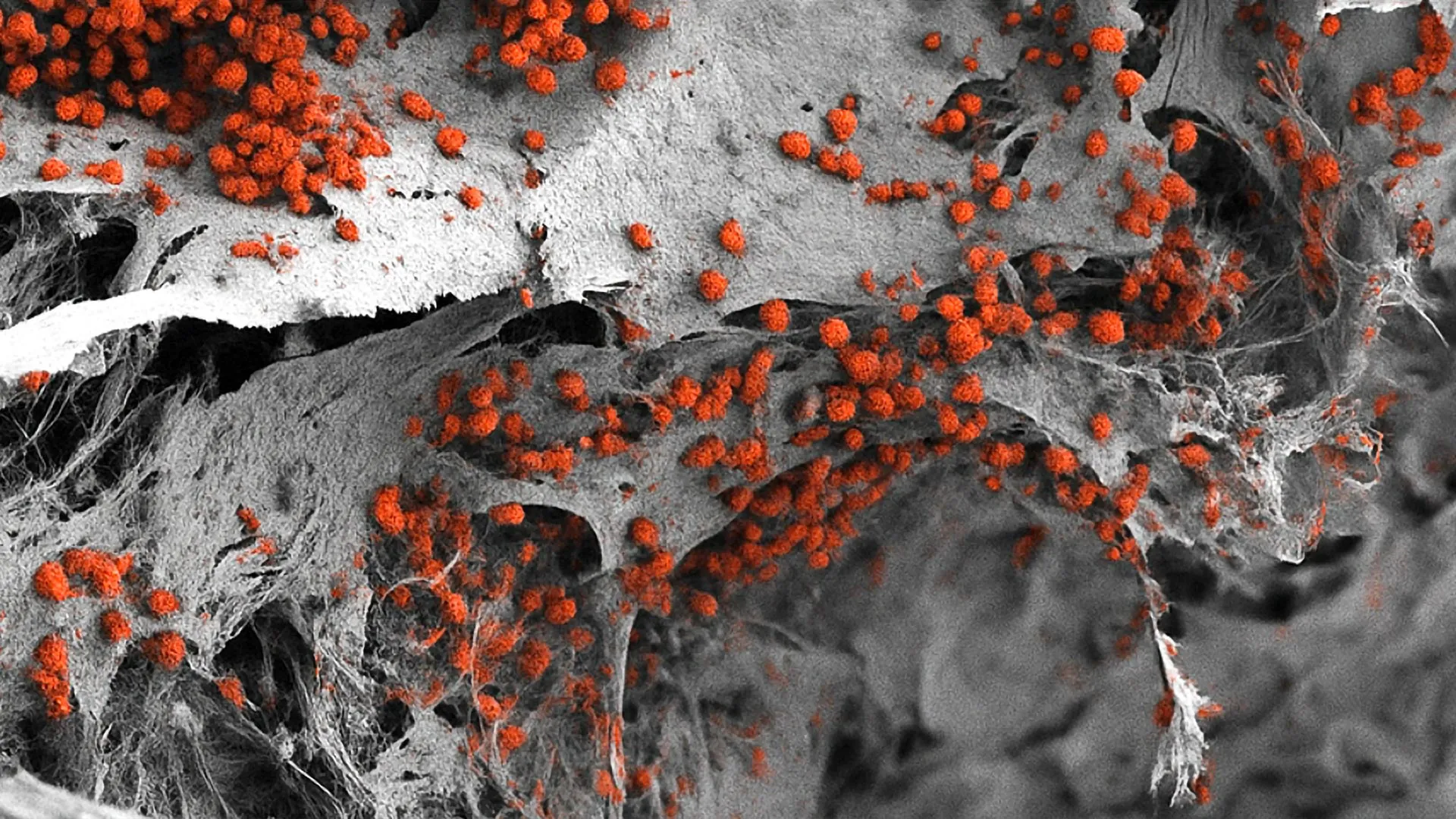
The study indicates that a subtle but powerful form of natural selection is at work within the male reproductive system. In a process known as "selfish spermatogonial selection," certain mutations actually give the cells that carry them a fitness advantage. These mutated cells multiply faster than their healthy neighbors, forming clusters or "clones" of mutated tissue within the testes. As these clusters expand over time, they produce an increasingly large proportion of the man’s total sperm output. Consequently, the likelihood of a mutated sperm cell fertilizing an egg increases significantly as a man enters his 40s, 50s, and beyond.
Methodology: Harnessing the Power of NanoSeq and the TwinsUK Cohort
To achieve this level of granular detail, the research team employed a cutting-edge sequencing technology known as NanoSeq. Traditional DNA sequencing often struggles to distinguish between genuine biological mutations and technical errors introduced during the sequencing process. NanoSeq overcomes this by utilizing a highly accurate duplex sequencing protocol that reduces error rates to fewer than one in a billion base pairs. This precision allowed scientists to detect rare mutations that might only exist in a tiny fraction of the sperm population.
The study analyzed sperm samples from 81 healthy men, ranging in age from 24 to 75. These participants were part of the TwinsUK cohort, the United Kingdom’s largest adult twin registry. By utilizing this well-documented population, researchers were able to cross-reference genetic findings with extensive health histories and longitudinal data. This provided a robust framework for understanding how lifestyle, environment, and aging interact to shape the genetic landscape of the male germline.
The Statistical Reality of Paternal Aging
The data harvested from the Wellcome Sanger Institute study presents a clear correlation between age and the prevalence of harmful mutations. Among men in their early 30s, approximately 2 percent of sperm were found to carry disease-linked mutations. This figure rose steadily with age, reaching between 3 and 5 percent in men aged 43 to 74. In the oldest bracket—men in their 70s—an average of 4.5 percent of sperm carried mutations capable of causing significant health issues in offspring.
While these percentages may seem small, their impact is magnified by the specific genes being affected. The researchers identified 40 genes that are particularly susceptible to this selective pressure. Many of these genes are vital for cell growth and development. When they mutate, they can trigger "de novo" (new) mutations in children—conditions that the parents do not carry in their own blood or skin cells. These include:
- Neurodevelopmental Disorders: Such as autism spectrum disorder, schizophrenia, and severe intellectual disabilities.
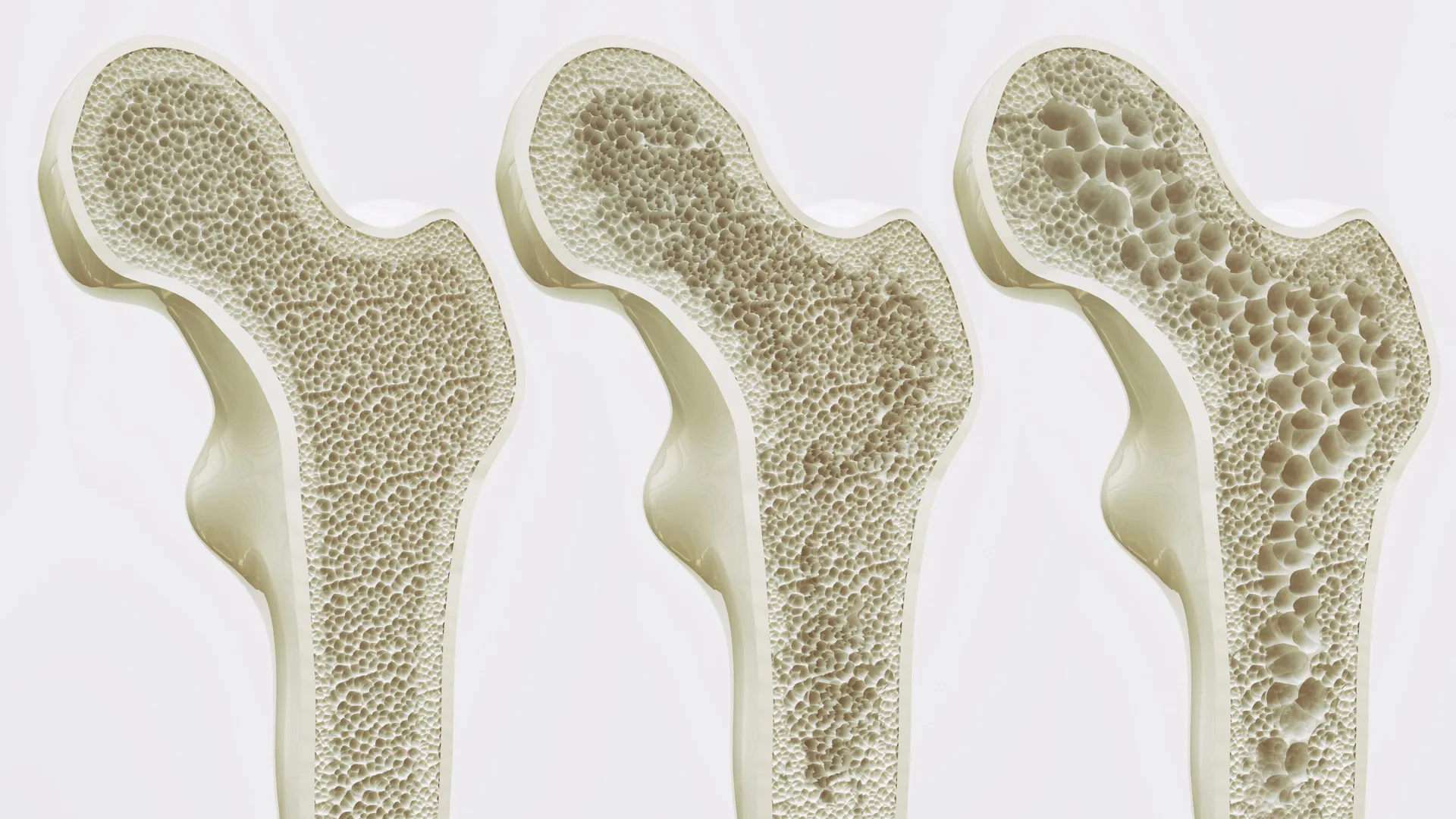
- Skeletal Dysplasias: Including Achondroplasia (the most common form of dwarfism) and Apert syndrome.
- Congenital Heart Defects: Resulting from mutations in pathways that govern embryonic organ development.
- Cancer Predispositions: Mutations in genes like HRAS and PTPN11, which are part of the RAS-MAPK signaling pathway, often linked to childhood cancers and Costello syndrome.
A Complementary View: The Harvard Medical School Study
The second study, conducted by Harvard Medical School in collaboration with the Sanger Institute, approached the phenomenon from the perspective of the offspring. Rather than looking at sperm directly, this team analyzed the DNA of more than 54,000 parent-child "trios" and an additional 800,000 healthy individuals.
Their findings corroborated the sperm-based study but added a dramatic statistic: certain mutations in the testes can increase the local mutation rate by as much as 500-fold. This hyper-mutation explains why some rare genetic disorders appear seemingly out of nowhere in families with no prior history of the condition.
Furthermore, the Harvard study highlighted a potential pitfall in modern genetic diagnostics. Because these "selfish" mutations become so common in the sperm of older men, they can create "false-positive" disease associations. Researchers might see a specific gene mutating frequently and assume it is a driver of a common disease, when in fact it is simply a gene that is highly "favored" for expansion within the testes.
Official Commentary: Insights from the Lead Researchers
The implications of these findings have prompted significant discussion among the study’s authors. Dr. Matthew Neville, the first author from the Wellcome Sanger Institute, expressed surprise at the magnitude of the selective pressure. "We expected to find some evidence of selection shaping mutations in sperm," he noted. "What surprised us was just how much it drives up the number of sperm carrying mutations linked to serious diseases."
Professor Matt Hurles, Director of the Wellcome Sanger Institute, emphasized the hidden nature of this risk. "Our findings reveal a hidden genetic risk that increases with paternal age. Some changes in DNA not only survive but thrive within the testes, meaning that fathers who conceive later in life may unknowingly have a higher risk of passing on a harmful mutation to their children."
Professor Kerrin Small of King’s College London highlighted the importance of the human element in this research. "We are incredibly grateful to the twins who took part in this study," she said. "Working with the TwinsUK cohort allowed us to explore how mutations accumulate and evolve with age in healthy individuals in a way that wouldn’t have been possible otherwise."
Dr. Raheleh Rahbari, the senior author of the study, challenged the long-held belief that the "germline"—the cells that produce eggs and sperm—is a protected sanctuary. "There’s a common assumption that because the germline has a low mutation rate, it is well protected. But in reality, the male germline is a dynamic environment where natural selection can favor harmful mutations, sometimes with consequences for the next generation."
Historical Context and Scientific Evolution
The concept of the "Paternal Age Effect" is not entirely new. In the early 20th century, clinicians noted that conditions like Achondroplasia were more common in children of older fathers. In the 1990s and 2000s, scientists began to identify specific genes, like FGFR2 and FGFR3, that seemed to mutate more frequently in the sperm of older men.
However, until this year, the scientific community lacked the technology to see the "whole picture." Previous studies were limited to looking at one or two genes at a time. The October 2024 publications represent a leap from looking through a keyhole to opening the entire door. By mapping the entire genome of the sperm, researchers have shown that the "selfish selection" phenomenon is much more widespread than previously thought, affecting dozens of different genetic pathways.
Analysis of Implications for Public Health and Medicine
The shift toward later parenthood is a global demographic trend. In many developed nations, the average age of first-time fathers has risen significantly over the last four decades. This research suggests that society may need to rethink its approach to reproductive counseling and screening.
- Refining Risk Assessments: Current genetic screening for expectant parents often focuses on recessive traits both parents might carry. These findings suggest a need for more sophisticated "de novo" mutation screening, particularly for older fathers.
- Assisted Reproduction: For couples undergoing IVF, the age of the father might become a more prominent factor in pre-implantation genetic testing (PGT). Understanding which genes are prone to "selfish selection" could help clinicians develop better tests to identify high-risk embryos.
- Environmental and Lifestyle Factors: Now that scientists have a baseline for how age affects sperm mutations, they can begin to study how external factors—such as diet, smoking, or exposure to environmental toxins—might accelerate this selective process.
- Addressing Miscarriage and Infertility: The study notes that not all mutated sperm lead to a live birth. Many of these mutations likely result in fertilization failure or early pregnancy loss. This research provides a new lens through which to view "unexplained" infertility in older couples.
Conclusion
The dual studies published in Nature dismantle the idea that the male contribution to a child’s genetics is a static or purely "random" variable. Instead, the testes are revealed to be a competitive landscape where cells battle for dominance, sometimes at the expense of the health of the future child. As paternal age continues to rise globally, understanding these "selfish" genetic mechanisms will be crucial for the future of reproductive medicine and the health of generations to come. This research does not suggest that older men should not have children, but rather that the scientific community must work to better understand, quantify, and eventually mitigate these newly discovered genetic risks.