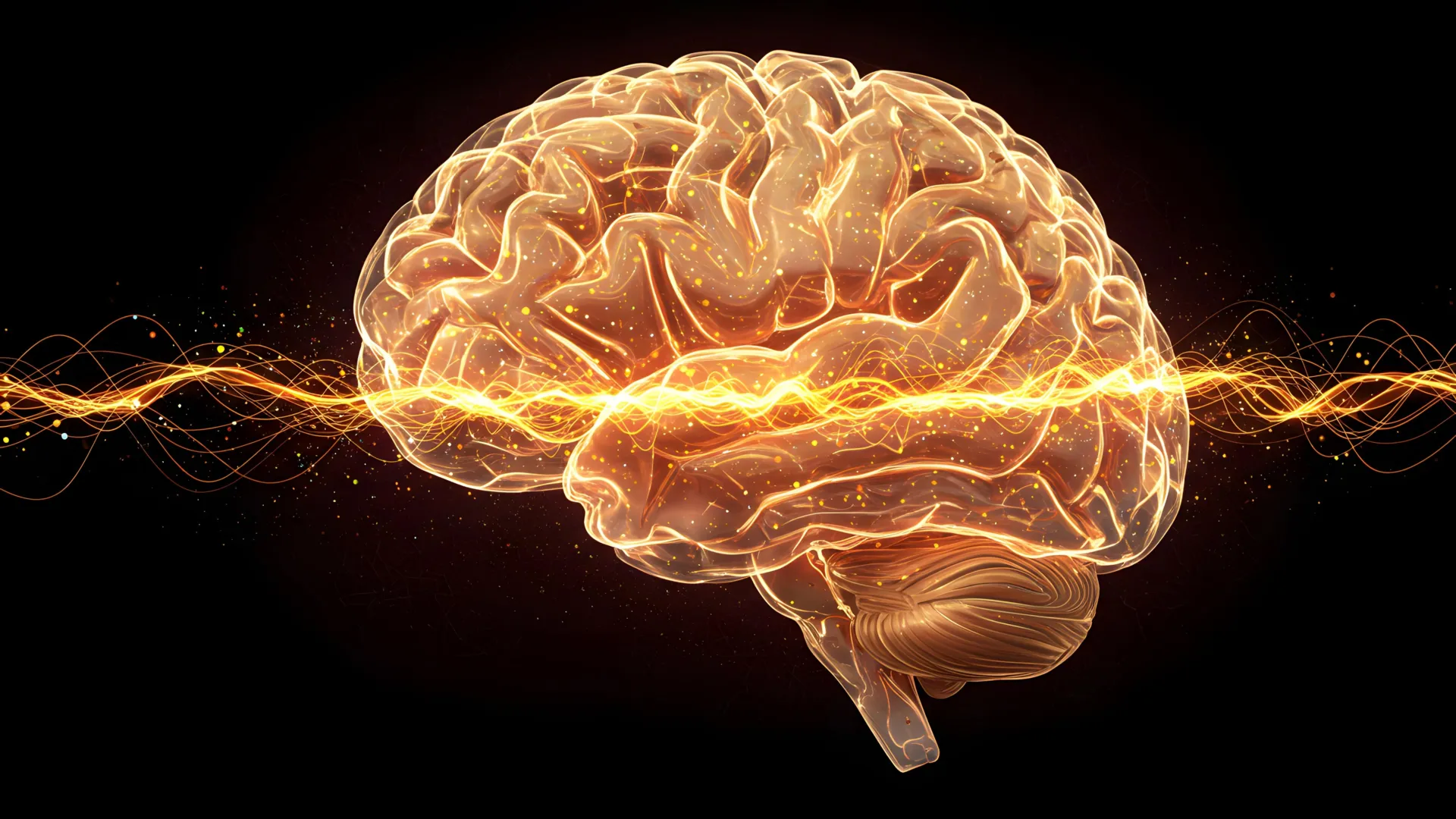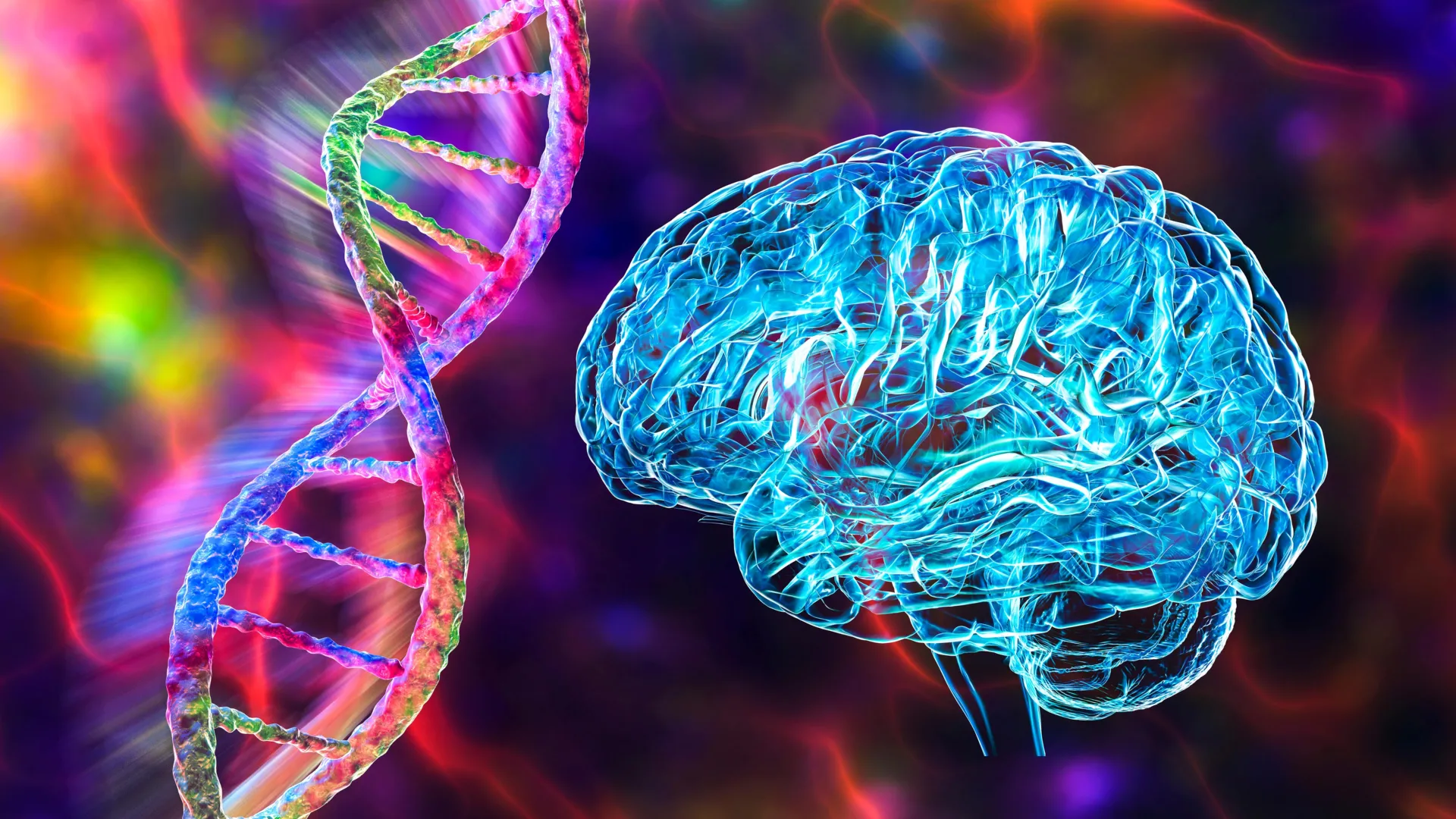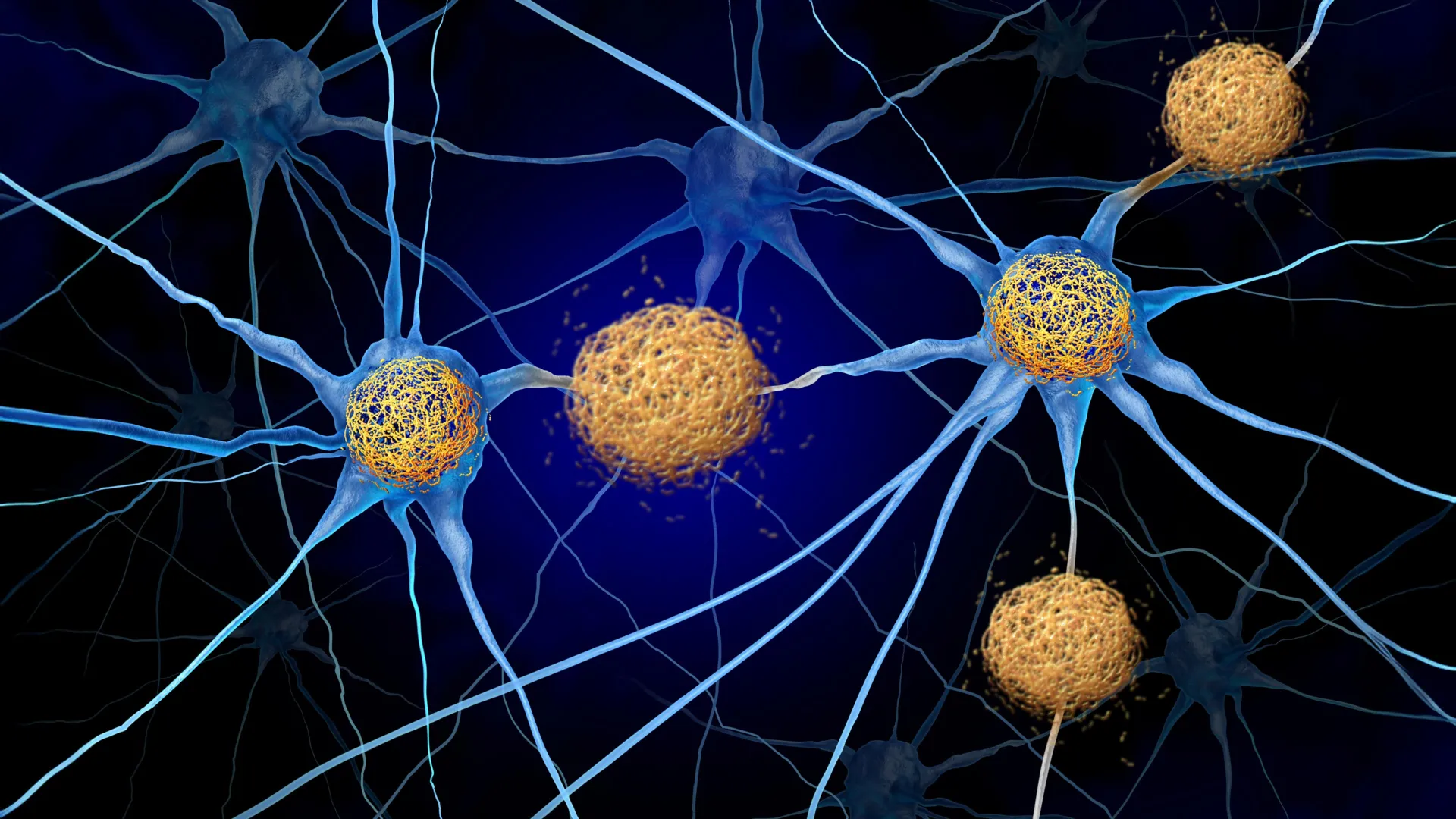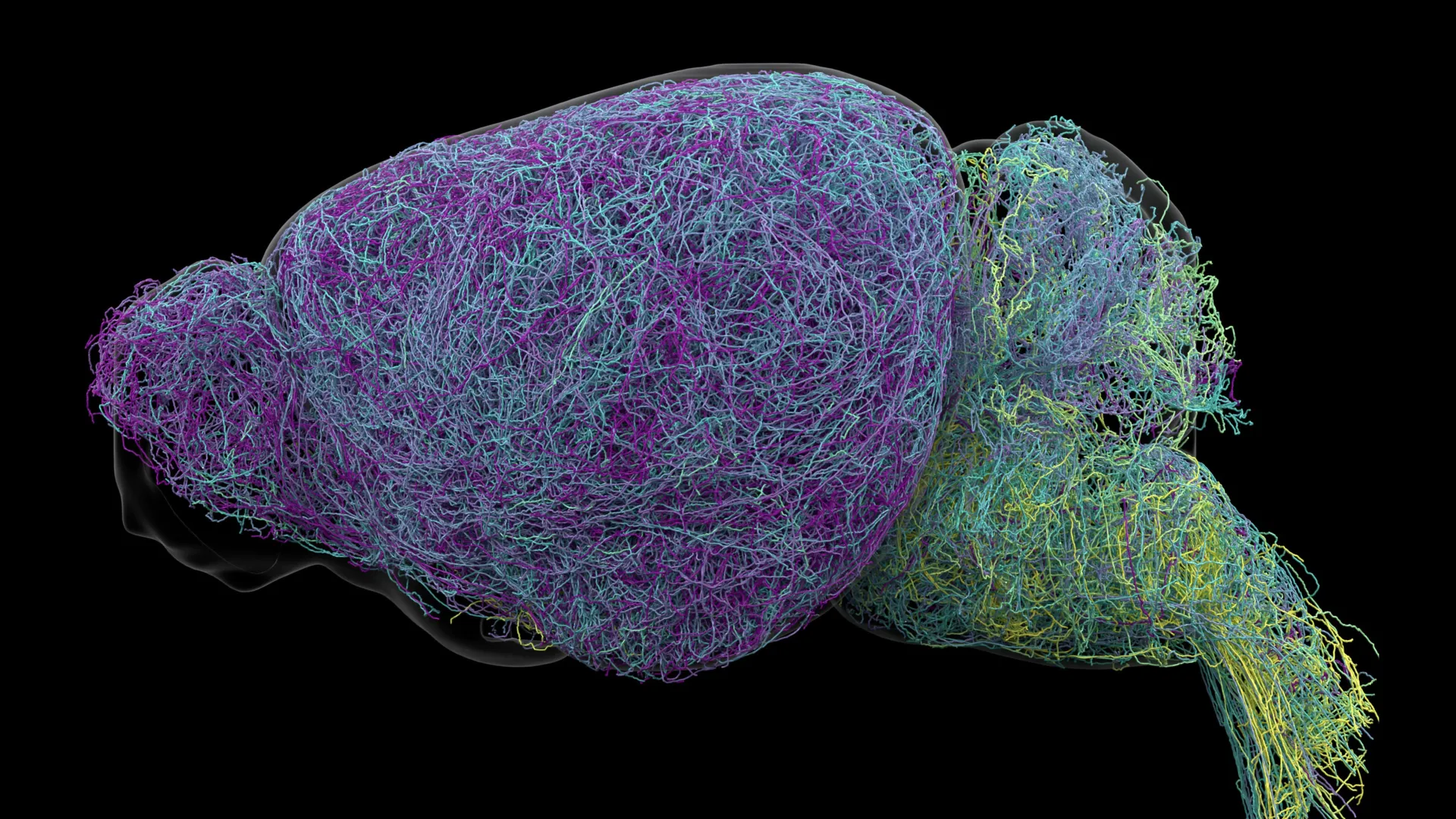
The neurobiological foundations of Attention-Deficit/Hyperactivity Disorder (ADHD) have long been a focal point of clinical research, yet the precise mechanisms that trigger sudden lapses in focus remain a subject of intense investigation. A groundbreaking study published in the peer-reviewed journal JNeurosci has identified a potential culprit: brief, intrusive bursts of sleep-like brain activity that occur during periods of wakefulness. Led by Elaine Pinggal and a team of researchers from Monash University, the study provides compelling evidence that these "micro-sleep" episodes are significantly more frequent in adults with ADHD and serve as a primary driver for the attention inconsistencies that characterize the disorder.
By comparing the neurological profiles of adults with ADHD against neurotypical counterparts, the Monash University team has shed light on why individuals with the condition often struggle with sustained concentration, even when they are actively attempting to engage with a task. The findings suggest that the ADHD brain may be prone to "local sleep," a phenomenon where specific regions of the brain temporarily go offline or enter a slow-wave state while the individual remains otherwise awake. This discovery could pave the way for novel, non-pharmacological interventions aimed at stabilizing brain states and improving the quality of life for millions of adults worldwide.
Investigating the Neurological Architecture of Inattention
To understand the relationship between brain state transitions and ADHD, Pinggal’s team designed a controlled experimental environment involving 63 adult participants. The cohort was divided into two distinct groups: 32 adults diagnosed with ADHD and 31 neurotypical adults who served as the control group. A critical component of the methodology required the ADHD participants to cease their regular medication—such as stimulants like methylphenidate or non-stimulants like atomoxetine—prior to the study. This "washout" period ensured that the researchers were observing the brain’s natural, unmedicated state, free from the chemical stabilization provided by pharmaceutical intervention.
The participants were tasked with completing a sustained attention protocol, a mentally taxing exercise designed to measure the brain’s ability to remain focused over an extended period. During this task, researchers utilized high-density electroencephalography (EEG) to monitor electrical activity across the scalp. The objective was to detect specific patterns of slow-wave activity—typically associated with deep, non-REM sleep—that might emerge during the wakeful task.
The results were stark. The data revealed that individuals in the ADHD group experienced significantly more frequent episodes of sleep-like brain activity compared to the control group. These bursts were not merely incidental; they were statistically correlated with "attentional lapses," such as missed cues or incorrect responses during the task. The research indicates that these neurological intrusions act as a biological "glitch," momentarily interrupting the flow of information processing and leading to the erratic performance often observed in clinical ADHD settings.
The Chronology of ADHD Research and the Shift Toward Arousal Theory
The study by Monash University represents the latest chapter in a decades-long effort to map the ADHD brain. Historically, ADHD was primarily viewed through the lens of behavioral psychology, often dismissed as a lack of discipline or a failure of willpower. However, the late 20th century saw a shift toward the "dopamine hypothesis," which suggested that ADHD was caused by a deficiency in the brain’s reward and motivation circuits.
By the early 2000s, researchers began focusing on the "Default Mode Network" (DMN)—a series of brain regions that are active when the mind wanders. It was hypothesized that in people with ADHD, the DMN fails to deactivate properly when a task begins, leading to internal distraction. The current study by Pinggal and her colleagues builds upon this by moving into the realm of "arousal regulation."
The "Arousal Regulation Model" of ADHD suggests that the brains of affected individuals struggle to maintain an optimal level of alertness. When the brain’s arousal levels drop, it may instinctively attempt to compensate by seeking stimulation (hyperactivity) or, as this study suggests, by succumbing to brief bouts of "local sleep." This timeline of discovery highlights a move away from purely behavioral explanations toward a sophisticated understanding of how the brain manages its own energy and state of consciousness.
Data Analysis: Linking Brain Waves to Task Performance
The quantitative data derived from the JNeurosci study offers a detailed look at how sleep-like activity manifests as functional impairment. In the ADHD cohort, the researchers observed three primary indicators of performance degradation:
- Increased Error Rates: Participants with higher frequencies of slow-wave intrusions were more likely to commit "errors of commission" (pressing a button when they shouldn’t) and "errors of omission" (failing to press a button when they should).
- Reaction Time Variability (RTV): One of the hallmarks of ADHD is inconsistent reaction times. The study found that sleep-like activity directly contributed to "wavering" reaction times, where a participant might respond quickly to one stimulus but significantly slower to the next.
- Subjective Sleepiness: Beyond the EEG data, participants with ADHD reported higher levels of "task-induced sleepiness." This suggests that the mental effort required to maintain focus actually accelerates the brain’s transition into a sleep-like state, creating a paradoxical cycle of fatigue.
Analysis of the EEG topography showed that these sleep-like waves were often localized in the frontal and parietal lobes—areas of the brain responsible for executive function, decision-making, and sensory integration. When these regions "flicker" into a sleep state, the individual loses the ability to filter out distractions or maintain the goal-directed persistence required for complex tasks.
The "Local Sleep" Phenomenon: A Normal Mechanism in Overdrive
A key takeaway from Elaine Pinggal’s analysis is that sleep-like brain activity is not inherently pathological. In fact, it is a universal biological response to cognitive exhaustion.
"Sleep-like brain activity is a normal phenomenon that happens during demanding tasks," Pinggal explained. She utilized the analogy of physical exercise to describe the brain’s behavior: "Think of going for a long run and getting tired after a while, which makes you pause to take a break. Everyone experiences these brief moments of sleep-like activity."
However, the distinction lies in the threshold and frequency. In neurotypical individuals, the brain is generally resilient enough to suppress these "breaks" until the task is complete or until overall fatigue is high. In the ADHD brain, the threshold for these intrusions is much lower. The "mental break" occurs involuntarily and prematurely. This suggests that the ADHD brain may be in a chronic state of "under-arousal," making it hypersensitive to the fatigue induced by sustained mental effort.
Expert Reactions and the Scientific Consensus
While the Monash University study is a significant step forward, it aligns with a growing body of international research regarding the "sleep-ADHD connection." Neurologists and sleep specialists have long noted that a high percentage of ADHD patients—up to 80% in some clinical settings—suffer from comorbid sleep disorders, such as delayed sleep phase syndrome or restless leg syndrome.
Dr. Stephen Faraone, a leading expert in ADHD genetics and a professor at SUNY Upstate Medical University (not involved in this specific study), has previously noted that the boundary between "sleepiness" and "inattention" is often blurred in clinical diagnoses. Commentators in the field suggest that Pinggal’s work provides the "missing link" by showing that the sleep problems associated with ADHD are not just happening at night; they are intruding into the day.
The scientific community has reacted with cautious optimism. If ADHD is, in part, a disorder of brain-state regulation, then treatments that target the brain’s ability to stay "awake" at a cellular level could revolutionize the field. This would move the focus of treatment from simply "calming the person down" or "increasing motivation" to "stabilizing the brain’s wakefulness."
Future Directions: Auditory Stimulation as a Potential Therapy
The most promising implication of this research lies in the development of new treatments. The study points toward a specific avenue of exploration: the enhancement of sleep quality to improve daytime wakefulness.
Previous neurological research has demonstrated that auditory stimulation—specifically "pink noise" or rhythmic clicks played at specific intervals during sleep—can enhance "slow-wave activity" (SWA) during the night. SWA is the hallmark of deep, restorative sleep. By strengthening the quality of sleep during the night, researchers believe they can reduce the brain’s "pressure" to seek sleep-like states during the day.
Pinggal suggests that the next logical step is to test whether this auditory stimulation can be used as a targeted intervention for ADHD. "A possible next step is to test whether this same method could reduce daytime sleep-like brain activity in people with ADHD," she noted. If a wearable device or a bedside system could improve the "efficiency" of an ADHD individual’s sleep, it might naturally decrease the frequency of daytime attention lapses without the side effects often associated with stimulant medications, such as anxiety, appetite loss, or insomnia.
Broader Impact and Clinical Implications
The implications of this study extend beyond the laboratory and into the daily lives of the millions of adults living with ADHD. Understanding that attention lapses are rooted in a biological "sleep intrusion" rather than a lack of effort can help reduce the stigma associated with the condition.
For clinicians, this research emphasizes the importance of screening ADHD patients for sleep quality. It suggests that treating a patient’s sleep disorder might be just as important as treating their focus issues. For employers and educators, it provides a scientific basis for implementing "brain breaks" or flexible task structures that accommodate the ADHD brain’s need for periodic recovery.
Furthermore, this research contributes to a broader understanding of human productivity. As the modern world becomes increasingly demanding, the phenomenon of "local sleep" may become more prevalent even in the neurotypical population. By studying ADHD, researchers are gaining insights into the fundamental limits of the human brain and the biological necessity of rest.
Conclusion: A New Paradigm for ADHD Management
The Monash University study, published in JNeurosci, marks a significant shift in the neuroscientific narrative of ADHD. By identifying frequent sleep-like brain activity as a key mechanism of inattention, Elaine Pinggal and her team have provided a tangible, measurable target for future research and therapy.
As the medical community continues to move away from purely behavioral descriptions of ADHD, findings like these offer hope for a more empathetic and effective approach to treatment. Whether through auditory stimulation, improved sleep hygiene, or next-generation pharmaceuticals, the goal remains the same: helping the ADHD brain stay "online" and engaged with the world around it. The discovery that the brain is essentially trying to take a "micro-nap" during a task provides a clear path forward in the quest to unlock the full potential of those living with the disorder.