In a significant advancement for the field of hematology and regenerative medicine, researchers at Weill Cornell Medicine have identified a single molecular switch that governs the transition of blood stem cells from a dormant state to an active, regenerative one. This discovery, published in the journal Nature Immunology, centers on a protein known as FLI-1, which serves as a master regulator of the genetic programs required for blood stem cells to multiply and repair damaged tissue. The findings suggest a transformative path forward for improving the efficacy of bone marrow transplants and the scalability of gene therapies, particularly for patients with limited or compromised stem cell supplies.
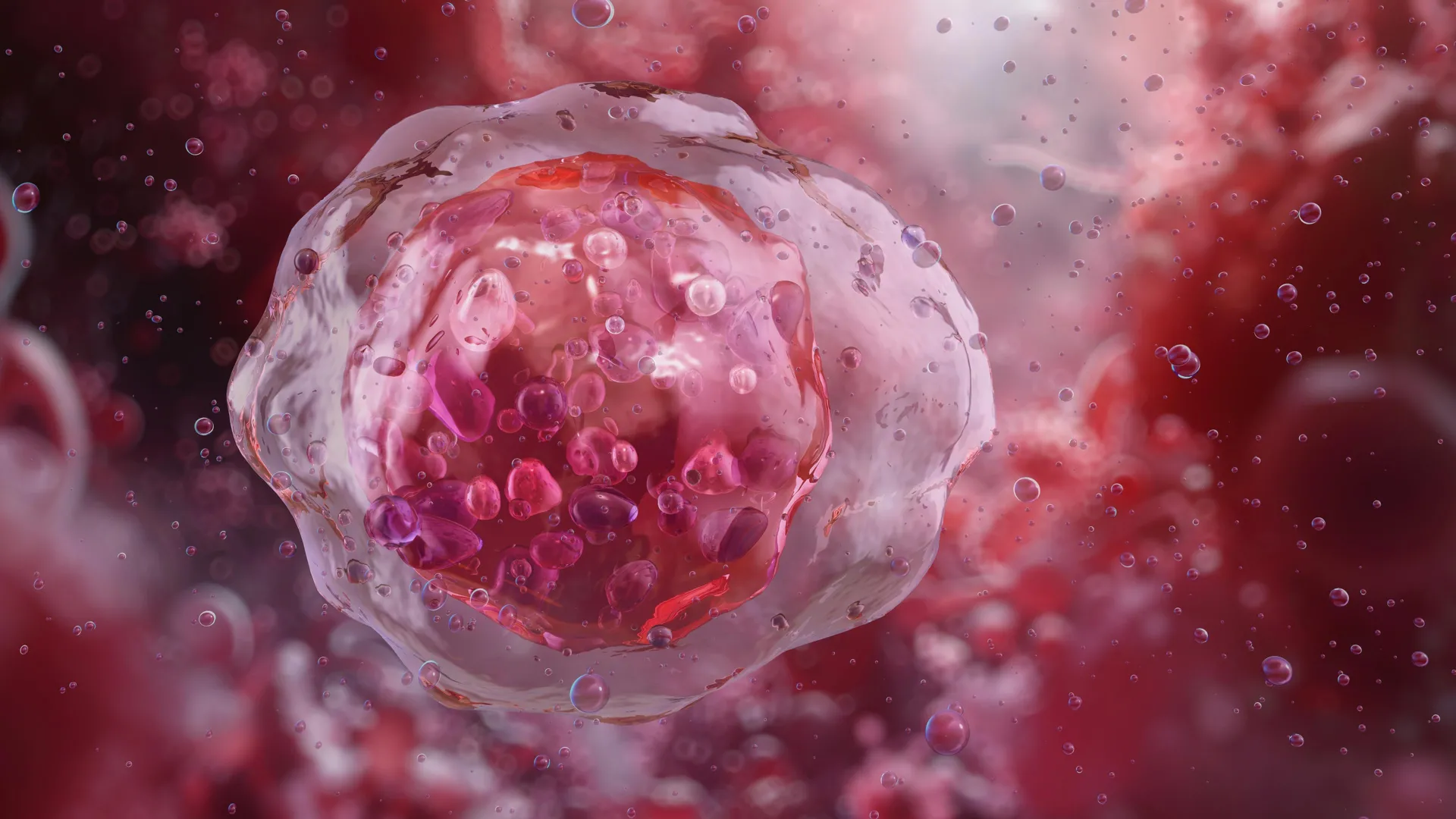
Stem cells, the body’s primary internal repair system, are immature cells capable of differentiating into various functional cell types. In the context of the blood system, hematopoietic stem cells (HSCs) are responsible for the continuous production of red blood cells, white blood cells, and platelets. Under normal physiological conditions, these cells reside in a state of "quiescence"—a form of biological hibernation characterized by slow division and low metabolic activity. This dormant state protects the long-term integrity of the stem cell pool. However, when the body experiences injury, infection, or severe blood loss, these cells must "wake up" and enter an activated state to rapidly replenish the blood supply.
The research team, led by Dr. Shahin Rafii, director of the Hartman Institute for Therapeutic Organ Regeneration and the Ansary Stem Cell Institute at Weill Cornell Medicine, found that the protein FLI-1 is the critical gatekeeper of this transition. By transiently boosting the levels of FLI-1 in adult bone marrow stem cells, the investigators were able to prompt these cells to expand their numbers rapidly while maintaining their functional potency. This breakthrough addresses a long-standing challenge in clinical medicine: the difficulty of generating enough viable blood stem cells for successful transplantation.
Understanding the Molecular Mechanism of Hematopoietic Activation
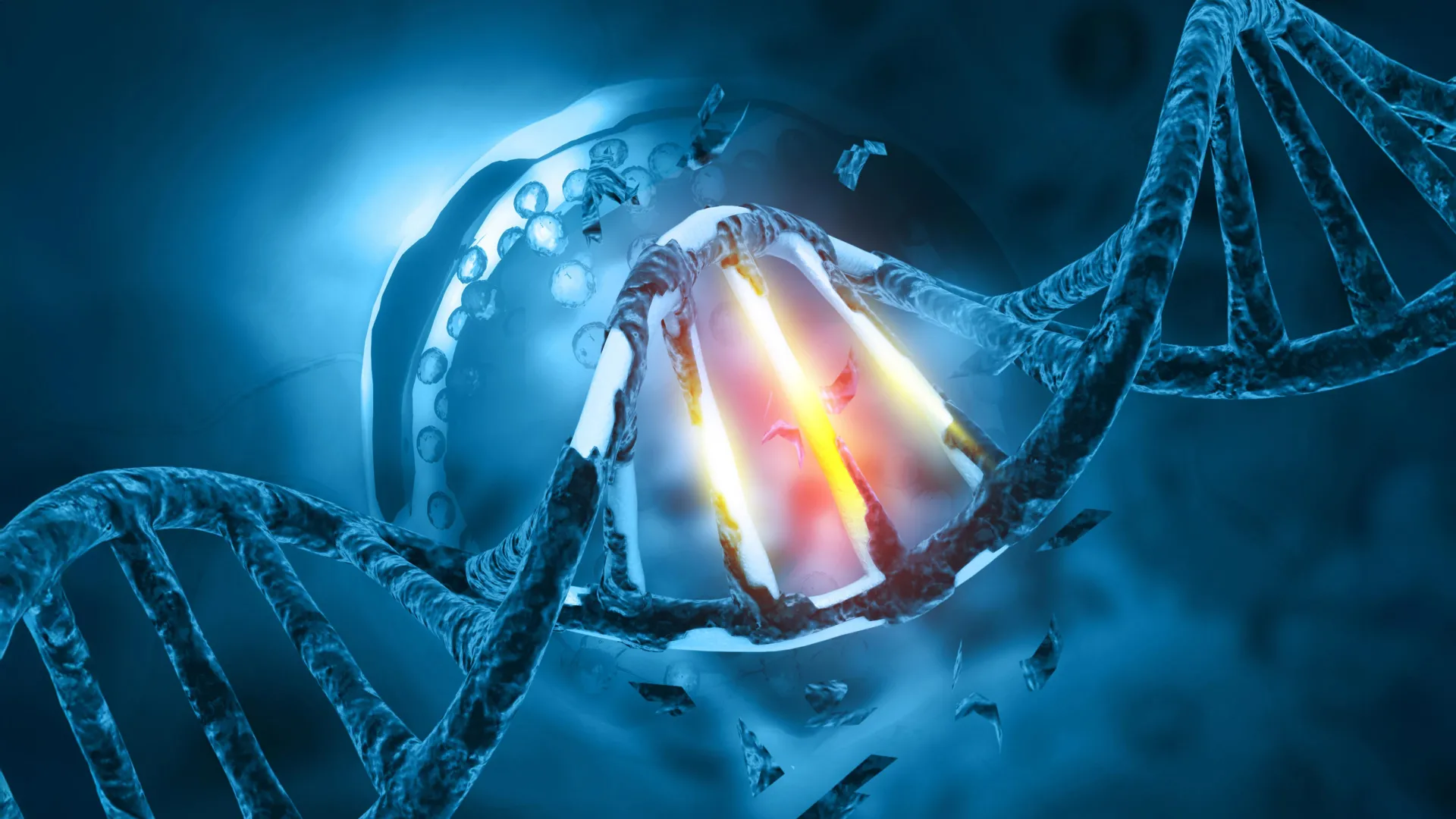
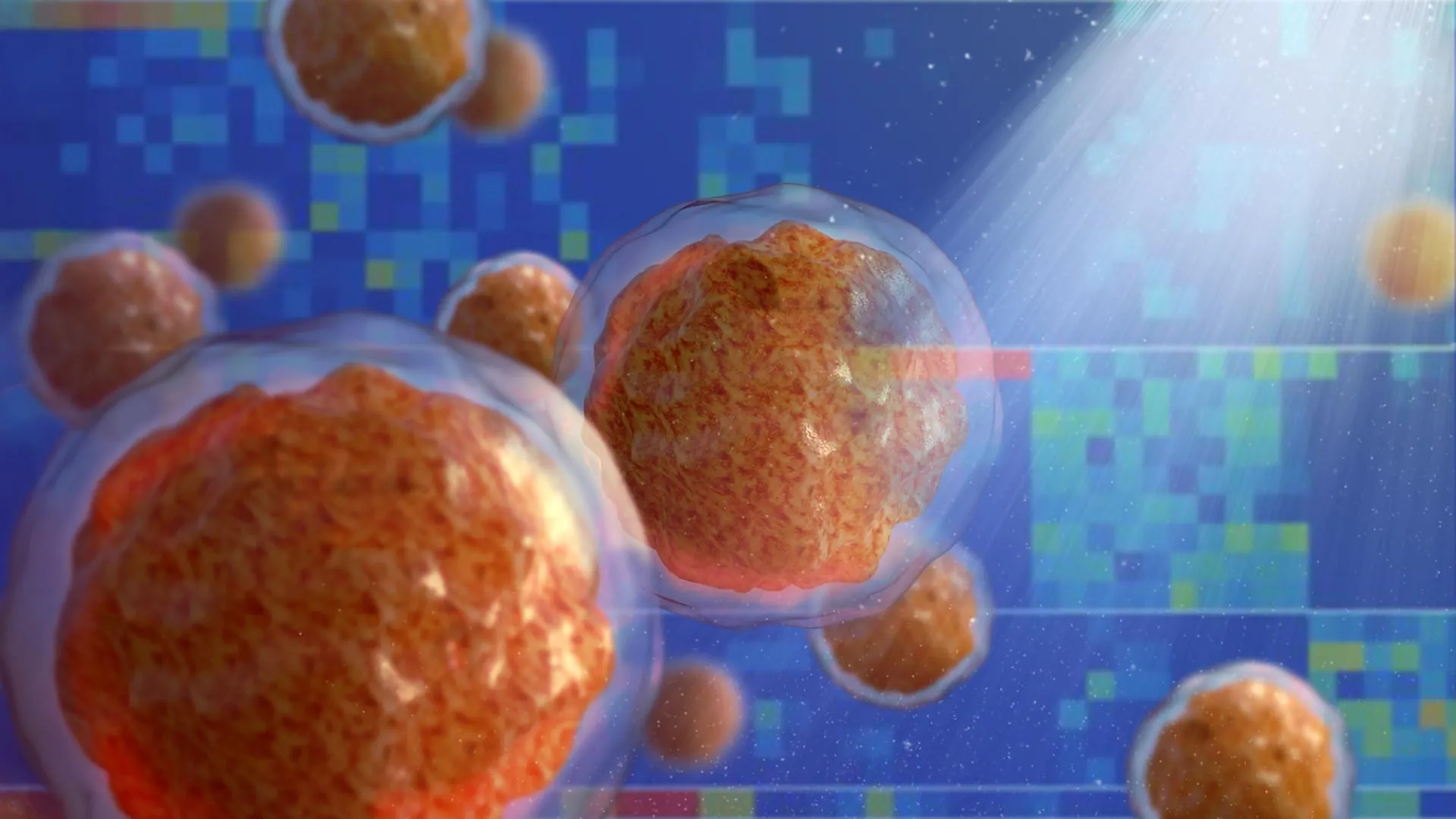
The study utilized sophisticated single-cell profiling and computational analysis to map the genetic landscape of blood stem cells. By comparing the gene expression profiles of quiescent cells with those of activated ones, the researchers pinpointed FLI-1 as a central transcription factor. Transcription factors are specialized proteins that bind to specific DNA sequences, essentially turning thousands of genes "on" or "off" in a coordinated fashion.
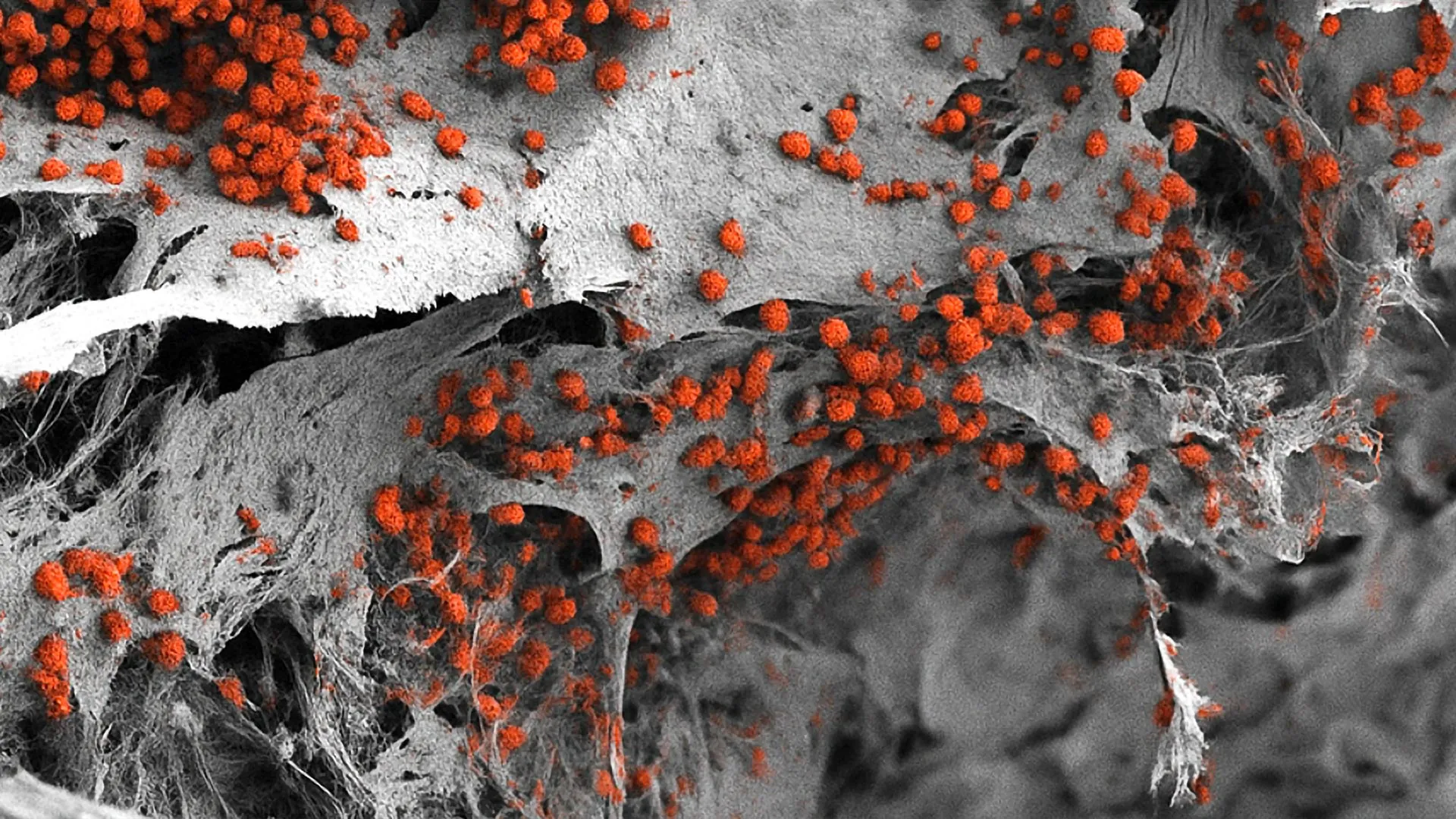
The data revealed that FLI-1 acts as a conductor for a complex genetic symphony. In its absence, blood stem cells remain locked in quiescence, unable to interact effectively with their surrounding environment. Conversely, when FLI-1 is active, it initiates a series of interactions between the stem cells and the "vascular niche"—the network of specialized endothelial cells that line the blood vessels within the bone marrow.
This interaction is not a one-way street. The study clarified that stem cell activation is not entirely autonomous; it requires a high degree of co-adaptability between the stem cells and the endothelial cells. FLI-1 facilitates this synergy by restoring the connections between the stem cells and their microenvironment, allowing the cells to sense and respond to regenerative signals from the vascular niche. This "crosstalk" is essential for the cells to move from the bone marrow into the bloodstream, a process known as mobilization, which is a prerequisite for many therapeutic applications.
Overcoming the Limitations of Quiescent Stem Cells
The clinical implications of this discovery are vast, particularly for patients requiring bone marrow or hematopoietic stem cell transplants. Currently, these procedures are used to treat various forms of leukemia, lymphoma, and other blood disorders. However, the success of a transplant often depends on the quantity and quality of the donor cells.
In many cases, donors—especially those who are older or have undergone extensive chemotherapy and radiation—may have a depleted or "exhausted" supply of blood stem cells. These cells are often difficult to activate and expand in a laboratory setting, leading to poor engraftment and higher risks of complications for the recipient. By using FLI-1 to "prime" these cells, clinicians could potentially transform a limited supply of dormant cells into a robust, regenerative population.
"The approach we outlined in this study could substantially improve the efficiency of marrow transplants and marrow-cell-targeted gene therapies," said senior author Dr. Shahin Rafii. He noted that the ability to safely switch quiescent cells into a more active state is a critical requirement for modern precision medicine, particularly when dealing with vulnerable stem cell populations that must be manipulated outside the body before being re-infused into a patient.
A Safety-First Approach Using Modified mRNA Technology
While FLI-1 is a powerful tool for cell activation, its permanent overactivity has historically been linked to the development of certain leukemias. This presented a significant hurdle for the research team: how to harness the regenerative power of FLI-1 without inducing oncogenic (cancer-causing) transformation.
To solve this, the researchers looked to the technology behind modern mRNA vaccines. Instead of permanently altering the stem cells’ genetic code, they developed a method to introduce FLI-1 using modified mRNA. This approach allows for the "transient" production of the protein. The stem cells receive a temporary boost of FLI-1 that lasts for only a few days—just long enough to wake them from hibernation and initiate the expansion process—before the mRNA naturally degrades.
Dr. Tomer Itkin, study co-first author and director of Tel Aviv University’s Neufeld Cardiovascular Research Institute, emphasized the safety of this method. "The stem cells we prime with FLI-1 modified mRNA in this way wake up from hibernation, expand and functionally and durably engraft in the recipient host, without any evidence of cancer," he stated. This temporary "pulse" of activity ensures that the cells regain their regenerative capacity without the long-term risks associated with permanent genetic modification.
Comparative Potency: Umbilical Cord vs. Adult Stem Cells
One of the most intriguing findings of the study involved a comparison between adult blood stem cells and those derived from human umbilical cords. For decades, hematologists have observed that umbilical cord blood stem cells possess a significantly higher regenerative potential and are easier to transplant than their adult counterparts. However, the underlying molecular reason for this difference remained a mystery.
The Weill Cornell team demonstrated that this disparity is directly linked to FLI-1. Umbilical cord-derived stem cells naturally exhibit higher levels of FLI-1 activity, which makes them more adept at interacting with the regenerative vascular niche. By artificially boosting FLI-1 levels in adult stem cells, the researchers were able to "reprogram" them to behave more like the highly potent cord blood cells. This finding provides a blueprint for making adult stem cells as effective as neonatal ones, potentially expanding the pool of viable donors for patients in need.
Implications for Precision Medicine and Gene Therapy
Beyond standard transplants, the discovery of the FLI-1 switch has profound implications for the emerging field of gene therapy. Many gene therapies for blood disorders, such as beta-thalassemia and sickle cell disease, involve harvesting a patient’s own stem cells, inserting a corrected gene in a laboratory, and then expanding those cells before re-infusion.
These cells are often fragile and do not survive the laboratory expansion process well. Priming these cells with FLI-1 could significantly increase their survival and engraftment rates. This would not only make existing gene therapies more successful but could also reduce the time and cost associated with these complex treatments.
Furthermore, the study’s emphasis on the "vascular niche" highlights a shift in how scientists view tissue regeneration. Rather than focusing solely on the stem cell in isolation, the research underscores the importance of the environment in which the cell lives. The bioinformatics analysis led by co-first author Sean Houghton provided a high-resolution view of how FLI-1 integrates with known signaling pathways, such as those governing cell survival and self-renewal, within the context of this environment.
Looking Ahead: The Path to Clinical Implementation
The research was a collaborative effort involving multiple departments at Weill Cornell Medicine, including the Englander Institute for Precision Medicine and the Sandra and Edward Meyer Cancer Center. It was supported by several branches of the National Institutes of Health (NIH), reflecting the study’s broad relevance to cardiovascular, kidney, and immune health.
The next steps for the research team involve scaling up the modified mRNA-based method for human applications. This will involve further preclinical trials to ensure the protocol is optimized for different types of blood disorders and patient profiles. The ultimate goal is to move into human clinical trials, where the FLI-1 switch could be used to treat a wide range of hematologic conditions with long-term stability and safety.
As the medical community moves toward more personalized and regenerative approaches, the identification of FLI-1 as a master regulator of blood stem cell activation marks a pivotal moment. By mastering the "on" switch for biological regeneration, scientists are one step closer to making the promise of stem cell therapy a reliable reality for millions of patients worldwide. This discovery not only solves a fundamental biological puzzle but also provides a practical, safe, and effective tool for the future of hematology.