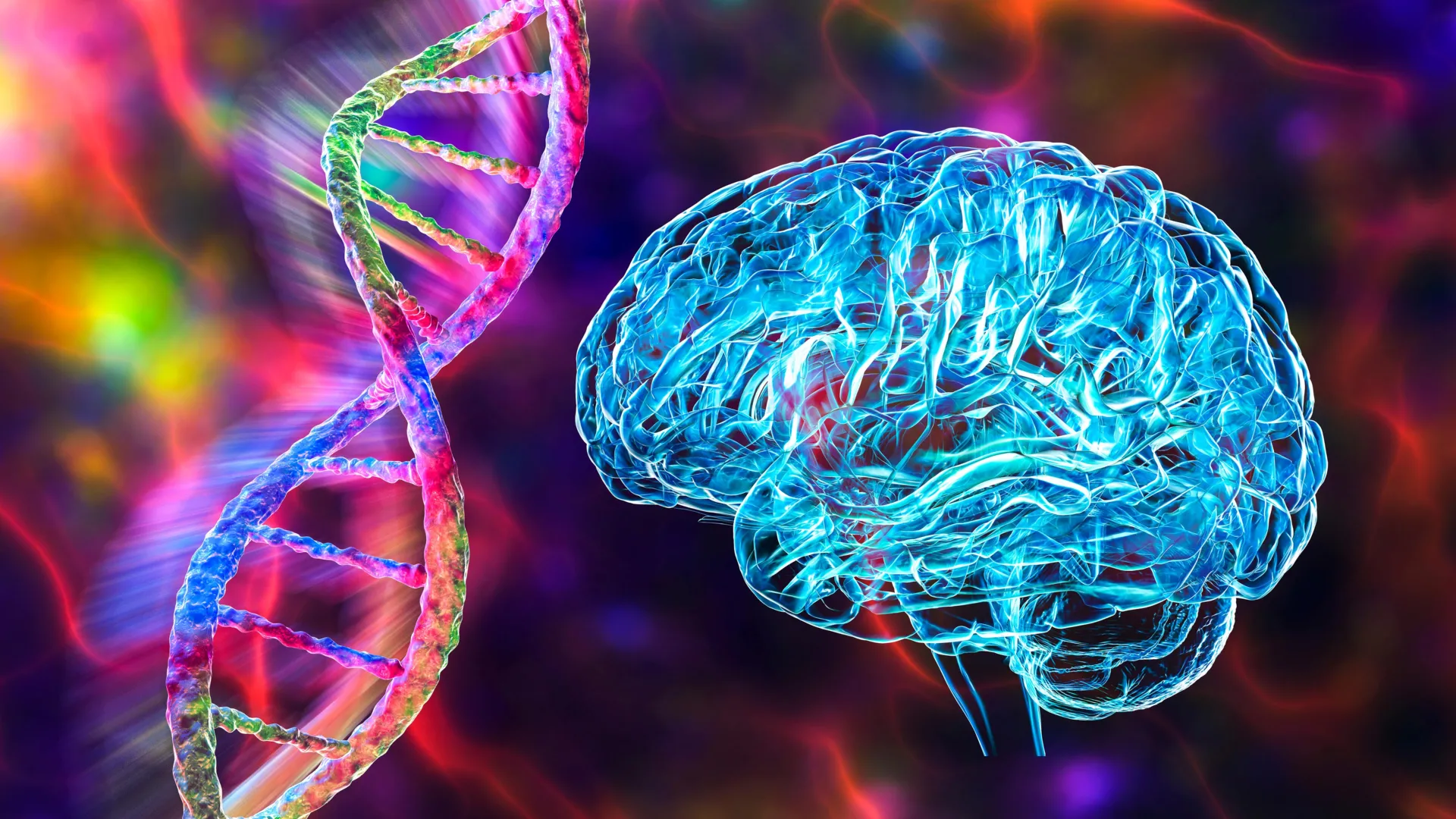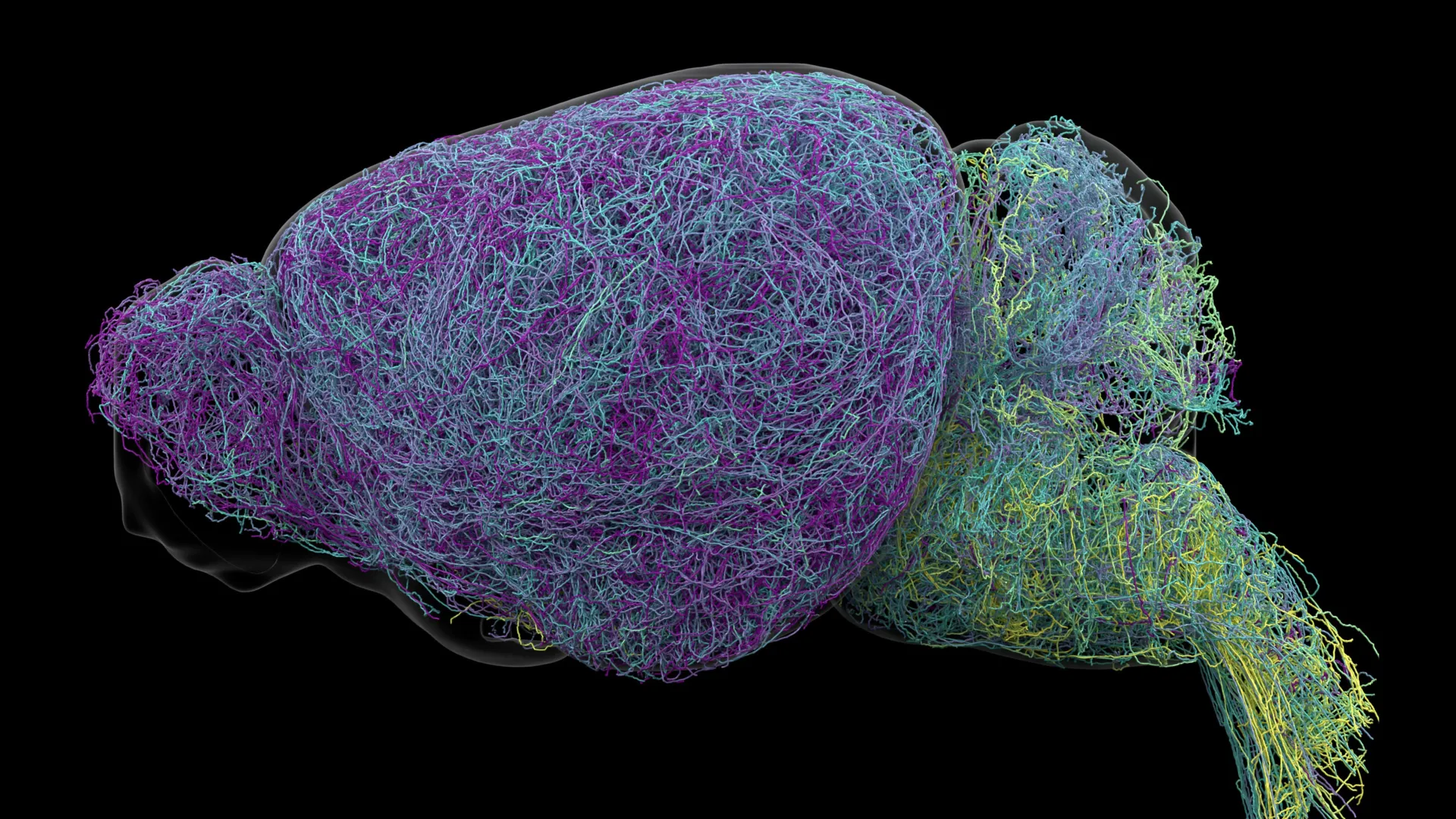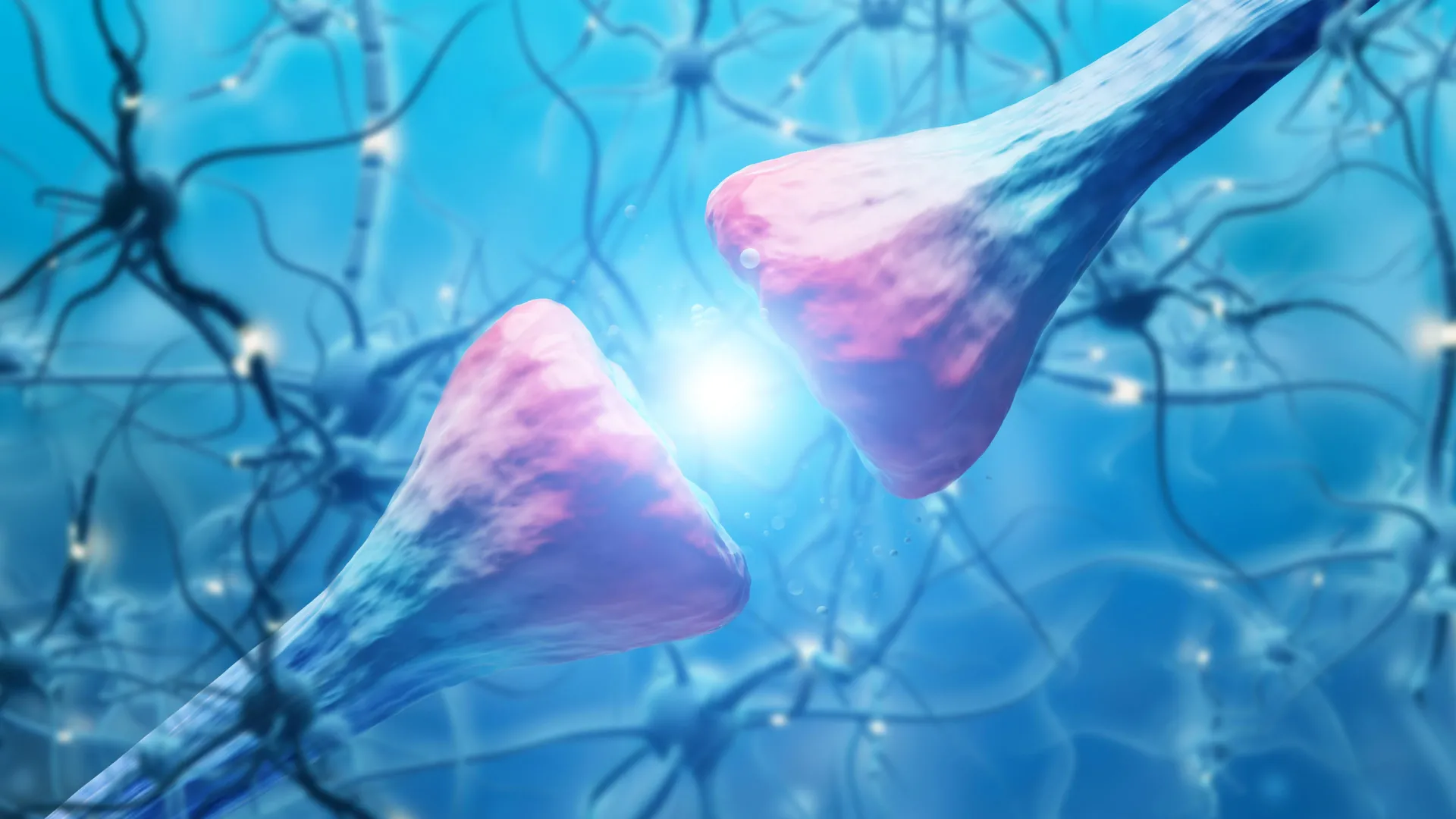
The long-standing perception of substance abuse as a failure of personal resolve is being further dismantled by emerging neuroscience, as a landmark study from Michigan State University reveals that cocaine addiction is rooted in profound, lasting biological alterations within the brain’s architecture. This research, published in the journal Science Advances and supported by the National Institutes of Health (NIH), demonstrates that chronic cocaine exposure triggers specific genetic switches in the hippocampus—the region of the brain primarily responsible for memory and learning—making the impulse to return to the drug a physiological imperative rather than a mere psychological choice. By identifying the molecular drivers of these changes, scientists are paving the way for the first FDA-approved pharmacological treatments specifically designed to combat cocaine dependency.
For decades, the medical community has struggled to address cocaine addiction with the same efficacy applied to opioid use disorders. While opioids present a clear path for medication-assisted treatment through agonists and antagonists, cocaine has remained elusive, largely because its withdrawal symptoms are more neurological than physical. However, the MSU study provides a new roadmap by focusing on the hippocampus, an area previously overshadowed by the brain’s "reward center," the nucleus accumbens, in addiction research. The findings suggest that cocaine does not just make the brain crave pleasure; it rewires the brain’s memory systems to ensure that the drug remains the central focus of an individual’s existence.
The Molecular Catalyst: Understanding DeltaFosB and the Genetic Switch
At the heart of the Michigan State University study is a protein known as DeltaFosB. Researchers have long known that this protein is linked to various forms of addiction, but the new study, led by Andrew Eagle, a former postdoctoral researcher in the laboratory of Professor A.J. Robison, pinpointed its specific function within the hippocampal circuits. Using advanced CRISPR-Cas9 gene-editing technology, the research team was able to observe how DeltaFosB acts as a "genetic switch" within mouse models.
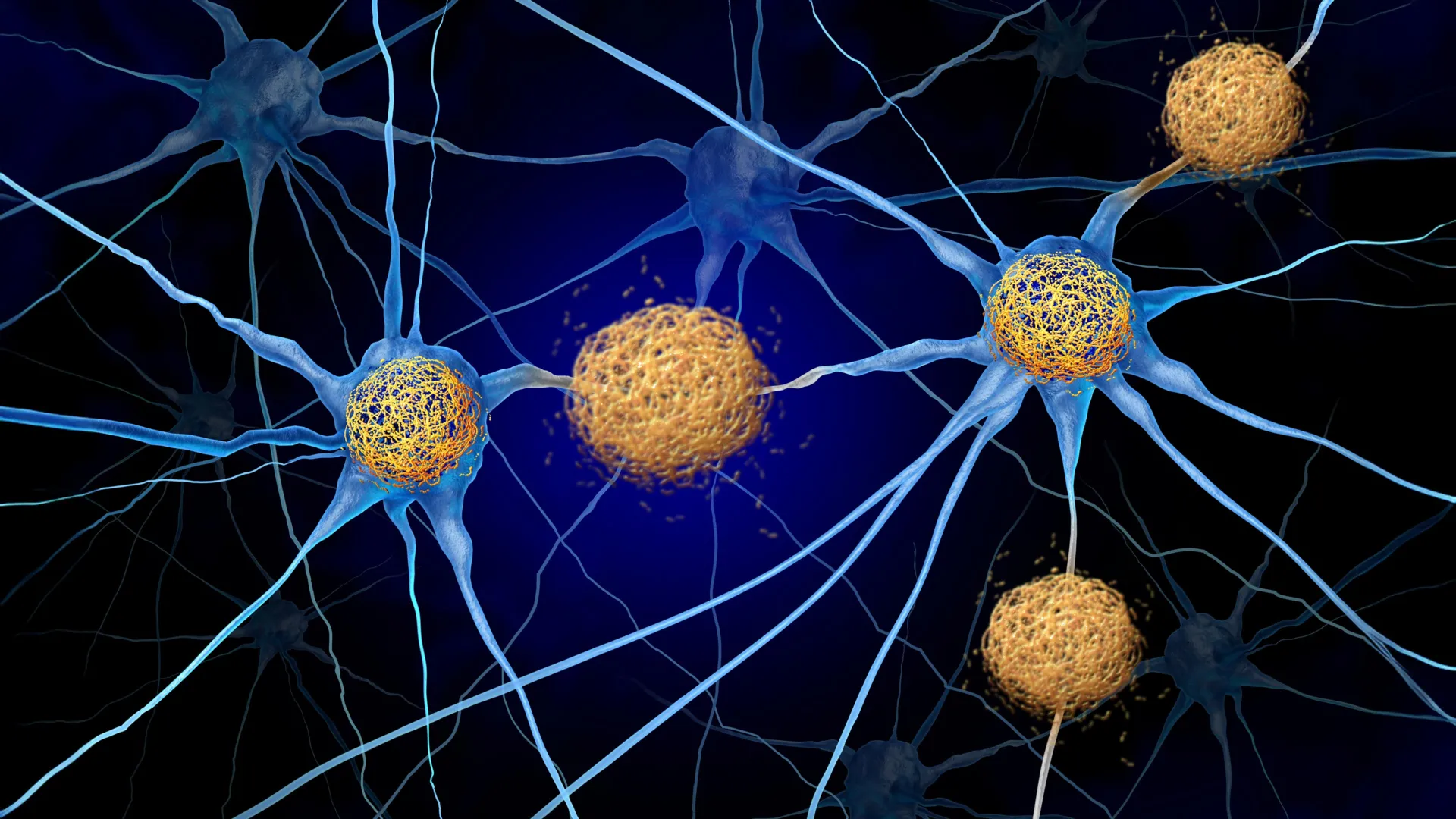
When an individual consumes cocaine, the drug induces a surge of dopamine, which in turn triggers the production of DeltaFosB. As the drug use becomes chronic, this protein accumulates within the neurons of the hippocampus. Once it reaches a critical threshold, DeltaFosB begins to activate or suppress a suite of other genes. This molecular cascade effectively "locks" the brain into a state of heightened sensitivity to the drug. The study found that DeltaFosB is not merely a byproduct of drug use but is a necessary component for the behavioral changes associated with addiction. Without the activity of this protein, the experimental subjects did not exhibit the same compulsive drug-seeking behaviors, even when exposed to cocaine.
This discovery is significant because it identifies a specific target for intervention. By understanding the "switch" that turns on addiction, researchers can begin to look for ways to turn it off. The protein’s role in the hippocampus is particularly vital because it links the euphoria of the drug to the environmental cues and memories associated with its use, creating a powerful "trigger" system that often leads to relapse.
A Chronology of Dependency: How Cocaine Rewires Brain Circuits
The path from initial use to chronic addiction follows a specific biological timeline that the MSU research helps clarify. In the early stages of use, cocaine primarily affects the brain’s reward system, flooding the synapses with dopamine and creating an intense, albeit temporary, sense of euphoria. This creates a "positive reinforcement" loop where the brain seeks to replicate the experience.
However, as use continues over weeks and months, the brain begins to adapt. This is where the hippocampus becomes critical. The MSU study shows that as DeltaFosB levels rise, the hippocampus begins to form hyper-stable memories of the drug use. This transition marks the shift from voluntary use to compulsive addiction. The "reward" becomes less about pleasure and more about satisfying a biological need that the brain has been re-engineered to prioritize above all else.
The researchers also identified a secondary gene regulated by DeltaFosB called calreticulin. This gene plays a vital role in how neurons communicate and signal one another. In the presence of chronic cocaine use, calreticulin levels increase, further accelerating the activity in brain pathways that drive drug-seeking behavior. This creates a self-reinforcing cycle: the more the drug is used, the more these genetic switches are flipped, making it increasingly difficult for the individual to quit without external intervention.
Current Data and the Challenge of Cocaine Relapse
The necessity for this research is underscored by the sobering statistics surrounding cocaine use in the United States. According to the Substance Abuse and Mental Health Services Administration (SAMHSA), at least one million Americans currently struggle with cocaine use disorder. Despite the scale of the problem, there is a glaring lack of medical tools available to clinicians.
Unlike alcohol or opioids, cocaine does not typically produce the life-threatening physical withdrawal symptoms—such as seizures or respiratory distress—that characterize other substances. Instead, the "withdrawal" is a profound psychological and neurological void. This leads to a high rate of recidivism. Current data suggests that approximately 24% of individuals who undergo treatment for cocaine addiction return to weekly use within a year. Furthermore, 18% of those who attempt to quit find themselves enrolling in treatment programs again within the same 12-month period.
These figures illustrate the "revolving door" of addiction treatment, where behavioral therapy alone is often insufficient to overcome the biological changes documented by the MSU team. The study’s senior author, A.J. Robison, a professor of neuroscience and physiology, emphasizes that these statistics are not a reflection of a lack of effort on the part of the patients, but rather a reflection of the disease’s power. "Addiction is a disease in the same sense as cancer," Robison stated, arguing that the medical community must move toward finding "cures" rather than just managing symptoms.
Official Responses and Collaborative Research Efforts
The scientific community has responded to the MSU findings with cautious optimism, recognizing the study as a pivotal step toward a pharmacological solution. The research was heavily supported by the National Institute on Drug Abuse (NIDA), a branch of the NIH, signaling a federal commitment to exploring the molecular basis of addiction.
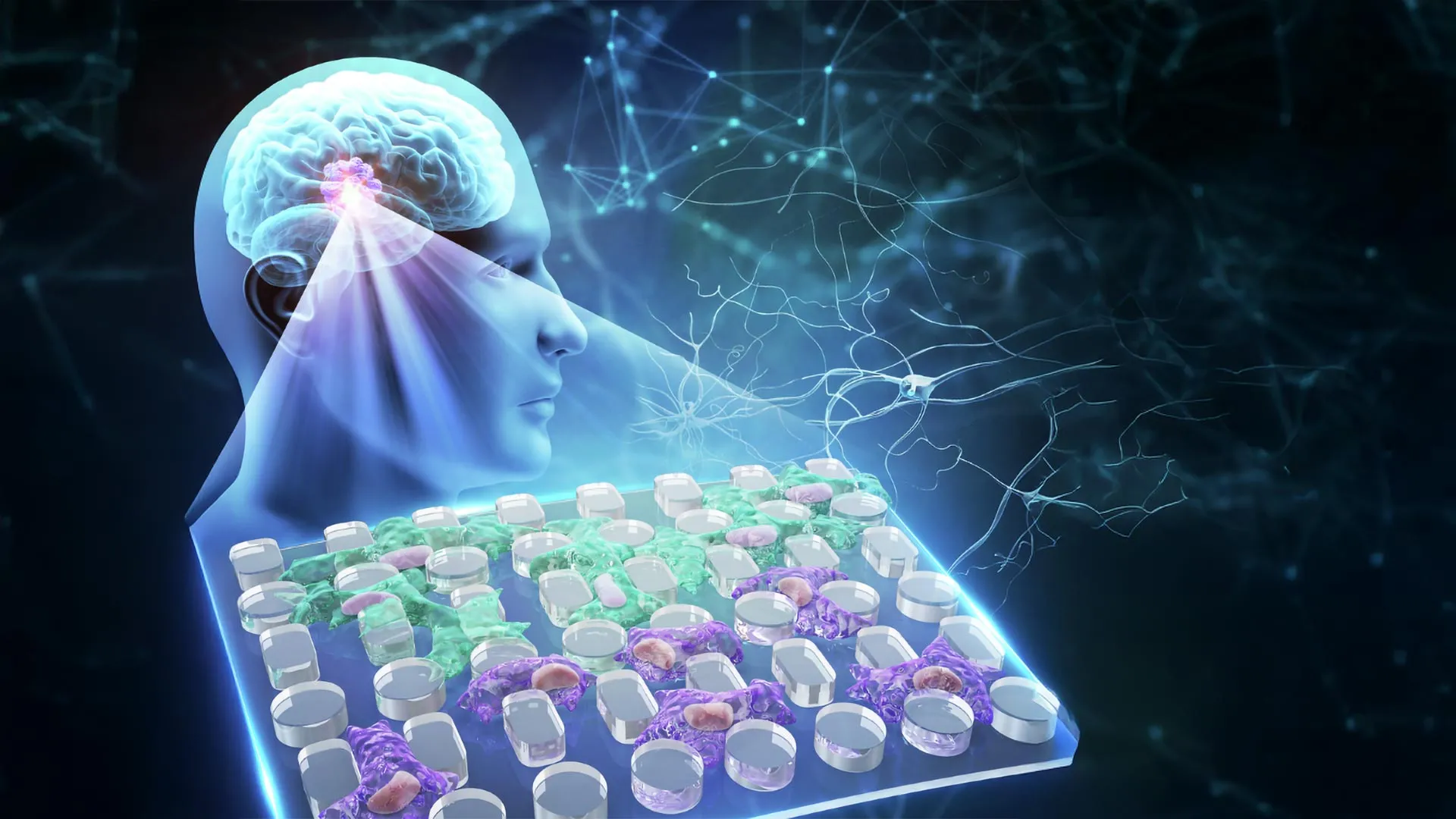
Building on these findings, Robison’s team has entered into a strategic collaboration with researchers at the University of Texas Medical Branch (UTMB) in Galveston. This partnership is focused on the practical application of the study’s results: the development of chemical compounds that can specifically target DeltaFosB. The goal is to create a molecule that can interfere with the way DeltaFosB binds to DNA, effectively preventing it from flipping the "genetic switches" that drive addiction.
While this pharmaceutical development is still in its early stages, the collaboration represents a bridge between basic laboratory science and clinical application. "If we could find the right kind of compound that works in the right way, that could potentially be a treatment for cocaine addiction," Robison noted. He cautioned, however, that while the target has been identified, the process of refining a drug for human use is a multi-year endeavor involving rigorous safety trials and regulatory hurdles.
Broader Implications: Redefining Addiction in Public Policy and Healthcare
The implications of the MSU study extend beyond the laboratory and into the realms of public policy and societal perception. By framing addiction as a "biological change" rather than a "moral failing," this research contributes to a broader movement to destigmatize substance use disorders. When addiction is understood as a series of genetic switches in the hippocampus, the focus shifts from punishment to medical intervention.
From a healthcare perspective, these findings could lead to more personalized treatment plans. The next phase of the MSU research involves investigating how sex differences and hormonal variations affect the DeltaFosB pathway. Preliminary evidence suggests that male and female brains may respond differently to cocaine at a molecular level, which could explain why addiction patterns and relapse triggers often vary by gender. Understanding these nuances will be essential for developing "precision medicine" approaches to addiction.
Furthermore, the study highlights the importance of the hippocampus in the addiction cycle, suggesting that future treatments might also incorporate therapies designed to "retrain" or "re-consolidate" memories. If the hippocampus is where the "drug memories" are stored and reinforced, then neurological interventions combined with new medications could provide a two-pronged attack against the disease.
Future Outlook and Conclusion
The discovery of the role of DeltaFosB and calreticulin in the hippocampal circuits marks a turning point in addiction science. For the first time, researchers have a clear view of the molecular machinery that makes cocaine so uniquely difficult to quit. While the transition from mouse models to human patients requires time, the identification of these genetic targets provides a level of clarity that was previously missing in the field.
The long-term goal of the Michigan State University team and their collaborators at UTMB is to move toward a future where cocaine addiction is treated with the same pharmacological precision as hypertension or diabetes. By addressing the biological "hardware" of the brain, rather than just the "software" of behavior, the medical community may finally be able to offer a lifeline to the millions of individuals currently trapped in the cycle of relapse.
As the research moves into the next phase—exploring sex differences and refining drug compounds—the message from the scientific community is clear: addiction is a complex, multifaceted disease of the brain. The work being done today at MSU is a critical step toward ensuring that the next generation of addiction treatment is defined by science, compassion, and a genuine hope for a permanent cure. Through continued federal support and inter-institutional collaboration, the "genetic switches" of addiction may one day be deactivated, restoring the brain’s natural balance and offering a path to lasting recovery.