The landscape of neurodegenerative research has been significantly altered by a collaborative breakthrough from scientists at UCLA Health and the University of California, San Francisco (UCSF), who have identified the specific genetic and biological mechanisms that allow certain brain cells to resist the accumulation of tau protein. This discovery, published in the prestigious journal Cell, addresses one of the most enduring mysteries in neurology: why some neurons succumb to the ravages of Alzheimer’s disease and frontotemporal dementia while neighboring cells remain seemingly untouched. By mapping the internal defense systems of human neurons, the research team has not only identified a natural "cleanup" complex known as CRL5SOCS4 but also uncovered a previously unknown link between mitochondrial stress and the formation of toxic tau fragments.
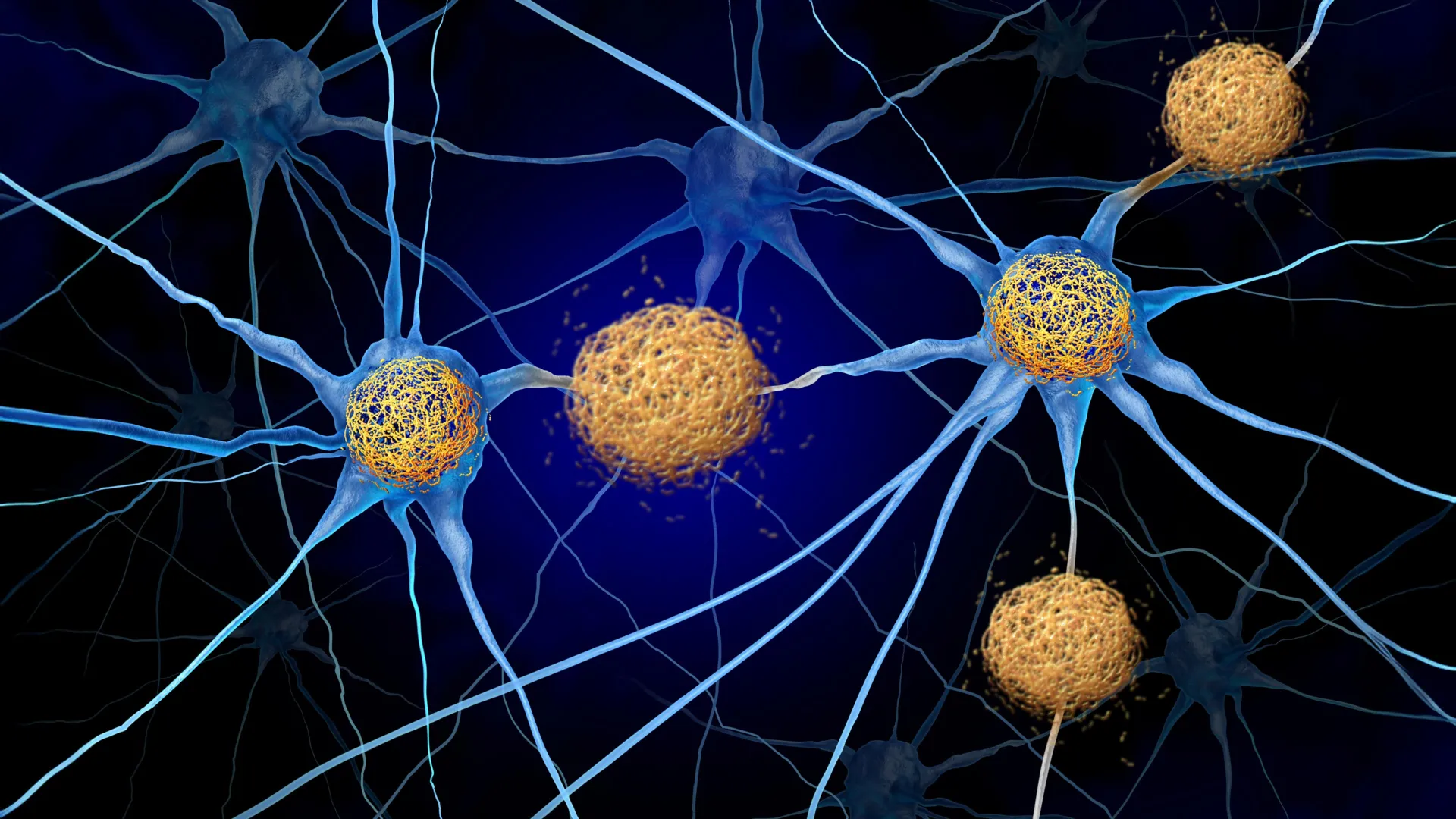
For decades, the study of Alzheimer’s disease was dominated by the "amyloid hypothesis," which posits that the buildup of amyloid-beta plaques is the primary driver of cognitive decline. However, recent clinical developments and a deeper understanding of pathology have shifted the focus toward tau, a protein that normally stabilizes microtubules in the brain but can misfold and aggregate into "tangles." Unlike amyloid plaques, which can appear years before symptoms manifest, the spread of tau tangles correlates closely with the actual onset of cognitive impairment and neuronal death. Despite its importance, the scientific community has struggled to explain the phenomenon of "selective vulnerability"—the observation that specific populations of neurons are highly susceptible to tau pathology while others are remarkably resilient.
The Methodology: CRISPRi and Human Stem Cell-Derived Neurons
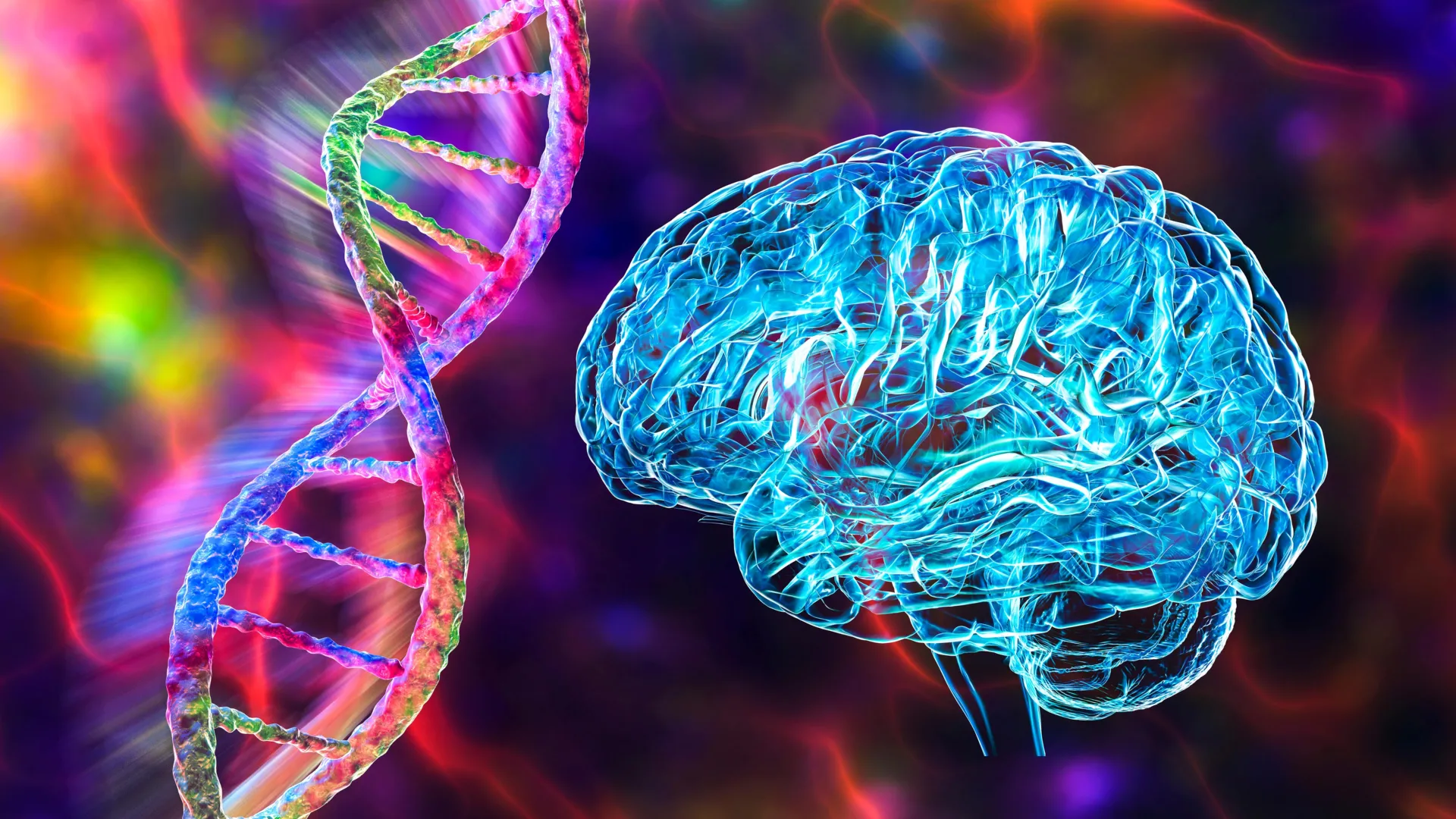
To investigate this disparity, the research team, led by Dr. Avi Samelson, an assistant professor of Neurology at UCLA Health, employed a sophisticated genetic screening technique known as CRISPR interference (CRISPRi). Unlike traditional CRISPR-Cas9, which cuts DNA to disable genes, CRISPRi allows scientists to precisely "dial down" or silence the activity of specific genes without altering the underlying genetic code. This approach was applied to human neurons derived from induced pluripotent stem cells (iPSCs). These lab-grown neurons were engineered to carry a disease-causing mutation, ensuring that the cellular environment accurately mimicked the conditions found in patients with hereditary forms of dementia.
The scale of the study was unprecedented. The researchers systematically silenced nearly every gene in the human genome—approximately 20,000 genes—to observe how each loss affected the levels of tau within the cells. This "unbiased" screening approach meant the team did not start with a preconceived notion of which genes were important; instead, they allowed the data to reveal the most critical players in tau regulation. Out of the thousands of genes tested, more than 1,000 were found to influence tau levels to some degree. However, one specific pathway emerged as a primary regulator of tau stability: the CRL5SOCS4 protein complex.
The Discovery of the CRL5SOCS4 Cleanup System
The CRL5SOCS4 complex belongs to a family of enzymes known as ubiquitin ligases. In the complex world of cellular biology, these enzymes act as "quality control" officers. Their primary function is to identify damaged or excess proteins and "tag" them with a small molecule called ubiquitin. This tag serves as a "kiss of death," signaling the cell’s internal waste disposal unit—the proteasome—to degrade and recycle the marked protein.
The study revealed that CRL5SOCS4 specifically targets tau for degradation. When the activity of this complex is robust, tau levels remain manageable, preventing the formation of toxic clumps. Conversely, when the genes responsible for CRL5SOCS4 are suppressed, tau accumulates rapidly, leading to cellular dysfunction. To move beyond lab-grown models, the researchers analyzed post-mortem brain tissue from patients who had died of Alzheimer’s disease. They discovered a striking correlation: neurons that had naturally higher levels of the CRL5SOCS4 components were the ones that had survived the longest in the diseased brain. This finding provides strong evidence that the CRL5SOCS4 system is a critical determinant of neuronal resilience in humans.
Mitochondrial Stress and the Emergence of NTA-tau
In addition to the discovery of the CRL5SOCS4 pathway, the study highlighted a secondary, equally significant mechanism involving the mitochondria—the "powerhouses" of the cell. It has long been known that mitochondrial dysfunction and oxidative stress are hallmarks of aging and neurodegeneration, but the direct link to tau pathology has been murky.
The UCLA and UCSF researchers found that when mitochondria are stressed or damaged, they trigger a cascade that compromises the cell’s protein-recycling efficiency. Specifically, mitochondrial distress impairs the proteasome’s ability to fully break down tau. Instead of being completely destroyed, the tau protein is partially cleaved, resulting in a specific fragment measuring approximately 25 kilodaltons.
This fragment is particularly significant because it closely matches a known biomarker found in the cerebrospinal fluid and blood of Alzheimer’s patients, referred to as N-terminal asparagine (NTA)-tau. The study demonstrates that this fragment is not just a byproduct of the disease but a direct result of cellular stress. Furthermore, laboratory experiments showed that these 25-kilodalton fragments can act as "seeds," accelerating the aggregation of other tau proteins into toxic clumps. This suggests a vicious cycle where mitochondrial failure leads to fragment production, which in turn speeds up the spread of tau pathology throughout the brain.
Supporting Data and Chronology of Research
The research project was a multi-year effort that combined high-throughput genetic screening with deep biochemical analysis. The chronology of the discovery began with the development of the iPSC-derived neuron models at UCSF, where Dr. Samelson conducted the initial phases of the study. Following the identification of the 1,000 candidate genes, the team spent months narrowing the focus to the most potent regulators, eventually landing on the CRL5 system.
Supporting data from the study indicates that the UFMylation process—a relatively obscure type of protein modification—also plays a role in tau regulation. While the CRL5SOCS4 discovery took center stage, the identification of UFMylation and other membrane-anchoring enzymes suggests that the "proteostasis" network (the machinery that maintains protein health) is far more complex than previously thought. The researchers noted that the genes identified in their screen represent a diverse array of biological functions, suggesting that tau buildup is a multi-factorial problem requiring a multi-pronged therapeutic approach.
Official Responses and Clinical Implications
The scientific community has responded to the findings with cautious optimism. Dr. Avi Samelson emphasized the importance of using human-derived models in this research. "By using human neurons carrying an actual disease-causing mutation, we gain confidence that these mechanisms are not just laboratory artifacts but are deeply relevant to what happens in a patient’s brain," Samelson stated. He noted that the discovery of both "expected and completely unexpected" pathways provides a much broader target map for future drug development.
The implications for Alzheimer’s treatment are profound. Current FDA-approved treatments for Alzheimer’s, such as lecanemab (Leqembi), focus primarily on removing amyloid plaques from the brain. While these drugs have shown success in slowing cognitive decline, they are not a cure, and their efficacy is often modest. The UCLA and UCSF study suggests two new therapeutic strategies:
- Enhancing Cleanup: Developing drugs that boost the activity of the CRL5SOCS4 complex could help neurons clear tau more effectively before it has a chance to aggregate.
- Protecting the Proteasome: Finding ways to shield the cell’s recycling machinery from mitochondrial stress could prevent the formation of the dangerous 25-kilodalton NTA-tau fragments.
Broader Impact and the Future of Neurodegeneration Research
The socio-economic impact of this research cannot be overstated. Alzheimer’s disease affects more than 6 million Americans, a number expected to nearly triple by 2050 as the population ages. The cost of care for dementia patients currently exceeds $300 billion annually in the United States alone. Finding a way to bolster neuronal resilience—rather than just clearing existing damage—could represent a paradigm shift in how we approach aging.
However, the researchers caution that the transition from a laboratory discovery to a clinical treatment is a long and arduous process. The next steps involve testing whether small molecules can safely increase CRL5SOCS4 levels in animal models and determining the exact structure of the 25-kilodalton tau fragment to better target it with antibodies or other inhibitors.
Beyond Alzheimer’s, these findings may have relevance for a wide range of "tauopathies," including chronic traumatic encephalopathy (CTE), which affects athletes and military veterans, and progressive supranuclear palsy (PSP). By understanding the fundamental rules of why some cells live and others die, the team at UCLA and UCSF has provided a new blueprint for fighting some of the most devastating diseases of the human mind.
The study was supported by a coalition of high-profile organizations, including the Rainwater Charitable Foundation/Tau Consortium and the National Institutes of Health (NIH). This funding reflects a growing national priority to diversify Alzheimer’s research beyond amyloid-beta and into the complex world of protein degradation and cellular resilience. As the scientific community continues to digest these findings, the focus remains on turning these genetic insights into tangible hope for the millions of families affected by dementia.