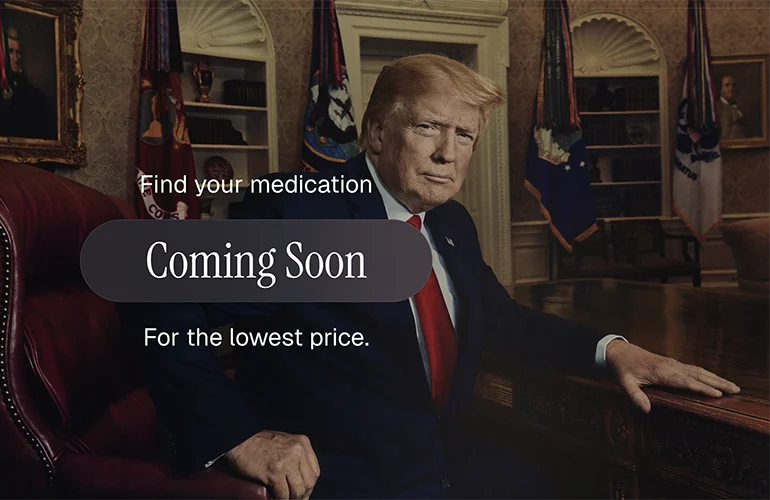
As of early February, the federal portal TrumpRx.gov remains in a nascent state, displaying only a stylized Oval Office portrait of the former president alongside the words "Coming Soon," yet its impending launch has already ignited a fervent debate across the healthcare industry, policy circles, and among patient advocacy groups. This initiative, designed to channel patients directly to pharmaceutical manufacturers for cash-based drug purchases, is viewed by proponents as a revolutionary step towards drug price transparency and affordability, while critics warn of potential conflicts of interest, eroded patient safety, and unforeseen financial burdens for consumers.
Background: The Shifting Landscape of Drug Distribution
The traditional pharmaceutical supply chain in the United States is a complex web involving manufacturers, wholesalers, pharmacies, pharmacy benefit managers (PBMs), and health insurers. This multi-layered system, while ensuring widespread access and managing costs for many through insurance, has also been widely criticized for its opacity, particularly regarding drug pricing. Patients frequently face high out-of-pocket costs, often due to escalating list prices, high deductibles, and co-pays, leading to widespread frustration and calls for reform.
Against this backdrop, the concept of direct-to-consumer (DTC) drug sales has gained traction, particularly with the acceleration of telehealth services during and after the COVID-19 pandemic. Telehealth platforms demonstrated the feasibility of virtual consultations and remote prescribing, paving the way for models that bypass traditional intermediaries. Proponents of DTC models argue they can streamline the process, reduce administrative overhead, and potentially lower prices by eliminating the markups associated with PBMs and wholesalers. However, the rapid expansion of these models has also raised significant questions about regulatory oversight, patient safety, and the integrity of the prescribing process.
A Detailed Chronology of the TrumpRx Initiative and Related Developments
The groundwork for TrumpRx.gov and the broader push for DTC drug programs began to coalesce in early 2025, marked by a series of interconnected events that drew attention to the intertwined interests of political figures and the pharmaceutical industry.
-
Early 2025: Donald Trump Jr. Joins BlinkRx Board. The initial significant development occurred when Donald Trump Jr., son of the former president, joined the board of BlinkRx, a digital pharmacy company. BlinkRx had already established itself as an innovator in the pharmaceutical technology space, offering solutions aimed at simplifying drug access and affordability. Its subsequent marketing of a service promising to establish direct-to-consumer drug programs for manufacturers in as little as 21 days immediately positioned it as a key player in the evolving DTC landscape. This appointment would later draw scrutiny for its timing and the subsequent actions of the Trump administration.
-
July 31, 2025: Presidential Pressure on Pharma CEOs. President Trump escalated the initiative by sending letters to the chief executive officers of 17 major pharmaceutical companies. These letters, a direct appeal from the highest office, urged drugmakers to adopt direct-to-consumer sales channels. The administration’s rationale was rooted in the belief that such channels would foster greater price competition, reduce reliance on opaque PBM practices, and ultimately lower costs for American consumers. The letters, however, did not specify the exact mechanisms or regulatory framework under which these DTC programs should operate, leaving much to interpretation by the industry.
-
One Week Later (Early August 2025): BlinkRx Launches "Operation Access Now." Following President Trump’s direct call to action, BlinkRx swiftly responded by launching "Operation Access Now." This service was specifically designed to assist pharmaceutical companies in rapidly establishing their own DTC programs, boasting an impressive turnaround time of just 21 days. The launch was strategically timed, appearing to align perfectly with the administration’s stated goals and offering a ready-made solution for drug manufacturers looking to comply with the presidential directive. The proximity of Donald Trump Jr.’s involvement with BlinkRx to this major policy push immediately raised questions about potential conflicts of interest and the appearance of leveraging political influence for private gain.
-
Fall 2025: White House Announces TrumpRx.gov. Building on the momentum, the White House officially announced TrumpRx.gov. This federal portal was envisioned as a centralized "front door" for patients, designed to funnel them directly into the manufacturer-run DTC channels that the administration had been advocating. The concept was straightforward: patients would visit TrumpRx.gov, be referred to specific drugmakers’ websites, and then purchase medications at cash prices negotiated between the White House and individual pharmaceutical companies. The administration hailed this as a significant step towards greater transparency and patient empowerment.
-
December 2025: BlinkRx Washington Summit Postponed. In a move that underscored BlinkRx’s growing influence and its alignment with the administration’s agenda, the company scheduled a high-profile Washington summit titled "The Future of Pharmaceuticals." Invitations were extended to senior administration officials, including FDA Commissioner Marty Makary and key figures within the Department of Health and Human Services (HHS) aligned with Robert F. Kennedy Jr.’s known stances on health policy. The summit was intended to further solidify the DTC model and discuss its future integration into the U.S. healthcare system. However, the event was ultimately postponed due to scheduling challenges exacerbated by a late-2025 government shutdown, preventing what would have been a significant gathering of industry and government leaders.
-
Early February 2026: TrumpRx.gov Remains "Coming Soon." Despite the ambitious timeline and aggressive promotion, TrumpRx.gov, as of early February, continues to display only a placeholder image and the "Coming Soon" message, signaling that the full implementation of the federal referral portal is still pending. This delay provides additional time for stakeholders to scrutinize the program’s design and potential ramifications before it becomes fully operational.
The Mechanics of TrumpRx: Bypassing Insurance and Its Implications
At its core, TrumpRx.gov is designed as a referral portal that routes patients to drugmakers’ proprietary direct-to-consumer websites. On these platforms, patients are expected to pay "cash prices" that have been negotiated directly between the White House and individual pharmaceutical companies. The stated benefit of this model is the elimination of intermediaries like pharmacy benefit managers (PBMs), which the administration argued contribute to inflated drug costs through complex rebate schemes and administrative fees.
However, the decision to bypass insurance for these transactions carries significant implications for patients. While a cash price might appear lower than a drug’s sticker price, the dollars patients spend through TrumpRx-linked channels may not count toward their annual insurance deductibles or out-of-pocket maximums. This crucial detail could leave patients exposed to higher costs for other healthcare services throughout the year, effectively creating a two-tiered system where short-term savings on a specific drug could lead to greater overall financial strain. For patients with chronic conditions requiring multiple medications or frequent medical care, this could translate into substantial financial risk, undermining the stated goal of affordability. Furthermore, it could fragment care coordination, as traditional pharmacies and healthcare providers would have less visibility into a patient’s full medication regimen.
Intensifying Scrutiny: "Virtual Pill Mills" and Prescribing Practices
Parallel to the development of TrumpRx.gov, the direct-to-consumer machinery has come under intense scrutiny on a second critical front: prescribing practices within pharma-linked telehealth platforms. A damning investigative report released in July 2025 by Senators Dick Durbin, Bernie Sanders, Elizabeth Warren, and Peter Welch highlighted severe concerns regarding platforms such as PfizerForAll and LillyDirect, coining the term "virtual pill mills" to describe their operations.
The report detailed instances where telehealth handoffs, particularly when financially tied to pharmaceutical companies, exhibited unusually high prescribing rates. For example, in one cohort of patients routed to Cove through LillyDirect, all 15 patients received a prescription. Similarly, at UpScript, a telehealth partner for PfizerForAll, 714 out of 842 patients (approximately 85%) routed through the platform were prescribed medication. These statistics suggest a model where the diagnostic encounter is minimized, and the primary outcome is often the fulfillment of a prescription, raising serious questions about the thoroughness of patient evaluation and the medical necessity of prescriptions.
The senators’ investigation also uncovered the intricate financial architecture underpinning these platforms. Eli Lilly, for instance, paid its telehealth partners approximately $942,500 over a specified period. One telehealth company was found to charge its pharmaceutical clients, including Pfizer, anywhere between $510,000 and $2.45 million over the life of a contract. The report further revealed that at least two providers working for Form Health, a Lilly partner, received 41 separate payments from the drugmaker, with one provider generating more than $230,000 in Medicare spending on a single Lilly product within a year. Such financial relationships raise serious ethical questions about potential incentives for providers to prescribe specific, high-cost medications, potentially compromising their professional independence and patient best interests.
The "Rx in a Blink" Model and Patient Safety Concerns
BlinkRx’s own marketing, promising prescriptions "in a blink," epitomizes the rapid-fire approach that concerns lawmakers and medical professionals. Its August 2025 press release for "Operation Access Now" explicitly touted "21 days" to establish a direct-to-patient program, just one week after President Trump’s letters to pharma CEOs. This aggressive timeline, combined with the observed prescribing patterns, suggests a system prioritizing speed and volume over comprehensive patient care.
Job postings for UpScript, one of Pfizer’s telehealth partners, further illuminated the operational model. These postings advertised that providers could complete six to ten "visits" per hour, a pace that allocates a mere six to ten minutes per patient. Crucially, a "completed visit," as noted in the posting, implied either approving or denying a prescription request. Such abbreviated encounters leave little room for detailed medical history taking, thorough physical examinations, or in-depth discussions about treatment alternatives and potential side effects.
Adding to these concerns, the investigation found that in many cases, patients arrive at these telehealth platforms having already chosen the drug they desire. Cove acknowledged to investigators that patients could identify a specific medication before the consultation, and Populus actively prompts consumers to select the product they are interested in obtaining. This phenomenon transforms the virtual visit from a diagnostic encounter into little more than a fulfillment step, potentially disempowering the medical professional from exercising independent clinical judgment and elevating patient preference over medical necessity.
Data Flow, "Steering," and Regulatory Warnings
Beyond prescribing practices, the investigation also shed light on the extensive data flow from telehealth partners back to drug manufacturers. Eli Lilly, for example, reportedly receives up to 28 data fields from its telehealth partners, including sensitive patient information such as Body Mass Index (BMI), A1C levels (a measure for diabetes), and the date a patient first filled a Zepbound prescription. This raises significant privacy concerns and questions about how this data is used, whether for marketing purposes, product development, or influencing prescribing patterns.
The senators also flagged compelling evidence of "steering." LillyDirect’s provider-finder tool, powered by HealthGrades, appeared to surface a narrow subset of physicians, some of whom were also engaged in paid work for Lilly. This occurred even when hundreds more qualified physicians were available in the same search run outside the platform. Such practices suggest a deliberate attempt to guide patients towards specific providers who may have financial ties to the drugmaker, potentially compromising the impartiality of medical advice and patient choice.
These findings echo warnings issued years earlier by federal investigators. In 2022, the HHS Office of Inspector General (OIG) flagged telehealth arrangements that actively recruit patients through advertising, limit clinical contact, and direct providers toward preselected products. The senators’ January letter explicitly argues that the TrumpRx-linked platforms "appear to reflect many aspects of this 2022 warning," suggesting a troubling pattern of behavior that predates the current initiative.
High-Risk Medications and Patient Safety
A paramount concern stemming from these rapid-fire prescribing models is the potential for serious patient harm, particularly when powerful, high-risk medications are involved. Xeljanz, a Pfizer arthritis drug available through PfizerForAll, carries a "black box warning" from the FDA – the agency’s most serious alert. This warning highlights an increased risk of serious heart-related events, cancer, blood clots, and death. In the clinical trial that triggered this warning, patients on Xeljanz experienced a 3.4% rate of major cardiovascular events compared to 2.5% for those on older alternatives.
While JAK inhibitors like Xeljanz can be highly effective for some patients with inflammatory diseases, and rheumatology guidelines include them as an option when other treatments fail or are not tolerated, the FDA mandates stringent precautions. These include comprehensive screening for cardiovascular risk factors and latent tuberculosis before prescribing. The concern is whether a 6-10 minute virtual consultation, potentially driven by a patient’s pre-selected drug choice, can adequately ensure these critical screenings and patient education are conducted thoroughly, thereby mitigating severe risks. The potential for such powerful drugs to be dispensed without rigorous clinical oversight raises significant alarms for patient safety advocates and medical professionals.
Statements and Reactions from Related Parties
The TrumpRx initiative and the associated DTC models have elicited strong reactions across the healthcare spectrum:
- Trump Administration/Proponents: Advocates for TrumpRx emphasize its potential to inject competition into the drug market, bypass costly intermediaries like PBMs, and offer more transparent pricing directly to consumers. They argue that empowering patients to choose cash-based options will ultimately drive down overall drug expenditures and increase access for those without adequate insurance coverage.
- Congressional Critics (e.g., Senators Durbin, Sanders, Warren, Welch): These lawmakers have been unequivocal in their condemnation, framing the initiative and existing pharma-linked telehealth platforms as a dangerous development. They cite the investigative report’s findings as clear evidence of "virtual pill mills," prioritizing profit over patient safety, and call for immediate legislative action and enhanced regulatory oversight to protect consumers from potentially predatory practices.
- Medical Professional Associations: Organizations like the American Medical Association (AMA) and various specialty societies (e.g., rheumatology, cardiology) have expressed concerns about the erosion of the physician-patient relationship, the fragmentation of care, and the potential for misdiagnosis or inappropriate prescribing when consultations are rushed and financially incentivized. They advocate for models that prioritize comprehensive patient evaluation, continuity of care, and evidence-based medicine.
- Pharmacist Associations: Groups representing pharmacists worry about their role being diminished in a DTC model, as it bypasses their crucial function in medication counseling, adherence monitoring, and identifying potential drug interactions. They argue that eliminating this layer of professional oversight could lead to adverse drug events.
- Consumer Advocacy Groups: While acknowledging the desire for lower drug costs, these groups voice apprehension about the lack of insurance coverage for cash payments, potentially exposing patients to greater out-of-pocket costs and making it harder to track annual healthcare spending. They also echo concerns about patient safety, data privacy, and the potential for "steering" patients towards specific, often more expensive, brand-name drugs.
Broader Impact and Implications
The TrumpRx initiative, even in its "Coming Soon" phase, represents a significant inflection point for the U.S. healthcare system. Its full implementation could have far-reaching implications:
- Disruption of the Healthcare Ecosystem: The direct-to-consumer model directly challenges the established roles of PBMs, wholesalers, and traditional pharmacies. If successful, it could fundamentally alter how drugs are purchased and distributed, leading to consolidation, new business models, or even the obsolescence of certain intermediaries.
- Patient Access and Affordability: For some patients, particularly those with high-deductible plans or who are uninsured, cash prices could offer a more affordable option for specific medications. However, for the majority of insured Americans, bypassing insurance could lead to unexpected financial burdens by not contributing to deductibles and out-of-pocket maximums. This creates a complex affordability landscape where benefits are unevenly distributed.
- Regulatory Scrutiny and Evolution: The controversy surrounding TrumpRx and the "virtual pill mills" is almost certain to spur increased regulatory scrutiny from federal agencies like the FDA, HHS, and potentially the Federal Trade Commission (FTC). New guidelines or legislation may be enacted to address issues of telehealth prescribing ethics, data privacy, financial transparency in pharma-telehealth partnerships, and patient protection in DTC drug sales.
- Ethics and Conflicts of Interest: The involvement of political figures in companies that directly benefit from government policy initiatives raises significant ethical questions and concerns about conflicts of interest. This intersection of politics and private enterprise in a critical public health sector demands rigorous transparency and oversight.
- Patient Safety and Quality of Care: The most pressing implication remains patient safety. The balance between convenient access and comprehensive medical evaluation is delicate. If DTC models prioritize speed and volume, the risk of misdiagnosis, inappropriate prescribing, adverse drug events, and fragmented care could increase, potentially undermining public trust in both telehealth and pharmaceutical distribution.
Conclusion
TrumpRx.gov stands as a symbol of the ongoing tension between the urgent need for drug price reform and the imperative to maintain patient safety and ethical medical practices. While the promise of lower, transparent drug prices is appealing to many Americans, the potential pitfalls—from the erosion of insurance benefits and conflicts of interest to inadequate clinical oversight and risks associated with powerful medications—cannot be ignored. As the portal remains in its "Coming Soon" phase, the debate intensifies, underscoring the critical need for robust regulatory frameworks, transparent operations, and a patient-centric approach to ensure that any innovation in drug distribution genuinely serves the best interests of public health, rather than merely creating new avenues for profit at the expense of safety and equity. The coming months will undoubtedly determine whether TrumpRx.gov becomes a paradigm shift in healthcare access or a cautionary tale of unchecked innovation.