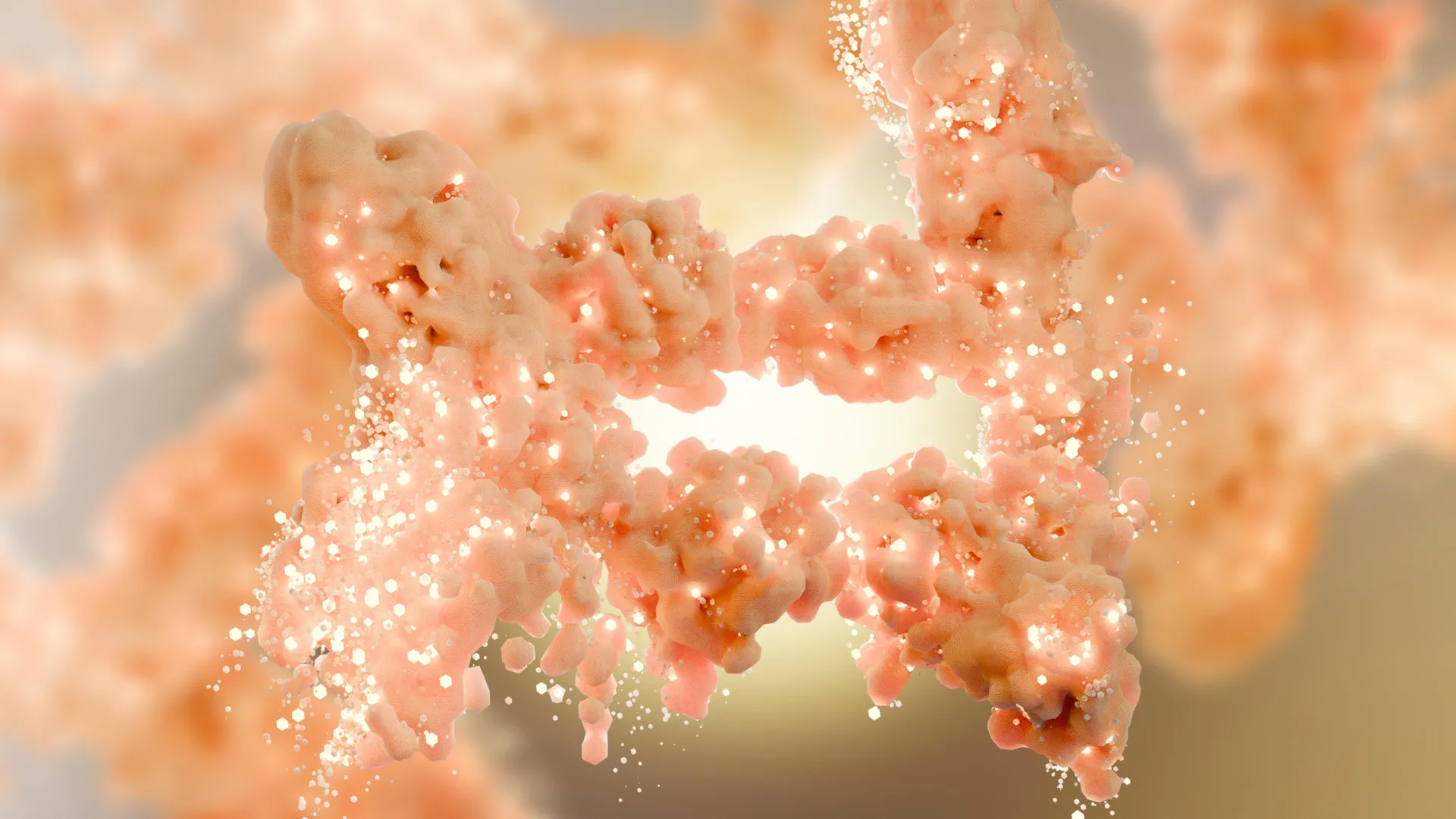
As the global population undergoes a profound demographic shift toward an older age profile, the prevalence of age-related physical decline has become a primary concern for healthcare systems worldwide. Among the most debilitating of these conditions is sarcopenia, a progressive skeletal muscle disorder characterized by the loss of muscle mass and strength. In a landmark study that promises to redefine the therapeutic landscape for muscle-wasting diseases, researchers at Duke-NUS Medical School in Singapore have identified a specific protein, Deformed epidermal autoregulatory factor-1 (DEAF1), as a master regulator of muscle repair and regeneration. This discovery, published in the prestigious journal Autophagy, offers a dual-pathway insight into treating both the natural decline of muscle in the elderly and the aggressive muscle wasting known as cachexia, which frequently afflicts patients with chronic illnesses like cancer.
The Growing Crisis of Global Muscle Health
The urgency of this research is underscored by the staggering statistics surrounding global aging. According to the World Health Organization (WHO), by 2030, one in six people in the world will be aged 60 years or over. By 2050, the world’s population of people aged 60 years and older will double to 2.1 billion. Sarcopenia is estimated to affect between 10 and 16 percent of the elderly population globally, leading to a significant loss of independence, increased risk of falls, and a higher mortality rate. Beyond the natural aging process, muscle wasting also manifests as cachexia in approximately 50 to 80 percent of cancer patients, contributing to nearly 30 percent of all cancer-related deaths.
Until now, pharmacological interventions for these conditions have been limited, often focusing on nutritional supplementation or resistance exercise, which may not be feasible for severely ill or frail patients. The Duke-NUS study provides a molecular target that could lead to the first generation of precision medicines designed to restore the body’s innate ability to repair its own muscle tissue.
The Role of DEAF1: Maintaining the Biological Goldilocks Zone
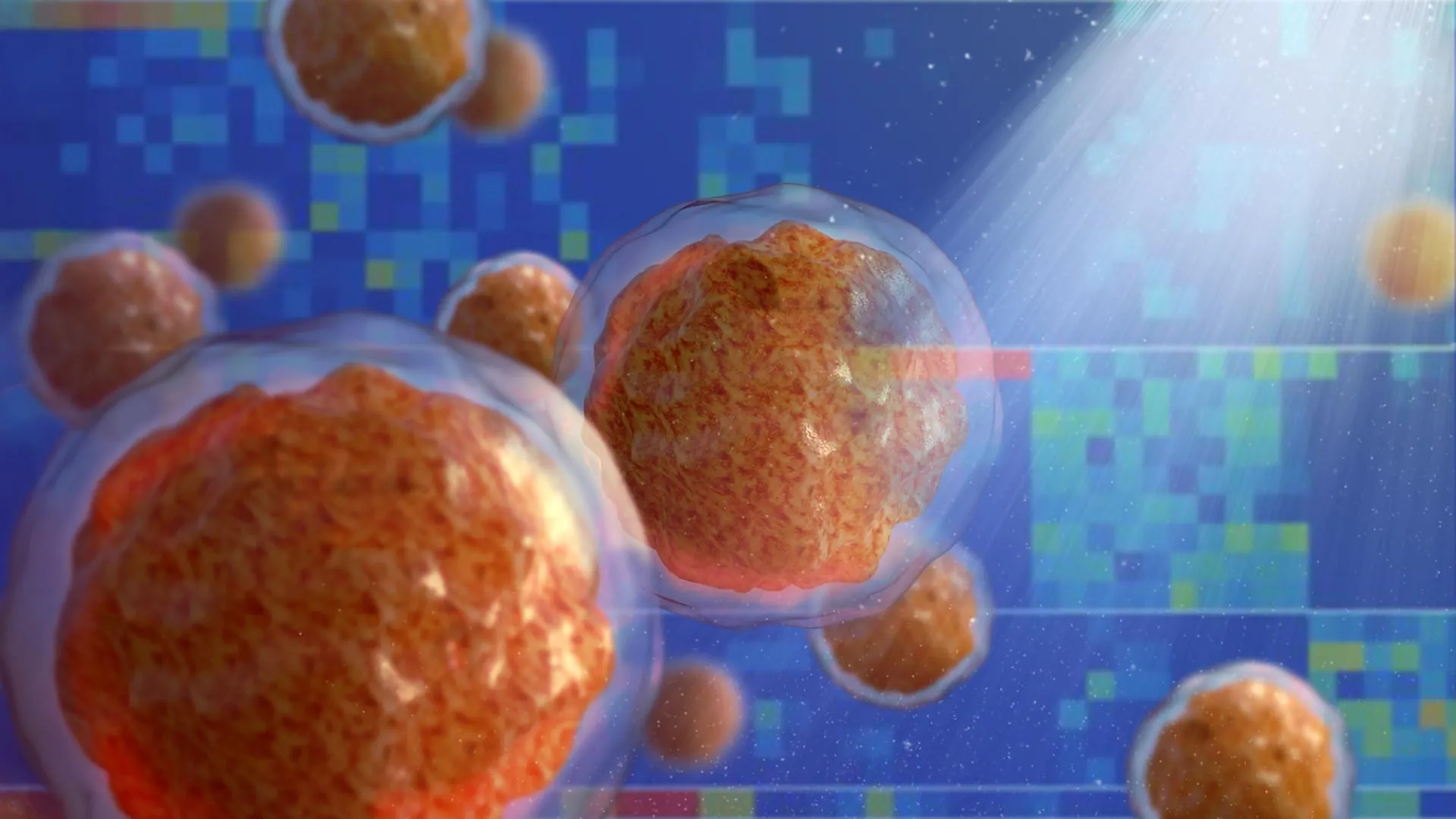
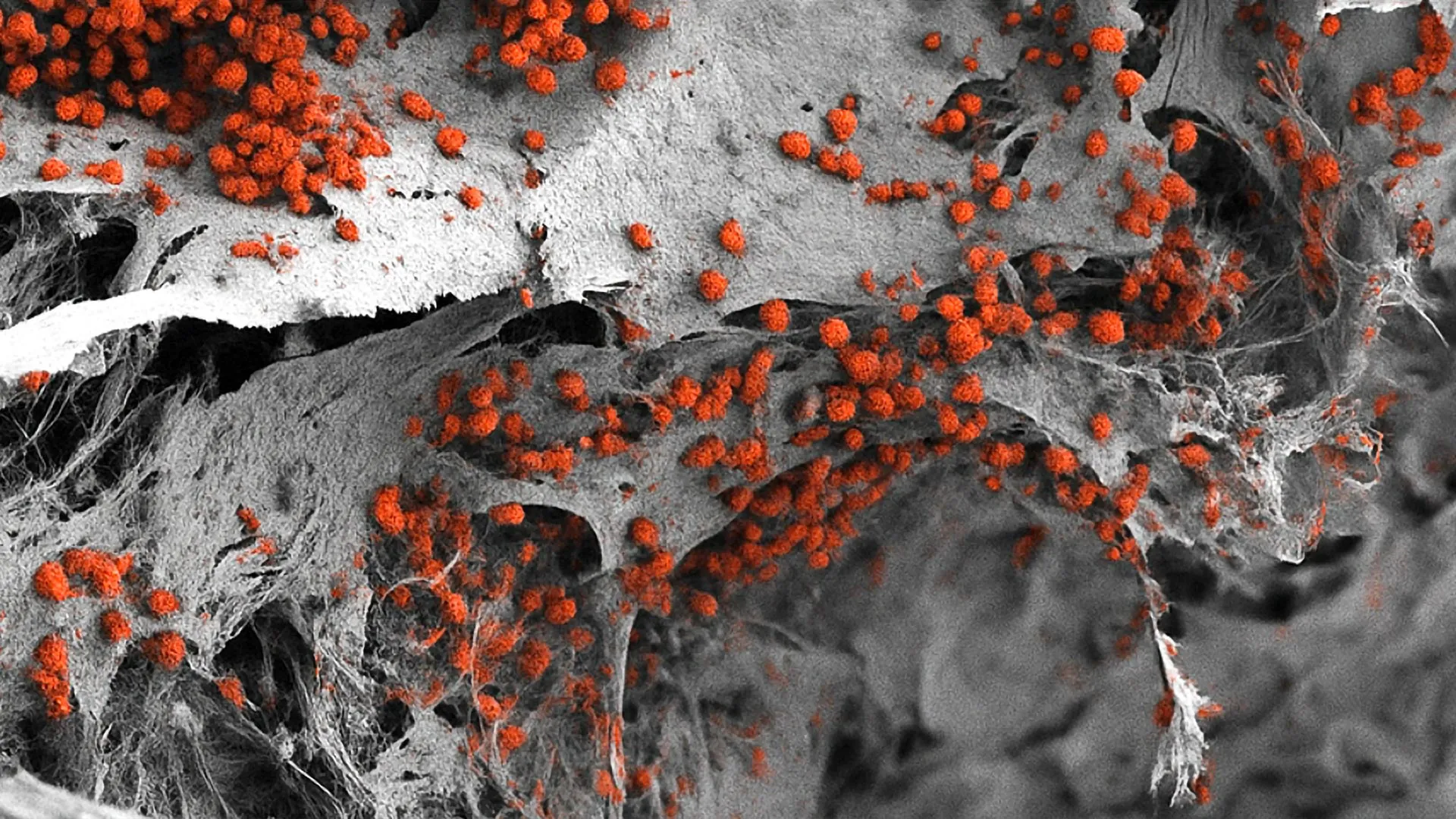
At the heart of the study is the role of muscle stem cells, also known as satellite cells. These specialized cells are the body’s primary defense against muscle damage; when a muscle is injured or stressed, these stem cells activate, proliferate, and fuse with existing muscle fibers to facilitate repair. However, as humans age, these stem cells become increasingly dysfunctional, a state often referred to as cellular senescence or exhaustion.
The Duke-NUS team, led by Assistant Professor Tang Hong-Wen and co-first authors Dr. Goh Kah Yong and Ms. Lee Wen Xing, discovered that the functionality of these stem cells is tethered to the levels of the DEAF1 protein. DEAF1 acts as a regulator for autophagy—the cellular "housekeeping" process where cells break down and recycle damaged proteins and organelles to maintain health.
The research highlights a "Goldilocks" principle regarding DEAF1: levels must be maintained within a precise, optimal range to ensure muscle health. Dr. Goh Kah Yong explained that when DEAF1 levels deviate from this equilibrium, the results are catastrophic for muscle regeneration. Elevated levels of DEAF1 act as a brake on autophagy, causing a "clogging" effect where damaged proteins accumulate, eventually triggering programmed cell death. Conversely, when DEAF1 levels are too low, the autophagy process becomes hyperactive and uncontrolled, leading the cell to essentially consume its own vital components, which also results in cell death and impaired repair.
Sarcopenia vs. Cachexia: A Tale of Two Mechanisms
One of the most significant contributions of this study is the clarification of the different biological drivers behind sarcopenia and cachexia. While both conditions result in the visible loss of muscle mass, the underlying molecular pathways are distinct, necessitating different therapeutic approaches.
In the context of sarcopenia, the researchers found that aging often leads to a disruption in the balance of DEAF1, which inhibits the necessary cellular cleanup. By potentially decreasing DEAF1 levels in older adults to a more beneficial range, clinicians could "jumpstart" the autophagy process, allowing muscle stem cells to clear out cellular debris and regain their regenerative capacity. This would directly counteract the frailty and muscle loss associated with the aging process.
In contrast, the study observed that in cases of cancer-induced cachexia, the problem is reversed. Chronic inflammation and tumor-secreted factors often lead to an over-activation of autophagy, which aggressively breaks down muscle tissue. The Duke-NUS team found that in cachexia models, DEAF1 levels are often pathologically low. Therefore, the therapeutic goal for cachexia would be to increase DEAF1 levels to dampen the excessive autophagy and preserve muscle mass. This distinction is crucial for drug development, as a treatment for sarcopenia could potentially worsen cachexia if the underlying mechanism is not correctly targeted.
The FOXO Connection and Upstream Regulation
To understand how DEAF1 levels are controlled, the researchers looked further upstream in the signaling pathway. They identified a group of proteins known as FOXO (Forkhead box O) as the primary regulators of DEAF1. FOXO proteins are well-known in the field of longevity research for their role in stress resistance and metabolism.
Assistant Professor Tang Hong-Wen, the study’s senior author and the inaugural recipient of the Diana Koh Innovative Cancer Research Fund award, noted that FOXO proteins act as a sensor for the cell’s environment. In healthy muscle stem cells, FOXOs maintain DEAF1 at the required levels to balance autophagy. However, as we age, FOXO activity tends to decline, leading to the destabilization of DEAF1.
In a promising turn for future clinical applications, the researchers conducted pre-clinical trials using FOXO activators. These trials demonstrated that restoring FOXO activity could successfully rebalance DEAF1 levels, thereby improving muscle regeneration in aged models. This suggests that existing classes of drugs that target FOXO pathways could be repurposed or refined to treat muscle-wasting disorders.
Supporting Data and Research Methodology
The study utilized a multi-disciplinary approach, combining genetic modeling, advanced imaging, and protein analysis. By manipulating DEAF1 expression in animal models and observing the subsequent impact on muscle stem cell survival and muscle fiber thickness, the team was able to map the exact correlation between DEAF1 concentration and regenerative success.
Data from the study showed that in environments with optimized DEAF1 levels, muscle stem cell survival rates increased by a significant margin compared to models where DEAF1 was either knocked down or overexpressed. Furthermore, the researchers utilized high-resolution microscopy to visualize the autophagy flux, proving that DEAF1 directly influences the formation of autophagosomes—the "waste bags" of the cell.
Official Responses and Strategic Implications
The findings have been met with enthusiasm within the Singaporean scientific community and beyond. Professor Patrick Tan, Senior Vice-Dean for Research at Duke-NUS, emphasized the strategic importance of this work in the face of global health trends. He remarked that as chronic diseases and aging become the dominant challenges of the 21st century, understanding the nuances of muscle loss is essential for maintaining a high quality of life for the elderly.
"The discovery that sarcopenia and cachexia, while phenotypically similar, are driven by different molecular imbalances is a breakthrough for precision medicine," Professor Tan stated. "This allows us to move away from a ‘one-size-fits-all’ approach to muscle health and toward targeted therapies that address the specific biological needs of the patient."
The research also aligns with Singapore’s national initiatives, such as the "Health District @ Queenstown," which focuses on developing scalable interventions to support healthy aging in the community. By identifying molecular targets like DEAF1, researchers are providing the foundational science necessary for future public health strategies that could reduce the economic burden of elderly care.
Future Directions: Beyond Muscle Tissue
While the current study focuses on skeletal muscle, the researchers are not stopping there. DEAF1 is expressed in various other tissues throughout the body, including the brain and the immune system. The team is currently investigating whether the DEAF1-autophagy axis plays a similar role in neurodegenerative diseases or age-related immune decline.
If DEAF1 proves to be a universal regulator of cellular proteostasis (protein balance), its implications could extend to treating conditions like Alzheimer’s disease or Parkinson’s, where protein aggregation is a hallmark of the pathology.
The path to human clinical trials remains the next major milestone. The researchers are currently seeking partnerships with biotechnology firms to develop stable DEAF1 modulators and FOXO activators that can be safely administered to humans. Given the high safety profile required for treatments intended for the elderly or the terminally ill, the transition from pre-clinical models to human patients will involve rigorous testing of delivery mechanisms and dosage.
Conclusion: A New Era for Regenerative Medicine
The discovery by Duke-NUS Medical School marks a pivotal moment in the study of muscle biology. By unmasking DEAF1 as the hidden hand regulating the cellular cleanup process, scientists have opened a new door for treating some of the most stubborn and debilitating conditions associated with aging and cancer.
As the research moves toward the clinical phase, the prospect of a world where sarcopenia is no longer an inevitable part of aging, and where cancer patients are spared the ravages of cachexia, becomes increasingly tangible. For the millions of individuals currently struggling with loss of mobility and independence, the "Goldilocks" protein offers more than just a biological insight—it offers the hope of a stronger, more resilient future.