In a significant advancement for the field of molecular oncology, a multidisciplinary team of investigators at the Johns Hopkins Kimmel Cancer Center and the Johns Hopkins Bloomberg School of Public Health has decoded the mechanism by which specific gene rearrangements drive the progression of a rare and aggressive form of kidney cancer. The study, published in the journal Cell Reports on April 22, reveals that proteins generated by these "fusion genes" aggregate into microscopic liquid droplets within the cell nucleus. These droplets, known as condensates, act as command centers that abnormally activate genes responsible for tumor growth and metastasis.
The research provides a critical breakthrough for translocation renal cell carcinoma (tRCC), a subtype of kidney cancer that has long baffled clinicians due to its unique genetic drivers and the absence of a standardized therapeutic protocol. By identifying how these fusion proteins manipulate the cellular landscape, the Johns Hopkins team has opened a new door for drug development, suggesting that disrupting these liquid structures could effectively "turn off" the cancer-encoded instructions.
The Genetic Architecture of Translocation Renal Cell Carcinoma
Translocation renal cell carcinoma is distinct from more common forms of kidney cancer, such as clear cell renal cell carcinoma. It is characterized by a chromosomal translocation—a process where a chromosome breaks and a portion of it reattaches to a different chromosome. In the case of tRCC, this rearrangement involves the TFE3 gene. Specifically, the tail end of the TFE3 gene is fused with the beginning of one of several "partner" genes, such as PRCC, NONO, or SFPQ.
This genetic "swap" results in the creation of a fusion gene that produces a chimeric protein—one that does not exist in healthy cells. While the medical community has recognized for years that these TFE3 fusions are the primary drivers of tRCC, the precise molecular "how" remained elusive until now. The Johns Hopkins study focused heavily on two of the most prevalent fusion partners, NONO and SFPQ, which collectively account for approximately 40% of all TFE3 fusion cases.
The rarity of tRCC has historically made it difficult to study in large clinical cohorts. It often affects children and young adults more frequently than other kidney cancers, making the search for effective treatments particularly urgent. The discovery that these fusion proteins behave as liquid condensates provides a unifying theory for how diverse genetic rearrangements can lead to the same catastrophic cellular outcomes.
Liquid Condensates: The Engines of Cancer Progression
The core of the discovery lies in the behavior of the TFE3 fusion proteins once they are synthesized within the cell. Under the leadership of Danfeng "Dani" Cai, Ph.D., an assistant professor of biochemistry and molecular biology at the Johns Hopkins Bloomberg School of Public Health, the team utilized advanced microscopic imaging to track these proteins.
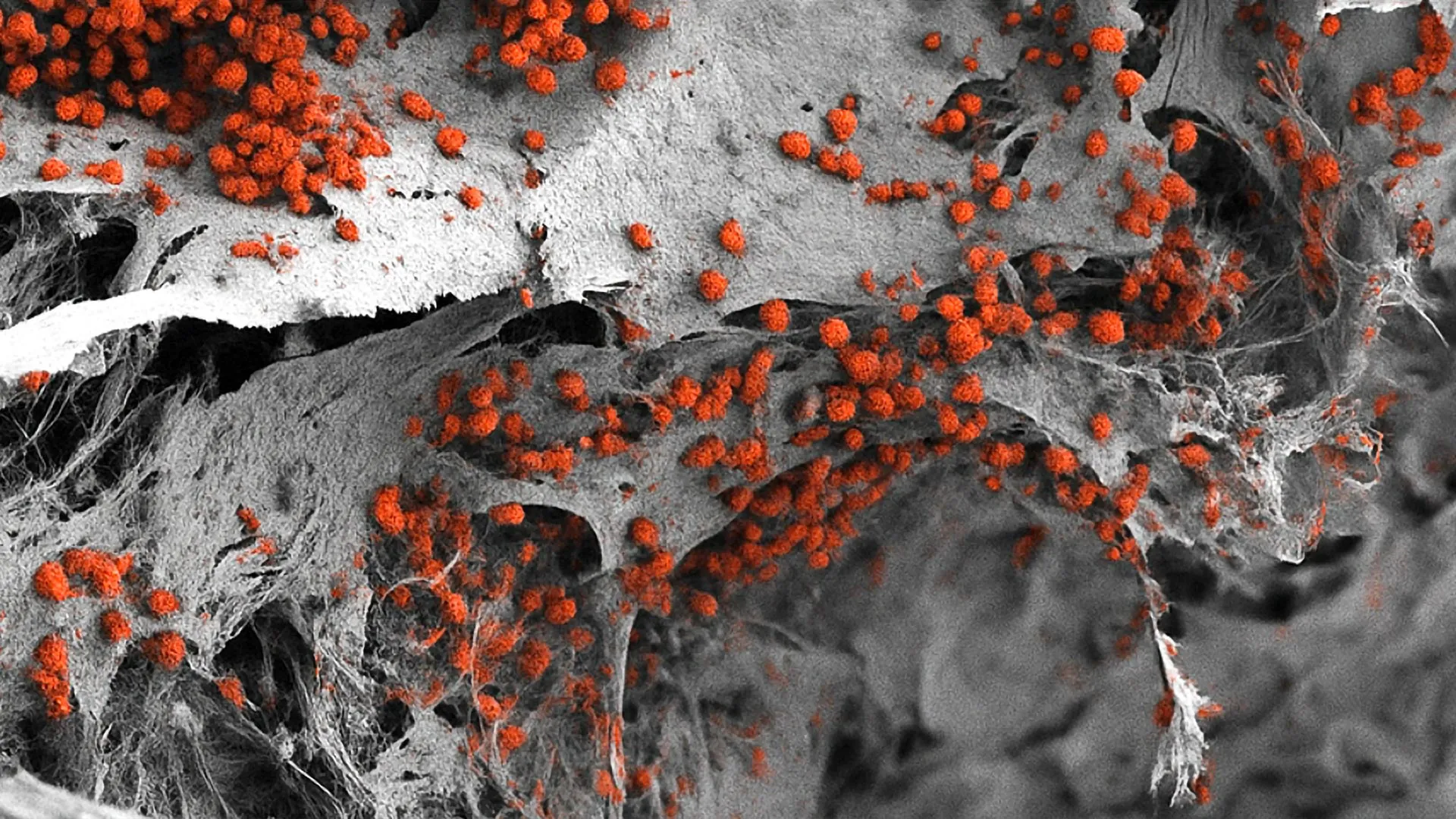
By attaching fluorescent tags to TFE3 fusion proteins in cells derived from kidney cancer patients, the researchers observed the formation of distinct, glowing "dots" within the cell nucleus. These were not solid structures but rather liquid condensates—concentrated droplets of molecules that interact in a confined space to facilitate specific biological processes.
"These fusion genes form droplets, or condensates, that regulate genes in these cancers," explained Dr. Cai. The study noted that these droplets act as magnets for other essential cellular machinery. Specifically, the researchers identified the presence of marker proteins typically associated with active gene expression and transcription within these droplets. This suggests that the fusion proteins create a localized environment where the machinery for "turning on" genes is hyper-concentrated, leading to the uncontrolled expression of growth-promoting signals.
Mapping the Chromatin Landscape and Gene Activation
To understand how these droplets interact with the cell’s DNA, Dr. Cai collaborated with Eneda Toska, Ph.D., an assistant professor of oncology at the Johns Hopkins Kimmel Cancer Center. The human genome is packaged into a structure called chromatin, which is often described using the "beads on a string" analogy. DNA is wound around proteins called histones (the beads); when the string is tightly wound, genes are inaccessible and "off," but when the string is loose, genes can be accessed and "on."
The research team found that TFE3 fusion proteins essentially act as master architects of this landscape. "We found that these fusion proteins open and close different sites on the chromatin by making chemical modifications," Dr. Toska stated. "They bind, regulate and redesign the chromosome landscape, interacting with target genes that promote cell proliferation and movement."
This redesign is not random. The fusion proteins specifically target and "unlock" areas of the genome that facilitate the hallmarks of cancer: rapid cell division and the ability of cells to migrate to other parts of the body (metastasis). By forcing the chromatin into an "open" state, the liquid droplets ensure that the cancer-driving program is constantly running.
Identifying the "Coiled-Coil" Structural Trigger
A pivotal moment in the study occurred when the researchers began dissecting the TFE3 fusion proteins to identify which specific components were responsible for droplet formation. They utilized gene-editing techniques to remove various segments of the protein to observe the resulting changes in cellular behavior.
The team identified a specific structural motif known as a "coiled-coil"—a shape where two or more alpha-helices wrap around each other like the strands of a rope. This segment is located at the junction where the TFE3 tail meets its fusion partner. When the researchers edited out this small coiled-coil segment, the TFE3 fusion proteins lost their ability to form liquid droplets.
More importantly, without the formation of these droplets, the proteins were unable to activate the cancer-promoting genes. This finding confirmed that the physical state of the protein—its ability to phase-separate into a liquid droplet—is directly linked to its oncogenic power. This provides a clear target for future pharmacological intervention: if a drug can be developed to disrupt the coiled-coil interaction or the stability of the condensate, it could potentially neutralize the cancer’s genetic driver.
Supporting Data and Broader Implications for Oncology
The implications of this study extend beyond the rare confines of translocation renal cell carcinoma. Dr. Cai noted that other malignancies, including Ewing sarcoma (a bone and soft tissue cancer) and certain types of leukemia, are also driven by fusion genes. Many of these fusion proteins share structural similarities with the TFE3 fusions studied at Johns Hopkins.
"It’s possible that these fusion genes form similar droplets, or condensates, that regulate genes in these cancers and could react to similar treatment strategies," Dr. Cai remarked. This suggests a potential shift in oncology from targeting specific genetic mutations to targeting the physical properties of the proteins those mutations produce.
Data from the study highlighted that while the individual components of the fusion—such as the full-length TFE3, NONO, and SFPQ proteins—play roles in normal cellular machinery, their combination creates a "super-activator." The fusion proteins possess a significantly more potent ability to control gene expression than any of their constituent parts, explaining why these translocations are so effective at driving malignancy.
Chronology of Research and Institutional Support
The journey to these findings involved a multi-year effort spanning several departments at Johns Hopkins and collaboration with the National Cancer Institute.
- Initial Observation: Recognition of TFE3 translocations in pediatric and adult kidney cancer patients who did not respond to standard clear-cell therapies.
- Hypothesis Formation: Dr. Cai’s lab, specializing in cellular condensates, hypothesized that the physical aggregation of these proteins was key to their function.
- Molecular Mapping: Collaboration with Dr. Toska’s lab to perform chromatin immunoprecipitation and sequencing to map where the fusions bind to DNA.
- Structural Validation: Systematic deletion of protein domains to identify the coiled-coil requirement.
- Publication: The findings were peer-reviewed and published in Cell Reports in April 2024.
The research was heavily supported by the National Institutes of Health (NIH), including grants from the National Institute of General Medical Sciences, the National Cancer Institute, and the National Human Genome Research Institute. Additional funding was provided by the Department of Defense Kidney Cancer Idea Development Award and various philanthropic grants, reflecting the high priority placed on solving the riddle of tRCC.
Future Directions: From Bench to Bedside
The ultimate goal of the Johns Hopkins team is to translate these molecular insights into a standard of care for patients. Currently, patients with tRCC are often treated with therapies designed for other types of kidney cancer, which frequently result in sub-optimal outcomes.
The next phase of the research involves high-throughput screening for small molecules or drugs that can specifically disrupt the liquid condensates formed by TFE3 fusions. Because these droplets depend on specific chemical environments and protein-protein interactions, they may be vulnerable to a new class of "condensate-disrupting" drugs.
"In future work, the research team hopes to identify other components in the liquid condensates that drive the cancer," the investigators noted. By understanding every molecule that resides within these droplets, scientists can identify multiple points of attack.
Conclusion
The discovery by the Johns Hopkins Kimmel Cancer Center and Bloomberg School of Public Health represents a landmark in the understanding of translocation-driven cancers. By shifting the focus from the genetic code itself to the physical "droplets" the code creates, researchers have identified a profound vulnerability in a rare but deadly disease. As the scientific community moves toward precision medicine, the ability to dissolve the machinery of cancer at the molecular level offers a new beacon of hope for patients with translocation renal cell carcinoma and potentially many other fusion-driven malignancies.
The study’s authors, including Choon Leng So, Ye Jin Lee, and others from across the Johns Hopkins network and the National Cancer Institute, have provided a roadmap for a new era of therapeutic discovery. While challenges remain in drug delivery and clinical validation, the clarity provided by this study ensures that the search for a cure is no longer a shot in the dark, but a targeted mission against the liquid architecture of the cancer cell.