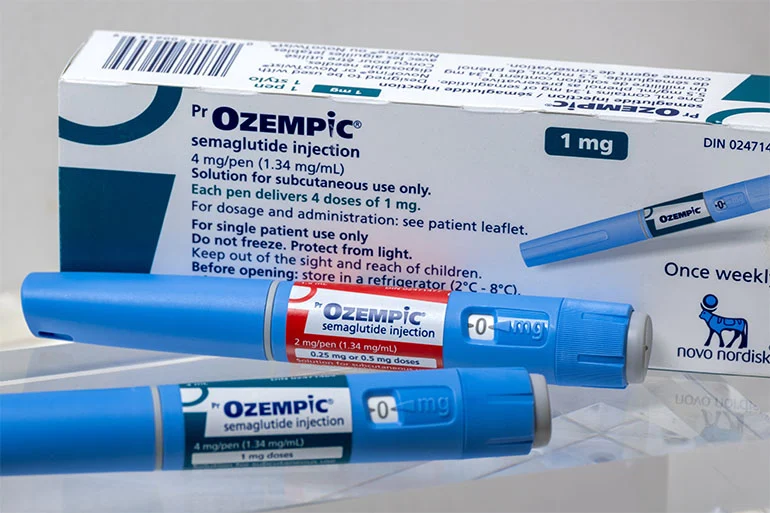
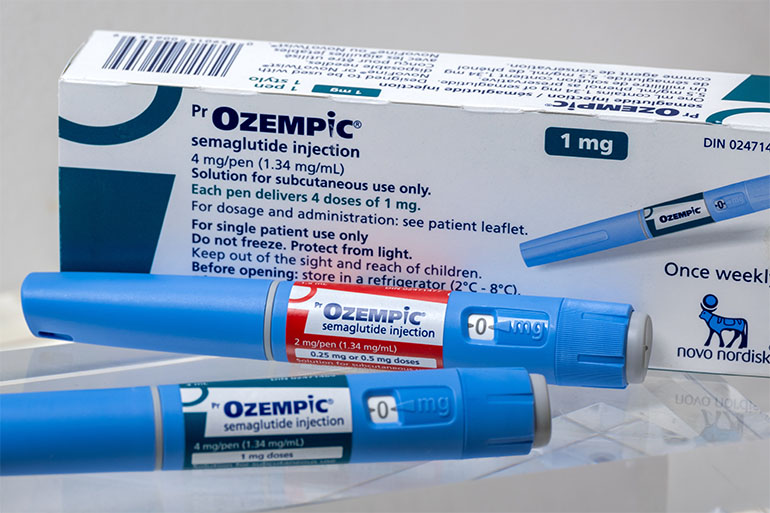
In a significant escalation of an ongoing commercial and regulatory dispute, pharmaceutical giant Novo Nordisk has filed a lawsuit against telehealth provider Hims & Hers, seeking a permanent injunction to prevent the company from selling compounded versions of its blockbuster GLP-1 receptor agonist drugs, Wegovy and Ozempic. The lawsuit, filed on Monday, targets Hims & Hers’ recently announced oral semaglutide pill, alleging infringement on Novo Nordisk’s foundational patent for the semaglutide molecule itself. This legal action marks the latest chapter in a contentious relationship between the innovator pharmaceutical company and a telehealth platform leveraging compounding pharmacies to offer more affordable, albeit unapproved, alternatives to popular weight loss and diabetes medications.
The Genesis of the Legal Challenge: Patent Infringement Claims
At the core of Novo Nordisk’s legal challenge is U.S. Patent No. 8,129,343, which safeguards the chemical structure of the semaglutide molecule. This patent grants Novo Nordisk exclusive rights to manufacture and market this specific amino acid sequence until its expiration in December 2031. Novo Nordisk contends that Hims & Hers’ oral semaglutide pill, by definition, contains this patented active pharmaceutical ingredient, thereby directly infringing on its intellectual property rights.
Beyond the molecular patent, the lawsuit also touches upon the complex issue of drug delivery, particularly for oral formulations of semaglutide. Oral semaglutide, marketed by Novo Nordisk as Rybelsus, requires specialized technology to ensure its absorption in the gastrointestinal tract without degradation by gastric enzymes. Novo Nordisk utilizes proprietary sodium N-(8-[2-hydroxybenzoyl] amino) caprylate (SNAC) technology. This innovative delivery system works by creating a localized, temporary increase in pH within the stomach, which neutralizes gastric acid and inhibits pepsin activity. Crucially, SNAC also induces a transient, non-covalent conformational change in the semaglutide molecule, facilitating its passage through the stomach lining into the bloodstream. This sophisticated mechanism is integral to the drug’s efficacy in an oral format.
Hims & Hers, in its attempt to circumvent Novo Nordisk’s SNAC technology patents, announced its intention to use liposomal technology, or "fatty bubbles," to encase the semaglutide. Novo Nordisk has vehemently criticized this approach, asserting that it is "untested and unproven." According to Novo Nordisk’s CEO Mike Doustdar, without the proven efficacy of SNAC technology, the active ingredient in Hims’ oral semaglutide pill would likely be digested before reaching the bloodstream, rendering the medicine ineffective and leading patients to "waste their money." This raises significant questions about the therapeutic equivalence and overall effectiveness of Hims & Hers’ compounded oral product compared to FDA-approved versions.
Regulatory Scrutiny and Patient Safety Concerns
The lawsuit unfolds against a backdrop of increasing regulatory scrutiny over compounded GLP-1 drugs. Just days before Novo Nordisk filed its lawsuit, the Department of Health and Human Services (HHS) referred Hims & Hers to the Justice Department for potential violations of the Federal Food, Drug, and Cosmetic (FD&C) Act. This referral followed Hims & Hers’ announcement of its compounded semaglutide pill, which was priced attractively at $49 for the first month and $99 thereafter, significantly undercutting market prices for branded versions. The FD&C Act regulates the safety, efficacy, and labeling of medications, and the HHS referral suggests concerns that Hims & Hers’ offering may not comply with these stringent federal standards. In response to the HHS referral, Hims & Hers swiftly announced on X that it would cease offering access to the treatment.
Novo Nordisk’s complaint emphasizes the potential dangers associated with compounded versions of its drugs. The company alleges that compounding pharmacies have "flooded the market" with unauthorized knockoffs of Wegovy and Ozempic, which may contain "dangerous impurities or incorrect amounts of active ingredients." To substantiate these claims, Novo Nordisk cited its own testing, which revealed that injectable semaglutide drugs compounded by pharmacies contained impurities of up to 86%. Such high levels of impurities could pose serious health risks to patients, ranging from allergic reactions and adverse side effects to a complete lack of therapeutic effect, potentially undermining treatment for serious conditions like obesity and type 2 diabetes.
The legal "loophole" that has allowed compounding pharmacies to produce versions of semaglutide has been the FDA’s official shortage list. When a drug is in short supply, compounding pharmacies are permitted to create versions of it to meet patient demand, provided certain conditions are met. However, the FDA declared the semaglutide shortage resolved in February 2025, with a grace period for compounding pharmacies to cease production by April 22, 2025. This impending resolution of the shortage further strengthens Novo Nordisk’s legal position, as the rationale for compounding these drugs is rapidly diminishing.
John F. Kuckelman, Senior Vice President, Group General Counsel, Global Legal, IP and Security at Novo Nordisk, articulated the company’s stance, stating, "Hims & Hers is mass marketing unapproved knock-off versions of Wegovy and Ozempic that evade the FDA’s gold standard review process – that’s dangerous and deceptive to patients, and undermines the scientific innovation and regulatory rigor in place to ensure these treatments are safe and effective." He affirmed Novo Nordisk’s commitment to protecting public health and intellectual property, vowing to continue collaborating with regulators and law enforcement to ensure patient access to only FDA-approved, safe, and effective medicines.
A Tumultuous History: A Chronology of Conflict and Brief Truce
The current lawsuit is not an isolated incident but rather the culmination of a protracted and often contentious relationship between Novo Nordisk and Hims & Hers, characterized by competitive maneuvers, legal threats, and even a brief, ill-fated collaboration.
- May 2024: Hims & Hers Enters the GLP-1 Market: Hims & Hers first began offering compounded GLP-1 injections, leveraging the FDA’s drug shortage loophole to provide what they touted as more affordable access to weight loss treatments.
- May 2024: Novo Nordisk’s Initial Response: Just ten days after Hims & Hers’ announcement, Novo Nordisk issued a public statement indicating it was "escalating legal actions to protect patients from compounded semaglutide drugs." While Hims & Hers was not explicitly named, the timing and context made Novo Nordisk’s target clear, condemning the proliferation of unapproved copycats.
- February 2025: The Super Bowl and Counter-Advertising: The rivalry spilled into mainstream media when Hims & Hers advertised its semaglutide injections during the highly-watched Super Bowl. The very next day, Novo Nordisk responded with prominent print advertisements in The New York Times and USA Today, featuring a vial of compounded semaglutide and cautioning patients to "Check before you inject," implicitly warning against unregulated products.
- April 2025: A Surprising Collaboration Announcement: In an unexpected turn, Novo Nordisk and Hims & Hers announced a "long-term collaboration" aimed at expanding affordable access to obesity care. This partnership was intended to allow patients to access NovoCare Pharmacy through the Hims & Hers platform, offering a bundled package of Wegovy and a Hims & Hers membership. Both companies expressed intentions to "develop a roadmap" for combining Novo Nordisk’s treatments with Hims & Hers’ ability to scale access to care.
- June 2025: Collaboration Abruptly Terminated: The truce proved short-lived. Less than two months after its announcement, Novo Nordisk abruptly terminated the collaboration. The pharmaceutical giant accused Hims & Hers of "illegally mass compounding their drugs under the false guise of personalization and using deceptive marketing," signaling a deep and irreconcilable disagreement over Hims & Hers’ business practices.
- November 2025: Hims & Hers Mentions Renewed Discussions: Despite the termination, Hims & Hers indicated during its third-quarter earnings call that it was still in discussions with Novo Nordisk regarding making Wegovy available through its online platform, suggesting a continued desire for a legitimate partnership.
- January 2026: Wegovy Oral Pill Launch Without Hims: Novo Nordisk launched its oral Wegovy pill, but Hims & Hers was notably absent from the list of official partners, indicating that any renewed discussions had not materialized into a partnership for the new product.
- February 2026: Hims & Hers Launches and Withdraws Copycat Pill: One month after Novo Nordisk’s oral Wegovy launch, Hims & Hers announced its own copycat oral semaglutide pill. However, just two days later, following the HHS referral to the Justice Department for potential violations of the FD&C Act, Hims & Hers publicly stated it would stop offering access to the treatment.
- Early March 2024 (Inferred Date of Lawsuit Filing): Novo Nordisk Files Lawsuit: The current patent infringement lawsuit is filed, solidifying Novo Nordisk’s legal offensive against Hims & Hers’ compounding activities.
This chronological sequence demonstrates a cycle of competition, brief attempts at cooperation, and ultimate legal confrontation, underscoring the high stakes involved in the burgeoning GLP-1 market.
The Larger Landscape: GLP-1 Demand, Drug Pricing, and Access
The intense legal battle between Novo Nordisk and Hims & Hers is emblematic of broader tensions within the pharmaceutical industry, particularly concerning the meteoric rise of GLP-1 receptor agonists. Drugs like Ozempic and Wegovy have revolutionized the treatment of type 2 diabetes and obesity, demonstrating unprecedented efficacy in weight loss. This has led to an explosion in demand, with market forecasts predicting that the global GLP-1 market could reach hundreds of billions of dollars in the coming years.
However, the groundbreaking efficacy of these drugs comes with a substantial price tag. Brand-name GLP-1s can cost well over $1,000 to $1,600 per month without insurance, creating significant affordability and access barriers for many patients. This high cost has fueled the demand for cheaper alternatives, leading to the proliferation of compounded versions offered by pharmacies and telehealth platforms like Hims & Hers. While Hims & Hers offered its compounded semaglutide pill at $49-$99 per month, a stark contrast to the market price, it also notably undercut even highly subsidized programs like the $149 per month price offered for Wegovy on "TrumpRx" (a specific, likely promotional or niche program, not representative of general market pricing).
The debate extends beyond mere pricing to fundamental questions of intellectual property rights versus public health and access. Pharmaceutical companies argue that robust patent protection is essential to incentivize the massive investments in research and development required to bring innovative drugs to market. Without such protection, they contend, there would be little motivation for companies to undertake the risky and expensive process of drug discovery. Conversely, advocates for broader access argue that life-saving and life-changing medications should be affordable and available to all who need them, pushing for mechanisms that allow for more competitive pricing, even if it means challenging patent monopolies.
Telehealth platforms like Hims & Hers have positioned themselves as disruptors, aiming to democratize access to healthcare by offering convenient, online consultations and, often, more affordable medication options. Their business model often involves partnering with compounding pharmacies to provide generic or compounded versions of popular drugs, sometimes skirting the stringent regulatory pathways required for brand-name pharmaceuticals. This approach has put them squarely in the crosshairs of innovator companies and regulatory bodies alike.
Implications for Patients, Innovators, and Compounding Pharmacies
The outcome of Novo Nordisk’s lawsuit against Hims & Hers will have far-reaching implications. For patients, it could clarify the landscape of GLP-1 access. If Novo Nordisk prevails, it could significantly curtail the availability of cheaper, compounded alternatives, potentially pushing patients back towards the higher-priced branded versions or leaving them without treatment if affordability remains an issue. Conversely, if Hims & Hers were to somehow succeed or find a legally sound path, it could open doors for more affordable options, albeit with potential unresolved questions about efficacy and safety.
For innovator companies like Novo Nordisk, the lawsuit is a critical defense of their intellectual property. A victory would reinforce the strength of their patents and their ability to control the market for their patented drugs, safeguarding future R&D investments. It would send a strong message to other companies considering similar compounding strategies.
For compounding pharmacies and telehealth providers, the legal action and the HHS referral signal a tightening regulatory environment. The impending resolution of the FDA’s semaglutide shortage further indicates that the window for legally compounding these drugs is closing. This could force these entities to re-evaluate their business models, focusing on drugs not under patent protection or those genuinely experiencing shortages. The Justice Department’s involvement, spurred by the HHS referral, also highlights the severe legal risks associated with non-compliance with the FD&C Act, including potential criminal charges.
Ultimately, this ongoing saga underscores the complex interplay between pharmaceutical innovation, intellectual property law, drug pricing, regulatory oversight, and patient access. As the demand for highly effective treatments like GLP-1s continues to soar, the tension between protecting groundbreaking discoveries and ensuring broad, affordable access will likely remain a central challenge for the healthcare ecosystem. The Novo Nordisk v. Hims & Hers lawsuit is a bellwether for how these critical issues will be navigated in the years to come.