New research emerging from Arizona State University is fundamentally reshaping our understanding of bacterial locomotion, demonstrating that these microscopic organisms possess an array of sophisticated and unexpected methods for movement, even when their primary propulsion systems are rendered inoperative. Traditionally, the scientific community has relied on the well-understood function of flagella – whip-like appendages that spin to propel bacteria through liquid environments. However, groundbreaking studies conducted by ASU researchers reveal that microbes can effectively spread across surfaces through entirely different mechanisms, a discovery with profound implications for public health, disease prevention, and the development of novel therapeutic strategies.
The capacity for movement is not merely a biological curiosity for bacteria; it is a cornerstone of their existence. This motility enables them to actively seek out favorable environments, aggregate into complex communities, and crucially, evade hostile conditions. The ability of bacteria to migrate and colonize is directly linked to their pathogenic potential, making the study of their movement mechanisms a critical frontier in the ongoing battle against infectious diseases. These recent findings challenge long-held assumptions and open new avenues for intervention by identifying previously unknown pathways through which bacteria can disseminate.
"Swashing": A Novel Metabolic Engine for Bacterial Migration
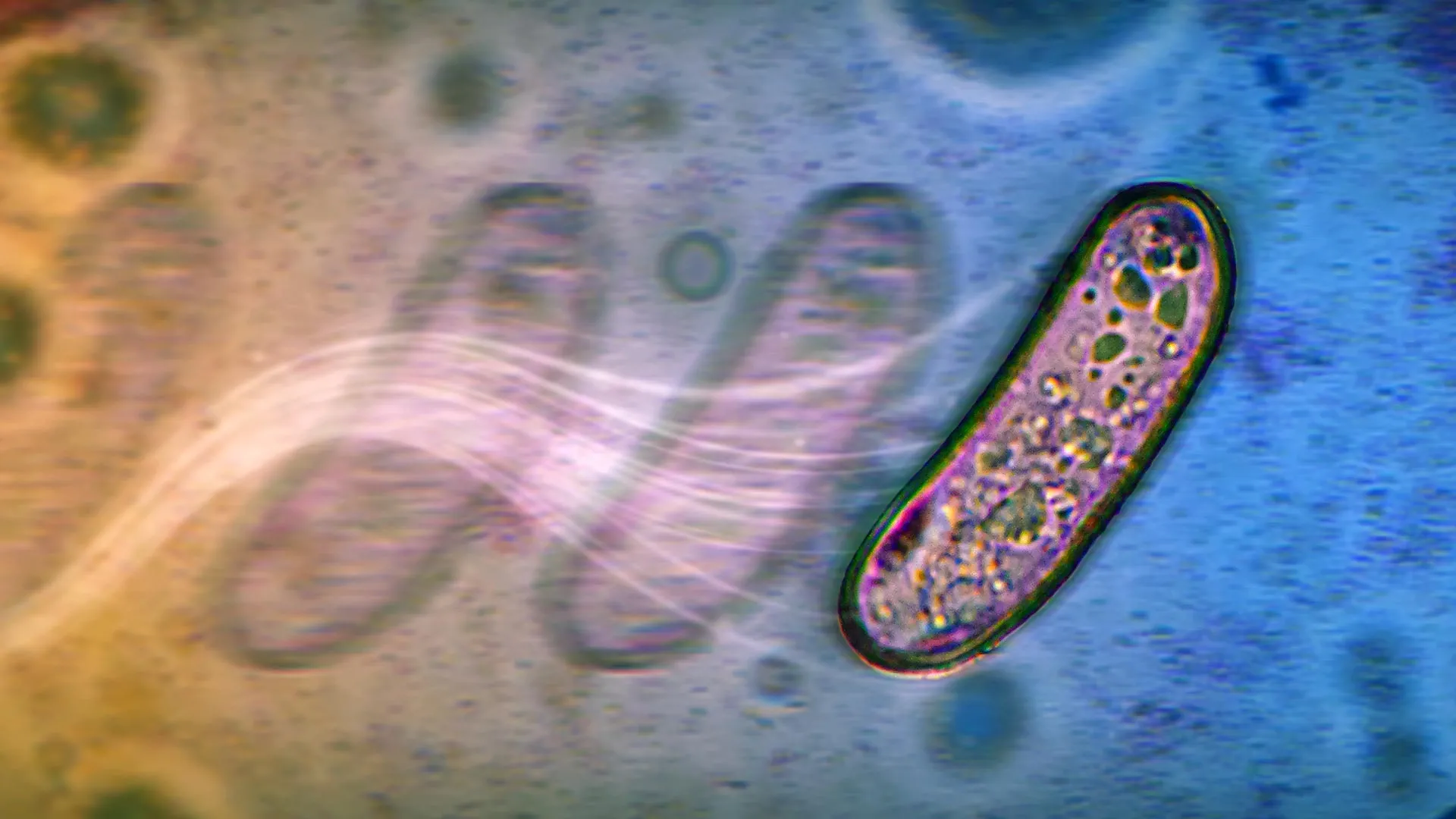
One of the most striking discoveries detailed in this research is the identification of a phenomenon termed "swashing." Led by Navish Wadhwa, a researcher at ASU’s Biodesign Center for Mechanisms of Evolution and an assistant professor in the Department of Physics, a team of scientists observed that common bacteria like Salmonella and E. coli could exhibit significant migration across moist surfaces even when their flagella were intentionally disabled. This observation defied initial expectations, as the researchers had designed the experiment as a control, anticipating a complete cessation of movement in the absence of flagellar function.
"We were amazed by the ability of these bacteria to migrate across surfaces without functional flagella," Wadhwa stated. "In fact, our collaborators originally designed this experiment as a ‘negative control,’ meaning that we expected (once rendered) flagella-less, the cells to not move. But the bacteria migrated with abandon, as if nothing were amiss, setting us off on a multiyear quest to understand how they were doing it." This unexpected resilience highlights the adaptability of bacterial life and underscores the limitations of a singular focus on flagellar inhibition as a sole strategy for control.
The mechanism behind swashing, as elucidated by Wadhwa’s team, is rooted in the bacteria’s metabolic activity. Specifically, when these microbes ferment sugars, they generate tiny outward-flowing currents across the wet surface. These subtle but persistent flows act as a gentle, passive propulsion system, pushing the bacterial colony outward. The researchers likened this process to leaves drifting along a thin stream, a visually intuitive analogy for a phenomenon that operates at the micro-scale.
Sugar-Fueled Currents: The Metabolic Underpinnings of Swashing
The "sugar-fueled swashing" phenomenon is intricately linked to the bacteria’s ability to metabolize fermentable sugars, including glucose, maltose, and xylose. The process of fermentation yields acidic byproducts, such as acetate and formate. These compounds play a crucial role by attracting water from the surrounding surface towards the bacterial colony. This localized influx of water then creates the minute currents that, in turn, exert a gentle outward pressure on the bacterial cells, facilitating their collective movement.
Crucially, this mode of transport is dependent on the availability of fermentable sugars. Without these essential nutrients, bacteria are unable to produce the necessary fluid flows that drive swashing. This dependence has significant implications for understanding how bacteria thrive and spread within various environments, including the human body. Sugar-rich niches, such as mucus layers within the digestive or respiratory tracts, could therefore serve as potent incubators for bacterial colonization and subsequent infection, facilitated by this metabolic propulsion.
The Impact of External Factors: Surfactants and Environmental Control
Further investigations into swashing explored the influence of external agents. The introduction of surfactants, compounds that reduce surface tension and are commonly found in detergents, effectively halted the swashing movement. This observation is particularly noteworthy because the same surfactants did not interfere with "swarming," another distinct form of bacterial movement powered by flagella that enables rapid surface colonization. This crucial difference underscores that swashing and swarming are governed by fundamentally separate physical mechanisms.
The differential impact of surfactants offers a potential avenue for targeted control strategies. The ability to inhibit swashing while leaving swarming unaffected could lead to more precise methods for managing bacterial proliferation, particularly in sensitive environments like medical settings. This distinction suggests that future interventions may need to account for the specific motility mechanisms employed by different bacterial species or under varying conditions.
Health and Industrial Implications of Swashing
The implications of swashing for human health and industrial hygiene are far-reaching. Disease-causing microbes that lack functional flagella can still colonize critical surfaces such as medical implants, catheters, and food processing equipment. This passive, metabolism-driven movement bypasses traditional strategies focused solely on disabling flagella. Therefore, effective prevention and control measures may need to target the underlying metabolic processes that generate the fluid currents responsible for swashing.
For instance, the presence of E. coli and Salmonella, notorious culprits of foodborne illnesses, can be exacerbated by their ability to spread via swashing. Enhanced sanitation protocols in food processing facilities may need to consider the environmental factors that promote this type of movement. By carefully managing surface pH or sugar levels, it might be possible to significantly limit bacterial growth and dissemination. The research indicated that even modest alterations in acidity could influence bacterial motility, suggesting that precise environmental control could be a powerful tool.
Similar conditions within the human body, such as moist environments like gut mucus, wound exudates, or the urinary tract, provide ideal substrates for swashing. Bacteria in these locations could spread and establish infections even if their flagellar machinery is compromised, posing a persistent challenge for healthcare professionals.
Flavobacteria: Navigating Surfaces with a Molecular Gearbox
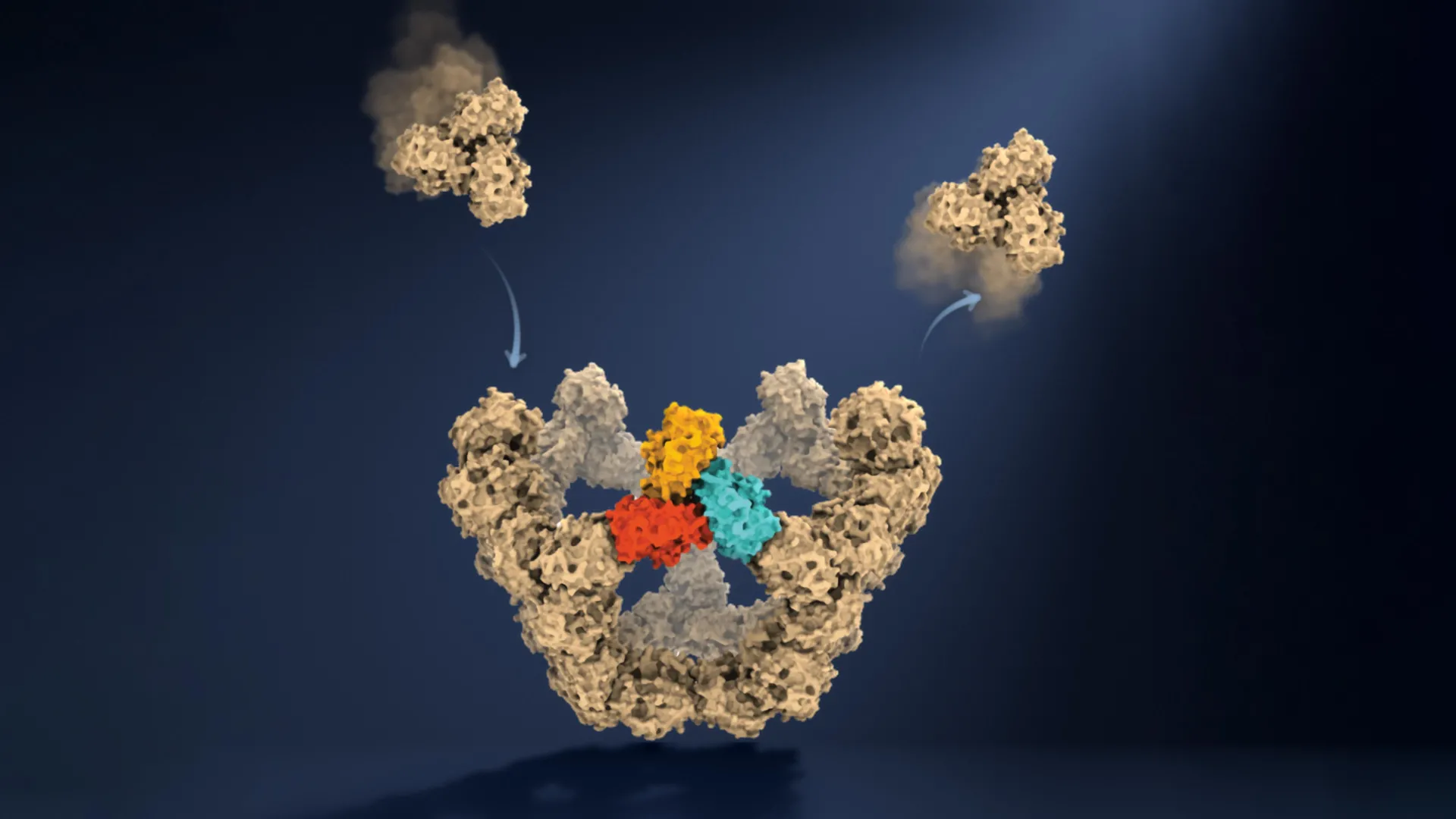
The second major discovery presented in this research delves into the locomotion of a different class of bacteria: flavobacteria. Unlike E. coli and Salmonella, flavobacteria do not rely on flagella for swimming. Instead, they employ a highly specialized molecular machine known as the type 9 secretion system (T9SS) to move along surfaces. This intricate system functions akin to a molecular conveyor belt that propends along the cell’s exterior.
Under normal circumstances, the T9SS enables flavobacteria to glide across surfaces. The mechanism involves the movement of an adhesive-coated belt around the perimeter of the cell, effectively pulling the bacterium forward. This mode of locomotion has been compared to a microscopic snowmobile, elegantly conveying the coordinated action of this molecular machinery.
The GldJ Protein: A "Gear Shifter" for Directional Control
A key breakthrough in understanding the T9SS was the identification of a protein named GldJ. Researchers found that GldJ acts as a sophisticated "gear shifter" within this molecular system, dictating the direction of the motor’s rotation. By manipulating a small portion of the GldJ protein, the researchers observed a reversal in the motor’s rotation from counterclockwise to clockwise. This alteration directly influences the bacterium’s direction of travel along the surface.
This detailed elucidation of the molecular gear mechanism provides critical insights into how bacteria can dynamically adjust their movement in response to complex and often unpredictable environments. Such adaptability likely confers a significant evolutionary advantage, allowing microbes to navigate surfaces with greater efficiency and precision, optimizing their chances of survival and colonization.
Dual-Role Nanogear System: Implications for Health and Microbiome Research
The T9SS system’s influence extends beyond mere bacterial motility. Its role in protein secretion has significant consequences for human health, with varied effects depending on the microbial community involved. In the oral microbiome, T9SS-containing bacteria have been implicated in the development of gum disease. The proteins they release can trigger inflammatory responses in the mouth, and research suggests potential links to systemic conditions such as heart disease and Alzheimer’s.
Conversely, T9SS activity within the gut microbiome can be beneficial. Proteins secreted through this system can protect antibodies from degradation, thereby bolstering immune defenses and potentially enhancing the efficacy of oral vaccines. This dual-role nature of the T9SS underscores the complex interplay between bacteria and their hosts, where the same molecular machinery can exert both detrimental and beneficial effects.
Harnessing Molecular Gearboxes for Therapeutic Innovation
A profound implication of this research lies in its potential to inform the development of novel therapeutic strategies. Understanding the intricate workings of the T9SS molecular gearbox could enable scientists to design methods to inhibit the formation of biofilms – the slimy, resilient communities of bacteria that are notoriously difficult to eradicate and are a major cause of persistent infections and medical device contamination.
Furthermore, this knowledge could be harnessed to promote beneficial microbes and develop highly targeted microbiome therapies. By manipulating the T9SS, it may be possible to enhance the protective functions of beneficial gut bacteria or to disrupt the pathogenic activities of harmful species.
"We are very excited to have discovered an extraordinary dual-role nanogear system that integrates a feedback mechanism, revealing a controllable biological snowmobile and showing how bacteria precisely tune motility and secretion in dynamic environments," stated Dr. Shrivastava, a researcher involved in the study. "Building on this breakthrough, we now aim to determine high-resolution structures of this remarkable molecular conveyor to visualize, at atomic precision, how its moving parts interlock, transmit force and respond to mechanical feedback. Unraveling this intricate design will not only deepen our understanding of microbial evolution but also inspire the development of next-generation bioengineered nanomachines and therapeutic technologies."
A Multifaceted Approach to Combating Bacterial Proliferation
Collectively, the discoveries concerning "swashing" and the T9SS molecular gearbox reveal a remarkable breadth of strategies that bacteria have evolved to move and spread. These findings underscore that the proliferation of microbes is a complex phenomenon driven by multiple, often unexpected, mechanisms. The more avenues bacteria possess for motility and dissemination, the more challenging they become to control.
The implications for combating bacterial infections are substantial. Traditional approaches that focus exclusively on disabling flagella may prove insufficient against bacteria that can utilize alternative methods of locomotion. This necessitates a paradigm shift towards more comprehensive strategies that consider the diverse ways bacteria navigate their environments.
These studies powerfully highlight the importance of environmental control as a key strategy in managing bacterial populations. Factors such as nutrient availability (especially sugar content), surface chemistry, and pH levels can play a critical role in either facilitating or inhibiting bacterial movement. Moreover, interfering with sophisticated molecular systems like the T9SS gearbox could offer a potent means to prevent bacterial colonization, disrupt biofilm formation, and mitigate the release of harmful proteins associated with disease. As research continues to unravel the intricate world of bacterial motility, so too will our capacity to develop innovative and effective solutions for protecting human health.