The unassuming naked mole rat, a creature often overlooked for its peculiar appearance, is emerging as a pivotal figure in the quest to understand and combat aging. These subterranean rodents, characterized by their wrinkled, hairless skin and prominent incisors, possess a remarkable suite of biological traits that defy conventional aging paradigms. Their extraordinary longevity, resistance to cancer, and apparent immunity to many age-related ailments have positioned them as a prime subject for aging research. Now, a groundbreaking study from the University of Rochester has demonstrated that a key component of the naked mole rat’s biological resilience can be successfully transferred to another mammal, offering a tantalizing glimpse into the possibility of enhancing healthspan in humans.
The research, published in the prestigious journal Nature in 2023, focused on a specific gene responsible for the naked mole rat’s unusually high levels of high molecular weight hyaluronic acid (HMW-HA). By introducing this gene into mice, the scientific team observed significant improvements in their health and a modest, yet meaningful, extension of their lifespan. This pioneering work provides compelling evidence that longevity mechanisms evolved in exceptionally long-lived species are not necessarily species-specific and can potentially be adapted to benefit other mammals.
The Naked Mole Rat: An Unconventional Model for Aging Research
Naked mole rats (Heterocephalus glaber) are small, burrowing rodents native to East Africa. While their physical appearance may not be conventionally appealing, their biological characteristics have captivated scientists for decades. A single naked mole rat can live for up to 41 years in captivity, a lifespan that dwarfs that of most other rodents of similar size, which typically live only a few years. This exceptional longevity is not merely a matter of surviving longer; it is accompanied by a striking resistance to the hallmarks of aging that afflict most mammals.
"Our study provides a proof of principle that unique longevity mechanisms that evolved in long-lived mammalian species can be exported to improve the lifespans of other mammals," stated Vera Gorbunova, the Doris Johns Cherry Professor of biology and medicine at Rochester, who led the research. Gorbunova, alongside Professor of Biology Andrei Seluanov and their colleagues, has dedicated years to unraveling the secrets of the naked mole rat’s resilience.
Unlike their mammalian counterparts, aging naked mole rats rarely develop cancer, neurodegenerative diseases like Alzheimer’s, cardiovascular disease, or arthritis. This remarkable healthspan, even in extreme old age, makes them an invaluable model for understanding how to prevent or mitigate age-related decline.
The Hyaluronic Acid Connection: A Key to Longevity
A central focus of the Rochester team’s investigation has been high molecular weight hyaluronic acid (HMW-HA). This naturally occurring molecule plays a crucial role in tissue hydration, lubrication, and structural integrity. However, naked mole rats possess approximately ten times more HMW-HA than humans and mice. Previous research by Gorbunova and Seluanov’s lab had already established a link between HMW-HA and the naked mole rat’s cancer resistance. When HMW-HA was experimentally removed from naked mole rat cells in vitro, these cells exhibited a heightened propensity to form tumors.
This crucial observation posed a pivotal question: If HMW-HA is instrumental in protecting naked mole rats from cancer and age-related damage, could this protective mechanism be harnessed in other species? The 2023 Nature study was designed to answer precisely that question.
Gene Transfer: Exporting Longevity to Mice
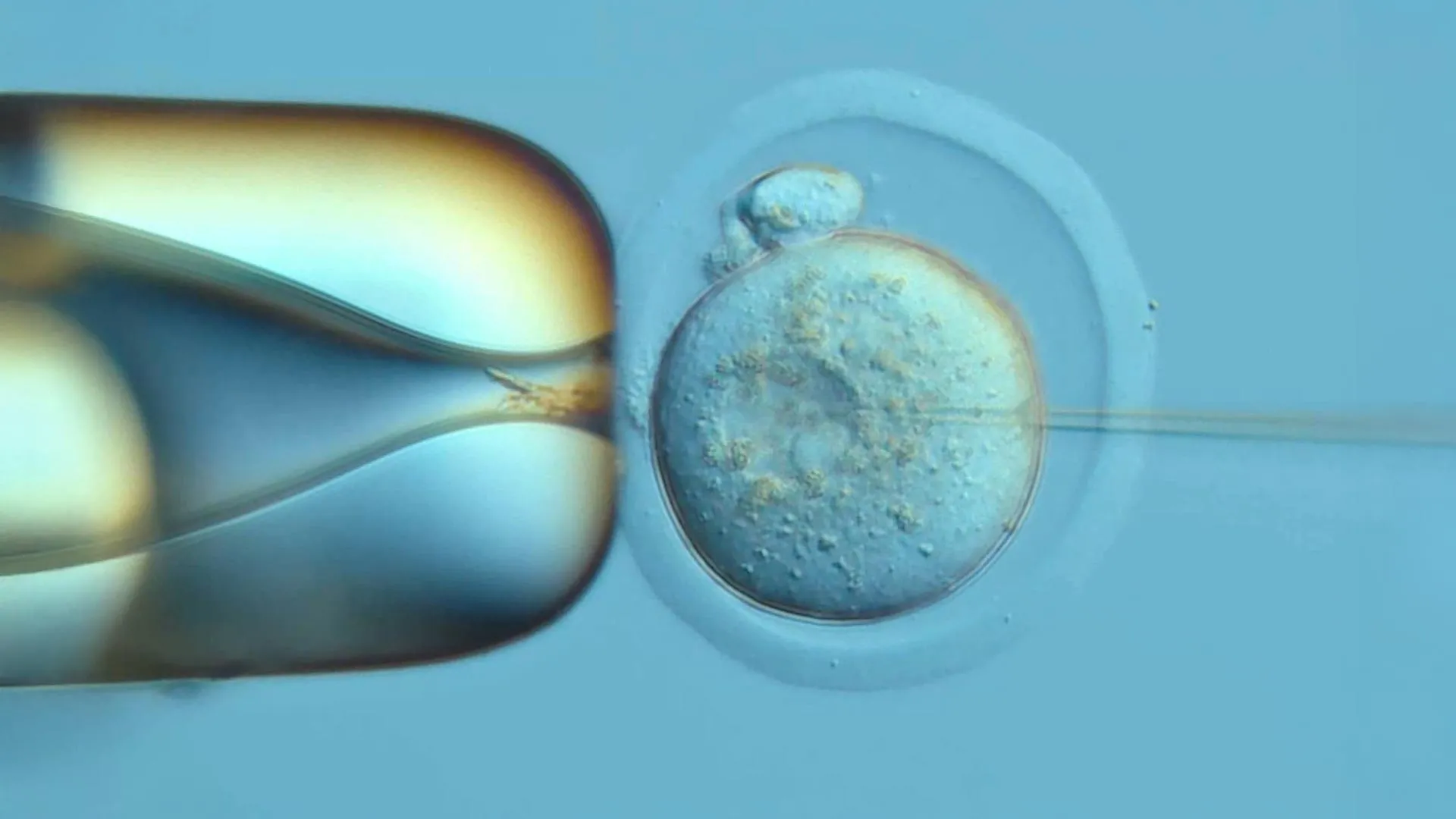
To test their hypothesis, the Rochester researchers employed advanced genetic engineering techniques. They modified mice to carry the naked mole rat’s version of the hyaluronan synthase 2 (HAS2) gene. This gene is fundamental for the synthesis of hyaluronic acid. While all mammals possess a HAS2 gene, the naked mole rat’s version appears to be particularly potent, exhibiting stronger gene expression that leads to a significantly higher production of HMW-HA.
The genetically engineered mice, carrying the naked mole rat HAS2 gene, demonstrated elevated levels of hyaluronic acid in various tissues compared to their unmodified counterparts. This molecular enhancement translated into tangible physiological benefits. The modified mice exhibited enhanced protection against spontaneous tumors and were more resistant to chemically induced skin cancer.
However, the benefits were not confined to cancer prevention. The mice engineered with the naked mole rat gene displayed a broader improvement in overall health. They experienced reduced inflammation across multiple tissues as they aged, maintained better gut health, and, crucially, lived longer. The median lifespan of these mice increased by approximately 4.4 percent compared to control mice.
Implications of the Gene Transfer: A Modest Gain, Monumental Significance
While a 4.4 percent increase in median lifespan might seem modest at first glance, the scientific implications are profound. This study represents a significant proof of concept: a biological mechanism that evolved in an exceptionally long-lived species can be successfully transferred to another mammal, leading to tangible improvements in health and longevity.
"It took us 10 years from the discovery of HMW-HA in the naked mole rat to showing that HMW-HA improves health in mice," said Gorbunova. "Our next goal is to transfer this benefit to humans." The researchers envision two primary avenues for translating these findings to human health. One approach involves developing strategies to slow the natural breakdown of HMW-HA in the human body, thereby maintaining higher levels for longer. The second approach focuses on methods to increase the body’s natural production of this protective molecule.
Andrei Seluanov elaborated on the progress, stating, "We already have identified molecules that slow down hyaluronan degradation and are testing them in pre-clinical trials. We hope that our findings will provide the first, but not the last, example of how longevity adaptations from a long-lived species can be adapted to benefit human longevity and health."
The reduction in chronic inflammation observed in the modified mice is particularly noteworthy, as chronic inflammation is a recognized driver of many age-related diseases. The researchers hypothesize that HMW-HA may exert its protective effects, in part, by modulating the immune system, although further research is needed to fully elucidate the complex mechanisms involved.
Expanding the Naked Mole Rat Narrative: Multiple Layers of Longevity
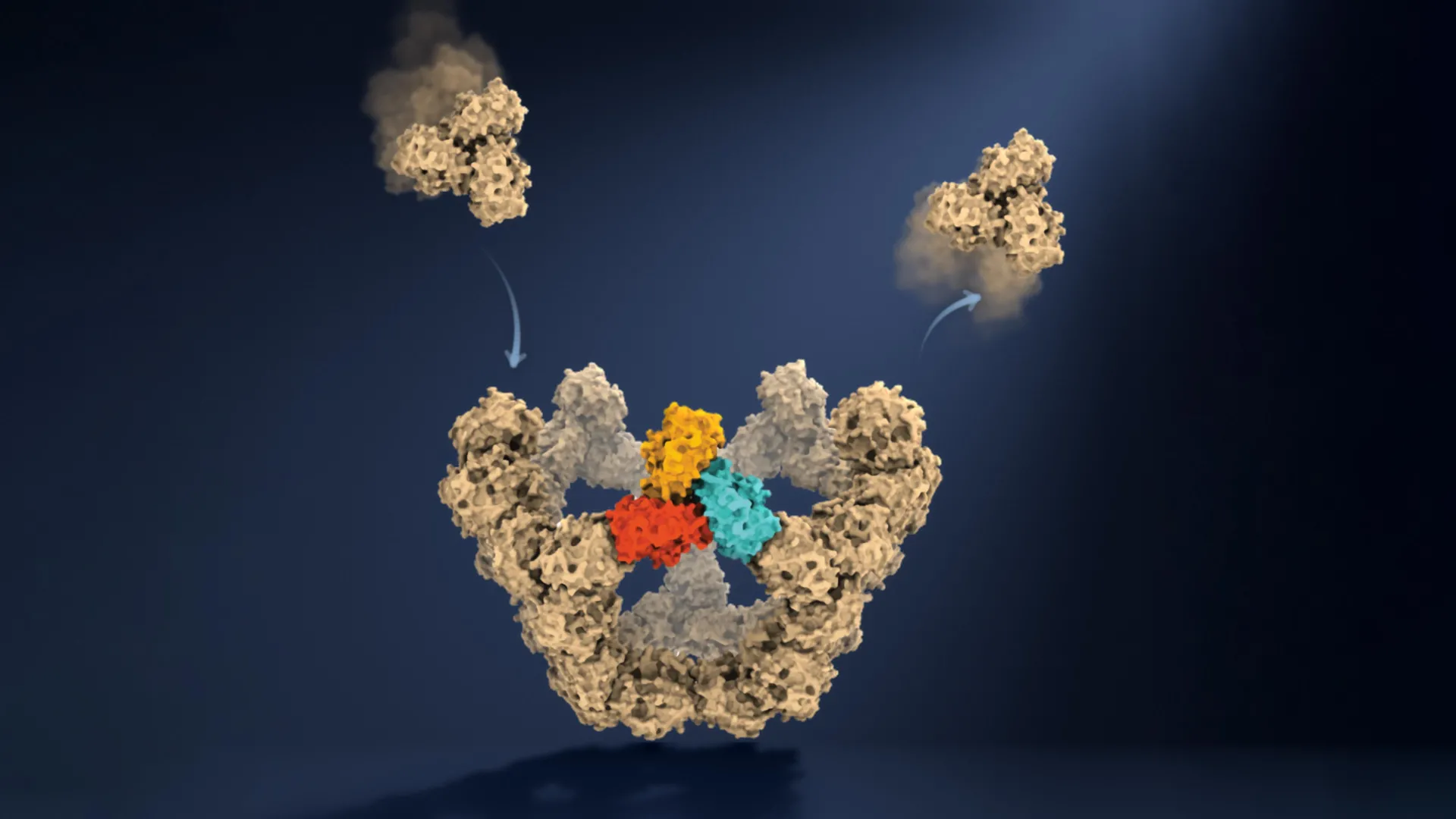
The 2023 Nature study is just one piece of the rapidly evolving understanding of naked mole rat biology. Subsequent research continues to unveil the multifaceted nature of their exceptional aging profile. A study published in Science in 2025 identified another potential longevity mechanism involving a protein called cGAS (cyclic GMP-AMP synthase). While cGAS is primarily known for its role in immune defense in humans and mice, where it can sometimes interfere with DNA repair, the naked mole rat’s version of cGAS appears to be uniquely adapted to promote more effective DNA repair. This altered function in the naked mole rat’s cGAS protein was found to enhance genome stability and delay the onset of aging in experimental models.
These newer findings do not diminish the significance of the HMW-HA research; rather, they reinforce a broader pattern. The naked mole rat’s extraordinary healthspan and longevity are likely the result of a synergistic interplay of multiple biological defenses. These include robust cancer resistance, effective inflammation control, superior DNA repair capabilities, and enhanced tissue protection.
A Blueprint for Human Healthspan: Beyond a Single Solution
The implications of these discoveries for human aging research are substantial. It is becoming increasingly clear that a single "fountain of youth" molecule is an unlikely prospect. Instead, a more realistic approach to improving human healthspan lies in understanding and potentially replicating multiple biological pathways that contribute to healthy aging. Each new insight into the naked mole rat’s biology offers scientists another potential target for intervention against the cellular and molecular processes that underpin age-related diseases.
The 2023 gene transfer study stands as a compelling demonstration of this principle. A survival strategy honed by evolution in one of the planet’s most peculiar mammals has shown the potential to enhance disease resistance, promote healthier aging, and extend lifespan in mice. The ultimate challenge now is to determine whether these same biological advantages can be safely and effectively adapted for the benefit of human healthspan, ushering in an era where age-related decline is not an inevitability, but a condition that can be significantly mitigated. The journey from the humble naked mole rat to potential human health improvements is a testament to the power of scientific curiosity and the remarkable adaptability of life itself.