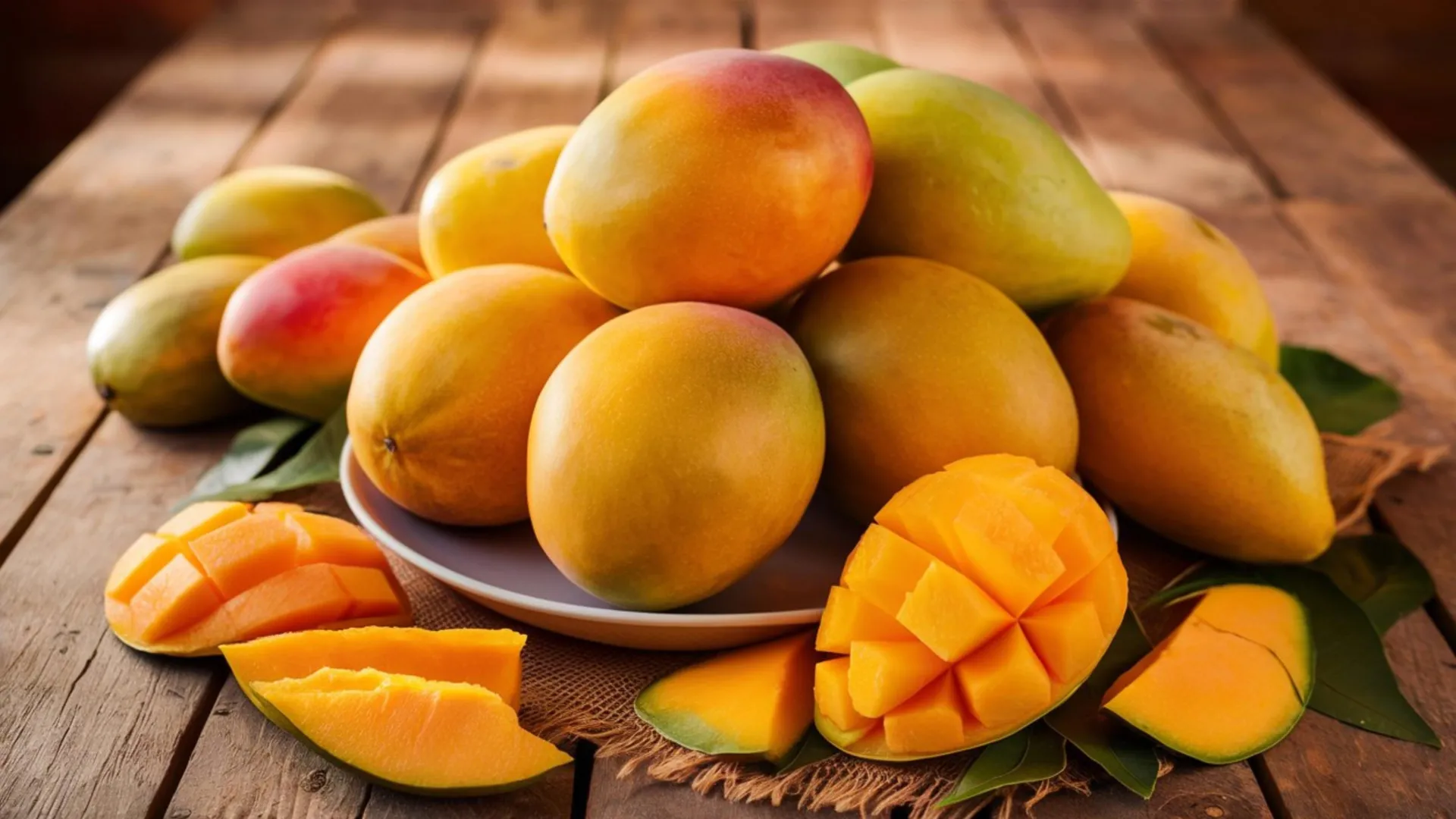
Mangoes, universally adored for their luscious sweetness and impressive nutritional profile, face a significant post-harvest challenge: rapid ripening. This inherent characteristic, while contributing to their appeal, also renders them highly susceptible to softening, moisture loss, and eventual spoilage during the critical stages of storage and transportation. Now, groundbreaking research from Hainan University is shedding light on a precise temperature sweet spot that can dramatically extend the shelf life of these beloved tropical fruits without inducing detrimental cold damage. The findings, published in the esteemed journal Tropical Plants, reveal that storing mangoes at a consistent 12°C (54°F) significantly decelerates the ripening process, preserves the fruit’s structural integrity, and, crucially, activates the mango’s inherent antioxidant defense mechanisms, offering a potent weapon against degradation.
This breakthrough has profound implications for the global tropical fruit trade, potentially revolutionizing cold-chain logistics, substantially reducing food waste, and ensuring that consumers worldwide can enjoy higher quality mangoes for longer periods. The study meticulously details the biological and molecular mechanisms at play, providing a scientific blueprint for optimizing mango preservation.
The Perils of Tropical Transport: Warm Temperatures Accelerate Mango Deterioration
In many of the world’s mango-producing regions, a common practice involves transporting harvested fruits at ambient temperatures ranging from 26°C (79°F) to 30°C (86°F). While this approach might seem practical for short-distance transit within warm climates, it presents a significant hurdle for maintaining fruit quality over extended journeys. These elevated temperatures act as accelerators for the mango’s natural metabolic processes. Respiration rates surge, leading to a more rapid breakdown of sugars and starches, and consequently, a swift softening of the flesh. This accelerated ripening cascade often results in fruits arriving at distant markets in a state of advanced maturity, diminishing their appeal and increasing the likelihood of spoilage before they reach the consumer.
The scientific community has long recognized that cooler temperatures generally slow down the ripening of fruits. However, a persistent challenge with tropical produce, including mangoes, is their sensitivity to chilling injury. When exposed to temperatures below a certain threshold, these fruits can suffer irreversible damage, manifesting as pitting, discoloration, and an impaired ability to ripen properly. For years, anecdotal evidence and preliminary observations had suggested that a temperature around 12°C was particularly effective for preserving certain mango varieties, such as the ‘Tainong No.1,’ without triggering these chilling effects. Yet, the precise biological underpinnings of this optimal temperature remained largely elusive, prompting the in-depth investigation by the Hainan University research team.
A Comprehensive Investigation: Unraveling the Science of Mango Preservation
To definitively establish the benefits and understand the underlying mechanisms of 12°C storage, the research team embarked on a rigorous comparative study. Over a period of 24 days, they meticulously monitored two groups of mangoes: one stored at the proposed optimal temperature of 12°C and another maintained at the more common, warmer storage condition of 30°C. This controlled experiment allowed for a direct assessment of how temperature differentials impacted various quality parameters of the fruit.
The scientists employed a sophisticated array of analytical techniques to capture a holistic view of mango quality degradation and preservation. Their measurements encompassed a broad spectrum of indicators, including:
- Sensory and Physical Attributes: Fruit color development, flesh firmness, and total weight loss were crucial indicators of visual appeal and structural integrity.
- Biochemical Composition: Changes in sugar content and acidity were monitored to understand the impact on flavor profile.
- Metabolic Activity: Respiration rate served as a proxy for the fruit’s metabolic activity and, by extension, its ripening pace.
- Oxidative Stress Markers: Levels of reactive oxygen species (ROS), notoriously linked to cellular damage and senescence, were precisely quantified.
- Antioxidant Capacity: The study delved into the fruit’s natural defense systems by measuring key antioxidant compounds such as vitamin C, phenolics, and flavonoids.
- Enzymatic Activity: The activity levels of crucial protective enzymes, including ascorbate peroxidase (APX), superoxide dismutase (SOD), phenylalanine ammonia-lyase (PAL), and peroxidase (POD), were assessed. These enzymes play vital roles in mitigating oxidative stress.
- Gene Expression Analysis: To gain deeper insights into the molecular pathways involved, researchers analyzed the expression of genes associated with the mango’s antioxidant defense systems.
- Microscopic Examination: Ultrastructural changes within the mango pulp cells were visualized using microscopic imaging, offering a direct look at cellular health and degradation.
Tangible Results: Cooler Storage Yields Superior Mango Quality
The comparative analysis yielded stark and compelling results, particularly after the initial 12 days of the experiment. While the mangoes stored at both temperatures exhibited some similarities in the early stages, the divergence in quality became increasingly pronounced as storage progressed.
Visual and Textural Differences: Mangoes kept at 30°C underwent rapid yellowing, a visual cue of advanced ripening. In contrast, the 12°C-stored mangoes maintained their color for a significantly longer duration, a testament to the slowed breakdown of chlorophyll. This difference was directly attributable to the reduced respiration rates at the cooler temperature.
Flavor Profile Preservation: Sugar content in the warmer-stored mangoes initially surged, reflecting rapid ripening, before eventually declining. Meanwhile, the 12°C-stored fruits demonstrated a more gradual and sustained increase in sugar levels, suggesting a slower and more controlled ripening process. Acidity, a critical component for balancing the sweetness of mangoes, dissipated much faster at 30°C. The mangoes stored at 12°C, however, retained significantly higher levels of acidity, contributing to a more desirable and prolonged flavor profile.
Physical Integrity and Weight Loss: The physical condition of the fruit revealed even more dramatic contrasts. Mangoes subjected to 30°C storage experienced substantial water loss, exceeding 17% of their initial weight. This significant dehydration contributed to their softening and reduced desirability. In stark opposition, mangoes stored at 12°C lost less than 4% of their weight, indicating superior moisture retention and a more robust physical structure. Firmness, a key indicator of freshness and texture, declined at a considerably slower pace in the cooler environment.
Cellular Level Resilience: Microscopic examination provided definitive evidence of the cellular benefits of cooler storage. Mangoes maintained at 12°C displayed remarkably intact cell walls and preserved starch granules even after 24 days of storage. This structural integrity is directly linked to the firmness and overall quality of the fruit. Conversely, mangoes stored at 30°C exhibited early signs of cell wall thinning, rapid starch depletion, and ultimately, cell collapse, underscoring the detrimental impact of elevated temperatures on fruit tissue.
Bolstering Natural Defenses: Antioxidants as Mango’s Shield
Beyond preserving physical and sensory attributes, the 12°C storage regime actively enhanced the mango’s intrinsic defense mechanisms against oxidative stress. The study revealed that cooler temperatures significantly reduced the accumulation of malondialdehyde (MDA), a marker of lipid peroxidation and oxidative damage, and curbed the production of reactive oxygen species (ROS). This reduction in oxidative stress is paramount for delaying senescence and maintaining fruit quality.
Concurrently, the 12°C environment helped preserve higher concentrations of vital antioxidant compounds, including vitamin C, phenolics, and flavonoids. These compounds act as scavengers of free radicals, neutralizing damaging ROS. Furthermore, the activity of key protective antioxidant enzymes, such as APX, SOD, PAL, and POD, remained more robust and sustained for longer periods in mangoes stored at 12°C. This enhanced enzymatic activity is critical for the fruit’s ability to cope with stress and prevent cellular deterioration.
The gene expression analysis provided a molecular explanation for these observed benefits. Researchers identified increased activity in specific antioxidant-related genes, notably MiAPX1, MiAPX2, MiSOD1, and MiSOD2. The study posits that the activation of these genes strengthens the mango’s natural defense systems, promoting redox balance and minimizing cellular damage during the storage period. Correlation analysis further cemented these findings, demonstrating a clear link between elevated ROS and MDA levels and increased fruit softening and water loss, while conversely, stronger antioxidant activity was directly associated with reduced oxidative stress and superior fruit preservation.
A Paradigm Shift for the Mango Industry: Implications for Global Trade
The findings from Hainan University offer a tangible and scientifically validated strategy for improving the post-harvest management of mangoes. The practical implications for the mango industry and cold-chain logistics are far-reaching. Maintaining storage and transportation temperatures consistently around 12°C could enable several transformative changes:
- Extended Supply Chains: Mangoes could be transported over significantly longer distances, opening up new international markets and reducing reliance on regional supply.
- Optimized Ripening: Fruits could be harvested at an optimal maturity stage and then transported to closer proximity of their final markets before being allowed to ripen naturally. This would allow for better control over the ripening process and ensure peak flavor and texture for consumers.
- Reduced Spoilage and Waste: By significantly slowing down the ripening and degradation processes, the incidence of spoilage during transit and storage could be dramatically reduced, leading to substantial economic savings and a decrease in food waste.
- Enhanced Consumer Satisfaction: Consumers would benefit from consistently higher quality mangoes with better flavor, texture, and shelf life, contributing to increased demand and market growth.
This research was supported by funding from key agricultural initiatives, including the Hainan Province Agricultural Reclamation Team Joint Innovation Project (Grant No. HKKJ202432), the National Key Research and Development Program Project (Grant No. 2023YFD2300803-7), and the Hainan University Mango Industry Technology System Construction Project. These collaborations underscore the importance placed on addressing critical challenges within the agricultural sector and highlight a commitment to advancing sustainable and efficient food production and distribution systems. The scientific community and the global mango industry will undoubtedly be watching closely as these findings are translated into practical applications, promising a future where the sweet, succulent taste of mangoes is more accessible and enjoyable for all.