Researchers from a consortium of leading international institutions have unveiled groundbreaking insights into the intricate mechanisms governing the growth and transmission of the malaria parasite, Plasmodium. Their pivotal work has identified a highly specialized protein, crucial for the parasite’s survival and its ability to transition between hosts, thereby presenting a compelling new avenue for the development of next-generation antimalarial therapeutics. This discovery, detailed in the prestigious journal Nature Communications, offers a significant leap forward in the relentless global battle against one of the world’s most devastating infectious diseases.
The Central Role of Aurora-Related Kinase 1 (ARK1)
The cornerstone of this significant research is the identification and characterization of a molecule designated as Aurora-related kinase 1 (ARK1). The collaborative study, involving esteemed scientists from the University of Nottingham (UK), the National Institute of Immunology (NII) in India, the University of Groningen (Netherlands), and the Francis Crick Institute (UK), among other global partners, illuminates ARK1’s function as a critical orchestrator within the parasite’s complex and unique reproductive processes. This protein acts as a sophisticated cellular traffic controller, meticulously guiding the parasite through its unusual phases of growth and division.
Understanding the Malaria Parasite’s Unique Biology
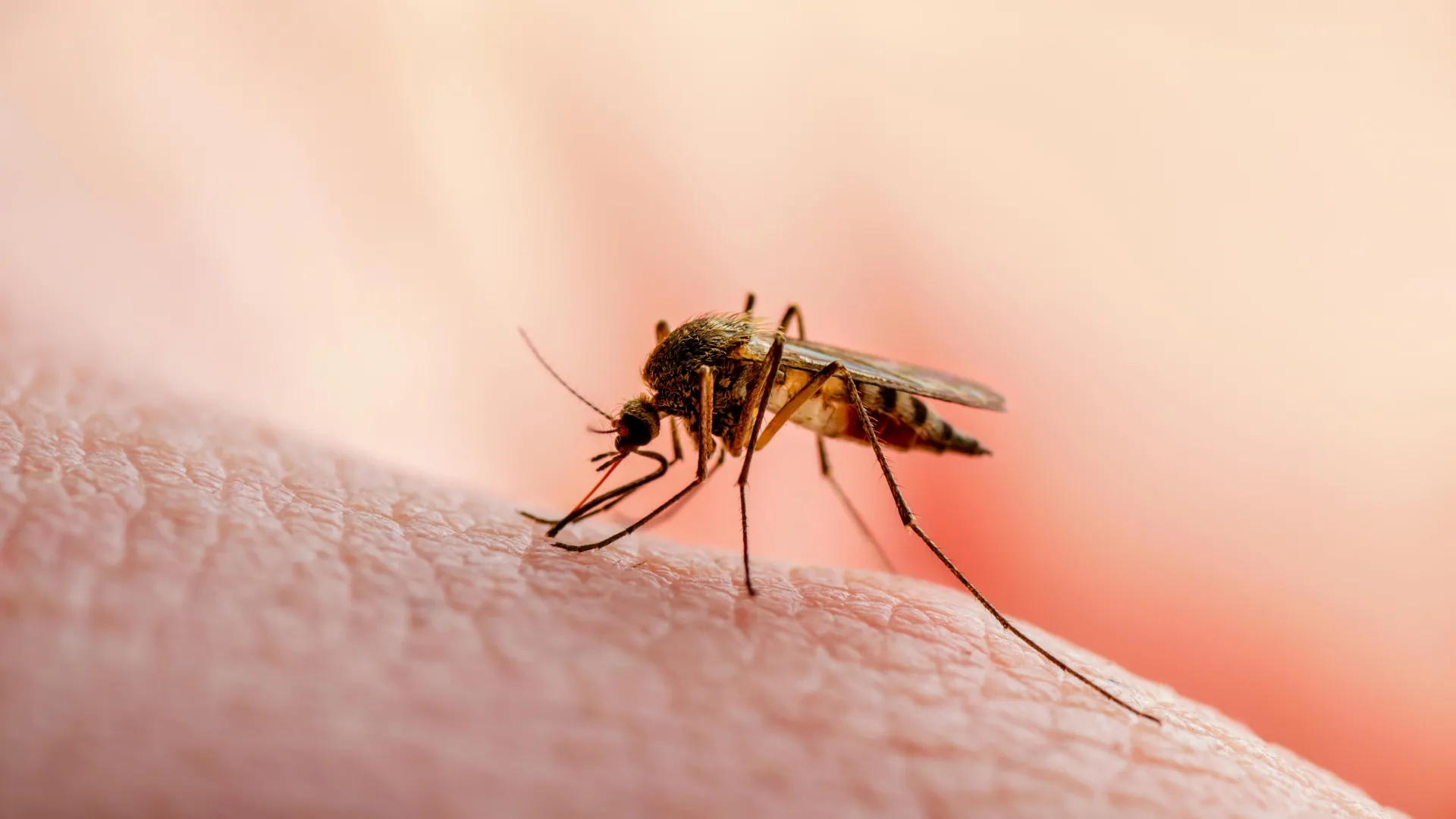
Malaria, a disease that continues to claim hundreds of thousands of lives annually, predominantly in sub-Saharan Africa, is caused by protozoan parasites of the genus Plasmodium. These single-celled organisms possess an extraordinary capacity for rapid multiplication, cycling through both human hosts and mosquito vectors. A comprehensive understanding of their cellular division and reproductive strategies is paramount to devising effective interventions and ultimately eradicating the disease.
The Plasmodium parasite distinguishes itself from human cells through a highly divergent and complex mode of growth and division. Unlike the familiar mitotic processes in human biology, the parasite employs a more intricate and less understood mechanism. The research team’s findings underscore ARK1’s central and indispensable role in this process, specifically in the organization of the spindle apparatus. The spindle is a crucial cellular structure responsible for segregating genetic material, ensuring that each newly formed daughter parasite receives a complete and accurate set of chromosomes. Without the precise functioning of ARK1, this vital step in parasite replication is critically compromised.
Disabling ARK1 Halts Parasite Development and Transmission
In controlled laboratory experiments, the researchers demonstrated a dramatic consequence when ARK1 was experimentally disabled. Parasite development across its life cycle was rapidly and effectively halted. The absence of functional ARK1 prevented the parasites from assembling functional spindles, a prerequisite for accurate cell division. This breakdown in the division machinery had a cascading effect, rendering the parasites incapable of progressing through their life cycle. Crucially, this impairment occurred in both the human host and the mosquito vector, effectively severing the chain of transmission that sustains the malaria epidemic.
Dr. Ryuji Yanase, the study’s first author from the School of Life Sciences at the University of Nottingham, eloquently captured the significance of the discovery, stating, "The name ‘Aurora’ refers to the Roman goddess of dawn, and we believe this protein truly heralds a new beginning in our understanding of malaria cell biology." This metaphorical connection highlights the dawn of a new era in malaria research, illuminated by the functional understanding of ARK1.
A Promising Therapeutic Target for Novel Antimalarial Drugs
The multifaceted life cycle of the Plasmodium parasite, which unfolds across distinct stages within both human and mosquito hosts, necessitates a highly integrated and collaborative research approach. The successful elucidation of ARK1’s function is a testament to this global scientific synergy.
Annu Nagar and Dr. Pushkar Sharma from the Biotechnology Research and Innovation Council (BRIC)-NII, New Delhi, emphasized the collaborative nature of the undertaking: "Plasmodium divides via distinct processes in the human and mosquito host, it was well and truly a team effort, which allowed us to appreciate the role of ARK1 almost simultaneously in the two hosts and shed light on novel aspects of parasite biology." This coordinated effort allowed researchers to observe ARK1’s critical role in parallel across both key hosts, providing a holistic understanding of its importance.
The scientific community is particularly buoyed by the significant evolutionary divergence between the parasite’s ARK1 system and its human cellular counterparts. Professor Tewari, a senior figure in the research team, elaborated on this crucial aspect: "What makes this discovery so exciting is that the malaria parasite’s ‘Aurora’ complex is very different from the version found in human cells. This divergence is a huge advantage. It means we can potentially design drugs that target the parasite’s ARK1 specifically, turning the lights out on malaria without harming the patient." This distinctiveness is a critical feature for drug development, as it minimizes the risk of off-target effects and toxicity in infected individuals.
Broader Impact and Implications for Global Health
The implications of this research extend far beyond the immediate scientific community. Malaria remains a formidable global health challenge, disproportionately affecting vulnerable populations in tropical and subtropical regions. According to the World Health Organization (WHO), in 2022, there were an estimated 249 million cases of malaria and 608,000 malaria deaths. The vast majority of these occurred in Africa. The development of new, effective, and accessible antimalarial drugs is therefore a pressing priority.
The identification of ARK1 as a vital parasite protein provides a tangible and promising target for the design of novel therapeutic agents. Current antimalarial drugs, while effective, face challenges such as parasite resistance and the need for complex treatment regimens. A drug specifically targeting ARK1 could offer a more precise and potentially more potent mechanism of action, disrupting the parasite’s life cycle at a fundamental level.
Timeline and Chronology of Discovery:
While specific dates for individual experimental steps are not provided in the initial report, the research process leading to this publication likely involved several years of dedicated work:
- Early-to-Mid Stage Research: Initial investigations into the cell division mechanisms of Plasmodium parasites, possibly employing advanced microscopy and genetic screening techniques to identify key proteins involved.
- Focus on Aurora Kinases: Researchers likely began to narrow their focus to the Aurora kinase family, known for their roles in cell division in various organisms. Comparative studies between parasite and human Aurora kinases would have been crucial.
- Identification of ARK1: Pinpointing ARK1 as a uniquely essential component for Plasmodium proliferation. This would have involved extensive genetic manipulation and biochemical assays.
- Functional Studies: Conducting laboratory experiments to elucidate the precise role of ARK1 in spindle formation and parasite division, both in vitro and potentially in ex vivo models.
- Host-Specific Analysis: Investigating ARK1’s function in both the human and mosquito stages of the parasite’s life cycle, confirming its broad importance.
- Drug Target Evaluation: Assessing the potential of ARK1 as a drug target, particularly its structural differences from human orthologs.
- Publication and Dissemination: Compiling findings into a comprehensive manuscript and submitting it for peer review to a high-impact scientific journal like Nature Communications.
Supporting Data and Scientific Rigor:
The findings are underpinned by rigorous scientific methodologies. The research likely involved a combination of:
- Genetic Knockout/Knockdown: Techniques such as CRISPR-Cas9 or RNA interference to precisely remove or reduce the expression of ARK1 in the parasite.
- Immunofluorescence Microscopy: Visualizing the localization and dynamics of ARK1 and spindle components within the parasite.
- Biochemical Assays: Studying the enzymatic activity of ARK1 and its interactions with other cellular proteins.
- Cell Culture and In Vivo Models: Testing the effects of ARK1 inhibition on parasite survival and replication in laboratory cultures and potentially in animal models that mimic human infection.
- Comparative Genomics and Proteomics: Analyzing the genetic and protein sequences of ARK1 across different Plasmodium species and comparing them to human Aurora kinases to highlight structural differences.
Official Responses and Expert Opinions:
While direct quotes from major antimalaria organizations are not available in the initial release, the scientific community’s reaction is expected to be overwhelmingly positive. Leaders in global health and infectious disease research will likely view this discovery as a significant advancement. Organizations such as the WHO, the Bill & Melinda Gates Foundation, and the Global Fund to Fight AIDS, Tuberculosis and Malaria, which are heavily invested in malaria eradication efforts, will closely monitor further developments in drug discovery based on this target. Experts in parasitology and drug development are likely to commend the international collaboration and the innovative approach taken by the researchers.
Broader Impact and Future Directions:
The discovery of ARK1’s critical role opens up a new frontier in the fight against malaria. The potential for developing highly specific antimalarial drugs that target this protein offers a much-needed boost to global eradication efforts. This research not only provides a deeper understanding of fundamental parasite biology but also lays the groundwork for tangible therapeutic interventions.
Future research will likely focus on:
- Structure-Based Drug Design: Determining the three-dimensional structure of Plasmodium ARK1 to facilitate the design of small molecules that can effectively inhibit its activity.
- Pre-clinical and Clinical Trials: Evaluating the efficacy and safety of ARK1-targeting drugs in laboratory settings and eventually in human clinical trials.
- Resistance Monitoring: Investigating the potential for parasites to develop resistance to ARK1 inhibitors and developing strategies to mitigate this risk.
- Broader Applications: Exploring whether similar Aurora-related kinases play critical roles in other parasitic diseases, potentially leading to new therapeutic strategies for a range of neglected tropical diseases.
By revealing the intricate workings of this essential molecular machinery, this research provides a clearer and more actionable roadmap for developing drugs that can effectively disrupt the malaria parasite’s life cycle and, ultimately, prevent its devastating transmission. The scientific pursuit of a malaria-free world has just gained a powerful new ally in the form of Aurora-related kinase 1.