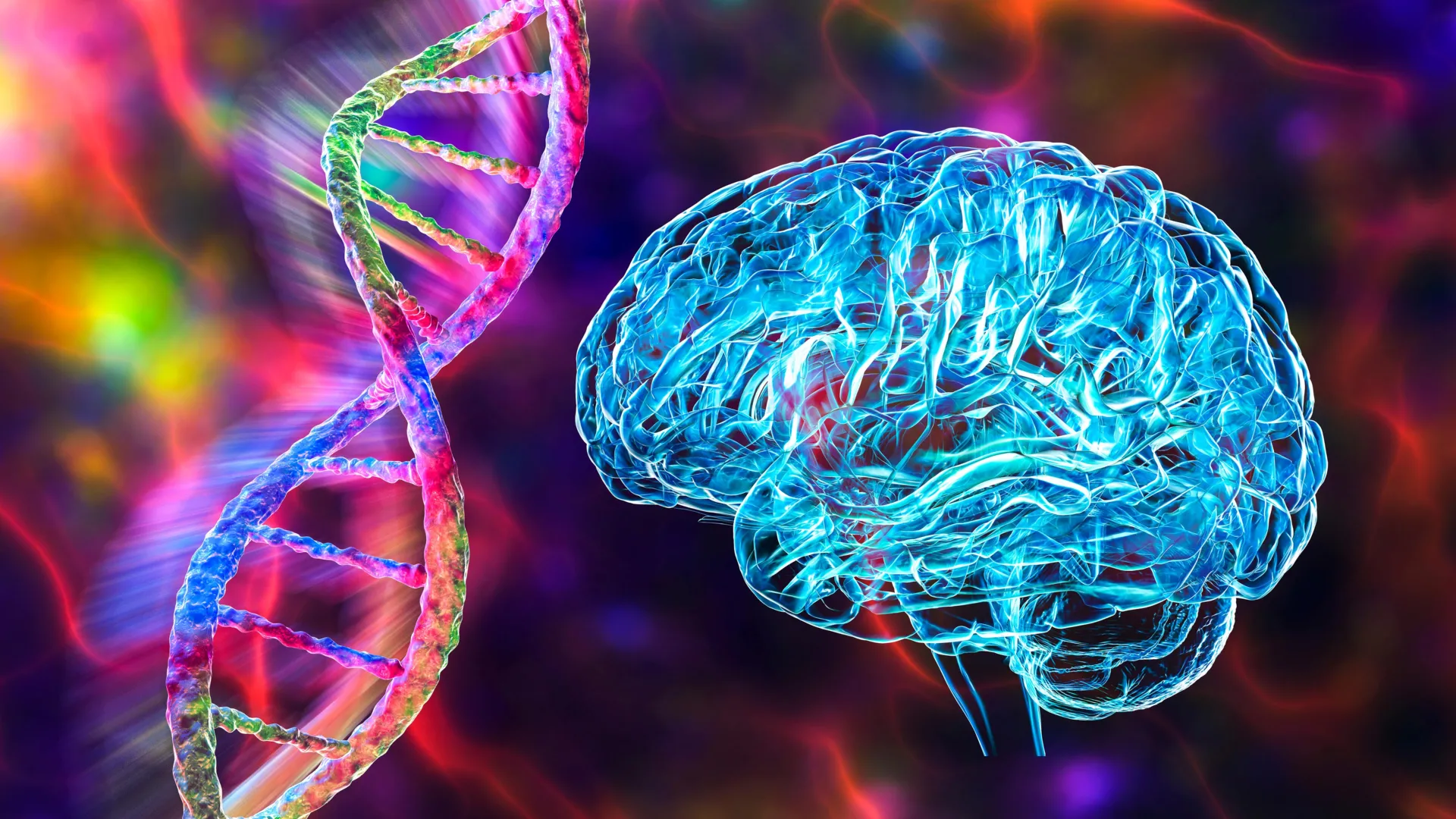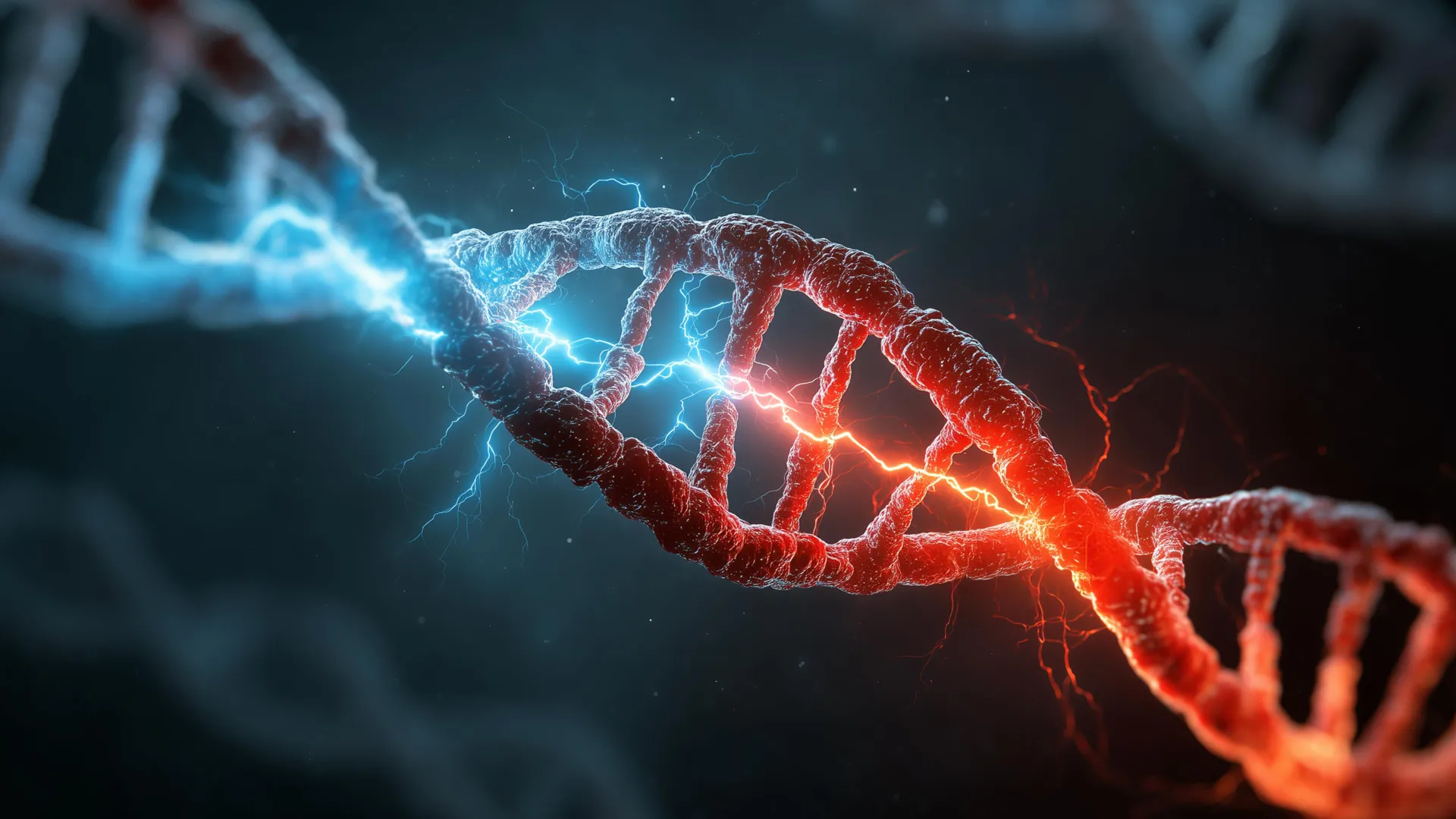
In a landmark study that bridges the traditionally separate fields of neurology and oncology, researchers at the Houston Methodist Research Institute have identified a critical molecular link between neurodegenerative diseases and the development of cancer. The investigation, led by Muralidhar L. Hegde, Ph.D., reveals that the protein TDP43, long associated with amyotrophic lateral sclerosis (ALS) and frontotemporal dementia (FTD), plays a fundamental role in regulating DNA mismatch repair (MMR). This cellular system acts as a biological "spell-checker," correcting errors that occur during the replication of genetic material. The findings, recently published in the journal Nucleic Acids Research, suggest that the dysregulation of this single protein can trigger a cascade of genetic instability, leading to either the death of neurons in the brain or the proliferation of mutations in tumors.
The discovery represents a significant paradigm shift in how scientists view the progression of age-related diseases. For decades, TDP43 was primarily characterized as an RNA-binding protein responsible for splicing and transport within the cell. However, the Houston Methodist team has demonstrated that TDP43 is a master regulator of the machinery responsible for genomic integrity. When the levels of TDP43 deviate from a very narrow physiological range—either becoming too scarce or too abundant—the DNA repair system becomes hyperactive or dysfunctional, ultimately destabilizing the genome and predisposing the individual to severe health complications.
The Mechanics of DNA Mismatch Repair and the Role of TDP43
To understand the weight of this discovery, one must first look at the fundamental importance of DNA mismatch repair. Every time a human cell divides, it must copy three billion base pairs of DNA. This process is remarkably accurate, but errors inevitably occur, such as the insertion of the wrong nucleotide or the accidental skipping of a segment. The MMR system is the body’s primary defense against these "mismatches." If left uncorrected, these errors become permanent mutations, which can lead to cellular malfunction or the uncontrolled growth characteristic of cancer.
Dr. Hegde and his colleagues discovered that TDP43 acts as a governor for the genes that produce MMR proteins. Under normal conditions, TDP43 ensures that these repair enzymes are produced in just the right amounts. However, the study found a "Goldilocks" effect: if TDP43 levels are too low (as is often seen in the functional loss associated with ALS) or too high (as observed in certain aggressive cancers), the MMR genes become overexpressed.
Contrary to what might be expected, more repair activity is not necessarily better. The researchers found that excessive MMR activity can be just as damaging as a lack of repair. When the repair machinery becomes overactive, it can begin to "repair" sections of the genome that do not require intervention, or it can cause physical stress to the DNA strands, leading to double-strand breaks. In the context of the brain, this genomic stress leads to the death of neurons, a hallmark of neurodegeneration. In other tissues, the resulting instability can lead to the rapid accumulation of mutations that drive tumor growth.
A New Link Between Neurodegeneration and Oncology
The implications of this research extend far beyond the laboratory. By analyzing extensive cancer databases, including the Cancer Genome Atlas, the Houston Methodist team discovered a startling correlation: tumors with high levels of TDP43 also possessed a significantly higher "mutation load." This term refers to the total number of mutations found within the DNA of a cancer cell. A higher mutation load often correlates with more aggressive tumor behavior and different responses to immunotherapy.
"This tells us that the biology of this protein is broader than just ALS or FTD," noted Dr. Hegde, who serves as a professor of neurosurgery and a leading member of the Center for Neuroregeneration. "In cancers, this protein appears to be upregulated and linked to increased mutation load. That puts it at the intersection of two of the most important disease categories of our time: neurodegeneration and cancer."
This dual-threat nature of TDP43 provides a potential explanation for why certain patients may be predisposed to both types of conditions, or why certain genetic pathways are implicated in both the wasting of the nervous system and the growth of malignant cells. It suggests that the "stability" of the genome is a fragile equilibrium maintained by a small number of critical proteins, with TDP43 serving as a primary anchor.
Chronology of Discovery: From Splicing to DNA Repair
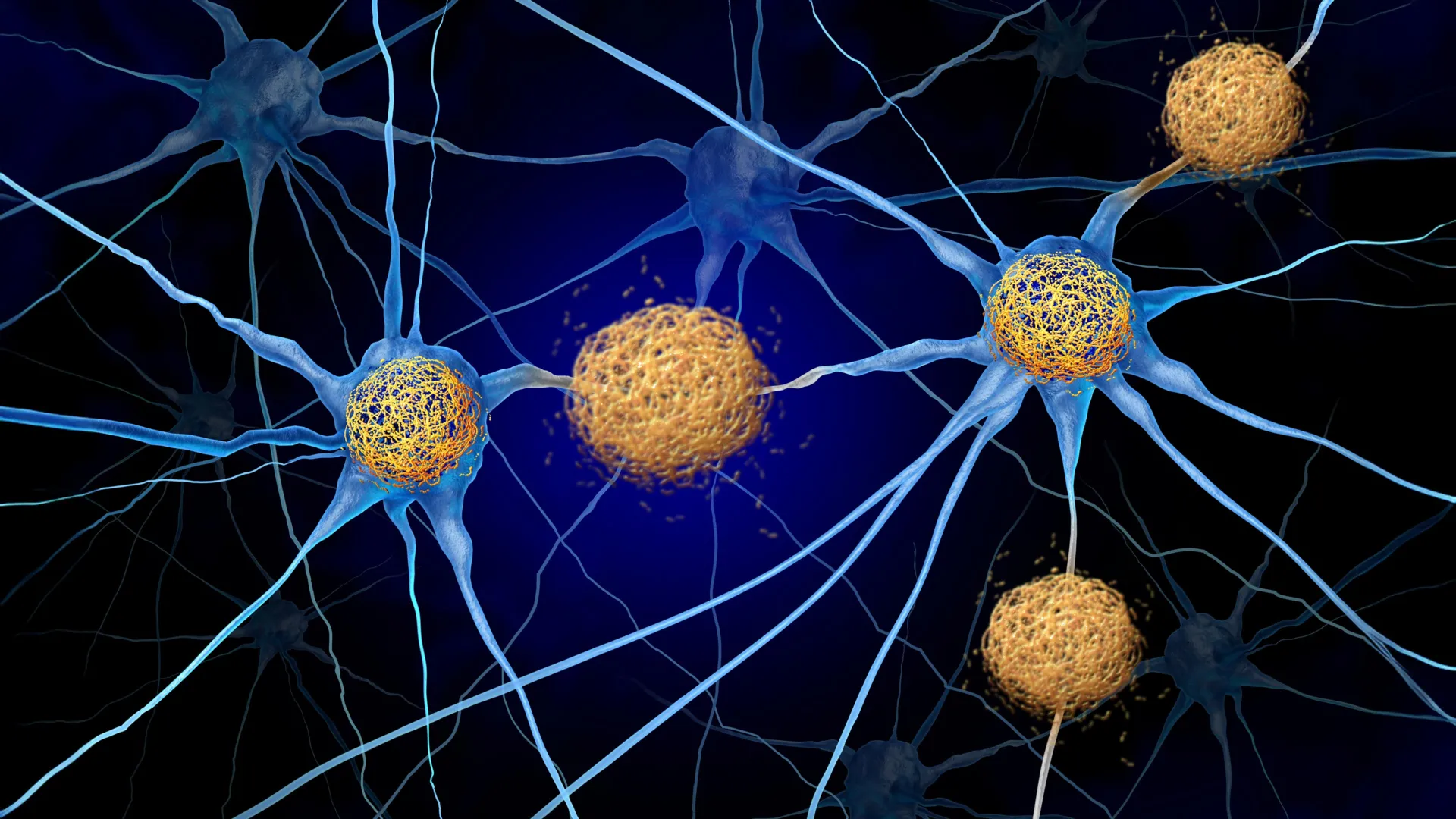
The journey to this discovery has been decades in the making. TDP43 was first identified in the mid-1990s, but its role in disease did not become clear until 2006, when researchers discovered that clumps of the protein were a defining feature of ALS and FTD. For the next fifteen years, the scientific community focused heavily on how these protein aggregates—essentially "clumps" of misfolded TDP43—were toxic to brain cells.
However, the Houston Methodist team took a different approach, looking not just at the clumps themselves, but at the functional role of the protein before it aggregates. Over the last five years, advancements in genomic sequencing and CRISPR-Cas9 gene-editing technology allowed the researchers to observe what happens to the entire genome when TDP43 is manipulated.
In 2021 and 2022, preliminary data from the Hegde lab began to suggest that TDP43 was interacting with DNA in ways that had never been documented. By 2023, the team had narrowed their focus to the mismatch repair pathway. The final phase of the study involved a massive collaborative effort, pulling in data from oncology experts and neuroscientists to confirm that the patterns observed in the lab held true in human clinical data.
Supporting Data and Technical Nuance
The study utilized a multi-omic approach, combining transcriptomics (the study of RNA) and proteomics (the study of proteins) to map the influence of TDP43. The researchers found that TDP43 specifically regulates the expression of key MMR proteins such as MSH2, MSH6, and MLH1.
In cellular models where TDP43 was depleted—simulating the conditions of an ALS-affected brain—the researchers observed a 2.5-fold increase in the activity of these repair genes. This hyper-activity was directly linked to an increase in DNA strand breaks. Conversely, in cancer cell lines where TDP43 was overexpressed, the mutation rate increased by nearly 40% compared to control groups.
Perhaps most significantly, the researchers demonstrated that they could "rescue" the damaged cells. By using small molecules to inhibit the overactive DNA repair enzymes, they were able to reduce the level of cellular damage in laboratory models. This finding is a critical proof-of-concept for future pharmaceutical development, suggesting that drugs targeting the DNA repair process could potentially slow the progression of ALS.
Collaborative Efforts and Official Responses
The research was a highly collaborative endeavor, involving institutions from across the United States. Key contributors included Vincent Provasek, Suganya Rangaswamy, and several other specialists from Houston Methodist, as well as experts from the MD Anderson Cancer Center, the University of Massachusetts, UT Southwestern Medical Center, and Binghamton University.
The multidisciplinary nature of the team was essential for bridging the gap between neurology and oncology. "DNA repair is one of the most fundamental processes in biology," Dr. Hegde emphasized. The involvement of the MD Anderson Cancer Center was particularly vital for validating the protein’s role in human tumors, providing the statistical weight needed to confirm the cancer connection.
The study was supported by the National Institute of Neurological Disorders and Stroke (NINDS) and the National Institute on Aging (NIA), branches of the National Institutes of Health (NIH). Additional funding came from the Sherman Foundation Parkinson’s Disease Research Challenge Fund, highlighting the broad interest in how protein dysregulation affects a variety of neurological conditions beyond just ALS.
Broader Impact and Future Clinical Implications
The discovery that TDP43 regulates DNA mismatch repair opens several new avenues for clinical research. First, it suggests that TDP43 could serve as a biomarker. In the future, doctors might be able to test a patient’s TDP43 levels to assess their risk for certain cancers or to track the progression of neurodegenerative diseases.
Second, the study provides a new target for drug discovery. Current treatments for ALS are largely palliative, focusing on managing symptoms rather than stopping the underlying biological decline. If overactive DNA repair is a primary driver of neuronal death, then developing inhibitors that specifically target the MMR machinery in the brain could offer a way to preserve motor function in ALS patients.
In the oncology sector, understanding the role of TDP43 could lead to more personalized cancer therapies. If a tumor is known to have high levels of TDP43, clinicians might choose specific chemotherapies that are more effective against cells with high mutation loads or impaired DNA repair mechanisms.
Finally, this research underscores the importance of basic biological research. By investigating the fundamental mechanics of how a single protein interacts with the genome, the Houston Methodist team has revealed a hidden link between two of the most feared diagnoses in modern medicine. This unified theory of disease—linking the "wear and tear" of the brain with the "uncontrolled growth" of cancer through the lens of genomic instability—may eventually lead to a new era of preventative and regenerative medicine.
As scientists continue to unravel the complexities of TDP43, the goal remains clear: to turn these molecular insights into tangible treatments that can protect the integrity of the human genome and, by extension, the health of the human mind and body.