A groundbreaking pair of studies published on October 8 in the journal Nature has fundamentally altered the scientific understanding of how paternal age influences the genetic health of offspring. For decades, it was widely assumed that the increase in genetic disorders associated with older fathers was primarily the result of a steady accumulation of random "copy-and-paste" errors during the lifelong process of sperm production. However, new evidence from the Wellcome Sanger Institute, King’s College London, and Harvard Medical School suggests a far more complex and active biological process. The research reveals that certain harmful DNA mutations are not merely accidental; they are actively favored by a form of natural selection occurring within the male testes, allowing them to proliferate and become more common as men age.
This phenomenon, often referred to as "selfish spermatogonial selection," means that mutations which might be devastating to a developing embryo can actually provide a competitive advantage to the precursor cells that produce sperm. By mapping the entire sperm genome across a diverse age range of men, scientists have provided the most detailed look yet at the hidden genetic risks that accumulate over a lifetime.
The Biological Mechanism: Why "Selfish" Mutations Thrive
To understand these findings, one must look at the unique way sperm are produced. Unlike eggs, which are all present in a female at birth, sperm are produced continuously throughout a man’s life. This involves constant cell division of spermatogonial stem cells. In any tissue that undergoes rapid and frequent renewal, there is a risk that mutations will occur.
In most parts of the body—such as the skin or the lining of the gut—these mutations might lead to "clonal expansion," where a mutated cell survives better or divides faster than its neighbors, potentially leading to cancer. In the testes, the same logic applies. If a mutation occurs in a stem cell that makes it divide more rapidly or resist cell death, that "clone" of mutated cells will eventually occupy a larger portion of the testis. Consequently, a higher percentage of the sperm produced will carry that specific mutation.
The tragedy of this biological efficiency is that the very mutations that make a sperm-producing cell "fit" within the environment of the testis are often the same mutations that cause severe developmental disorders, such as achondroplasia (a form of dwarfism), Apert syndrome, or various childhood cancers and neurodevelopmental conditions like autism and schizophrenia.
Methodology: Precision Sequencing and the TwinsUK Cohort
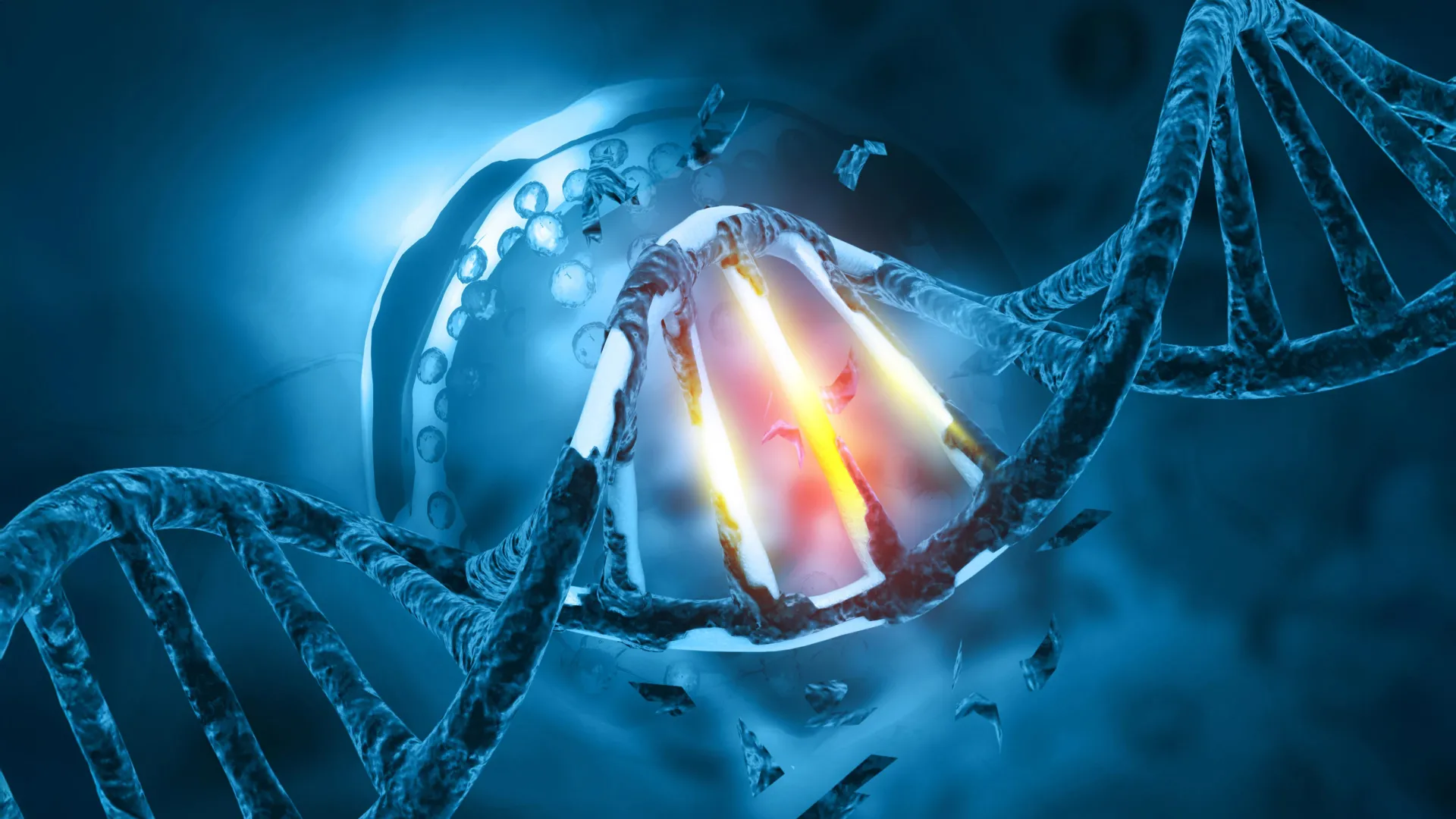
The first of the two Nature studies utilized a revolutionary DNA sequencing technology known as NanoSeq. Developed at the Wellcome Sanger Institute, NanoSeq allows researchers to study mutations in non-dividing cells or small populations of cells with unprecedented accuracy—essentially finding a single genetic needle in a haystack of billions of DNA base pairs.
The research team analyzed sperm samples from 81 healthy men, ranging in age from 24 to 75. These participants were drawn from the TwinsUK cohort, the United Kingdom’s largest adult twin registry. By utilizing this well-documented population, the researchers were able to account for a wide range of genetic backgrounds and lifestyle factors.
The data provided a startlingly clear correlation between age and the prevalence of harmful mutations. In men in their early 30s, approximately 2 percent of sperm carried mutations known to be associated with disease. By the time men reached their 40s and 50s, this figure rose to between 3 and 5 percent. Among the 70-year-old participants, the proportion of mutated sperm reached 4.5 percent on average. While these percentages may seem small, in the context of the millions of sperm produced, they represent a significant increase in the statistical risk of passing on a de novo (new) mutation to a child.
Mapping the 40 "High-Risk" Genes
The researchers were able to pinpoint 40 specific genes that appear to benefit most from this internal selection process. While 13 of these genes had been previously identified in smaller studies, the new research expanded the list significantly. Many of these genes are regulators of the RAS-MAPK signaling pathway, which controls how cells grow and divide.
When these genes mutate, they can effectively "supercharge" the stem cell, allowing it to outcompete healthy cells. However, when these same mutated genes are present in a fertilized egg, they disrupt the delicate choreography of embryonic development. The study found that these mutations are linked to:
- Neurodevelopmental Disorders: Including conditions that affect cognitive function and physical development.
- Skeletal Dysplasias: Conditions affecting bone growth.
- Inherited Cancer Risks: Specifically mutations that predispose children to early-onset leukemias or solid tumors.
A Second Perspective: The Parent-Child Trio Analysis
In a complementary study published simultaneously in Nature, a team led by Harvard Medical School and the Sanger Institute approached the problem from the opposite direction. Rather than looking at the sperm of healthy men, they analyzed the DNA of over 54,000 parent-child trios (mother, father, and child) and an additional 800,000 healthy individuals.
By looking at mutations that had already been passed on to children, they confirmed the findings of the sperm-mapping study. They identified more than 30 genes where mutations gave sperm a competitive edge. Most strikingly, they found that these specific mutations can increase the mutation rate in sperm by roughly 500-fold compared to the background mutation rate of the rest of the genome.
This 500-fold increase explains a long-standing mystery in genetics: why certain rare disorders appear with surprising frequency in children whose parents show no signs of the mutation in their own blood or skin cells. It also shed light on a potential pitfall in genetic testing. The researchers noted that because these mutations are so common in the sperm of older men, some genes may appear to be "hotspots" for disease in large-scale data analysis, potentially leading to false-positive associations between certain genes and specific diseases.
Chronology of Scientific Understanding
The link between paternal age and genetic risk is not a new concept, but our understanding of it has evolved through several distinct phases:
- Early 20th Century: Physicians first noted that certain conditions, like achondroplasia, were more common in children born to older fathers.
- The 1950s-1980s: The "Paternal Age Effect" was formally described, but it was assumed to be a result of the sheer number of chromosomal replications (roughly 23 per year) leading to random errors.
- The 2000s: Researchers began to suspect that random error alone couldn’t explain the high frequency of certain mutations, leading to the "Selfish Spermatogonial Selection" hypothesis.
- 2024: With the advent of NanoSeq and massive trio-analysis datasets, scientists have finally been able to prove the hypothesis and map the specific genes involved across the entire genome.
Statements from the Research Leadership
The implications of the study have prompted significant reflection from the scientific community. Dr. Matthew Neville, the first author of the Sanger Institute study, expressed surprise at the magnitude of the findings. "We expected to find some evidence of selection shaping mutations in sperm. What surprised us was just how much it drives up the number of sperm carrying mutations linked to serious diseases," he stated.
Professor Matt Hurles, Director of the Wellcome Sanger Institute and a co-author, emphasized the "hidden" nature of this risk. "Our findings reveal a hidden genetic risk that increases with paternal age. Some changes in DNA not only survive but thrive within the testes, meaning that fathers who conceive later in life may unknowingly have a higher risk of passing on a harmful mutation to their children."
Professor Kerrin Small of King’s College London highlighted the importance of long-term population studies like TwinsUK. "By working with the TwinsUK cohort, we could include valuable longitudinal samples linked to rich health and genetic information, allowing us to explore how mutations accumulate and evolve with age in healthy individuals," she noted, thanking the participants for their role in advancing human inheritance science.
Finally, Dr. Raheleh Rahbari, the senior author and Group Leader at the Wellcome Sanger Institute, challenged the traditional view of the "protected" male germline. "There’s a common assumption that because the germline has a low mutation rate, it is well protected. But in reality, the male germline is a dynamic environment where natural selection can favor harmful mutations, sometimes with consequences for the next generation."
Broader Implications for Reproductive Health and Society
As the average age of fatherhood continues to rise in many developed nations—driven by economic, social, and educational factors—the findings of these studies take on a new level of urgency.
Refining Risk Assessments: Current reproductive counseling often focuses heavily on maternal age and the risk of chromosomal abnormalities like Down syndrome. These new studies suggest that paternal age also warrants careful consideration, particularly regarding single-gene (monogenic) disorders that are not typically screened for in standard prenatal tests.
The Future of IVF and Screening: There is potential for this research to inform the development of new screening technologies for use in assisted reproduction. If scientists can identify which mutations are most likely to undergo "selfish selection," they may be able to develop non-invasive ways to screen sperm samples for these specific high-risk variants.
Environmental and Lifestyle Factors: The study opens the door to investigating how external factors might influence this internal selection process. Do smoking, diet, or exposure to environmental toxins accelerate the "selfish" expansion of mutated cells in the testes? Further research will be required to determine if lifestyle interventions can mitigate the genetic risks associated with aging.
A Statistical Caveat: It is important to note, as the researchers do, that while the percentage of mutated sperm increases, the vast majority of sperm—over 95 percent even in older men—remain free of these specific harmful mutations. Furthermore, many mutations that occur may lead to sperm that are incapable of fertilization or embryos that do not survive the earliest stages of pregnancy, acting as a secondary, natural "quality control" mechanism.
The work of the Wellcome Sanger Institute and its partners marks a definitive shift in the field of genomics. By proving that the male body can actively, albeit unintentionally, promote the survival of disease-linked genetic traits, these studies provide a vital roadmap for protecting the health of future generations in an aging society.