For more than six decades, metformin has served as the cornerstone of pharmacological management for type 2 diabetes. Since its clinical introduction in the late 1950s, it has become the most widely prescribed glucose-lowering medication globally, praised for its efficacy, safety profile, and low cost. However, despite its ubiquity in modern medicine, the precise biological mechanisms through which metformin exerts its glucose-lowering effects have remained a subject of intense scientific debate. Traditionally, the medical community has attributed the drug’s primary action to the liver and the gastrointestinal tract. Now, a groundbreaking study led by researchers at Baylor College of Medicine and published in Science Advances has identified an entirely different regulatory center: the brain.
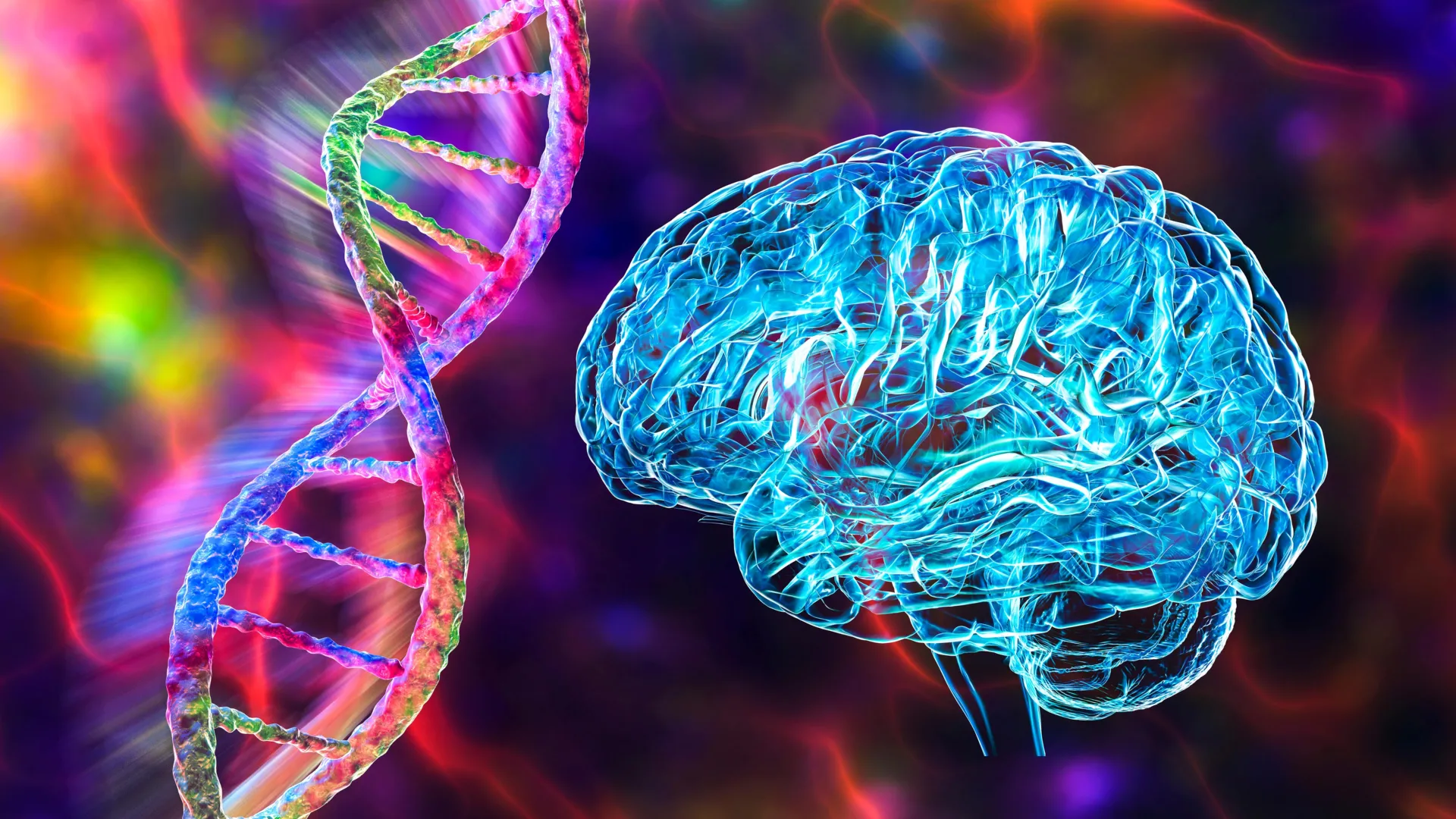
The research, spearheaded by Dr. Makoto Fukuda, an associate professor of pediatrics-nutrition at Baylor, reveals that metformin interacts with a specific protein in the brain to modulate blood sugar levels. By uncovering this brain-based pathway, the study challenges the long-held "liver-centric" view of metformin’s function and suggests that the central nervous system plays a far more critical role in metabolic regulation than previously recognized. This discovery not only provides a missing piece of the metformin puzzle but also paves the way for the development of next-generation diabetes therapies that could target the brain directly.
A Historical Context: The Evolution of Metformin
To understand the significance of the Baylor study, one must look at the history of metformin. The drug’s origins trace back to the Middle Ages, when the herb Galega officinalis (French lilac) was used to treat frequent urination, a hallmark symptom of what we now know as diabetes. In the 1920s, scientists identified guanidine compounds in the plant as the active glucose-lowering agents. However, it wasn’t until 1957 that French physician Jean Sterne first used metformin (dimethylbiguanide) to treat humans.
While metformin was approved in the United Kingdom in 1958 and Canada in 1972, the United States Food and Drug Administration (FDA) did not approve it until 1995. This delay was largely due to concerns over lactic acidosis, a rare but serious side effect observed with other biguanides like phenformin. Once approved, metformin quickly rose to prominence. Current clinical guidelines from the American Diabetes Association (ADA) and the European Association for the Study of Diabetes (EASD) continue to recommend metformin as the first-line therapy for type 2 diabetes due to its ability to lower HbA1c levels and its potential cardiovascular benefits.
Until recently, the consensus was that metformin primarily worked by inhibiting gluconeogenesis—the process by which the liver produces glucose—and by increasing insulin sensitivity in muscle tissue. Recent years also saw the emergence of the "gut-centric" theory, suggesting that metformin alters the gut microbiome and stimulates the secretion of glucagon-like peptide-1 (GLP-1). The Baylor findings do not necessarily negate these roles but rather add a sophisticated layer of central nervous system control that may coordinate these peripheral actions.
The Role of the Ventromedial Hypothalamus and Rap1
The focus of the Baylor study was the ventromedial hypothalamus (VMH), a region of the brain long associated with the regulation of appetite, energy expenditure, and glucose sensing. Within this region, the researchers identified a small signaling protein known as Rap1. Rap1 is a member of the Ras family of GTPases and is known to be involved in various cellular processes, including cell adhesion and signal transduction.
The research team hypothesized that metformin might influence glucose metabolism by modulating Rap1 activity within the VMH. To test this, they utilized a series of sophisticated mouse models. Specifically, they developed genetically engineered mice that lacked the Rap1 protein specifically in the VMH neurons. Both the control mice (with Rap1) and the experimental mice (without Rap1) were placed on a high-fat diet designed to induce obesity and insulin resistance, mimicking the conditions of human type 2 diabetes.
The results were striking. When the diabetic mice were treated with clinically relevant low doses of metformin, those with intact Rap1 showed significant improvements in blood sugar levels. However, in the mice lacking Rap1 in the VMH, metformin failed to lower blood glucose. This provided the first clear evidence that the presence of Rap1 in the brain is a prerequisite for metformin’s anti-diabetic action at lower dosages.
Experimental Chronology and Direct Brain Administration
The study followed a rigorous chronological progression to isolate the brain’s role from peripheral organ functions. After identifying the necessity of Rap1, the team sought to determine if metformin could act directly on the brain, bypassing the liver and gut entirely.
In a pivotal phase of the experiment, researchers delivered metformin directly into the cerebral ventricles of diabetic mice using a technique called intracerebroventricular (ICV) injection. The doses used were remarkably small—thousands of times lower than the doses typically administered orally or systemically. Despite the minute concentration, the direct brain administration resulted in a rapid and significant reduction in blood sugar levels.
"This was a critical finding," Dr. Fukuda noted during the presentation of the data. "It demonstrated that the brain is exquisitely sensitive to metformin. While the liver and intestines require high concentrations of the drug to respond, the brain can trigger a systemic glucose-lowering response at much lower levels."
This finding suggests that the "therapeutic window" for metformin in the brain is much wider than in the periphery. It also explains why systemic administration of metformin, which eventually crosses the blood-brain barrier in small amounts, is effective even if the concentration reaching the brain is low compared to the concentration in the gut or liver.
Mapping the Cellular Pathway: SF1 Neurons
The researchers went a step further to identify the specific cellular architecture involved in this process. They focused on Steroidogenic Factor 1 (SF1) neurons, which are the predominant neuronal type in the VMH known for regulating glucose homeostasis.
Using electrophysiological recordings from brain tissue slices, the team measured the firing rates of SF1 neurons in response to metformin. They found that metformin significantly increased the electrical activity of the majority of these neurons. Crucially, this activation occurred only when Rap1 was present. In the absence of Rap1, metformin had no effect on the firing rate of SF1 neurons.
This led to the conclusion that metformin activates a Rap1-dependent signaling pathway within SF1 neurons. Once activated, these neurons send signals to peripheral organs—potentially via the autonomic nervous system—to suppress glucose production and enhance glucose uptake. This "top-down" regulatory mechanism provides a new perspective on how the body maintains glycemic balance.
Comparative Efficacy and Supporting Data
To ensure that the lack of response in Rap1-deficient mice was specific to metformin and not a general failure of glucose regulation, the researchers tested other common diabetes medications. They administered insulin and GLP-1 receptor agonists (a class of drugs that includes popular medications like semaglutide) to the mice lacking Rap1 in the VMH.
The data showed that these other treatments remained fully effective in lowering blood sugar in the Rap1-deficient mice. This distinction is vital because it proves that Rap1 in the VMH is a specific mediator for metformin’s pathway, rather than a universal gateway for all metabolic drugs. It highlights metformin’s unique pharmacological fingerprint and suggests that combining metformin with drugs that act through different pathways could provide synergistic benefits.
Supporting data from the study also indicated that metformin’s effect on the brain is independent of its known activation of AMPK (adenosine monophosphate-activated protein kinase) in the liver. While liver AMPK has long been considered the "master switch" for metformin, the Baylor study suggests that the brain-Rap1-SF1 axis operates as a parallel, and perhaps even more sensitive, regulatory circuit.
Official Responses and Scientific Implications
The publication of these findings in Science Advances has garnered significant attention from the global endocrinology community. While the research was conducted in animal models, the highly conserved nature of the hypothalamus and Rap1 protein across mammalian species, including humans, suggests high translational potential.
Independent experts have noted that this research helps explain some of the "pleiotropic" effects of metformin—benefits that extend beyond blood sugar control. For years, observational studies have suggested that metformin users have a lower risk of neurodegenerative diseases, such as Alzheimer’s and Parkinson’s, and may even experience slower rates of biological aging.
"By identifying a direct link between metformin and hypothalamic function, Dr. Fukuda’s team has provided a potential mechanistic basis for the drug’s neuroprotective properties," said a spokesperson from the American Diabetes Association (not involved in the study). "If metformin is fundamentally ‘re-tuning’ the brain’s metabolic sensors, it could explain why the drug has such wide-ranging systemic benefits."
The study was supported by a consortium of international and domestic institutions, including the National Institutes of Health (NIH), the USDA, the American Heart Association, and the American Diabetes Association. Collaborators from Louisiana State University, Nagoya University, and Meiji University also contributed to the multi-disciplinary effort, reflecting the global interest in refining our understanding of this essential medication.
Broader Impact: The Future of Diabetes Therapy
The implications of this discovery for the future of diabetes treatment are profound. One of the primary limitations of metformin therapy is gastrointestinal side effects, such as nausea, diarrhea, and abdominal pain, which affect up to 25% of patients and lead many to discontinue the medication. These side effects are largely attributed to the high concentrations of the drug required in the gut.
If new therapies can be developed to target the brain-based Rap1 pathway more directly, it may be possible to achieve the same glucose-lowering effects with much lower systemic doses, thereby eliminating or significantly reducing gastrointestinal distress. Furthermore, this research opens the door for "central-acting" metabolic drugs—a category of pharmaceuticals that target the brain’s regulatory centers rather than the peripheral organs.
Dr. Fukuda and his team are already planning follow-up studies to explore whether the brain-Rap1 pathway is involved in metformin’s other documented effects, such as its anti-aging properties and its ability to inhibit certain types of cancer. The ongoing TAME (Targeting Aging with Metformin) trial, the first FDA-approved study to test a drug’s ability to slow aging, may now have a new cellular pathway to investigate.
Conclusion
The Baylor College of Medicine study marks a paradigm shift in metabolic science. For 60 years, the medical world viewed metformin as a drug that primarily "cleaned up" glucose in the periphery—in the liver and the gut. We now know that metformin also acts as a sophisticated modulator of the brain’s regulatory circuitry. By engaging the Rap1 protein in the ventromedial hypothalamus, metformin enlists the central nervous system to help manage the body’s energy balance.
As the global prevalence of type 2 diabetes continues to rise, affecting more than 500 million people worldwide, understanding the full spectrum of our most effective tools is more critical than ever. This discovery does not just explain how an old drug works; it provides a blueprint for the next generation of metabolic medicine, shifting the focus from the body’s filters to its command center: the brain.