Researchers at Michigan State University (MSU) have identified a critical molecular "switch" that regulates the surge of energy sperm require moments before attempting to fertilize an egg. This discovery, centered on the metabolic reprogramming of male reproductive cells, offers a dual-purpose breakthrough: it provides a potential roadmap for addressing global infertility while simultaneously laying the groundwork for a long-sought-after nonhormonal male contraceptive. The study, published in the Proceedings of the National Academy of Sciences (PNAS), highlights the intricate chemical pathways that govern human reproduction and suggests that targeting sperm energy production could revolutionize reproductive health.
The research was led by Melanie Balbach, an assistant professor in the Department of Biochemistry and Molecular Biology at MSU. Balbach, who joined the university in 2023, has spent years investigating the unique metabolic requirements of sperm. Unlike most cells in the human body, which maintain a relatively steady state of energy consumption to support various functions, sperm cells are highly specialized. Their entire existence is predicated on a single, high-stakes journey. According to Balbach, sperm metabolism is unique because its sole focus is the generation of a massive energy burst to achieve fertilization.
The Biological Surge: From Dormancy to Hyper-Activation
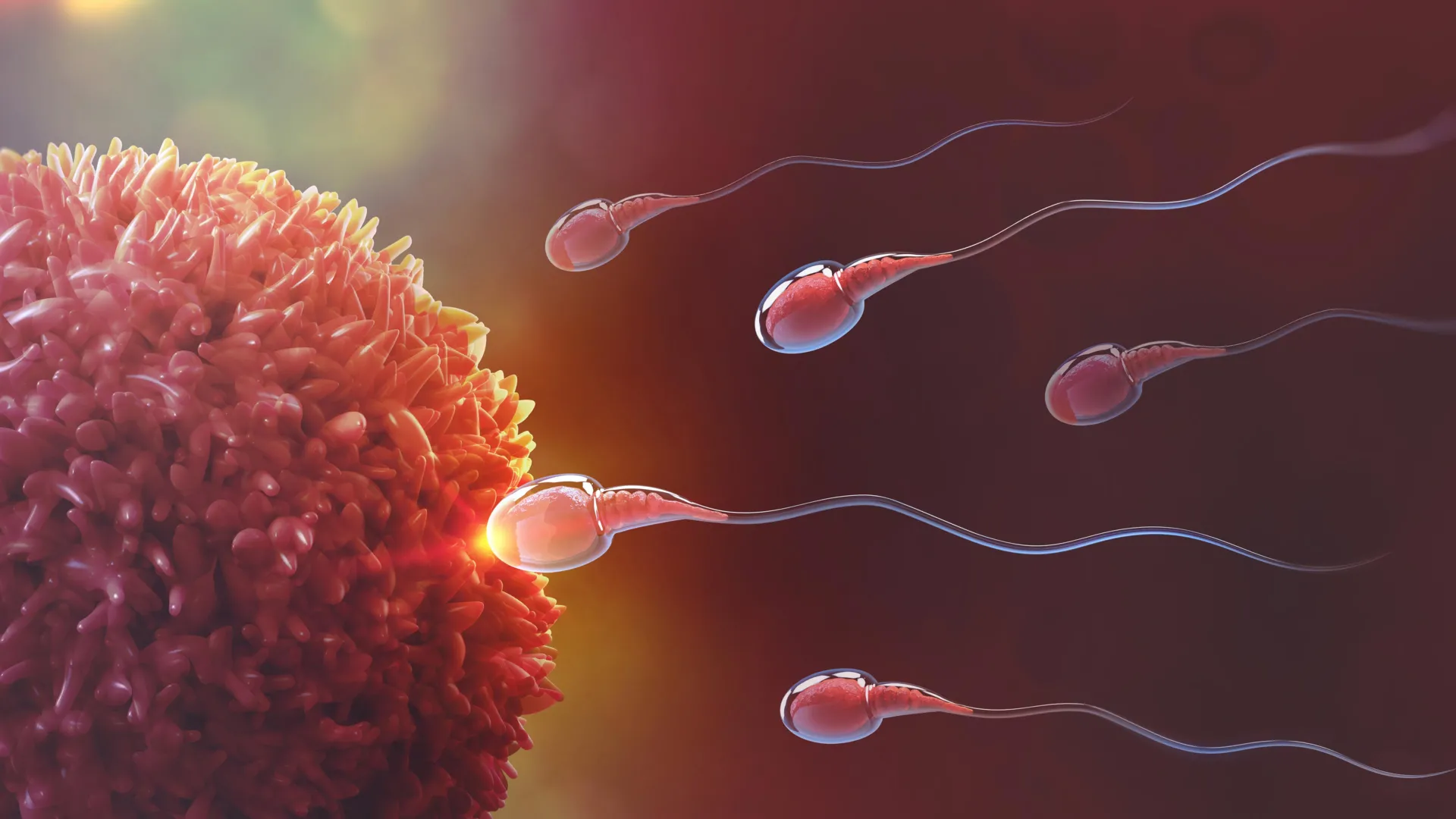
In the male reproductive system, sperm remain in a state of relative metabolic dormancy. This low-energy state ensures their longevity and prevents premature exhaustion of their limited resources. However, upon entering the female reproductive tract, these cells undergo a rapid and dramatic transformation known as capacitation. During this phase, sperm must swim with significantly more force and undergo structural changes to their outer membranes to interact successfully with the egg’s protective layers.
These physiological shifts require an immediate and substantial increase in adenosine triphosphate (ATP), the primary energy currency of the cell. The MSU study sought to determine exactly how sperm "flip the switch" to transition from their dormant state to this high-octane performance. By understanding this metabolic reprogramming, researchers believe they can identify specific enzymes that serve as bottlenecks or accelerators in the process.
Balbach noted that while many types of cells undergo metabolic shifts—such as cancer cells or immune cells responding to infection—sperm are an ideal model for studying these transitions because the change is so rapid and the goal is so clearly defined. This research builds upon Balbach’s earlier work at Weill Cornell Medicine, where she demonstrated that inhibiting specific sperm enzymes could induce temporary, reversible infertility in animal models.
Mapping the Metabolic Path: The "Pink Car" Analogy
To uncover the mechanics of this energy surge, the MSU team collaborated with experts from the Memorial Sloan Kettering Cancer Center and the Van Andel Institute. Together, they developed a sophisticated methodology to track how sperm process glucose, the primary sugar they absorb from their environment to fuel their journey.
Using advanced mass spectrometry and metabolomics tools at MSU’s specialized core facilities, the researchers mapped the chemical trajectory of glucose as it moved through the sperm cell. Balbach described the tracking process using a vivid analogy: it is akin to painting the roof of a specific car bright pink and then using a drone to follow that car through dense city traffic. By "painting" the glucose molecules with stable isotopes, the researchers could observe how the fuel was diverted through different metabolic "intersections" or pathways.
The results showed a stark contrast between inactive and activated sperm. In the activated cells, the "pink car" moved much faster through the metabolic pathways, preferring specific routes that maximized energy output. The team identified that certain enzymes act as "traffic controllers," directing the flow of glucose to ensure the sperm has enough power to penetrate the egg. Specifically, the enzyme aldolase was found to play a central role in this conversion process.
Aldolase and the Internal Fuel Reserves
The discovery of aldolase’s role is significant because it serves as a primary regulator of glycolysis—the process by which glucose is broken down to release energy. The study revealed that sperm do not just rely on the glucose they find in the female reproductive tract; they also draw upon internal energy reserves they carry from the moment of ejaculation.
This dual-fuel system ensures that sperm have a redundant energy supply, but it also creates multiple points of vulnerability that could be targeted for medical intervention. If the "traffic-control" enzymes like aldolase are inhibited, the sperm effectively run out of gas before they can reach the egg. Conversely, in cases of male-factor infertility, these same enzymes might be underperforming, preventing the sperm from achieving the hyper-activated state necessary for natural conception.
Addressing the Global Infertility Crisis
The implications of this research for infertility are profound. Statistics from the World Health Organization (WHO) indicate that approximately one in six people globally experience infertility at some point in their lives. Male-factor infertility contributes to nearly half of these cases, yet diagnostic tools for evaluating sperm health remain relatively rudimentary, often focusing on count and motility rather than the underlying metabolic health of the cells.
By identifying the specific metabolic markers of healthy, high-energy sperm, Balbach and her team hope to develop better diagnostic tests. Such tests could help clinicians determine if a patient’s sperm are metabolically "fit" for fertilization, potentially improving the success rates of assisted reproductive technologies like intrauterine insemination (IUI) and in vitro fertilization (IVF). Furthermore, understanding these pathways could lead to treatments that "boost" sperm metabolism in men struggling with low fertility.
A New Era for Male Contraception
On the other side of the reproductive spectrum, the MSU findings provide a compelling case for a new type of male birth control. For decades, the primary options for men have been limited to condoms or permanent vasectomies. Efforts to develop a "male pill" have largely focused on hormonal approaches that suppress sperm production. However, these methods often come with significant side effects—including mood swings, weight gain, and changes in libido—and they take weeks or months to become effective or to be reversed.
The metabolic approach suggested by Balbach’s work offers an "on-demand" alternative. By targeting the enzymes responsible for the sperm’s energy surge, it may be possible to create a nonhormonal drug that a man could take shortly before intercourse. The drug would leave sperm production intact but would temporarily "switch off" their ability to activate and fertilize an egg. Once the drug clears the system, sperm function would return to normal, providing a fast-acting and reversible option without the systemic effects of hormones.
"Right now, about 50% of all pregnancies are unplanned," Balbach stated, emphasizing the need for more diverse contraceptive options. She noted that a nonhormonal male option would not only give men more agency in family planning but also relieve the burden on women, who currently bear the majority of the side effects associated with hormonal birth control.
Chronology of Research and Future Directions
The journey to this discovery has been years in the making. The timeline of this research reflects a growing interest in the field of male reproductive biology:
- Early 2020s: Balbach and colleagues at Weill Cornell Medicine identify the soluble adenylyl cyclase (sAC) enzyme as a potential target for male contraception, showing that its inhibition leads to temporary infertility in mice.
- 2023: Melanie Balbach joins Michigan State University, bringing her expertise in sperm metabolism to the Department of Biochemistry and Molecular Biology.
- 2023-2024: The MSU team, in collaboration with the Van Andel Institute and Memorial Sloan Kettering, utilizes high-resolution mass spectrometry to map the glucose pathways in sperm.
- 2024: The study is published in PNAS, identifying aldolase and other metabolic "switches" as key regulators of fertilization.
The next phase of the research will involve translating these findings from mouse models to human sperm. While the basic metabolic pathways are similar across mammalian species, there are nuances in how human sperm utilize different fuels, such as fructose, which is abundant in the female reproductive tract. Balbach’s team is currently aiming to determine if the same "traffic-control" enzymes can be safely targeted in humans without affecting other metabolic processes in the body.
Broader Impact and Scientific Analysis
The scientific community has reacted with optimism to the MSU findings. Experts in the field of reproductive biology suggest that moving away from hormonal targets is the most logical step for male contraception. Because sperm are unique in their metabolic requirements, the risk of "off-target" effects—where the drug interferes with other organs—is lower than with hormonal treatments that affect the entire endocrine system.
Furthermore, the study highlights the importance of metabolomics in modern medicine. By looking not just at genes (genomics) or proteins (proteomics), but at the actual chemical reactions happening in real-time (metabolomics), researchers can gain a much more granular understanding of health and disease.
The support for this research by the National Institute of Child Health and Human Development (NICHD) underscores the federal commitment to expanding reproductive health options. As the world faces shifting demographic trends and a growing need for precision medicine, the ability to control or enhance the very energy that drives human life represents a major milestone in biochemical research.
For Melanie Balbach and her team at Michigan State University, the "pink car" is still moving. With each new metabolic intersection they map, they come closer to a future where both infertility and unintended pregnancy can be managed with greater precision, safety, and individual agency. The molecular switch discovered in the lab may soon become a cornerstone of 21st-century reproductive health.