When the public imagines the discovery of a new species, the imagery often conjures a dramatic narrative akin to an adventure novel. Dr. Chan Kin Onn, a distinguished herpetologist at Michigan State University, observes that this popular perception typically involves an intrepid explorer venturing into remote, isolated locales, only to serendipitously encounter an unknown creature. While such exhilarating moments of pure discovery still occur, Chan emphasizes that the contemporary reality of species identification is frequently a far more nuanced and less glamorous undertaking. "Most people have this image of an intrepid explorer braving an isolated mountain or some other remote place, and stumbling across a creature that no one has ever seen before," Chan stated. "But most of the time it’s far less glamorous."
This shift in discovery methodology is largely propelled by advancements in scientific tools and data analysis, particularly in the field of genetics. Instead of relying solely on expeditions into uncharted territories, scientists are increasingly revisiting existing collections and known species. Through meticulous re-examination and the application of cutting-edge genetic sequencing techniques, researchers are uncovering that populations previously categorized under a single species umbrella may, in fact, represent multiple distinct lineages. This phenomenon, where species are morphologically similar but genetically divergent, is known as cryptic speciation.
The Enduring Mystery of Borneo’s Fanged Frogs
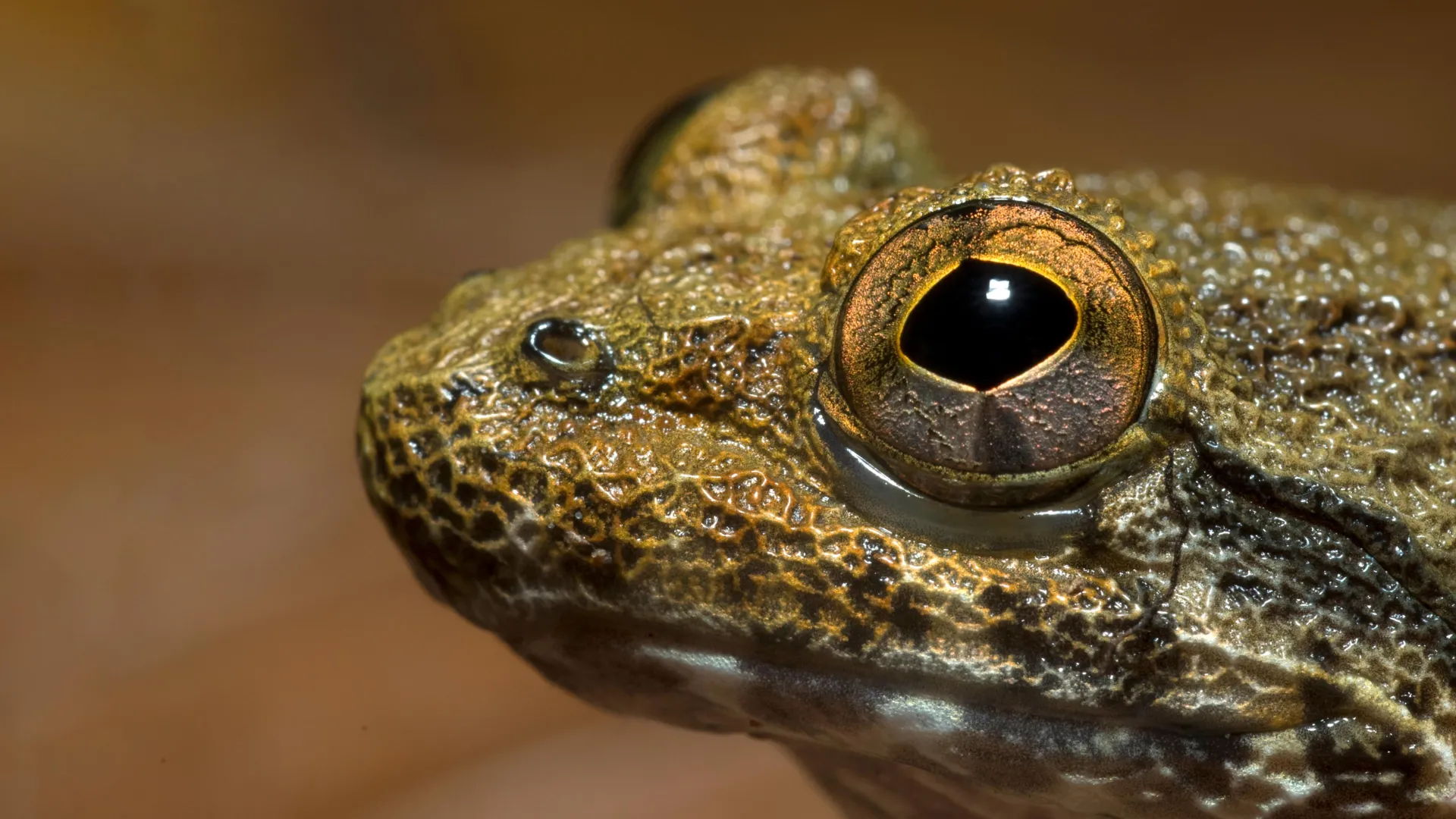
Dr. Chan Kin Onn, a leading figure in herpetology—the study of amphibians and reptiles—is at the forefront of this evolving scientific landscape. Globally, the catalog of amphibian species continues to expand, with over 9,000 recognized species and an annual addition of approximately 100 to 200 new discoveries. One compelling case study that exemplifies the complexities of cryptic speciation involves a group of small, brown frogs native to Southeast Asia, collectively known as Bornean fanged frogs. These amphibians earn their name from distinctive, tooth-like projections along their jaws, a characteristic that has intrigued scientists for generations.
The species Limnonectes kuhlii, a member of this group, has been known to science since its initial description in 1838. However, over the past two decades, a growing body of genetic research has begun to challenge this long-held classification. These studies have indicated that what was once considered a single, homogenous species might actually encompass a much larger and more diverse array of distinct lineages, potentially as many as 18.
"Animals that look similar but are genetically distinct are called cryptic species," explained Dr. Chan, who also holds significant positions as Curator of Vertebrate Collections and a core faculty member within MSU’s Ecology, Evolution and Behavior program. The advent of powerful genetic sequencing technologies has been instrumental in unearthing these hidden evolutionary divergences. "A ton of cryptic species are being discovered left and right," Chan noted, highlighting the widespread impact of these genomic advancements across various taxa.
Deciphering Diversity: DNA Analysis Challenges Species Estimates
To thoroughly investigate the potential underestimation of Bornean fanged frog species, Dr. Chan and his research team embarked on an extensive field and laboratory study. Their efforts involved collecting DNA samples from a significant number of frog specimens sourced from the diverse and mountainous rainforests of Malaysian Borneo. This ambitious project aimed to provide a robust dataset for genetic analysis.
The team’s rigorous investigation focused on examining over 13,000 genes across the complete genomes of the collected frog specimens. This comprehensive genomic approach allowed for an unprecedented level of detail in discerning genetic relationships and evolutionary histories.
The findings, subsequently published in the esteemed scientific journal Systematic Biology, revealed a complex genetic structure within the Bornean fanged frog populations. The data clearly indicated that these frogs do indeed segregate into several distinct genetic groupings, confirming that the traditional classification was an oversimplification. However, the extent of this divergence did not align with the more speculative estimates of up to 18 species. Instead, the evidence strongly suggested that approximately six or seven of these identified genetic clusters warrant recognition as separate, distinct species.
"It’s not just one species. But it’s not 18 species, either," Dr. Chan summarized, underscoring the balanced conclusion derived from their detailed genetic analysis. This outcome highlights the intricate process of speciation, where evolutionary divergence is often a gradual continuum rather than a series of discrete, instantaneous events.
The Critical Importance of Species Counts for Conservation Efforts
The precise determination of species numbers extends far beyond academic curiosity; it holds profound implications for global conservation strategies. Amphibians, as a class, are currently facing an unprecedented crisis. A comprehensive analysis published in 2023, which assessed approximately 8,000 amphibian species worldwide, concluded that a staggering two out of every five species are under threat of extinction. This places amphibians as the most endangered group of vertebrates on Earth.
Dr. Chan, who was a contributing author to this critical amphibian assessment, stressed the indispensable role of accurate species identification in effective conservation. "There are so many species in the world that we still haven’t discovered, and that could go extinct before we can give them a name," he stated, emphasizing the urgency of cataloging biodiversity before it is lost.
However, the scientific community must also navigate the potential pitfalls of overly aggressive species division. Dr. Chan cautioned that there is a "flip side to that coin too." When scientists delineate new species too readily, particularly based on limited data or perceived differences, it can lead to a situation where each newly defined species appears to have a very restricted geographic range. This can artificially inflate the perceived severity of their conservation status, potentially misdirecting limited conservation resources.
"We cannot possibly conserve everything, so we have to triage and decide how to allocate limited resources towards what we think are the highest priorities," Dr. Chan explained. "We could be putting names on things that shouldn’t be prioritized." This underscores the need for robust, data-driven taxonomic decisions that accurately reflect evolutionary history and ecological reality.
Navigating the Blurry Lines: Interbreeding and Speciation’s Continuum
Further complicating the classification of the Bornean fanged frogs, the researchers identified significant levels of interbreeding between the genetically distinct groups. "We found a ton of gene flow going on," Dr. Chan reported. This continuous exchange of genetic material between populations acts as a biological force that can blur the very boundaries that scientists use to define species.
This genetic mixing suggests that some of the proposed cryptic species, identified through initial genetic analyses, might be more a product of how scientists interpret complex genetic data rather than clear-cut, reproductively isolated biological entities. The Bornean fanged frogs, in this regard, serve as a potent illustration that the formation of new species is rarely a singular, abrupt event. Instead, it is more accurately characterized as a continuous evolutionary process.
"It’s not like all of a sudden, boom. It’s more of a continuum," Dr. Chan articulated, providing a more accurate portrayal of the dynamic nature of speciation.
Hidden Biodiversity: A Global Phenomenon Across the Tree of Life
The case of the Bornean fanged frogs is far from an isolated incident. Over the past two decades, a pervasive pattern has emerged across numerous animal groups worldwide, including insects, fish, birds, and mammals. Genetic research consistently indicates that a substantial number of species may be existing in plain sight, unrecognized and undescribed by science.
Earlier estimates placed the total number of species on Earth at approximately 8.7 million. However, more recent modeling, which incorporates the growing understanding of cryptic species and the potential for widespread undiscovered biodiversity, suggests that the true figure could be significantly higher. These updated projections range from a conservative estimate of seven times the previously accepted number to a staggering 250 times that figure, indicating a potentially vast reservoir of unknown life.
The question of where the true total number of species lies remains a subject of intense scientific inquiry. "This study shows that there’s a speciation ‘gray zone’ that can make it hard to draw the line," Dr. Chan concluded, referring to the inherent complexities in defining species boundaries, especially in the face of ongoing evolutionary processes and the limitations of current analytical tools.
This groundbreaking research was made possible through generous financial support from the U.S. National Science Foundation, with grants including GRFP 1540502, 1451148, 0907996, and 1654388. These grants underscore the national commitment to advancing fundamental biological research and understanding the intricate tapestry of life on Earth. The ongoing exploration of cryptic species not only enriches our knowledge of biodiversity but also provides crucial data for informed conservation actions in an era of unprecedented environmental change.