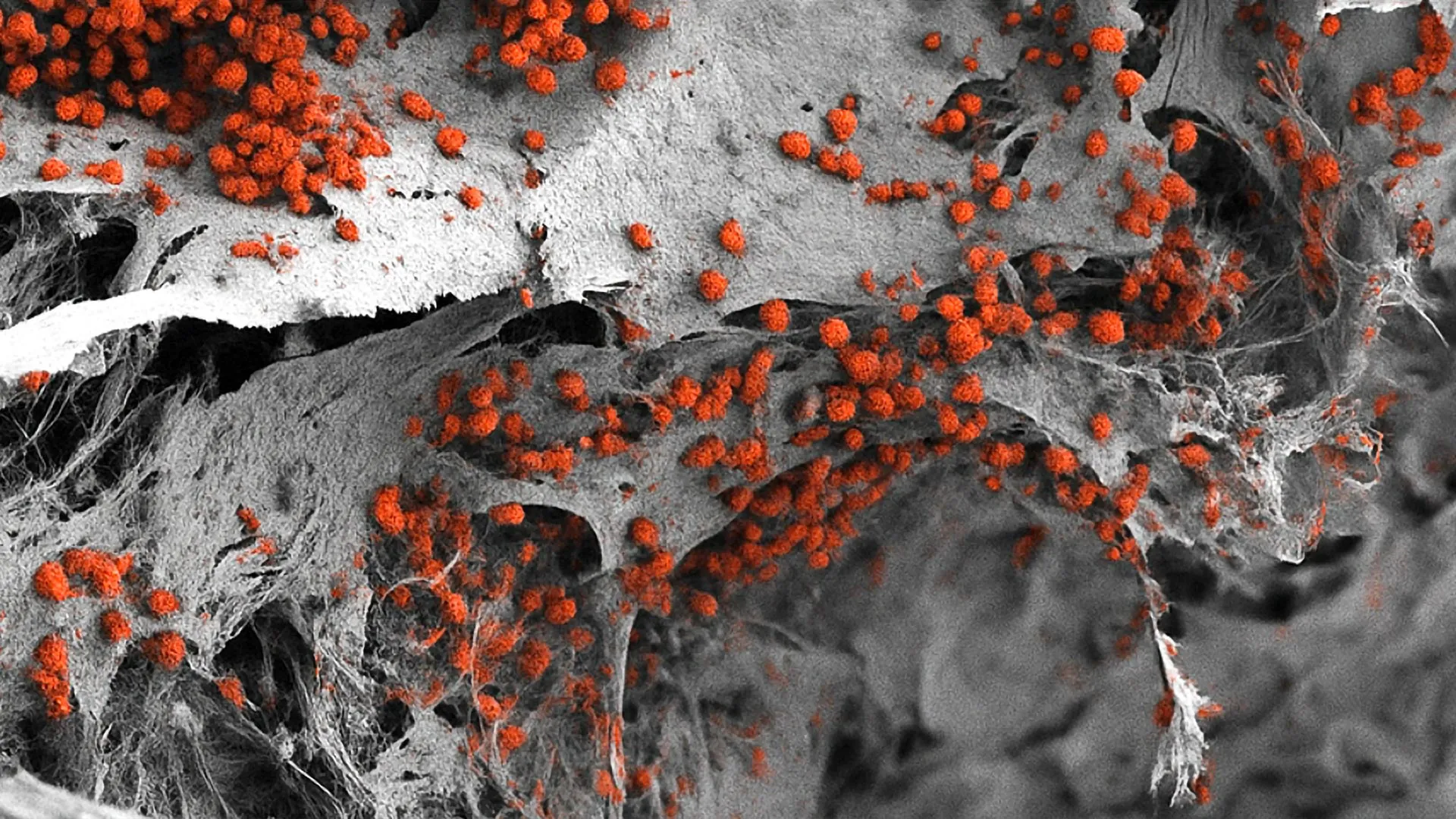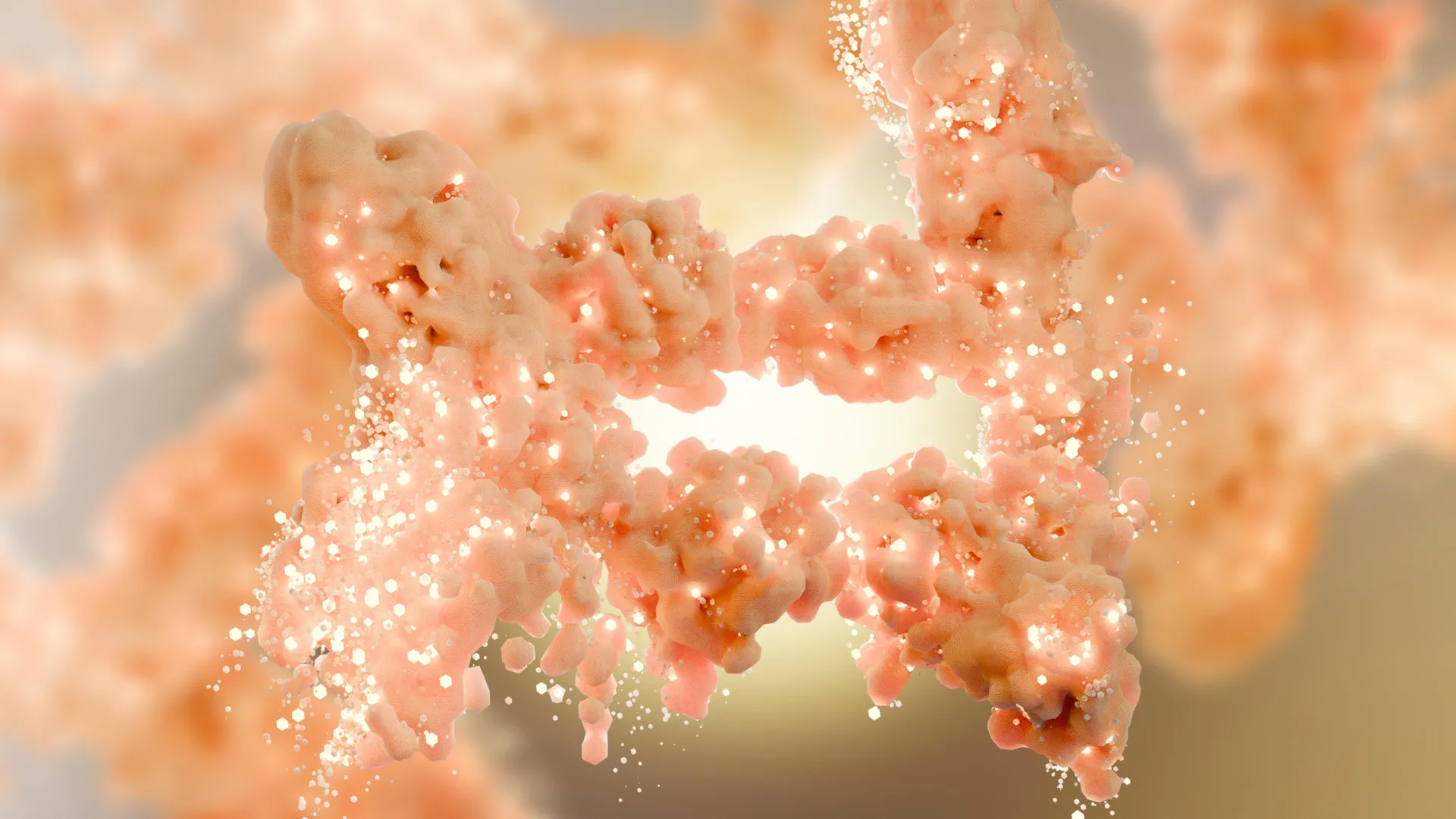
A multidisciplinary research team led by Yale University has successfully mapped the complex biological mechanisms that prevent sperm cells from successfully interacting with an egg, effectively halting the fertilization process at the molecular level. This breakthrough, achieved through the study of naturally occurring biological processes in mammals, identifies how specific antibodies can interfere with the essential "handshake" between reproductive cells. The discovery, which utilized advanced rodent models and high-resolution imaging, offers a dual-purpose roadmap for the future of reproductive medicine: providing new hope for patients struggling with unexplained infertility and establishing a foundation for the development of highly targeted, non-hormonal contraceptives.
The comprehensive findings, published in the peer-reviewed journal Proceedings of the National Academy of Sciences (PNAS), clarify a biological mystery that has persisted for decades. By identifying the precise structural interactions between sperm proteins and inhibitory antibodies, the researchers have moved beyond theoretical models into a tangible understanding of reproductive failure and success.
Decoding the Molecular Handshake of Life
At the center of human and mammalian reproduction is a delicate interaction between two primary proteins: IZUMO1 and JUNO. IZUMO1 is a protein located on the surface of the sperm cell, named after a famous Japanese shrine dedicated to marriage. Its counterpart, JUNO, is a receptor located on the surface of the egg, named after the Roman goddess of fertility and marriage. For fertilization to occur, these two proteins must recognize one another, adhere, and eventually fuse the two cells into one.
When the IZUMO1-JUNO connection is successful, it triggers a cascade of biological events that lead to the creation of a zygote. However, when this connection is disrupted, fertilization becomes impossible. The Yale-led study focused on a specific disruptor known as OBF13, an anti-sperm antibody that naturally occurs in some biological systems.
"This will have direct implications for infertility and contraception research, especially immuno-infertility and immuno-contraception," stated Steven Tang, an assistant professor of molecular biophysics and biochemistry in Yale’s Faculty of Arts and Sciences and the study’s corresponding author. Tang emphasized that the high-resolution data provided by this study allows scientists to see, for the first time, exactly how an antibody can physically block the beginning of life.
A Historical Context: Four Decades of Biological Mystery
The discovery of the OBF13 antibody dates back forty years to research conducted at Osaka University in Japan. In the early 1980s, scientists identified that certain antibodies had the capacity to recognize IZUMO1 and prevent it from binding to the egg. While the existence of this antibody was known, the scientific community lacked the technological tools to understand how it worked.
For decades, the "how" remained a black box. Researchers knew that OBF13 was a potent inhibitor, but the structural reconfiguration it forced upon the sperm’s surface remained invisible. The timeline of discovery in this field has been marked by long intervals of steady progress. The IZUMO1 protein itself was only identified in 2005, and its receptor, JUNO, was not discovered until 2014. The current Yale-led study represents the culmination of these milestones, finally providing the structural "snapshot" that explains the interaction between these three players: the sperm protein, the egg receptor, and the inhibitory antibody.
Methodology: Peering into the X-Ray Crystal Structure
To uncover the mechanics of OBF13, the research team employed X-ray crystallography, a technique that allows scientists to determine the atomic and molecular structure of a crystal. By hitting a crystallized sample of the IZUMO1-OBF13 complex with X-ray beams, the researchers could map the positions of atoms based on how the beams diffracted.
This analysis was conducted in part at the SLAC National Accelerator Laboratory in California, a facility supported by the U.S. Department of Energy. The high-intensity light sources at SLAC allowed the team to visualize the "anti-sperm antibody-antigen complex" at an unprecedented resolution.
The results revealed that OBF13 does not simply "sit" on the sperm cell; it attaches itself in a specific orientation that reconfigures the way the sperm interacts with the egg’s surface. Furthermore, the researchers identified a "high-affinity" variant of OBF13—a version of the antibody that bonds even more tightly to IZUMO1, making it a potent candidate for blocking fertilization entirely.
Statistical Landscape of Global Reproductive Health
The implications of this research are underscored by the current state of global reproductive health. In the United States alone, approximately 9% of men and 11% of women of reproductive age face fertility challenges. According to the Centers for Disease Control and Prevention (CDC), a significant portion of these cases are classified as "unexplained infertility," where standard diagnostic tests fail to find a cause.
A subset of these cases involves "immuno-infertility," a condition where the immune system mistakenly identifies reproductive cells as foreign invaders and produces antibodies to neutralize them. By understanding the structure of the OBF13-IZUMO1 complex, doctors may eventually be able to develop treatments that prevent these antibodies from interfering with the fertilization process, potentially offering a cure for certain types of sterile conditions.
Conversely, the demand for new contraceptive methods is at an all-time high. Global health organizations have noted a "contraceptive gap," where millions of individuals seek to avoid pregnancy but are dissatisfied with current hormonal options due to side effects such as mood swings, weight gain, or cardiovascular risks. The identification of a natural antibody that can block fertilization with high specificity provides a blueprint for a new class of non-hormonal contraceptives.
Implications for Immuno-Infertility and Therapeutic Design
The study also pinpointed specific amino acid sites on the JUNO receptor that are critical for binding with IZUMO1. This is a vital piece of the puzzle because it suggests that if these sites can be protected or accessed correctly, fertilization can still occur even in the presence of inhibitory antibodies.
"In this work, we are reporting the first anti-sperm antibody-antigen complex structure," Tang said. "We provide high-resolution information that will open avenues for discovering IZUMO1 regulators, guide antibody and small-molecule inhibitor design, and support drug screening for contraceptive development."
This structural data allows pharmaceutical researchers to use computer-aided drug design to create "small-molecule inhibitors." These are drugs that could mimic the action of OBF13 to act as a contraceptive, or conversely, drugs that could block OBF13-like antibodies to restore fertility.
The Path Toward Non-Hormonal Contraception
The development of a male contraceptive has been a "holy grail" in reproductive science for decades. Currently, male options are largely limited to condoms or permanent surgical procedures like vasectomies. Research into male hormonal pills has often been stalled by concerns over systemic side effects.
The Yale-led research offers a path toward a "topical" or "targeted" approach. Because IZUMO1 is specifically located on sperm, a drug designed to target this protein would theoretically have no effect on other systems in the body, such as the brain or the heart. This specificity is the key to reducing side effects and increasing the safety profile of future reproductive medications.
Collaborative Efforts and Future Scientific Horizons
The study was a massive collaborative effort, featuring lead author Yonggang Lu and co-author Masahito Ikawa, both from Osaka University. This international partnership bridged the gap between the original Japanese discovery of the antibody and the advanced structural biology techniques available at Yale and SLAC.
The research was supported by a diverse array of funding bodies, reflecting its broad importance to science and public health. Supporters included the National Institutes of Health (NIH), the David Sokal Innovation Award of the Male Contraception Initiative, the Japan Society for the Promotion of Science, the Japan Agency for Medical Research and Development, and the Takeda Science Foundation.
As the scientific community digests these findings, the next steps will likely involve moving from rodent models to human clinical trials. While the fundamental proteins IZUMO1 and JUNO are conserved across mammals, human-specific variations must be mapped with equal precision.
Brief Analysis of Broader Impacts
The discovery marks a shift in how reproductive biology is approached—moving away from general hormonal manipulation and toward "precision reproductive medicine." By focusing on the exact moment of cellular recognition, researchers are targeting the most specific point in the reproductive cycle.
In the long term, this research may lead to:
- Diagnostic Kits: New tests that can identify if a couple’s infertility is caused by specific anti-sperm antibodies, allowing for more targeted IVF (In-Vitro Fertilization) treatments.
- On-Demand Contraception: The possibility of non-hormonal pills or gels that only need to be used shortly before intercourse.
- Advanced Immunology: A deeper understanding of how the body distinguishes "self" from "non-self" in the context of the reproductive system.
By mapping the molecular architecture of the OBF13 antibody’s interference, the Yale and Osaka teams have effectively provided a new set of keys to the doors of human fertility. Whether those keys are used to open the door for those struggling to conceive or to lock it for those seeking reliable contraception, the impact on global health and family planning is likely to be profound.