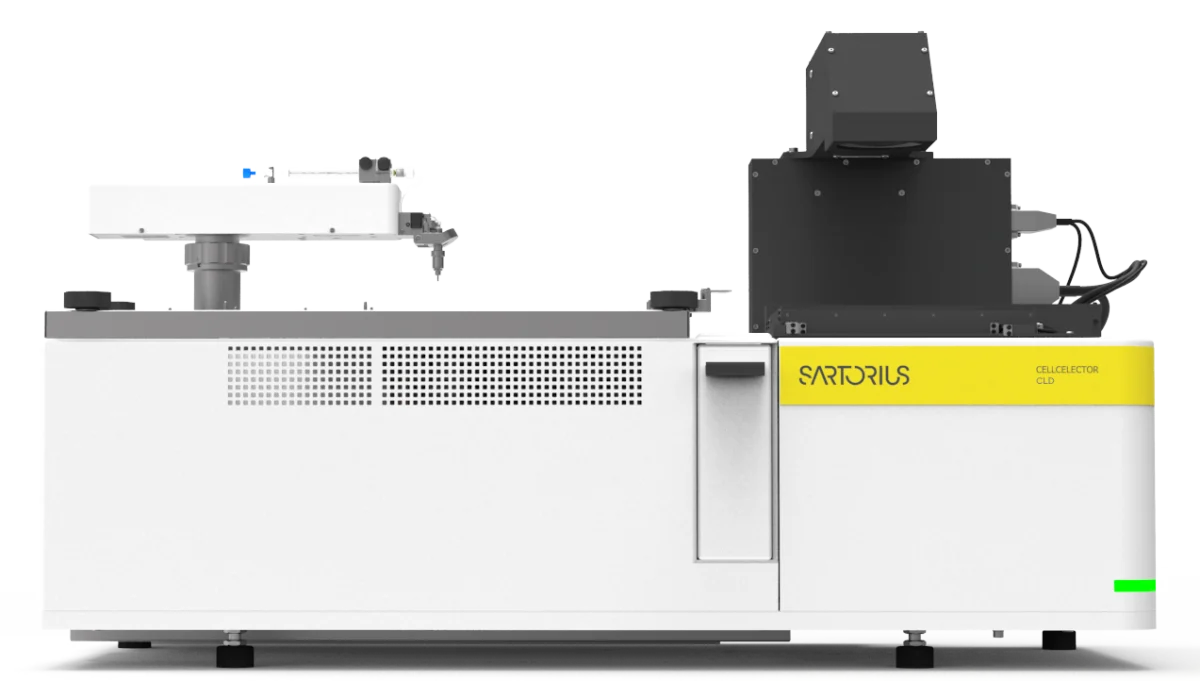
Göttingen, Germany – Sartorius, a leading international partner to life sciences research and the biopharmaceutical industry, has announced the launch of the CellCelector CLD, an innovative automated imaging and cell isolation platform engineered to streamline and expedite monoclonal cell line development (CLD). This state-of-the-art system integrates high-speed scanning, sophisticated imaging capabilities, and a gentle clone retrieval mechanism, empowering scientists to rapidly identify, verify, and isolate the most promising clones with unprecedented efficiency, all while meticulously preserving cell viability and ensuring robust, traceable documentation essential for regulatory compliance. The introduction of the CellCelector CLD marks a significant advancement in bioprocessing, promising to compress development timelines from months to mere weeks, thereby accelerating the journey of novel therapeutics from discovery to market.
The Critical Role of Cell Line Development in Biopharmaceutical Production
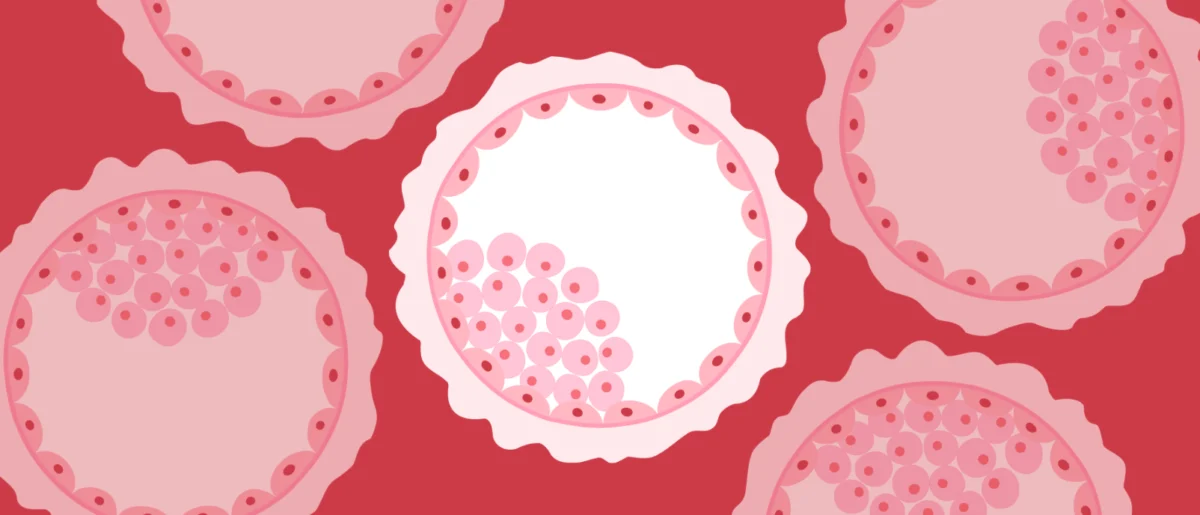
Cell line development stands as a foundational pillar in the biopharmaceutical industry, indispensable for the production of a vast array of life-saving biologics, including monoclonal antibodies, therapeutic proteins, vaccines, and the burgeoning field of cell and gene therapies. The process involves creating stable, high-producing cell lines—typically Chinese Hamster Ovary (CHO) cells—that can consistently manufacture a desired therapeutic protein or cell product. The ultimate goal is to identify a single cell, a "monoclonal" cell, that produces the target molecule, and then expand this cell into a high-yielding, genetically stable population.
Traditionally, this process has been a notorious bottleneck in drug development. It is characterized by its labor-intensive nature, significant time commitment, and inherent variability. Scientists often spend months painstakingly screening tens of thousands of individual cells to identify those rare clones that meet stringent criteria for monoclonality, productivity, and stability. Manual methods or older automated systems often struggled with low throughput, limited imaging resolution, and harsh cell handling techniques that could compromise cell viability or genetic integrity. Furthermore, demonstrating robust evidence of monoclonality, meaning that a cell line originated from a single cell, is a critical regulatory requirement for agencies like the FDA and EMA, adding layers of complexity and documentation burden to an already challenging workflow. The increasing demand for biologics, fueled by an aging global population and the emergence of new disease targets, has amplified the pressure on biopharmaceutical companies to shorten development cycles and bring innovative therapies to patients faster and more cost-effectively.
Transforming the CLD Workflow: Speed, Precision, and Confidence
The CellCelector CLD directly addresses these long-standing challenges by offering a comprehensive solution that redefines the CLD workflow. Darius Wilson, Product Manager of CellCelector Systems at Sartorius, emphasized the platform’s transformative potential, stating, "What used to take months can now be completed in approximately seven weeks. The CellCelector CLD gives teams the confidence to move from screening to stable, high-producing cell lines faster than standard workflows, with full traceability at every step." This dramatic reduction in development time, nearly a fourfold acceleration, has profound implications for the entire drug development pipeline.
At its core, the CellCelector CLD leverages high-speed automated scanning to meticulously detect monoclonal wells and track clonal growth over time. This capability is paramount for early identification of promising candidates and for monitoring their proliferation kinetics, providing critical data points for informed decision-making. The system’s purpose-built imaging technology is designed to deliver consistent, high-quality results, even when dealing with the most challenging cell lines or targets, ensuring accurate and confident screening across vast candidate pools. This advanced imaging is a cornerstone for verifying monoclonality at the earliest stages, a process that can be ambiguous or time-consuming with less sophisticated equipment.
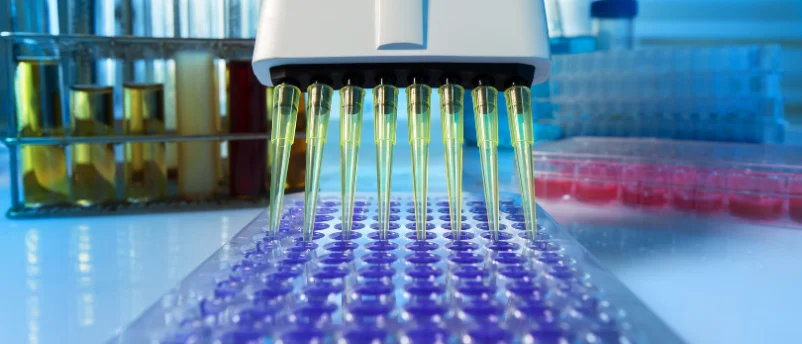
A key innovation lies in its pairing with Sartorius’s Next Generation CLD Nanowell Plates. These specialized consumables are engineered to maximize screening efficiency and clonal outgrowth. To put their capacity into perspective, a single set of these Nanowell Plates is equivalent to screening 885 standard 96-well plates. This massive throughput allows researchers to screen significantly larger candidate pools, dramatically increasing the probability of identifying superior clones. The platform, when combined with these plates, delivers an impressive 40 percent more monoclonal wells and achieves over threefold higher clone outgrowth compared to standard Nanowell Plates. This efficiency translates into tangible results: the CellCelector CLD can yield up to 15,000 monoclonality-verified clones ready for selection and further processing in just four days. Such speed and scale were previously unattainable, representing a paradigm shift in early-stage CLD.
Gentle Isolation and Uncompromising Regulatory Compliance
Beyond rapid identification and verification, the CellCelector CLD excels in the crucial step of clone isolation. Once the top-performing clones are identified through the advanced screening process, the system facilitates their gentle isolation. This gentle handling is critical, as the delicate nature of live cells means that harsh mechanical forces can compromise their viability, genetic integrity, and subsequent growth potential. The CellCelector CLD boasts up to 100 percent transfer efficiency and viability, ensuring that valuable cell lines are protected and maintained in optimal condition for downstream expansion and characterization. This high viability is essential for successful scale-up and ultimately for robust biomanufacturing.
Furthermore, Sartorius has integrated an EMA 410-compliant productivity assay directly into the CellCelector CLD workflow. This integrated assay ensures that every selection decision made during the CLD process is fully traceable and documented. Regulatory bodies worldwide, including the European Medicines Agency (EMA) and the U.S. Food and Drug Administration (FDA), place immense importance on the traceability and documented evidence of monoclonality and clonal stability for biopharmaceutical products. The EMA 410 guideline specifically outlines requirements for the demonstration of monoclonality of recombinant cell banks. By incorporating this compliance mechanism from day one, Sartorius provides research teams with the regulatory confidence needed to navigate the complex approval processes, significantly de-risking the development pathway for new biologics. This feature is particularly valuable for accelerating Investigational New Drug (IND) applications and Biologics License Applications (BLAs), where comprehensive documentation is paramount.
Sartorius’s Broader Ecosystem and Strategic Vision
The CellCelector CLD is not a standalone instrument but rather a vital component within Sartorius’s broader cell line development ecosystem. This integrated approach brings together instruments, consumables, reagents, and media into a single, cohesive workflow. This ecosystem strategy is central to Sartorius’s commitment to providing end-to-end solutions that simplify complex bioprocesses and enhance overall efficiency. By offering a complete suite of compatible products, Sartorius eliminates the complexities of integrating disparate systems from multiple vendors, ensuring seamless compatibility and optimized performance across the entire CLD journey.
For bioprocess teams that are constantly under pressure to move faster, reduce operational costs, and meet increasingly stringent regulatory standards, the CellCelector CLD represents a meaningful step forward. It embodies Sartorius’s strategic vision to empower its customers with innovative technologies that drive biopharmaceutical discovery and manufacturing. The company’s extensive expertise in both laboratory products and bioprocess solutions positions it uniquely to understand and address the multifaceted needs of its diverse clientele, ranging from academic research institutes to global pharmaceutical giants. The CellCelector CLD is a testament to Sartorius’s ongoing investment in research and development aimed at enhancing productivity and accelerating therapeutic innovation.
Implications for the Biopharmaceutical Landscape
The launch of the CellCelector CLD is poised to have a profound impact across the biopharmaceutical industry. The dramatic acceleration of CLD timelines will directly translate into faster drug discovery and development cycles. By shortening the time required to establish stable, high-producing cell lines, companies can bring potential drug candidates into preclinical and clinical trials much sooner, potentially shaving months or even years off the overall drug development timeline. This speed to market is a critical competitive advantage and can significantly reduce the staggering costs associated with drug development, where every day counts.
Beyond speed, the enhanced efficiency and reliability offered by the CellCelector CLD will lead to more robust and consistent manufacturing processes. High-quality, well-characterized cell lines are the foundation of consistent product quality, reducing the risk of batch-to-batch variability and ensuring the safety and efficacy of therapeutic biologics. This is particularly crucial for complex biologics and emerging advanced therapies, such as gene therapies and engineered cell therapies, where the cell line itself is often the therapeutic product. For these modalities, ensuring the monoclonality and stability of the cell population is even more critical and technically challenging.
The integrated regulatory compliance features of the CellCelector CLD will also streamline the regulatory submission process, reducing the burden of generating extensive documentation and potentially accelerating regulatory approvals. This proactive approach to compliance provides developers with greater confidence and reduces potential delays or setbacks during the critical phases of drug approval. As the global biopharmaceutical market continues its robust growth, driven by a growing pipeline of innovative biologics and a focus on personalized medicine, platforms like the CellCelector CLD will become indispensable tools. They represent the leading edge of automation and digitalization in bioprocessing, a trend that is fundamentally reshaping how new medicines are discovered, developed, and manufactured, ultimately benefiting patients worldwide through faster access to novel and effective treatments.
A Profile of Sartorius: A Global Leader in Life Sciences
Sartorius, headquartered in Göttingen, Germany, stands as a leading international partner to life sciences research and the biopharmaceutical industry. The company operates through two primary divisions. Its Lab Products & Services Division focuses on providing innovative laboratory instruments and consumables to laboratories engaged in research and quality control within pharmaceutical and biopharmaceutical companies, as well as academic research institutes. Complementing this, the Bioprocess Solutions Division offers a broad portfolio, with a strong emphasis on single-use solutions, designed to assist customers in manufacturing biotech medications, vaccines, and cell and gene therapies more safely, rapidly, and sustainably.
With a strong global presence, Sartorius operates approximately 60 production and sales sites worldwide. The company consistently expands its product portfolio through strategic acquisitions of complementary technologies, ensuring it remains at the forefront of scientific innovation. In 2025, Sartorius generated sales revenue of approximately 3.4 billion euros, supported by a dedicated global workforce of more than 14,000 employees. The company’s commitment to advancing scientific discovery and manufacturing excellence is exemplified by the continuous introduction of groundbreaking technologies like the CellCelector CLD.
For more information, visit the Sartorius Newsroom or follow them on LinkedIn.
Contact Information:
Lisa Dabney
Head of Strategic Marketing
Lab Products & Services Division
☎ +1 734-474-7117
✉ [email protected]