

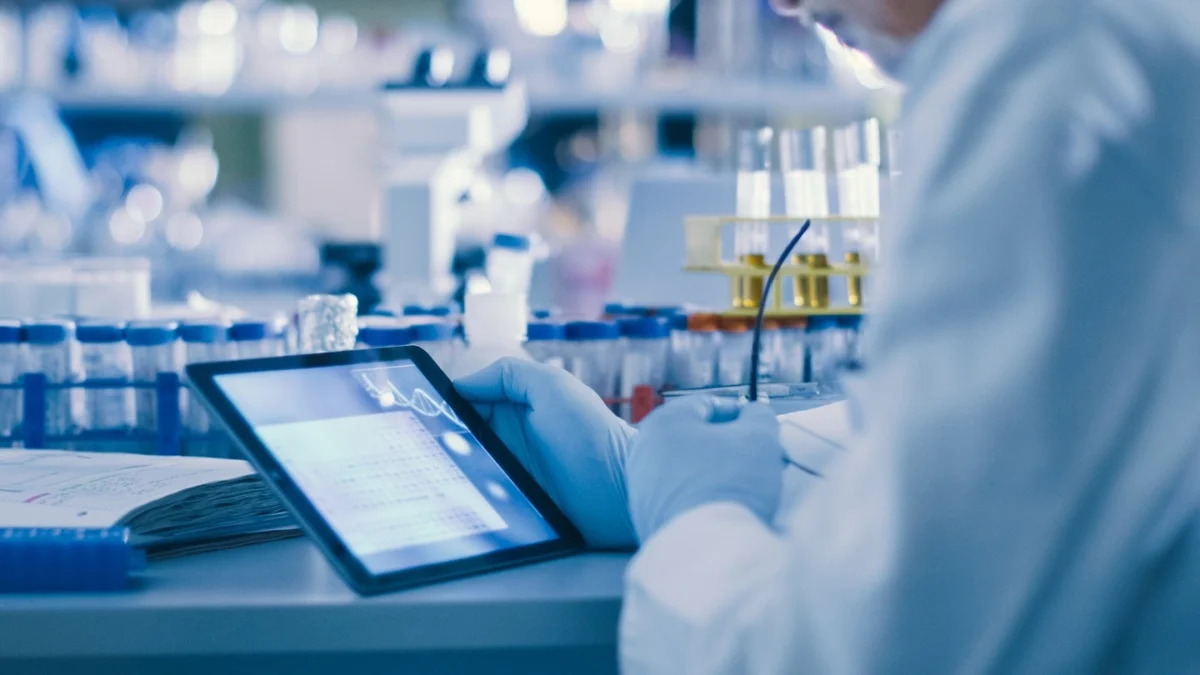
In a strategic move to enhance precision in oncology drug development, Japanese pharmaceutical giant Daiichi Sankyo has announced a significant collaboration with Waiv, a France-based innovator in computational pathology. This partnership is poised to leverage Waiv’s advanced AI-driven platform to identify crucial biomarkers associated with treatment response, a critical step in optimizing the development of antibody-drug conjugate (ADC) therapies. The initiative aims to refine patient selection and predict efficacy prior to the commencement of upcoming clinical trial phases, marking a significant advancement in personalized medicine.
The Crucial Role of Biomarkers in ADC Development
Antibody-drug conjugates represent a sophisticated class of cancer therapeutics that combine the targeted specificity of monoclonal antibodies with the potent cytotoxic effect of chemotherapy. The precise delivery mechanism of ADCs targets cancer cells, thereby minimizing damage to healthy tissues and reducing systemic toxicity. However, the success of these complex therapies is heavily reliant on identifying patients who are most likely to benefit. This is where biomarkers play an indispensable role. Biomarkers, which can be molecular, cellular, or physiological characteristics, provide objective indicators of biological processes, pathogenic mechanisms, or pharmacological responses to an intervention. In the context of ADCs, identifying predictive biomarkers allows for the stratification of patient populations, ensuring that those with the highest probability of positive outcomes receive the treatment. This not only improves therapeutic efficacy but also accelerates the drug development process by reducing the number of non-responders in clinical trials, thereby saving time and resources.
The complexity of tumor biology, particularly the intricate tumor microenvironment (TME), presents a formidable challenge in biomarker discovery. The TME comprises a diverse ecosystem of cancer cells, immune cells, stromal cells, and extracellular matrix components, all of which can influence drug response. Understanding the cellular composition and spatial relationships within the TME is therefore paramount. Traditional methods of analyzing tissue samples, such as hematoxylin and eosin (H&E) staining and immunohistochemistry (IHC), provide essential morphological and molecular information. However, extracting actionable insights from these complex, high-dimensional datasets, especially in early-phase trials with limited patient cohorts, requires sophisticated analytical tools.
Waiv’s Innovative Computational Pathology Platform
Waiv’s core strength lies in its proprietary computational pathology platform, an AI-powered system designed to unlock the predictive power embedded within digital pathology images. The platform is engineered to analyze stained tissue samples, including H&E and IHC, with a focus on understanding the nuances of the tumor microenvironment. A key differentiator for Waiv is its capability to effectively address biomarker discovery in datasets with a limited number of patients, a common scenario in early-stage drug development, particularly for novel therapeutic modalities like ADCs where patient selection can be particularly challenging.
The platform’s architecture is built upon advanced foundation models, developed through the analysis of vast quantities of image data. This allows for the creation of highly tailored AI models that are optimized for low-data conditions. By leveraging these foundation models, Waiv can extract predictive information from whole slide images (WSIs), which are high-resolution digital scans of entire tissue slides. This enables the identification of novel histopathological biomarkers that may not be apparent through conventional manual analysis. Ultimately, the platform aims to generate outputs that are not only scientifically robust but also clinically actionable, directly supporting decision-making throughout the drug development lifecycle.
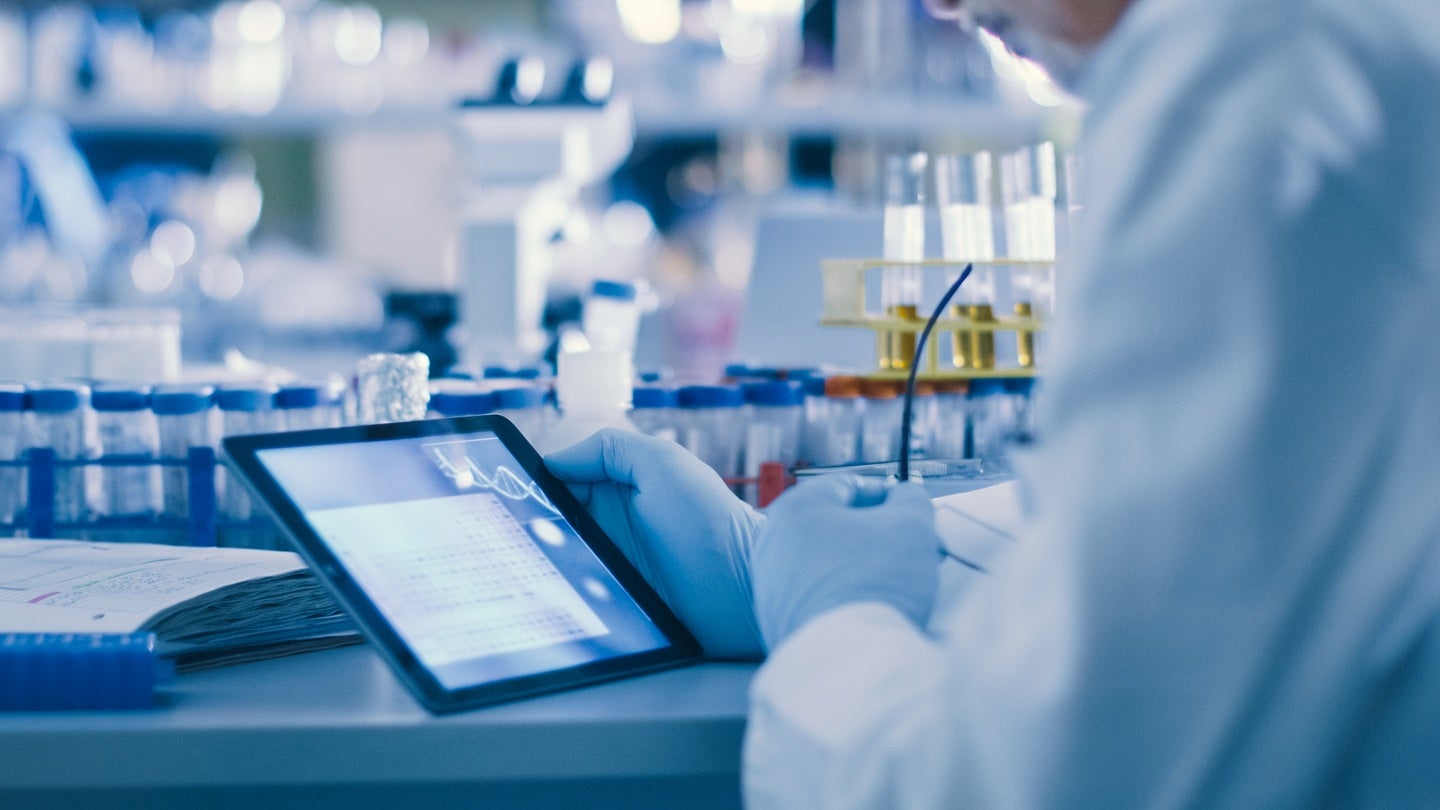
Waiv’s operational model further bolsters its capabilities. The company operates an international data network that fosters collaboration between leading academic institutions, hospitals, and laboratories worldwide. This network allows Waiv to access diverse datasets and tap into a global pool of expertise, further enriching its AI models and accelerating the discovery process. This collaborative ecosystem is crucial for validating findings across different patient populations and geographical regions, ensuring the generalizability and robustness of the identified biomarkers.
The Daiichi Sankyo and Waiv Collaboration: A Strategic Alignment
The collaboration between Daiichi Sankyo and Waiv signifies a shared commitment to advancing the frontier of targeted cancer therapies. Daiichi Sankyo, a company with a strong legacy in developing innovative medicines, particularly in oncology, recognizes the transformative potential of AI in drug discovery and development. Their investment in Waiv’s computational pathology platform underscores a strategic imperative to enhance the precision and efficiency of their ADC programs.
By integrating Waiv’s AI capabilities, Daiichi Sankyo aims to gain deeper insights into the biological mechanisms driving treatment response and resistance in their ADC candidates. The initial focus will be on early-phase data, meticulously analyzing tumor microenvironments through H&E and IHC stained samples. This granular analysis is expected to pinpoint specific cellular patterns, protein expressions, or spatial arrangements that correlate with patient outcomes. The identification of these predictive biomarkers will be instrumental in informing the design of subsequent clinical trials, enabling the selection of patient cohorts most likely to benefit from the investigational ADC.
Meriem Sefta, CEO and co-founder of Waiv, articulated the significance of this partnership, stating, "Identifying which patients will respond to a therapy directly from the pathology slide is simultaneously one of the hardest problems and one of the most important opportunities in oncology drug development. It is exactly what we’ve built Waiv to deliver." She further emphasized the end-to-end capabilities of Waiv, highlighting their ability to "engage early and take biomarkers all the way through to clinically validated, deployable tests." This comprehensive approach positions Waiv as a valuable long-term partner for pharmaceutical companies seeking to navigate the complexities of biomarker-driven drug development.
The collaboration’s emphasis on early-phase data is particularly noteworthy. Historically, biomarker discovery has often occurred later in the development pipeline, sometimes after initial clinical trials have revealed unexpected efficacy or toxicity patterns. By applying Waiv’s platform from the outset, Daiichi Sankyo seeks to proactively identify and validate biomarkers, thereby de-risking later-stage trials and potentially accelerating regulatory approval. This proactive approach aligns with the broader industry trend towards precision medicine, where treatments are tailored to the individual biological characteristics of a patient’s disease.
Broader Implications for Oncology Drug Development
The implications of this partnership extend beyond the immediate benefits to Daiichi Sankyo’s ADC programs. It underscores the growing recognition of digital pathology and AI as indispensable tools in modern drug development. As the complexity of therapeutic agents like ADCs increases, so does the need for sophisticated analytical methods to decipher their mechanisms of action and predict their efficacy.
Key implications include:
- Enhanced Patient Stratification: The ability to identify predictive biomarkers early can lead to more effective patient stratification in clinical trials, potentially resulting in higher response rates and improved outcomes. This can also lead to smaller, more efficient trials.
- Accelerated Drug Development Timelines: By de-risking later-stage trials and providing clearer go/no-go decisions based on robust biomarker data, this approach can significantly shorten the overall drug development timeline, bringing much-needed therapies to patients faster.
- Reduced Development Costs: More efficient clinical trials, with a higher probability of success, can lead to substantial cost savings for pharmaceutical companies.
- Broader Application of AI in Pathology: This collaboration serves as a testament to the growing acceptance and efficacy of AI in the field of pathology, paving the way for wider adoption of similar technologies across the industry.
- Development of Companion Diagnostics: The biomarkers identified through this collaboration have the potential to form the basis of companion diagnostic tests. These tests are crucial for identifying patients eligible for specific targeted therapies, thereby ensuring that the right treatment reaches the right patient.
- Deeper Understanding of Disease Biology: The sophisticated analysis of tissue samples by Waiv’s platform can uncover novel insights into the underlying biology of cancer and the mechanisms of drug resistance, potentially leading to the discovery of new therapeutic targets.
Historical Context and Future Outlook
The pharmaceutical industry has consistently sought innovative ways to improve the efficiency and success rates of drug development. Early efforts in biomarker discovery were often manual and time-consuming. The advent of high-throughput technologies and computational power has revolutionized this field. The development of advanced imaging techniques and the subsequent digitization of pathology slides have opened new avenues for quantitative analysis.
Daiichi Sankyo has been actively involved in advancing ADC technology, notably with its Enhertu (trastuzumab deruxtecan) and Padcev (enfortumab vedotin) therapies, which have demonstrated significant clinical success. The company’s continued investment in novel approaches to optimize the development of its ADC pipeline reflects its commitment to staying at the forefront of cancer therapy innovation.
The collaboration with Waiv builds upon this foundation, integrating cutting-edge AI and digital pathology expertise. It is part of a broader trend where pharmaceutical companies are increasingly partnering with specialized technology firms to access niche expertise and advanced platforms that can accelerate their research and development efforts.
In October 2023, Daiichi Sankyo also announced a research partnership with Interna Therapeutics to develop targeted delivery solutions utilizing molecular nano motor (MNM) technology. This move further exemplifies Daiichi Sankyo’s strategy of engaging in diverse collaborations to explore and integrate emerging technologies into its drug development arsenal. Such a multi-pronged approach suggests a forward-thinking strategy aimed at addressing various challenges and opportunities within the complex landscape of pharmaceutical innovation.
The success of this collaboration between Daiichi Sankyo and Waiv will likely serve as a benchmark for future initiatives in digital pathology-driven biomarker discovery. It highlights the critical synergy between pharmaceutical expertise and technological innovation in the ongoing pursuit of more effective and personalized cancer treatments. As the field of oncology continues to evolve, partnerships like these will be instrumental in translating scientific breakthroughs into tangible clinical benefits for patients.















Leave a Reply