New archaeological research has unveiled a remarkable secret behind the flourishing ancient Peruvian Chincha Kingdom: the profound influence of seabird guano, a potent nutrient-rich bird droppings, on its agricultural success and subsequent rise to prominence. This groundbreaking study, published in the journal PLOS One, suggests that this seemingly humble resource was a cornerstone of the Chincha economy, driving their wealth, population growth, and ultimately shaping their strategic alliance with the mighty Inca Empire.
Dr. Jacob Bongers, a digital archaeologist at the University of Sydney and Visiting Research Fellow at the Australian Museum Research Institute, spearheaded the research. His team’s findings underscore the surprisingly significant role of guano in the sociopolitical and economic transformations of Andean civilizations. "Seabird guano may seem trivial," Dr. Bongers stated, "yet our study suggests this potent resource could have significantly contributed to sociopolitical and economic change in the Peruvian Andes. Guano dramatically boosted the production of maize (corn), and this agricultural surplus crucially helped fuel the Chincha Kingdom’s economy, driving their trade, wealth, population growth and regional influence, and shaped their strategic alliance with the Inca Empire. In ancient Andean cultures, fertilizer was power."
Unearthing Ancient Agricultural Secrets Through Scientific Analysis
The core of the research involved a meticulous examination of biochemical markers within 35 maize samples retrieved from burial tombs in the Chincha Valley. This region, historically a vibrant hub for a powerful coastal society estimated to have harbored a population of approximately 100,000 individuals, provided fertile ground for this investigation.
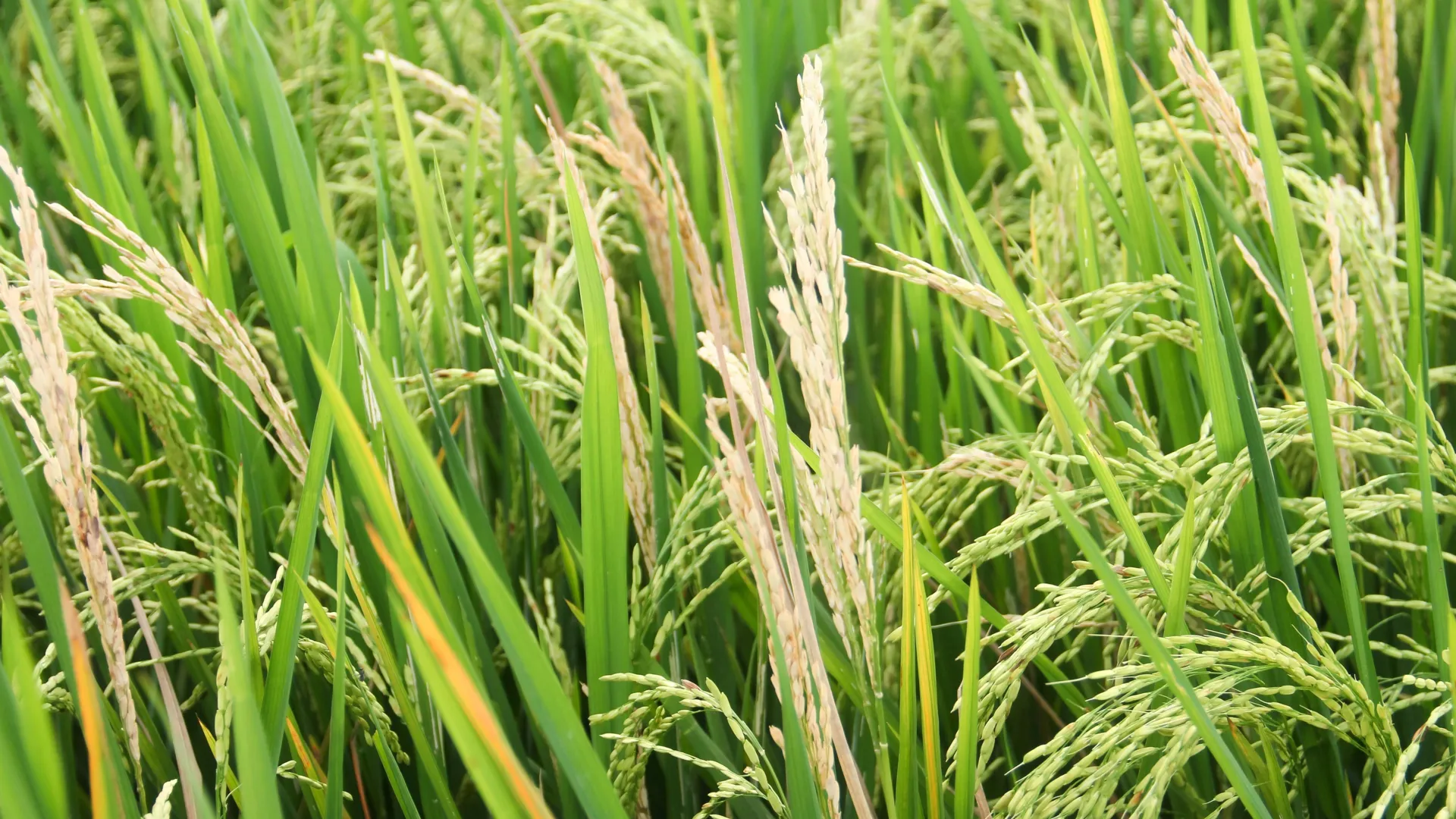
Laboratory analysis revealed exceptionally high nitrogen levels in the maize samples. These concentrations far surpassed what the natural fertility of the surrounding soils could account for, leading researchers to a strong conclusion: the crops were meticulously fertilized with seabird guano. The high nitrogen content is a direct consequence of seabirds’ diet, which consists primarily of nutrient-rich marine life.
"The guano was most likely harvested from the nearby Chincha Islands, renowned for their abundant and high-quality guano deposits," Dr. Bongers explained. "Colonial-era writings we studied report that communities across coastal Peru and northern Chile sailed to several nearby islands on rafts to collect seabird droppings for fertilization." This historical documentation, coupled with the chemical evidence, paints a vivid picture of a sophisticated and organized system of resource management.
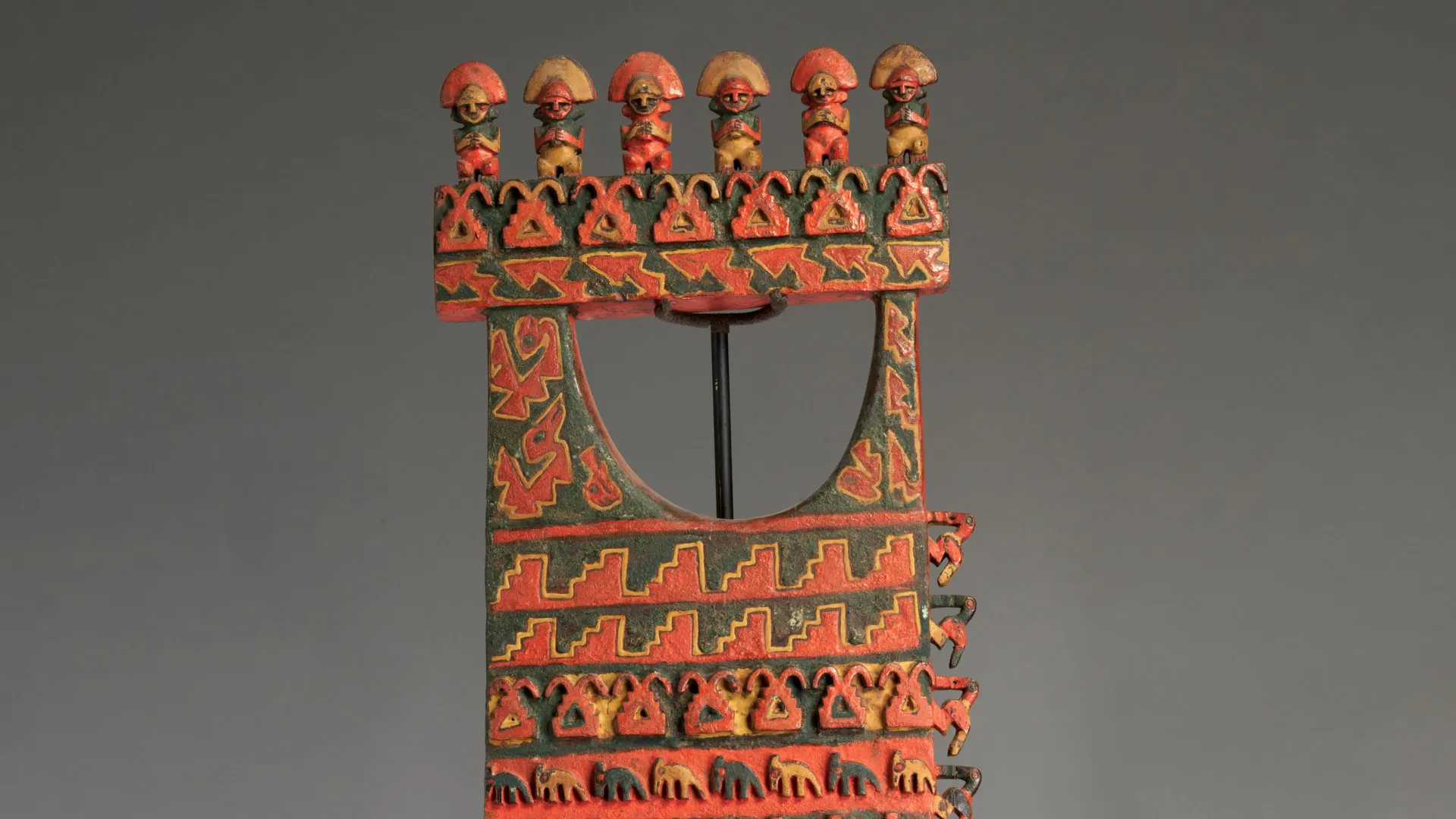
Beyond the chemical analysis, the research team also delved into the rich tapestry of ancient Andean art. Depictions of seabirds, fish, and sprouting maize frequently appear together on textiles, ceramics, pottery, and wall carvings and paintings from the region. These recurring motifs serve as compelling additional evidence of the profound cultural significance attributed to seabirds and their vital role in maize cultivation within these societies.
"Together, the chemical and material evidence we studied confirms earlier scholarship showing that guano was deliberately collected and used as a fertilizer," Dr. Bongers noted. "But it also points to a deeper cultural significance, suggesting people recognized the exceptional power of this fertilizer and actively celebrated, protected and even ritualized the vital relationship between seabirds and agriculture."
Dr. Emily Milton, a postdoctoral fellow at the Smithsonian Institution in Washington, D.C., emphasized the value of integrating diverse research methodologies. "The historical records documenting how bird guano was applied to maize fields helped us interpret the chemical data and understand the regional importance of this practice," she commented. "Our work extends the known geographic extent of guano fertilization, echoing recent findings in northern Chile, and suggests soil management began at least around 800 years ago in Peru."
Thriving Agriculture in One of the World’s Driest Regions
The coastal regions of Peru present an inherently challenging environment for agriculture, ranking among the driest on Earth. Even with irrigation, soils in these arid landscapes are prone to rapid nutrient depletion. The strategic transport of guano from offshore islands provided an indispensable solution, offering farmers a potent and renewable fertilizer that enabled the large-scale cultivation of maize in the Chincha Valley.
Maize was not merely a crop; it was a foundational staple across the Americas. Its abundant cultivation in the Chincha Valley generated significant agricultural surpluses, which in turn supported a diverse population of merchants, farmers, and fisherfolk. This economic prosperity was the bedrock upon which the Chincha developed into formidable coastal traders, their influence extending far beyond their immediate environs.
"We know the Chincha were extraordinarily wealthy and one of the most powerful coastal societies of their time. But what underpinned that prosperity?" Dr. Bongers posed. "Previous research often pointed to spondylus shells, the spiny oyster, as the key driver of merchant wealth. Our evidence suggests guano was central to the Chincha Kingdom’s success, with the Chincha’s maritime knowledge and access to the Chincha Islands likely reframing their strategic importance in the region."
The Guano-Inca Connection: A Strategic Alliance Forged in Fertilizer
The Inca civilization, a vast empire that rose to prominence in the Andean highlands, held maize in immense cultural and practical significance. It was a key ingredient in "chicha," a ceremonial fermented beer, and essential for sustenance. However, cultivating substantial quantities of maize in the high-altitude Andes presented considerable difficulties for the Inca, who also lacked advanced seafaring technology.
This technological and geographical disparity created a unique dynamic between the Inca and the Chincha. The Chincha, with their maritime prowess and access to vital guano resources, held a strategic advantage. "Guano was a highly sought-after resource the Incas would have wanted access to, playing an important role in the diplomatic arrangements between the Inca and the Chincha communities," Dr. Bongers explained. "It expanded Chincha’s agricultural productivity and mercantile influence, leading to exchanges of resources and power."
This symbiotic relationship allowed the Inca to supplement their maize production and maintain their vast empire, while the Chincha secured their autonomy and economic prosperity through their control of this essential resource. The Chincha’s ability to provide guano likely solidified their position as a crucial ally, influencing trade routes and power dynamics across the Andes.
Ecological Mastery: The True Foundation of Chincha Prosperity
The findings of this study extend beyond the immediate agricultural and economic implications, prompting a broader re-evaluation of how wealth and power were conceived in the ancient Andes. Dr. Jo Osborn of Texas A&M University, a coauthor of the study, articulated this shift in perspective: "The true power of the Chincha wasn’t just access to a resource; it was their mastery of a complex ecological system. They possessed the traditional knowledge to see the connection between marine and terrestrial life, and they turned that knowledge into the agricultural surplus that built their kingdom. Their art celebrates this connection, showing us that their power was rooted in ecological wisdom, not just gold or silver."
This perspective highlights the sophisticated understanding of environmental interdependencies that characterized ancient Andean societies. Their ability to harness natural cycles and resources, such as the nitrogen-rich droppings of seabirds, demonstrates a profound ecological intelligence that underpinned their societal achievements.
Dr. Bongers’ previous research on the Band of Holes, a site south of the Chincha Valley that he hypothesizes served as an ancient marketplace operated by the Chincha Kingdom, further enriches this understanding. "This research adds another layer to our understanding of how the Chincha, and potentially other coastal communities, used resources, trade and agriculture to expand their influence in the pre-Hispanic era," he concluded.
The research was made possible through significant funding from the National Science Foundation Graduate Research Fellowship Program, the Society of Fellows at Boston University, the Ford Foundation Fellowship Program, the National Geographic Young Explorers Grant Program, and the Sigma Xi Grants-in-Aid Research Program. The funding bodies played no role in the study design, data collection, analysis, decision to publish, or manuscript preparation, ensuring the scientific integrity of the findings. This comprehensive study not only rewrites a chapter of ancient Peruvian history but also underscores the critical, often overlooked, role of natural resources and ecological knowledge in shaping the rise and fall of civilizations.