The rise of glucagon-like peptide-1 (GLP-1) receptor agonists has fundamentally altered the landscape of metabolic medicine in the United States. Recent data suggests that approximately one in eight American adults has utilized or is currently using these medications, which include household names such as Ozempic, Wegovy, and Mounjaro. While these drugs have proven remarkably effective at lowering blood glucose and facilitating significant weight reduction, they have also brought a burgeoning clinical concern to the forefront: the preservation of lean muscle mass. Clinical observations indicate that weight loss achieved through these therapies is not exclusively adipose tissue; rather, patients may experience a rapid decline in muscle mass, accounting for as much as 40% of their total weight loss.
A landmark study published in the Proceedings of the National Academy of Sciences on January 22, 2025, offers a potential biological solution to this "muscle crisis." Researchers at the Salk Institute have identified a specific protein, BCL6 (B-cell lymphoma 6), as the primary regulator responsible for maintaining muscle integrity and strength. Led by Professor Ronald Evans, the team demonstrated that BCL6 acts as a molecular switch that governs the body’s ability to build and retain muscle, particularly during periods of caloric restriction or illness. The discovery provides a roadmap for a new generation of "muscle-sparing" therapies that could be paired with GLP-1 medications to ensure that weight loss is both healthy and sustainable.
The Biological Mechanism of Muscle Maintenance
To understand the significance of BCL6, it is necessary to examine the complex hormonal signaling that occurs when the human body enters a fasted state. Under normal conditions, muscle maintenance is a balance between protein synthesis and degradation. When an individual goes a significant amount of time without eating, the stomach secretes the hormone ghrelin, signaling hunger to the brain. In response, the pituitary gland releases growth hormone (GH) into the bloodstream.
Growth hormone is a versatile regulator that influences metabolism across various tissues. Its primary role in muscle development is to trigger the synthesis of insulin-like growth factor 1 (IGF1). However, the transition from growth hormone arrival to IGF1 production is not instantaneous; it is mediated by a series of internal checks and balances. One of the most critical "brakes" in this process is a protein known as SOCS2 (Suppressor of Cytokine Signaling 2).
In a balanced system, SOCS2 prevents excessive IGF1 production, which would otherwise lead to uncontrolled growth or gigantism. Conversely, if SOCS2 levels are too high, they stifle IGF1 production, leading to muscle atrophy and physical weakness. The Salk Institute researchers discovered that BCL6 is the master regulator of this specific "brake." By controlling the levels of SOCS2, BCL6 ensures that the muscle cells receive the appropriate signal to maintain their size and functional capacity.
Experimental Evidence and Key Findings
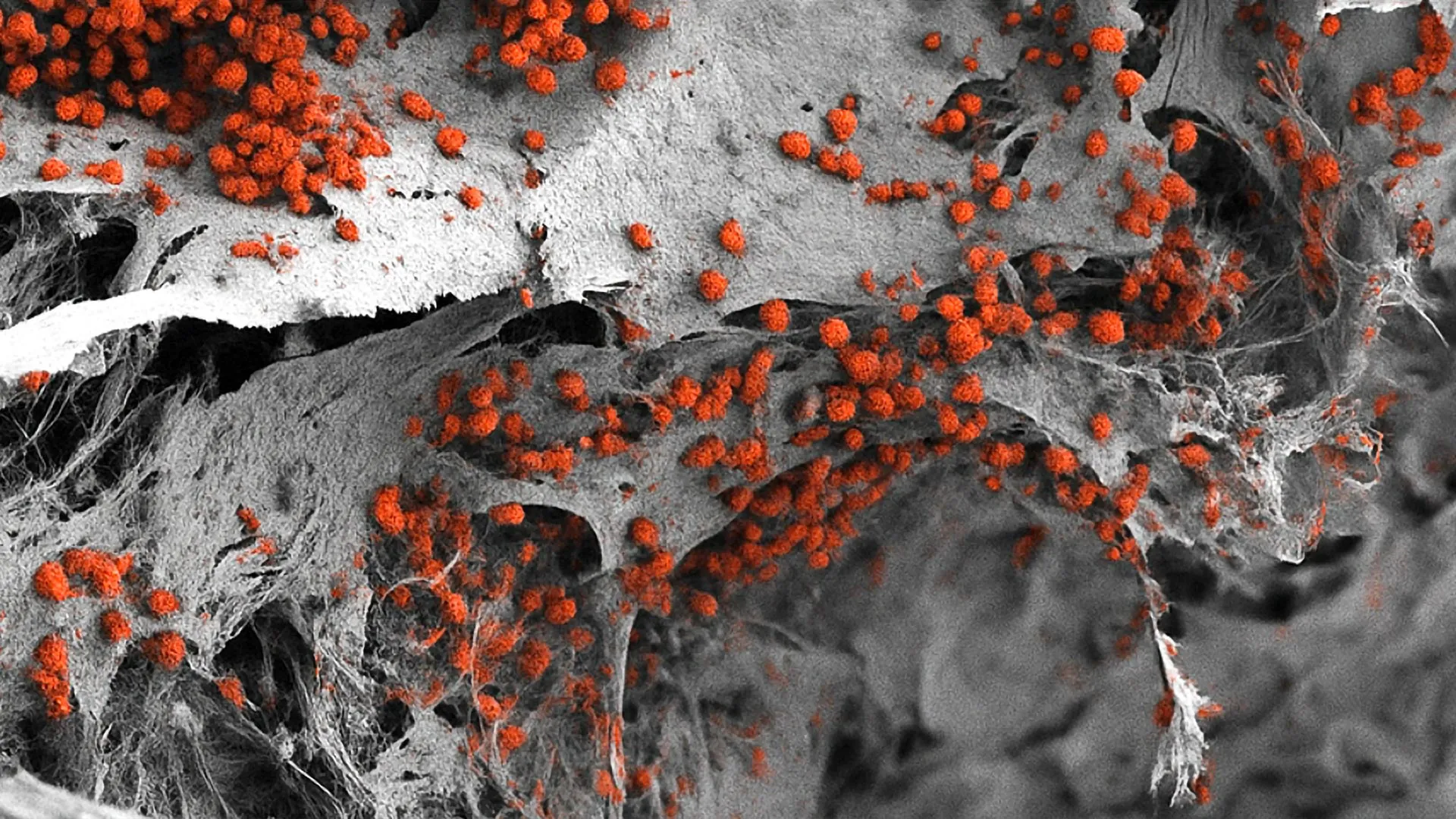
The research team, led by first author Hunter Wang, a postdoctoral researcher in the Evans lab, utilized a combination of human tissue database analysis and murine models to isolate the function of BCL6. Initially, the team scanned national databases of human tissue samples and found an unexpectedly high concentration of BCL6 in skeletal muscle cells. This abundance suggested that the protein, previously known primarily for its role in the immune system, held a clandestine but vital role in musculoskeletal health.
To test this hypothesis, the scientists conducted experiments on mice with varying levels of functional BCL6. The results were stark:
- Deficiency Impact: Mice lacking the BCL6 protein exhibited a 40% reduction in muscle mass compared to healthy control groups. Furthermore, the remaining muscle tissue showed significant structural degradation and a marked decrease in physical strength.
- Restoration and Reversal: When the researchers used genetic intervention to increase BCL6 expression in these compromised muscles, the animals regained their lost mass and strength. This demonstrated that BCL6 is not merely a marker of healthy muscle but an active driver of muscle restoration.
- Fasting Correlation: In a separate trial comparing normal mice with those subjected to an overnight fast, the researchers found that fasting significantly depleted BCL6 levels in the muscle. This explains why prolonged caloric deficits—common in patients on GLP-1 drugs—often lead to muscle wasting.
"Our study reveals how our bodies coordinate the upkeep of all this muscle with our nutrition and energy levels," said Professor Ronald Evans, Director of the Gene Expression Laboratory at Salk. "With this new insight, we can develop therapeutic interventions for patients losing muscle as a side effect of weight loss, age, or illness."
The GLP-1 Context: Addressing "Dirty" Weight Loss
The implications of this discovery are particularly timely given the explosion in GLP-1 usage. While medications like semaglutide and tirzepatide have been hailed as "miracle drugs" for obesity and type 2 diabetes, the medical community has grown increasingly concerned about the quality of weight being lost. In clinical trials, a substantial portion of the weight shed by participants was "lean mass," which includes muscle, bone, and organ tissue.
Muscle is the most metabolically active tissue in the body. Losing it can lead to a lower basal metabolic rate, making it harder to maintain weight loss in the long term. More importantly, muscle loss—especially in older populations—increases the risk of falls, fractures, and loss of independence. By identifying BCL6 as the gatekeeper of IGF1 production, the Salk Institute has provided a target for pharmaceutical companies to develop "add-on" injectables. A BCL6-boosting drug could theoretically allow a patient to utilize GLP-1s for fat loss while pharmacologically protecting their muscle mass.
Broader Clinical Implications: Sarcopenia, Cancer, and Sepsis
Beyond the weight-loss market, the identification of the BCL6 pathway has profound implications for several other major health crises:
1. Age-Related Sarcopenia
As humans age, they naturally lose muscle mass and strength, a condition known as sarcopenia. This decline is often linked to a decrease in growth hormone sensitivity. The Salk study suggests that age-related muscle loss may be exacerbated by a decline in BCL6 efficiency. Targeting this protein could offer a way to maintain mobility and quality of life in the elderly population.
2. Cancer Cachexia
Many cancer patients suffer from cachexia, a wasting syndrome characterized by extreme weight loss and muscle atrophy that cannot be reversed by nutrition alone. Cachexia is often what leads to mortality in advanced cancer cases. Understanding the BCL6-SOCS2-IGF1 axis may allow clinicians to intervene and prevent the body from "digesting" its own muscle tissue during systemic illness.
3. Sepsis and Critical Illness
In cases of sepsis or prolonged ICU stays, patients experience rapid muscle breakdown due to systemic inflammation and lack of physical activity. The researchers believe that BCL6-based therapies could be used in acute care settings to stabilize muscle tissue while patients recover from life-threatening infections.
Analysis of Future Research and Market Trajectory
The discovery of BCL6’s role in muscle maintenance is only the first step. The Salk team is now moving toward investigating the temporal aspects of the protein. Hunter Wang noted that BCL6 appears to follow a strong circadian rhythm, rising and falling in coordination with the body’s internal clock. Understanding when BCL6 is most active could lead to "chronotherapy," where muscle-boosting treatments are administered at specific times of the day to maximize efficacy.
Furthermore, the research highlights the delicate balance of fasting. While intermittent fasting has gained popularity for its metabolic benefits, the Salk study suggests that "going too long" without nutrition triggers a hormonal cascade that inherently targets muscle for degradation. Future studies will aim to determine the "tipping point" where fasting ceases to be a metabolic benefit and begins to be a musculoskeletal detriment.
From a market perspective, the pharmaceutical industry is already pivoting toward "muscle-sparing" weight loss. Companies are currently exploring various myostatin inhibitors and activin receptor ligands to pair with GLP-1s. The BCL6 discovery adds a highly specific, upstream target to this pipeline, potentially offering a more natural way to harness the body’s own growth signals.
Conclusion
The Salk Institute’s findings represent a significant leap forward in our understanding of human physiology. By identifying BCL6 as the missing link between growth hormone and muscle synthesis, researchers have opened a new frontier in metabolic health. As the global population continues to age and the use of weight-loss medications becomes more prevalent, the ability to decouple fat loss from muscle loss will be essential.
"These were very surprising and special findings that open the door for a lot of new discoveries and potential therapeutic innovations," said Wang. For the millions of people currently navigating the complexities of weight management and chronic illness, the prospect of a BCL6-based therapy offers hope for a future where losing weight doesn’t mean losing the strength to live a full and active life.
The work was supported by a wide array of prestigious institutions, including the National Institutes of Health, the Department of the Navy Office of Naval Research, and the American Heart Association, underscoring the high level of scientific interest in muscle preservation. As the study moves from the laboratory toward clinical considerations, the medical community will be watching closely to see how this molecular switch can be flipped to benefit public health on a global scale.