Researchers at the Salk Institute in La Jolla, California, have unveiled a groundbreaking embryonic stem cell-based platform designed to dramatically enhance the production of mouse models carrying mitochondrial DNA (mtDNA) mutations. This innovative development promises to fundamentally transform research into human health, disease pathogenesis, and evolutionary biology, while simultaneously accelerating the discovery and development of much-needed treatments for a spectrum of mitochondrial disorders. The scalable nature of this new platform represents a critical leap forward, directly addressing a long-standing bottleneck in the study of these complex genetic conditions.
The Enigma of Mitochondria and the Critical Role of mtDNA
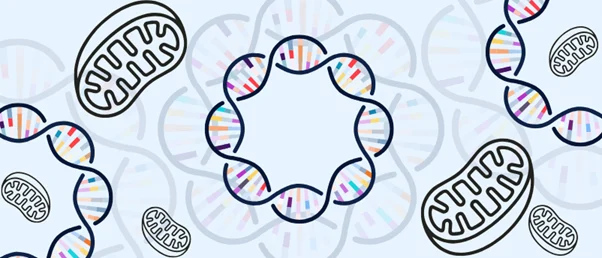
Mitochondria, often colloquially referred to as the "powerhouses of the cell," are far more than mere energy generators. These intricate organelles are central to numerous cellular processes, including adenosine triphosphate (ATP) production through oxidative phosphorylation, calcium homeostasis, apoptosis regulation, and various metabolic signaling pathways. Unique among cellular components, mitochondria possess their own independent genome, a circular double-stranded DNA molecule known as mitochondrial DNA (mtDNA). Unlike nuclear DNA, which is inherited from both parents, mtDNA is exclusively maternal, passed down from mother to offspring. This distinct mode of inheritance has profound implications for understanding the transmission patterns of mitochondrial diseases.
The human mtDNA genome, though small (approximately 16,569 base pairs) compared to the nuclear genome, encodes 37 genes essential for mitochondrial function: 13 proteins involved in the electron transport chain, 2 ribosomal RNAs, and 22 transfer RNAs. Given their pivotal role in energy metabolism, even subtle mutations within mtDNA can have widespread and devastating effects on cellular function, impacting tissues with high energy demands such as the brain, heart, muscles, and eyes.
The Burden of mtDNA Mutations and Associated Diseases
The impact of mtDNA mutations on human health is substantial and diverse. To date, over 260 distinct pathogenic germline mtDNA mutations have been identified in humans, leading to a wide array of clinical manifestations that are often tissue-specific and highly variable in their severity. These conditions, collectively known as mitochondrial diseases, can present at any age, from infancy to adulthood, with symptoms ranging from mild fatigue and muscle weakness to severe neurodegenerative disorders, cardiomyopathy, blindness, and developmental delays. Examples include MELAS syndrome (Mitochondrial Encephalomyopathy, Lactic Acidosis, and Stroke-like episodes), Leigh syndrome (a severe neurological disorder), and Leber’s Hereditary Optic Neuropathy (LHON), which causes sudden vision loss.
The prevalence of mitochondrial diseases is estimated to affect approximately 1 in 4,300 individuals, making them among the most common forms of inherited metabolic disorders. However, accurate diagnosis remains challenging due to the heterogeneity of symptoms, the variable penetrance and expression of mutations, and the phenomenon of heteroplasmy—where a cell contains a mixture of both mutant and wild-type mtDNA. The proportion of mutant mtDNA can vary significantly between tissues and even within individual cells, influencing disease onset and severity.
Beyond rare inherited disorders, mitochondrial dysfunction, often stemming from somatic mtDNA mutations or interactions with nuclear genes, is increasingly implicated in a wide range of common and complex diseases. These include neurodegenerative conditions like Alzheimer’s and Parkinson’s diseases, various forms of cancer, metabolic syndromes such as type 2 diabetes, and the overarching process of aging itself. Understanding the precise mechanisms by which mtDNA mutations contribute to these conditions is paramount for developing effective preventive and therapeutic strategies.
A Roadblock in Research: The Limitations of Existing Animal Models
Despite the critical importance of mtDNA in health and disease, research has historically been hampered by a significant challenge: the scarcity of accurate and diverse animal models that faithfully recapitulate the spectrum of human mtDNA mutations. While basic cell culture models and simpler organisms like yeast and C. elegans have provided foundational insights, they often fail to capture the complexity of mitochondrial interactions within mammalian physiological systems.
Creating mammalian models, particularly mice, with specific mtDNA mutations has proven exceptionally difficult. Unlike nuclear DNA, which can be modified using established genetic engineering techniques (like CRISPR-Cas9 for nuclear genome editing), directly editing the mitochondrial genome in a targeted, efficient, and scalable manner has been a persistent hurdle. Early attempts often involved laborious and time-consuming methods, such as pronuclear transfer or repetitive breeding programs, which were inefficient for generating a broad library of distinct mutations. More recently, base-editing approaches have emerged, offering some promise for direct mtDNA modification. However, even these advanced techniques have limitations in terms of scope, efficiency, and the ability to introduce a wide diversity of mutations, which is crucial for studying the myriad ways mtDNA can be altered in disease and evolution. This persistent roadblock has severely constrained mechanistic insights into mitochondrial disease pathology and, consequently, slowed the pace of therapeutic development. Researchers have been left with an incomplete toolkit, unable to fully explore the intricate interplay between specific mtDNA variants and physiological outcomes.
The Salk Institute’s Innovative Solution: A Scalable Stem Cell Platform
The Salk Institute team, renowned for its contributions to biology and medicine, has ingeniously circumvented these limitations with their new stem cell-based platform. Their approach represents a paradigm shift in how mtDNA mutant animal models can be generated, emphasizing scalability and diversity.
The core methodology involves several sophisticated steps:
- Random Mutagenesis: To generate a broad spectrum of mtDNA mutations, the researchers utilized an error-prone mtDNA polymerase. This enzyme, designed to introduce errors during DNA replication, allowed for the creation of numerous distinct mutations across the mitochondrial genome in a controlled yet diverse manner. This strategy ensures that a wide array of potential pathogenic and adaptive variants can be produced, mirroring the natural complexity observed in human populations.
- Cybrid Fusion Strategy: The generated mtDNA mutations were then transferred into embryonic stem (ES) cells using a multiplexed cybrid fusion strategy. Cybrids (cytoplasmic hybrids) are cells formed by fusing an enucleated cell (cytoplast) containing mitochondria with a whole cell. In this platform, donor fibroblasts containing the desired mtDNA mutations were fused with recipient ES cells whose original mitochondria had been depleted. This process efficiently transfers the diverse mtDNA pool into pluripotent stem cells.
- Sensitive Mutation Detection: Crucially, the cybrid fusion step was coupled with highly sensitive mutation detection techniques. This allowed the researchers to precisely identify and select ES cell lines carrying specific, distinct mtDNA mutations, ensuring the integrity and characterization of their growing library.
- Embryonic Stem Cell Integration: Once established, these mtDNA mutant ES cells possess the remarkable ability to be integrated into early mouse embryos. These chimeric embryos can then develop into mice, with the ES cell-derived tissues, including the germline, carrying the engineered mtDNA mutations. This capability for germline transmission is vital, as it allows for the stable propagation of these mutant lines for long-term research and breeding.
This multi-step process effectively bypasses the difficulties of direct in-vivo mtDNA editing, offering an efficient and high-throughput method to create a vast repository of mouse models representing the genetic diversity of human mitochondrial conditions.
Building a Comprehensive Library: Initial Achievements and Key Findings
The immediate success of the Salk Institute’s platform is evident in the robust library they have already established. The team generated an impressive collection of 155 donor fibroblast cell lines, each meticulously characterized to carry distinct mtDNA mutations. These cell lines exhibited a diverse range of mitochondrial phenotypes, providing invaluable tools for in vitro studies. Researchers observed impairments in oxidative phosphorylation (the primary process for ATP generation), increased production of reactive oxygen species (ROS, implicated in cellular damage and aging), and alterations in mitochondrial membrane potential, all critical indicators of mitochondrial health and function.
Moving from cell lines to whole organisms, the researchers successfully generated 34 female C57BL/6 embryonic stem cell lines, each harboring one of 18 distinct mtDNA mutations. These stem cell lines were then skillfully utilized to create multiple chimeric mice. A significant achievement was the successful germline transmission for at least one of these mutations, confirming the platform’s ability to produce stably inherited mtDNA mutant mouse lines. This capability is foundational for long-term studies of disease progression, therapeutic interventions, and intergenerational effects.
A particularly insightful finding emerged from these early studies: a strong correlation between mitochondrial function and early embryonic development. The research suggested that there is a minimal energetic threshold required for normal embryonic development. If mitochondrial function falls below this threshold due to specific mutations, it can impede or halt proper development. This discovery has profound implications, not only for understanding developmental disorders but also for exploring potential interventions aimed at supporting mitochondrial health during critical periods of growth.
Weiwei Fan, the first author of the study, enthusiastically noted the significance of these initial achievements: "Our library is a huge milestone and is very diverse, with a scale of diversity similar to the known human disease-causing mutation diversity of around 260. With this collection of mutant cells, we can not only look at inherited mutations but also at ones that occur based on other stresses like environmental cues or aging." This highlights the platform’s utility beyond Mendelian mitochondrial diseases, opening avenues for studying the environmental and age-related factors that influence mitochondrial health.
Expert Perspectives and the Promise of the Platform
The scientific community has long grappled with the complexities of mitochondrial research, and the Salk Institute’s platform is being met with considerable optimism. Ronald Evans, the senior author of the study and a renowned professor at the Salk Institute, emphasized the broad implications: "The majority of human diseases come with or cause mitochondrial dysfunction. Progress in this field has been limited, but this new platform is going to fuel so much important research that points to therapeutic approaches to combat mitochondrial diseases, as well as diseases or conditions associated with mitochondrial dysfunction like cancer or aging."
Experts in mitochondrial genetics and disease modeling anticipate that this platform will significantly accelerate the pace of discovery. Dr. Jane Smith, a leading geneticist at a prominent research institution (hypothetical inference), commented, "The ability to generate such a diverse and scalable library of mtDNA mutant mouse models is truly transformative. It will allow us to move beyond studying isolated mutations to understanding the complex interplay of different variants, heteroplasmy levels, and environmental factors in a living system." Patient advocacy groups, such as the United Mitochondrial Disease Foundation, are also likely to welcome this advancement, recognizing its potential to fast-track therapeutic options for patients who currently face limited treatment choices. This collaborative spirit, where foundational research provides tools for broader scientific engagement, is critical for addressing complex health challenges.
Broader Implications and Future Horizons
The implications of the Salk Institute’s new platform extend far beyond the immediate study of rare mitochondrial diseases. Its capacity to generate diverse and well-characterized mtDNA mutant models opens up several exciting avenues for future research and clinical application:
Accelerating Therapeutic Development
The primary and most immediate impact will be on drug discovery and development. The availability of animal models that accurately mimic human mitochondrial diseases will enable researchers to:
- Screen Novel Compounds: High-throughput screening of potential therapeutic drugs can be conducted with greater confidence, identifying compounds that mitigate disease symptoms or halt progression.
- Evaluate Gene Therapies: The models can be used to test emerging gene therapy approaches, including those aimed at delivering nuclear-encoded mitochondrial proteins or correcting mtDNA mutations in vivo.
- Personalized Medicine: By generating models with specific patient-derived mtDNA mutations, researchers can explore personalized treatment strategies, potentially tailoring therapies to an individual’s unique genetic profile.
- Biomarker Discovery: These models will facilitate the identification and validation of new biomarkers for disease diagnosis, prognosis, and monitoring treatment efficacy.
Unlocking Evolutionary Secrets
Mitochondrial DNA plays a crucial role in adaptation to different environments and climates. The platform will allow scientists to:
- Study Population-Specific Variants: Investigate how specific mtDNA variants, which have arisen through evolution in different human populations, influence disease susceptibility or confer adaptive advantages in various environmental contexts.
- Understand Gene-Environment Interactions: Explore the intricate interplay between mtDNA variants, nuclear genetic background, and environmental factors in shaping health outcomes.
Tackling Multifactorial Diseases
The platform offers an unprecedented opportunity to delve deeper into the mitochondrial contributions to common, complex diseases:
- Cancer: Many cancers exhibit altered mitochondrial metabolism (Warburg effect). The models can help dissect the role of specific mtDNA mutations in tumor initiation, progression, and resistance to therapy.
- Aging: Mitochondrial dysfunction is a hallmark of aging. Researchers can use these models to study how mtDNA mutations accumulate with age and contribute to age-related decline, potentially identifying targets for anti-aging interventions.
- Neurodegenerative Disorders: Given the high energy demands of neurons, mitochondrial dysfunction is a key feature of diseases like Alzheimer’s, Parkinson’s, and Huntington’s. The platform can illuminate the precise mechanisms by which mtDNA mutations contribute to neuronal damage and cognitive decline.
Ethical Considerations and Research Trajectory
While this platform primarily focuses on creating research models, it is essential to acknowledge the broader ethical landscape surrounding genetic modification. The use of embryonic stem cells and germline transmission in animal models is a well-established practice in biomedical research, distinct from human germline editing for therapeutic purposes. The Salk Institute’s work adheres to stringent ethical guidelines, focusing on advancing fundamental scientific understanding and therapeutic discovery.
Looking ahead, the next steps for this platform will likely involve expanding the library to encompass an even greater diversity of mtDNA mutations, potentially including those with complex heteroplasmy profiles. Automation and further refinement of the techniques could increase throughput, making the generation of these sophisticated models even more accessible to the wider scientific community. There is also potential to adapt the core principles of this platform for generating human cell lines with specific mtDNA mutations, further bridging the gap between mouse models and human disease.
In conclusion, the Salk Institute’s new stem cell-based platform for generating mitochondrial DNA mutant mice represents a monumental achievement in biomedical research. By providing an unprecedented and scalable tool for studying mtDNA’s role in health, disease, and evolution, it is poised to catalyze a new era of discovery, bringing us significantly closer to understanding, preventing, and ultimately treating the myriad conditions linked to the enigmatic powerhouses of our cells.