


This fundamental discovery, detailed in a collaborative study by researchers from the University of Michigan and the University of California San Diego, addresses one of the most persistent and devastating challenges in oncology: the long-term recurrence of estrogen receptor-positive (ER+) breast cancer. While medical advancements have significantly improved the initial survival rates for breast cancer patients, the specter of late-stage relapse remains a significant clinical hurdle. For many patients, the successful completion of primary treatment and the achievement of remission do not mark the end of the journey, but rather the beginning of a period of physiological "sleeper cells" that can remain dormant in the bone marrow for decades before re-emerging as an aggressive, often incurable, metastatic disease.
The research, published in the Journal of Clinical Investigation, provides a granular look at the molecular "smuggling" operation that occurs within the bone marrow microenvironment. By identifying how disseminated tumor cells (DTCs) interact with their surroundings to survive systemic therapies, the study offers a potential roadmap for preventing the deadly transition from dormancy to active recurrence.
The Silent Threat of ER+ Breast Cancer Recurrence
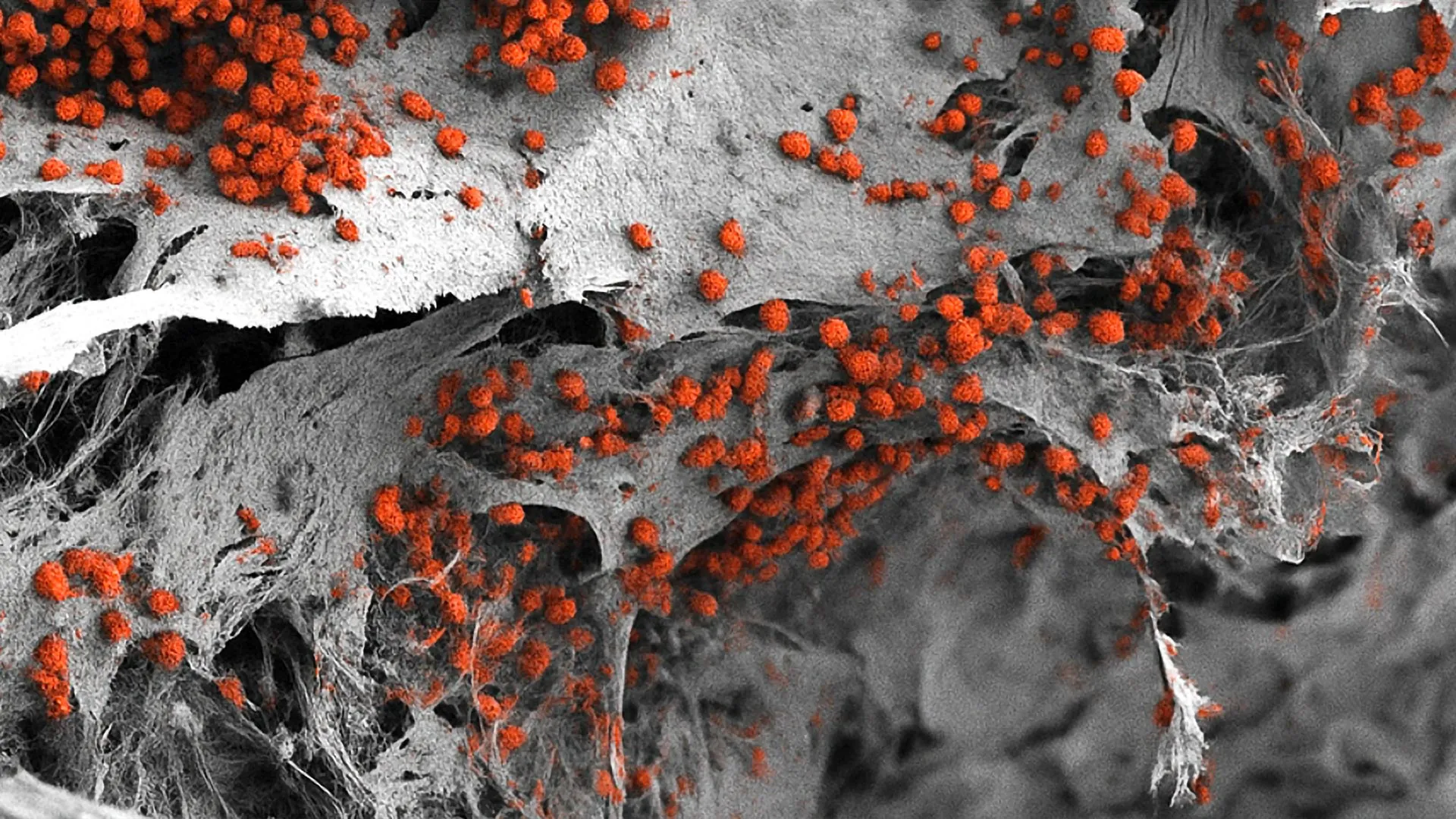
Estrogen receptor-positive breast cancer is the most prevalent subtype of the disease, accounting for approximately 70% to 80% of all breast cancer diagnoses. One of the defining characteristics of ER+ breast cancer is its capacity for late recurrence. Unlike more aggressive subtypes like triple-negative breast cancer, which tend to recur within the first few years after diagnosis if they recur at all, ER+ cells are notoriously patient. These cells can migrate to distant sites—most notably the bone marrow—where they enter a state of quiescence or "sleep."
Statistically, approximately 40% of patients with ER+ breast cancer will experience a recurrence of the disease. This return often manifests as metastatic bone cancer, characterized by debilitating symptoms including pathological bone fractures, severe pain, and hypercalcemia (dangerously high levels of calcium in the blood). Once the cancer has established itself in the bone marrow and subsequently spread to other vital organs, it is currently considered incurable, with treatment shifting from eradication to palliative management.
The University of Michigan and UC San Diego study sought to understand why these "sleeper cells" are so resilient. Specifically, the researchers investigated why standard-of-care treatments, such as Tamoxifen and other estrogen-targeted therapies, often fail to eliminate these dispersed cells while they are in the bone marrow niche.
A Mechanism of Molecular Smuggling: The Role of CX43 Tunnels
The core of the study’s findings lies in the physical interaction between breast cancer cells and mesenchymal stem cells (MSCs) located within the bone marrow. Mesenchymal stem cells are a type of multipotent stromal cell that can differentiate into various cell types, including osteoblasts (bone cells), chondrocytes (cartilage cells), and adipocytes (fat cells). In a healthy body, MSCs are vital for tissue repair and regeneration. However, in the context of cancer, these cells appear to be co-opted by the invading tumor cells.
The researchers discovered that breast cancer cells do not merely exist alongside MSCs; they establish direct physical connections known as CX43-related tumor-stroma tunnels. Connexin 43 (CX43) is a protein that forms gap junctions, which are specialized intercellular connections that allow for the direct transfer of molecules between adjacent cells.
"We discovered that the breast cancer cells require direct contact with mesenchymal stem cells," explained Gary Luker, M.D., head of U-M’s Luker Lab within the Center for Molecular Imaging and senior author of the paper. This contact is not passive. Through these CX43-mediated tunnels, the cancer cells effectively "borrow" or "smuggle" essential biological materials from the stem cells.
These materials include proteins and messenger RNA (mRNA) that the cancer cells themselves may not be producing in sufficient quantities to survive the hostile environment of targeted therapy. By siphoning these resources from their "generous neighbors," the cancer cells acquire an aggressive phenotype, becoming more resistant to drugs and more capable of invading other tissues once they re-awaken.
Identifying the Culprit: The GIV Protein
To pinpoint which specific molecules were responsible for this increased aggression and survival, the research team conducted a series of laboratory experiments and proteomic analyses. They observed that contact with MSCs induced changes in hundreds of different proteins within the cancer cells.
Through rigorous screening, the team identified a protein known as GIV (Girdin) as a primary driver of the cancer cells’ survival mechanism. GIV is known in the oncology community as a versatile signaling protein that promotes "invasiveness, chemoresistance, and the acquisition of metastatic potential in multiple cancers."
The study demonstrated that GIV, acquired or upregulated through the interaction with MSCs, specifically enables breast cancer cells to resist estrogen-targeted therapies like Tamoxifen. Tamoxifen works by blocking the estrogen receptors on cancer cells, theoretically starving them of the hormonal signals they need to grow. However, the presence of GIV allows the cells to bypass this blockade, activating alternative survival pathways that render the treatment ineffective.
Chronology of Discovery and Research Methodology
The path to this discovery involved several stages of investigation, combining clinical observation with advanced molecular biology:
- Observation of Clinical Data: The researchers began by reviewing the long-term outcomes of ER+ breast cancer patients, noting the high rate of bone marrow-involved recurrence even after successful endocrine therapy.
- In Vitro Modeling: The team developed sophisticated laboratory models to simulate the bone marrow environment. This involved co-culturing human breast cancer cells with human mesenchymal stem cells to observe real-time interactions.
- Visualization of Tunnels: Using high-resolution imaging, the researchers identified the formation of CX43-related tunnels. They utilized fluorescent markers to track the movement of mRNA and proteins from the MSCs into the cancer cells.
- Proteomic Analysis: By comparing cancer cells that had been in contact with MSCs against those that had not, the team identified the broad-scale changes in the cellular proteome, eventually narrowing the focus to GIV.
- Functional Validation: The researchers then used genetic techniques to "knock down" or inhibit CX43 and GIV in their models. They found that without these components, the cancer cells lost their resistance to Tamoxifen and were significantly less likely to survive and spread.
Reactions and Perspectives from the Research Community
The implications of this study have resonated throughout the oncology and cellular biology communities. Dr. Pradipta Ghosh, a study author and professor at the UC San Diego School of Medicine, emphasized the predatory nature of this relationship.
"Sleeper cells can be reawakened and cause estrogen receptor-positive breast cancers to relapse years—in some cases as long as a decade—after patients were believed to be in remission," Dr. Ghosh stated. "Since these cancer cells ‘borrow’ essential proteins from stem cells in the bone marrow through cellular tunnels—much like smuggling—approaches for targeting the tunnels or proteins they smuggle could help prevent the relapse and metastasis."
Other experts in the field have noted that this research adds a critical layer to the "Seed and Soil" theory of metastasis, originally proposed by Stephen Paget in 1889. While Paget suggested that certain "seeds" (cancer cells) only grow in certain "soils" (organs like bone marrow), this new study shows that the seeds are actually stealing nutrients and tools from the soil itself to change their own nature.
Broader Impact and Future Implications for Treatment
The identification of CX43-mediated tunnels and the role of GIV represents a significant shift in how researchers might approach the prevention of breast cancer recurrence. Currently, most treatments focus on killing actively dividing cancer cells. However, "sleeper cells" in the bone marrow are often non-proliferative, meaning they do not divide rapidly and are thus invisible to traditional chemotherapy.
By focusing on the communication channels—the tunnels—rather than just the cells themselves, scientists may be able to develop a "pre-emptive strike" strategy.
Potential therapeutic avenues include:
- CX43 Inhibitors: Developing drugs that specifically block the formation of gap junctions or tunnels between MSCs and cancer cells. This would effectively "isolate" the cancer cells, making them vulnerable to the body’s immune system or existing therapies.
- Targeting GIV: Small molecule inhibitors designed to block the GIV protein could prevent the cancer cells from utilizing the smuggled materials, thereby restoring the effectiveness of Tamoxifen and other endocrine therapies.
- Diagnostic Markers: Monitoring the levels of GIV or the presence of these cellular tunnels in bone marrow biopsies could serve as a predictive tool to identify patients at high risk for late-stage recurrence.
Conclusion
The findings from the University of Michigan and UC San Diego provide a sobering yet hopeful look at the complexities of breast cancer. While the discovery of the "smuggling" mechanism highlights the adaptive brilliance of cancer cells, it also exposes a critical vulnerability.
As the medical community moves toward more personalized and targeted oncology, understanding the specific microenvironmental interactions that allow cancer to persist is paramount. For the millions of ER+ breast cancer survivors worldwide, this research offers the promise of a future where the threat of recurrence is not just managed, but systematically dismantled at its source. The transition of these findings from the laboratory to clinical trials will be the next crucial step in ensuring that "remission" truly means a permanent end to the disease.











Leave a Reply