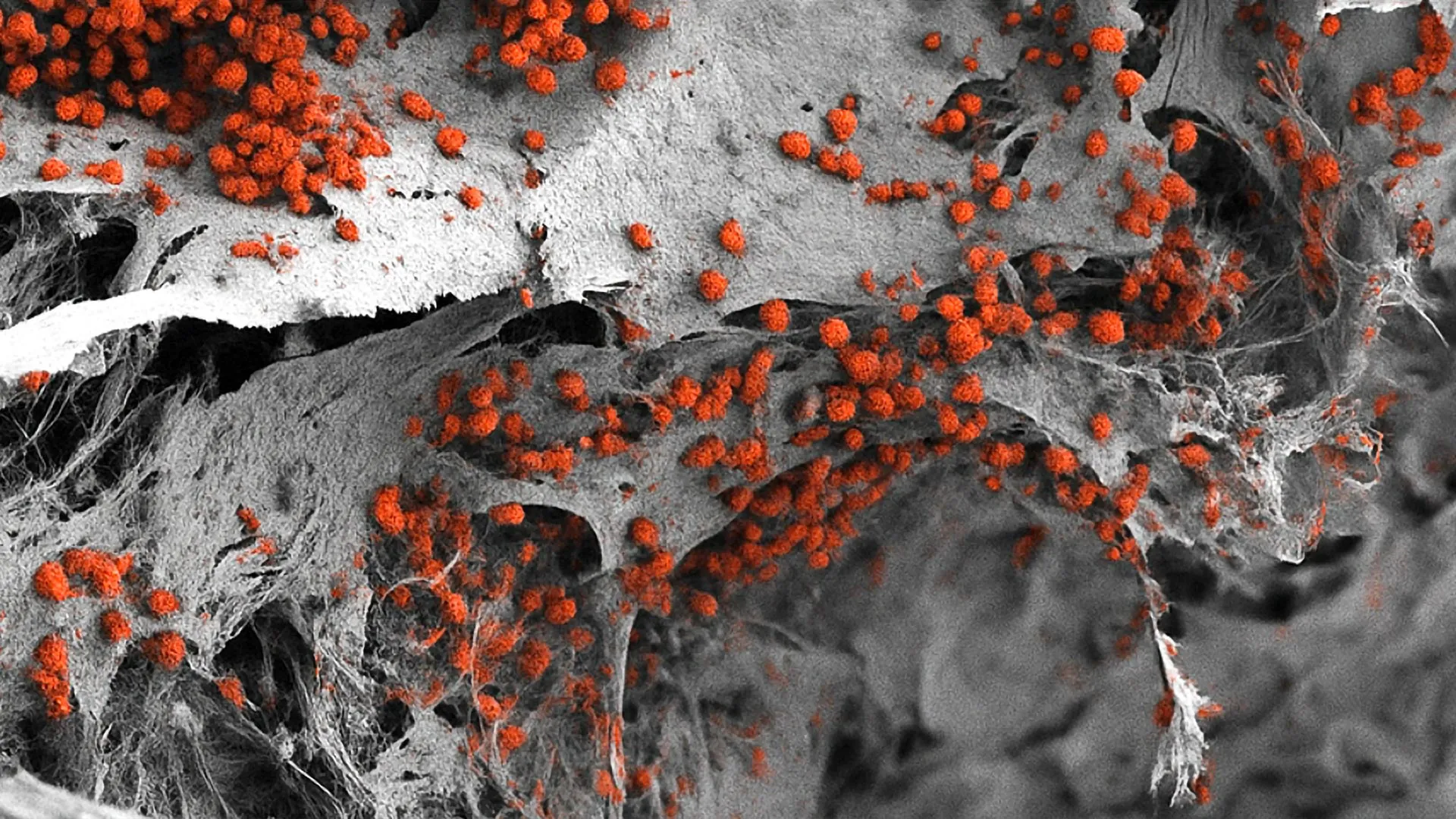
Acute Myelogenous Leukemia (AML) has long remained one of the most formidable challenges in oncology, characterized by its rapid progression and a stubbornly low survival rate. A landmark study published in the journal Nature by researchers from Ludwig Cancer Research has unveiled a novel therapeutic strategy that could fundamentally alter the treatment landscape for this aggressive blood cancer. By combining two specific inhibitors, the research team has demonstrated a way to dismantle the biological "differentiation block" that prevents leukemic cells from maturing, effectively forcing them to transition from malignant, rapidly dividing cells into mature, non-cancerous ones.
The study, co-led by Yang Shi and Amir Hosseini of Ludwig Oxford, alongside Abhinav Dhall at Harvard Medical School and collaborators from the University of Pennsylvania and the University of Helsinki, addresses a critical unmet need. For patients diagnosed with AML, the prognosis is often grim; the median survival time following diagnosis currently stands at a mere 8.5 months. This new approach seeks to replicate the success of previous breakthroughs in specific AML subtypes by applying a sophisticated understanding of epigenetics to the broader spectrum of the disease.
The Biological Mechanism of AML: Understanding the Differentiation Block
To understand the significance of this discovery, one must first look at the underlying pathology of AML. While the disease is genetically diverse—meaning it can be caused by various mutations across different patients—nearly all subtypes share a singular, defining characteristic: the impaired differentiation of myeloid progenitor cells in the bone marrow.
Under normal circumstances, hematopoiesis (the process of blood cell formation) involves stem cells maturing into specialized cells, such as red blood cells, platelets, and various types of white blood cells. In AML, this process is hijacked. Myeloid progenitor cells become "stuck" in an immature, embryonic-like state. These immature cells, or blasts, do not function as healthy blood cells. Instead, they accumulate rapidly in the bone marrow and spill into the bloodstream, crowding out healthy cells and leading to systemic failure of the immune and circulatory systems.
For decades, the goal of "differentiation therapy" has been to find a way to "unstick" these cells. This concept is not entirely theoretical; it has been successfully applied to a specific subtype of AML known as Acute Promyelocytic Leukemia (APL). In APL, a combination of all-trans retinoic acid (ATRA) and arsenic trioxide is used to induce the maturation of leukemic cells. This regimen has transformed APL from a fatal condition into one with a 95% cure rate. However, the majority of AML patients do not have the APL subtype, and finding a similar "magic bullet" for other forms of the disease has proven elusive until now.
The Role of Epigenetics and the Discovery of LSD1
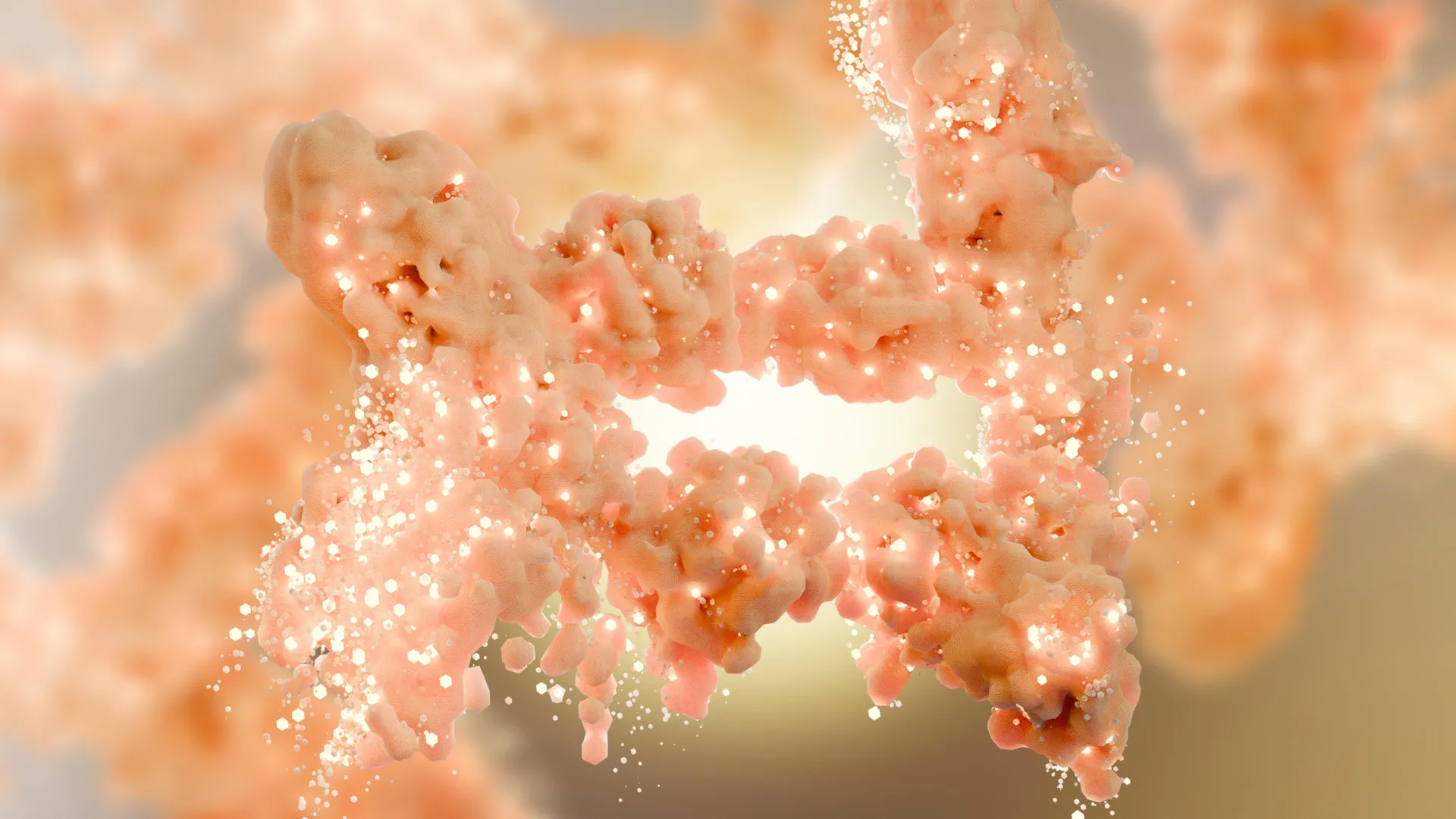
The search for a solution led the research team to the field of epigenetics—the study of how gene expression is regulated by chemical modifications to DNA and its associated proteins, rather than changes to the genetic code itself. A central player in this process is an enzyme called LSD1 (lysine-specific demethylase 1).
LSD1 was first discovered in 2004 by Yang Shi and his colleagues. Its primary function is to remove methyl groups from histones, the "spools" around which DNA is wound. By altering these chemical tags, LSD1 can effectively turn genes on or off. In the context of AML, LSD1 is often overexpressed, where it acts as a gatekeeper that maintains the "stemness" of leukemic cells, preventing them from maturing and keeping them in a state of constant proliferation.
While LSD1 inhibitors were developed and showed promise in early laboratory tests, their transition to clinical use was hampered by a significant hurdle: toxicity. When used as a monotherapy at the doses required to be effective, LSD1 inhibitors often caused severe side effects, making them difficult for patients to tolerate.
Chronology of the Discovery: From Screening to Synergy
Recognizing the limitations of using LSD1 inhibitors alone, the researchers embarked on a multi-year quest to identify a secondary compound that could work synergistically with LSD1 inhibition. The goal was to find a combination that would be effective at much lower, less toxic doses.
The team utilized mouse leukemic cells to conduct high-throughput screening of various molecular compounds. This systematic approach allowed them to observe how different drugs interacted with LSD1 inhibitors in real-time. After testing numerous combinations, the researchers identified a potent synergy with inhibitors of the GSK3α/β enzyme (Glycogen Synthase Kinase 3).
The discovery of GSK3 as a partner for LSD1 was particularly promising because GSK3 inhibitors are already well-understood in clinical contexts. They have been evaluated in various clinical trials for other types of cancer and are generally well-tolerated by human patients.
Following the identification of this synergy, the researchers moved into the validation phase:
- In Vitro Testing: The combination was tested on laboratory cultures of multiple human AML subtypes. In each case, the low-dose combination successfully triggered cell differentiation and halted the rapid division of cancer cells.
- In Vivo Mouse Models: The researchers then engrafted human AML cells into mice. The results were striking: the combination therapy significantly extended the survival of the mice compared to those receiving single-agent treatments or placebos.
- Safety Assessment: Crucially, the team investigated the effect of the therapy on healthy hematopoietic stem cells. They found that the drug combination selectively targeted the leukemic cells while leaving healthy blood-forming cells largely untouched, suggesting a wide therapeutic window and a low risk of systemic toxicity.
Molecular Rewiring: How the Combination Works
The study provides a detailed roadmap of the molecular mechanisms at play. The researchers found that the combination of LSD1 and GSK3 inhibitors works by "re-wiring" the gene expression programs of the leukemic cells.
Essentially, the therapy performs a dual action: it simultaneously activates the genes that drive cell maturation (differentiation) while suppressing the genes responsible for cell proliferation and "stemness." This two-pronged attack dismantles the barrier that keeps the cancer in its aggressive state.
Furthermore, the research highlighted the role of the WNT signaling pathway. Overactivation of the WNT pathway is a known driver in various cancers, contributing to the survival and self-renewal of cancer stem cells. The combination therapy appears to modulate this pathway, suggesting that the findings could have implications for other malignancies beyond leukemia, such as colorectal or breast cancers where WNT signaling is often dysregulated.
Supporting Data and Clinical Implications
The data generated by the study offers a compelling argument for moving toward human clinical trials. One of the most encouraging findings was the correlation between the gene expression signature induced by the therapy and patient outcomes. The researchers observed that the genetic "fingerprint" left by the drug combination in leukemic cells matched the genetic profiles found in AML patients who naturally experience longer survival times.
"We are also encouraged by the observation that the gene expression signature induced in leukemic cells by this combination therapy correlates with that observed in the cancer cells of AML patients who live relatively longer," noted Amir Hosseini.
The feasibility of this treatment is bolstered by the fact that both LSD1 and GSK3 inhibitors are already "clinic-ready." Because these drugs have already undergone safety testing in humans for other indications, the timeline for initiating AML-specific clinical trials could be significantly shortened.
Broader Impact and Future Directions
The implications of this study extend beyond the immediate treatment of AML. It reinforces the growing importance of "combination epigenetics" in oncology. As researchers move away from the "one drug, one target" model, the ability to identify synergistic pairs that can overcome resistance and reduce toxicity is becoming the new frontier of cancer medicine.
The medical community has reacted with cautious optimism. While mouse models and in vitro studies are essential first steps, the true test will be how these results translate to the complex environment of the human body. However, given the dire statistics associated with AML—where the five-year survival rate for patients over 65 remains below 10%—the emergence of a therapy that leverages existing, well-tolerated drugs is a significant development.
Yang Shi emphasized the readiness of this approach: "Our findings provide compelling evidence to support the testing of this combination therapy in AML patients, especially since both of the inhibitors involved are not only available but have been developed for human use and are currently being evaluated in clinical trials."
Conclusion
The study by Ludwig Cancer Research marks a pivotal moment in the fight against Acute Myelogenous Leukemia. By identifying the synergy between LSD1 and GSK3 inhibitors, the research team has opened a new door for differentiation therapy, potentially offering a lifeline to thousands of patients for whom traditional chemotherapy has failed. As the scientific community looks toward clinical trials, the hope is that this combination therapy will mirror the success of the APL breakthrough, turning one of the most aggressive blood cancers into a manageable, and perhaps even curable, condition.
The research was a global effort, supported by a diverse array of institutions including the National Institutes of Health (NIH), the Research Council of Finland, Cancer Research UK, and the Oxford Biomedical Research Centre. This collaborative spirit underscores the complexity of AML and the necessity of multi-disciplinary expertise in solving the most challenging puzzles in modern medicine.