The fundamental understanding of human physiology has been significantly reshaped by a landmark study from the University of California, San Francisco (UCSF), which identifies the lungs as a primary site for blood production. For nearly a century, medical textbooks have taught that the bone marrow is the exclusive factory for the body’s blood supply, housing the hematopoietic stem cells (HSCs) responsible for generating the 200 billion new red blood cells required by the human body every day. However, new research published on February 27 in the journal Blood demonstrates that the lungs also harbor a massive reservoir of these vital stem cells, capable of producing not only red blood cells but also the platelets essential for blood clotting.
This discovery, led by Mark Looney, MD, a professor of medicine and laboratory medicine at UCSF, suggests that the respiratory system plays a far more complex role in the circulatory and immune systems than previously understood. Supported by the National Heart, Lung, and Blood Institute (NHLBI) of the National Institutes of Health (NIH), the findings open new frontiers in the treatment of blood disorders, leukemia, and organ transplantation.
The Paradigm Shift: From Bone Marrow to Pulmonary Tissue
The human body is a marvel of regenerative efficiency. To maintain oxygen flow to every organ and tissue, the body must constantly replace aging red blood cells. This process, known as hematopoiesis, has long been associated almost entirely with the "niche" environment of the bone marrow. HSCs in the marrow differentiate into various lineages, including myeloid and lymphoid cells, which eventually become red blood cells, white blood cells, and platelets.
The UCSF team’s investigation into the lungs began with a realization that the pulmonary environment is uniquely positioned within the circulatory system. As the site where blood is oxygenated, the lungs receive the entire output of the right ventricle of the heart. The researchers hypothesized that such a high-traffic area might serve a purpose beyond gas exchange.
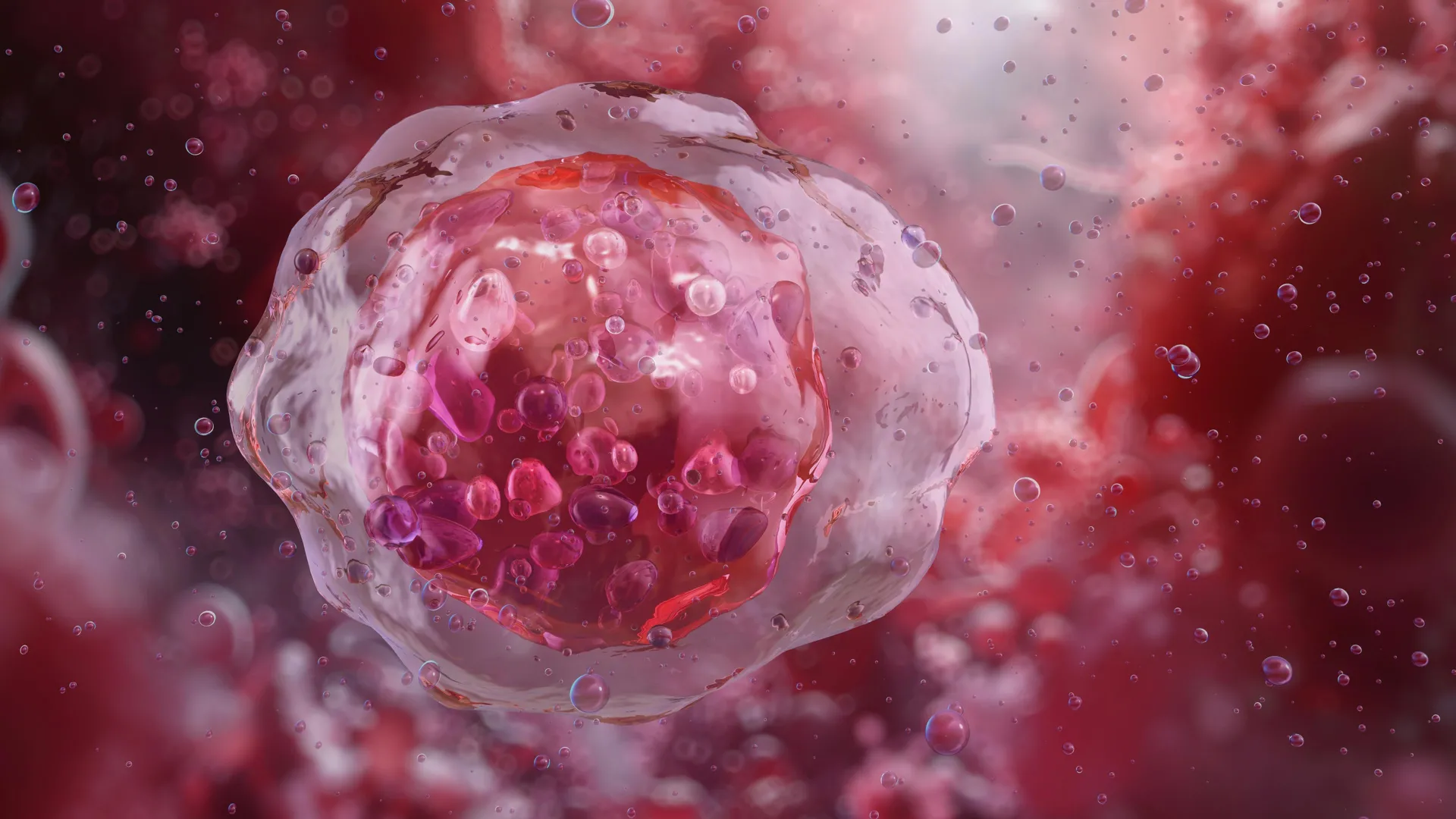
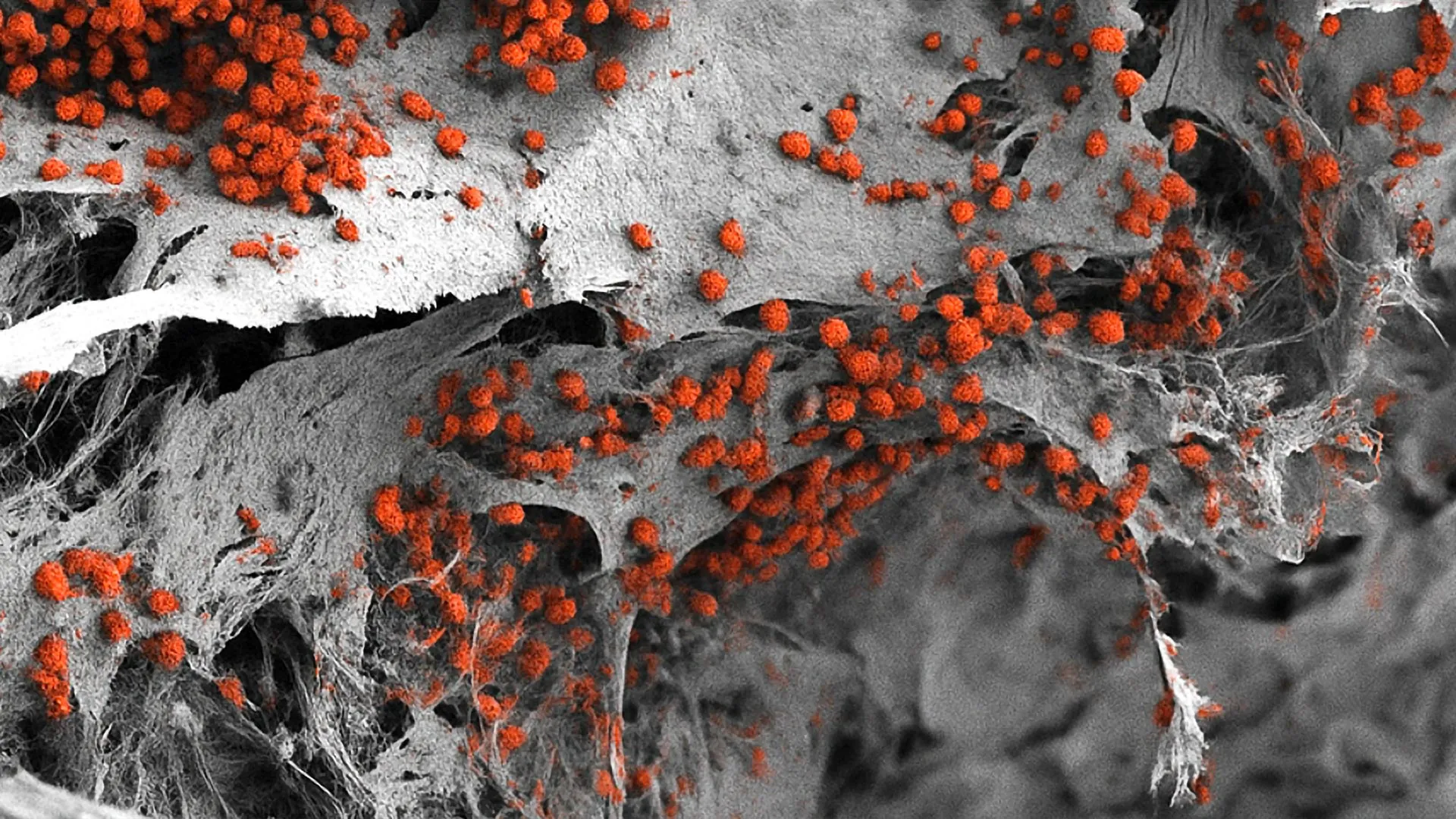
By analyzing human lung tissue, the researchers identified a significant population of hematopoietic stem cells that were previously overlooked. These cells were not merely transient passengers moving through the bloodstream; they were resident inhabitants of the lung tissue, specifically situated in the extravascular space between blood vessels. This anatomical arrangement mirrors the specialized niches found in bone marrow, suggesting that the lungs provide a supportive microenvironment for stem cell maintenance and differentiation.
A Chronology of Discovery: From Mice to Men
The road to this human discovery began in 2017, when Dr. Looney’s team conducted a series of groundbreaking experiments on murine models. Using a technique called two-photon intravital imaging, which allows for the observation of individual cells within the live tissues of mice, the researchers noticed an unexpected level of activity in the pulmonary vasculature.
In the 2017 mouse study, the team discovered that the lungs produced approximately 50% of the mouse’s total platelet supply. Platelets are fragments of larger cells called megakaryocytes, and the study revealed that the lungs were teeming with these progenitor cells. Even more surprisingly, the researchers found that when the bone marrow of the mice was depleted of stem cells, the lung-resident HSCs migrated to the marrow to restore blood production.
"That was the first clue that the lungs weren’t just a destination for blood, but a source," Dr. Looney noted in his analysis of the earlier findings. The challenge remained to determine if this biological mechanism was conserved in humans.
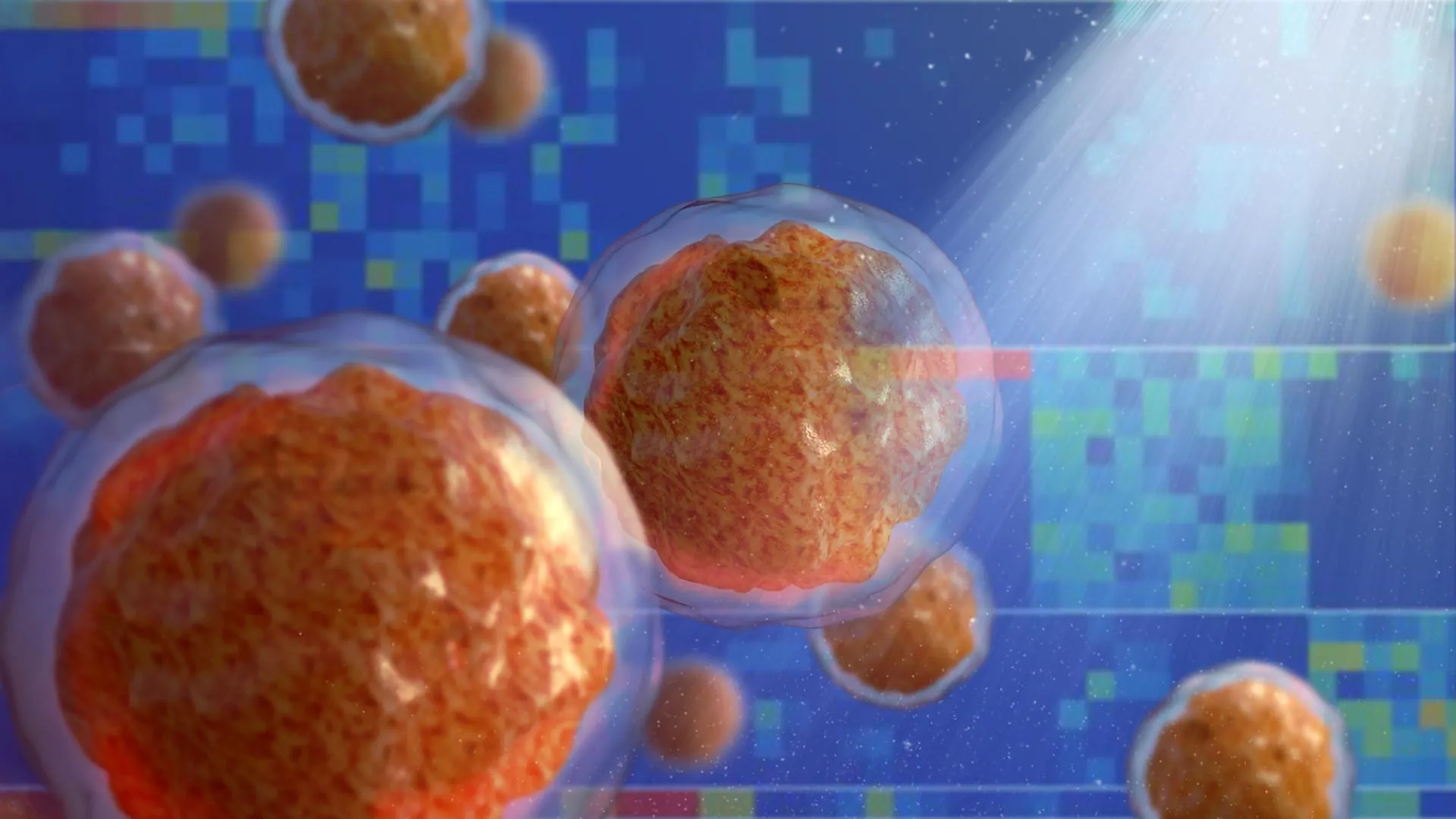
To bridge the gap between mouse models and human biology, the UCSF team obtained donated samples of human lung tissue, bone marrow, and peripheral blood. They focused their screening on a volume of lung tissue roughly the size of a golf ball. Using advanced flow cytometry and genetic sequencing, they compared the cellular profiles across the different tissues.
The results were definitive: the human lung contained HSCs that were phenotypically and functionally similar to those found in bone marrow. Furthermore, the concentration of these stem cells in the lung was remarkably high, occurring at rates comparable to those seen in the bone marrow.
Comparative Productivity and Specialization
While the lung HSCs and bone marrow HSCs appear similar under a microscope, the UCSF study revealed crucial differences in their output. To test the functional capacity of these cells, the researchers utilized "gold-standard" stem cell experiments, placing the HSCs in petri dishes and providing them with the necessary growth factors to mature.
The results highlighted a fascinating division of labor within the body’s hematopoietic system:
- Lung HSCs: These colonies were found to be more prolific in producing red blood cells and megakaryocytes (the precursors to platelets). This suggests the lungs may act as a specialized "booster" for the components of blood responsible for oxygen transport and clotting.
- Bone Marrow HSCs: While these cells also produced red blood cells, their colonies tended to favor the production of immune cells, such as lymphocytes and granulocytes, which are the body’s primary defense against infection.
"Both types of HSCs thrived in our experiments, but their inherent biases were clear," said Catharina Conrad, MD, PhD, a postdoctoral scholar in Looney’s lab and the first author of the paper. "The lung HSCs are reliable, consistent, and appear specifically geared toward maintaining the physical integrity of the blood through oxygenation and clotting capacity."
To further prove the viability of these cells, the team transplanted human lung HSCs into mice that were deficient in their own hematopoietic cells. The human lung stem cells successfully engrafted into the mice’s bone marrow and began producing a full spectrum of human blood cells. This cross-organ functionality confirms that lung-derived stem cells are fully capable of systemic hematopoiesis.
Redefining the "Bone Marrow Transplant"
One of the most startling revelations of the study involves the current practice of hematopoietic stem cell transplantation (HSCT), commonly referred to as a bone marrow transplant. In modern clinical practice, these transplants often involve harvesting stem cells from a donor’s peripheral blood after "mobilizing" them with medication.
The UCSF team analyzed the cellular signatures of stem cells collected during routine donor procedures. They discovered that nearly 20%—one-fifth—of the stem cells currently used in "bone marrow" transplants actually carry the distinct molecular signature of lung-resident HSCs.
This finding implies that for decades, clinicians have been unknowingly utilizing lung-derived stem cells to treat patients with leukemia, lymphoma, and other blood-borne cancers. If these lung HSCs have different regenerative properties, as the UCSF data suggests, then identifying and isolating them could lead to more targeted and effective therapies. For example, a patient requiring a rapid increase in platelet counts might benefit more from a transplant enriched with lung-derived HSCs.
Clinical Implications and the "Emergency Reservoir" Theory
The discovery of a secondary reservoir for blood production has profound implications for emergency medicine and chronic disease management. Dr. Looney and his colleagues propose that the lungs act as an "emergency reservoir" for the body.
Because the lungs are central to the circulatory system, they are ideally positioned to sense systemic stress. In the event of massive blood loss, high-altitude oxygen deprivation, or severe inflammation, the lung HSCs may be activated to rapidly boost the production of red blood cells and platelets.
This theory could explain why patients with chronic lung diseases often suffer from secondary blood complications. If the pulmonary "niche" is damaged by smoking, pollution, or infection, the body’s ability to maintain its blood supply may be compromised, leading to anemia or clotting disorders. Conversely, in cases of bone marrow failure—such as aplastic anemia—the lung reservoir may be the only thing keeping a patient alive.
Future Research and Global Impact
The UCSF study has sent ripples through the hematology and pulmonology communities. Independent researchers are now looking to investigate whether other organs, such as the liver or spleen, might hold similar hidden reservoirs of stem cells.
The potential for new therapies is vast. Future medical interventions could involve:
- Enhanced Transplants: Screening donors specifically for high-quality lung HSCs to improve outcomes for transplant recipients.
- Regenerative Medicine: Developing drugs that specifically target and activate lung HSCs to treat anemia without the need for transfusions.
- Organ Preservation: Improving the way lungs are handled during organ transplants to ensure that these "precious" stem cells are preserved for the recipient.
"The lungs are critical to blood circulation, so it’s tantalizing to see the lung HSCs as an emergency reservoir for red blood cell and platelet production," Dr. Looney concluded. "Now that we know they exist, it opens up a lot of new opportunities for a therapy, hematopoietic stem cell transplantation, that is very commonly used for patients with the need."
As scientists continue to explore the "new HSC in town," the medical community must prepare for a future where the lungs are viewed not just as the body’s bellows for air, but as a vital engine for the blood that sustains life. This research serves as a potent reminder that even in an era of advanced mapping and genetic sequencing, the human body still holds secrets that can fundamentally change the course of medicine.