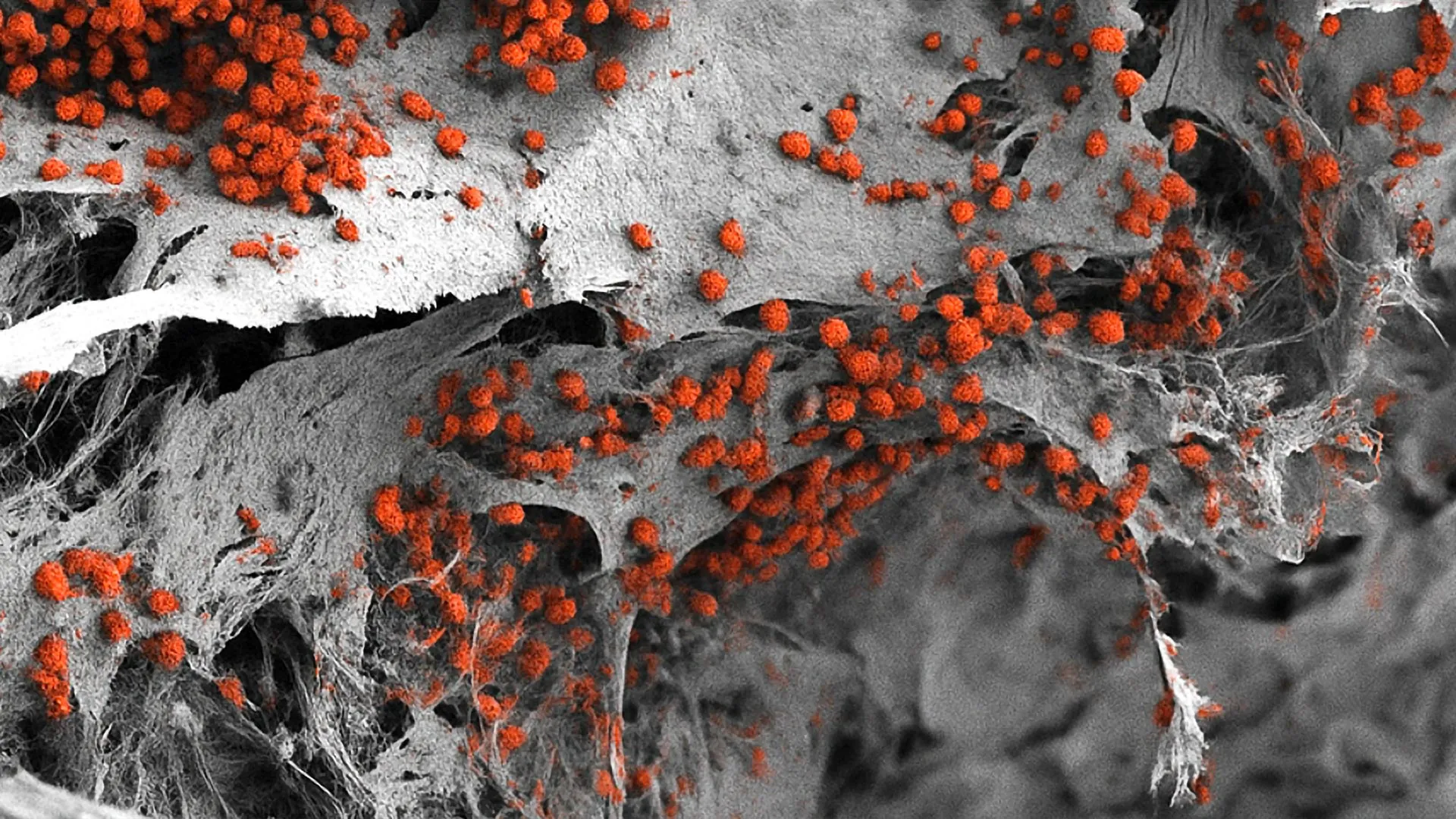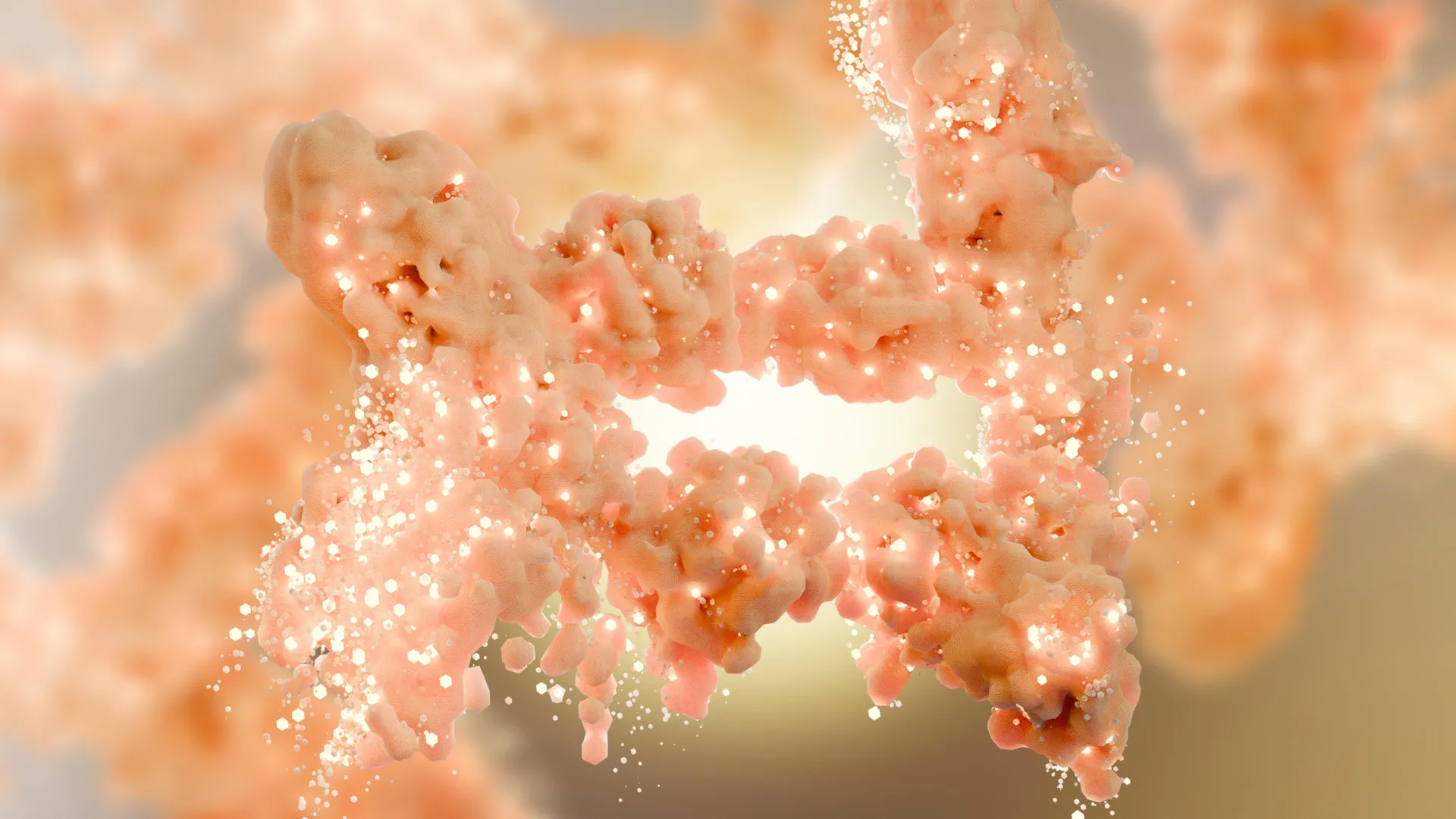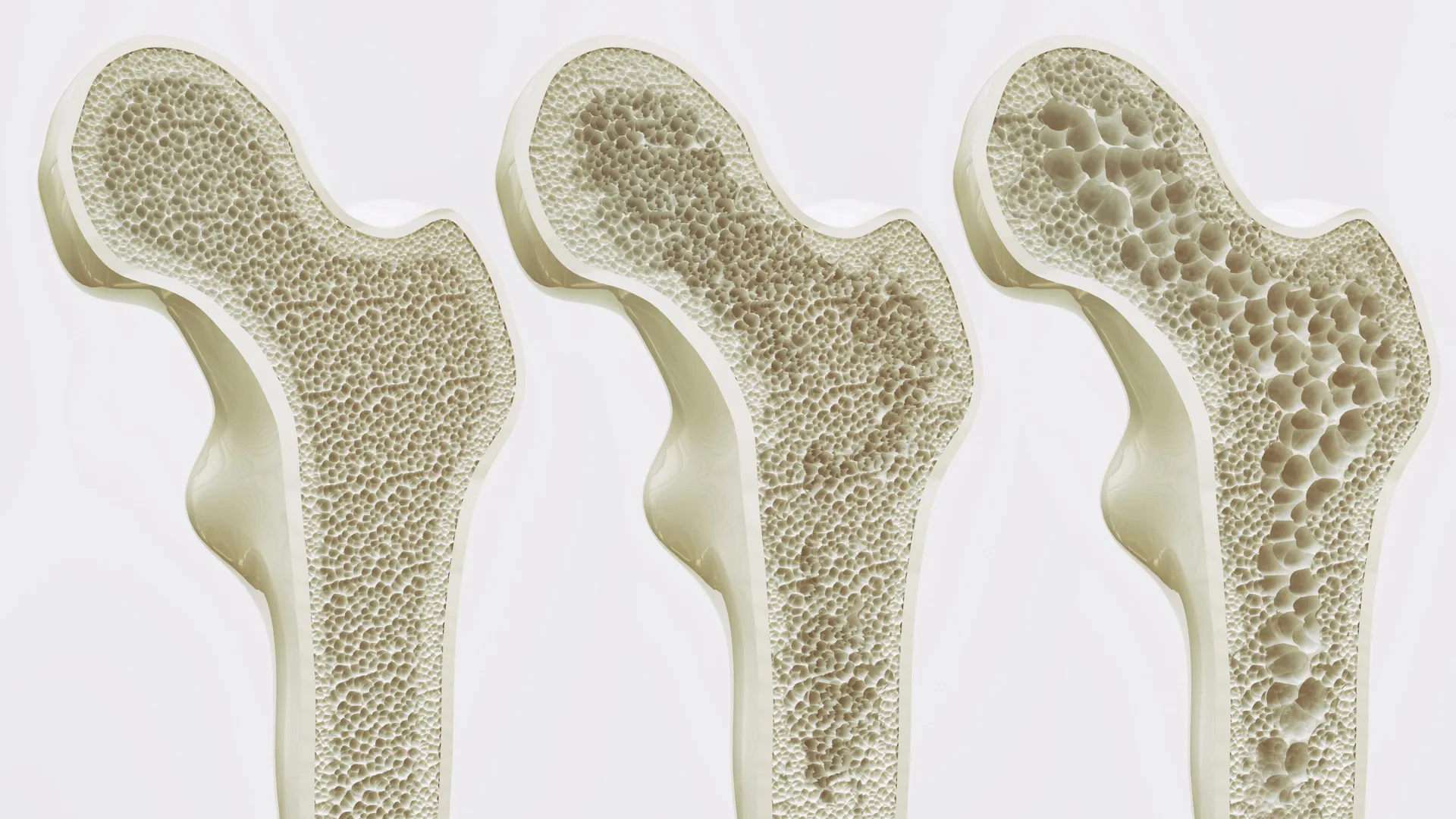
The pharmaceutical landscape of the 2020s has been defined by the meteoric rise of GLP-1 receptor agonists. Drugs such as Ozempic, Wegovy, and Mounjaro, originally developed to manage type 2 diabetes, have transitioned into a global phenomenon for weight management. According to recent health data, approximately one in eight adults in the United States has utilized or is currently using a GLP-1 medication. While these treatments are lauded for their efficacy in reducing blood sugar and curbing appetite, a significant clinical concern has emerged: the non-discriminatory nature of the weight loss they induce. Patients frequently experience rapid and substantial reductions in muscle mass, which can account for as much as 40% of their total weight loss. This phenomenon, often termed "muscle wasting," poses long-term risks to metabolic health, physical strength, and overall quality of life.
A breakthrough study published in the Proceedings of the National Academy of Sciences on January 22, 2025, by researchers at the Salk Institute, offers a potential solution to this dilemma. The research team, led by Professor Ronald Evans, has identified a specific protein called BCL6 that serves as a master regulator of muscle maintenance. By understanding the molecular pathway that BCL6 governs, scientists may soon be able to develop "muscle-sparing" therapies that allow patients to lose fat while preserving—or even restoring—critical muscle tissue.
The Biological Cost of Rapid Weight Loss
Muscle is more than just the engine of physical movement; it is the most abundant tissue in the human body and a primary driver of metabolic health. Skeletal muscle plays a vital role in glucose disposal, thermogenesis, and the maintenance of bone density. When patients lose muscle mass rapidly, as is common with calorie-restrictive diets or GLP-1 usage, they risk a decline in their basal metabolic rate. This often leads to a plateau in weight loss or a rapid "rebound" in fat gain once the medication is discontinued.
"Muscle maintenance is critical to our health and quality of life," explains Ronald Evans, professor and director of the Gene Expression Laboratory at Salk. "Our study reveals how our bodies coordinate the upkeep of all this muscle with our nutrition and energy levels. With this new insight, we can develop therapeutic interventions for patients losing muscle as a side effect of weight loss, age, or illness."
The Salk study highlights a paradox in human biology: the same hormones that signal hunger and trigger metabolism can, under certain conditions, lead to the degradation of muscle tissue. The discovery of BCL6 provides the missing link in understanding how the body decides whether to build or break down muscle during periods of fasting or hormonal shifts induced by GLP-1 drugs.
The BCL6 Mechanism: A Molecular Brake on Muscle Wasting
To uncover the secrets of muscle preservation, the Salk team investigated the complex signaling pathway that begins with growth hormone (GH). Under normal physiological conditions, when the stomach is empty, it secretes a hormone called ghrelin. This "hunger hormone" signals the brain to release growth hormone, which then travels through the bloodstream to various tissues. In muscle cells, growth hormone stimulates the production of insulin-like growth factor 1 (IGF1), a potent driver of muscle growth and repair.
However, the path from growth hormone to IGF1 is not direct. It is moderated by a family of proteins that act as checkpoints. One of these proteins, SOCS2 (Suppressor of Cytokine Signaling 2), acts as a biological brake. If SOCS2 levels are too high, they inhibit the production of IGF1, leading to muscle atrophy. Conversely, if SOCS2 is absent, IGF1 production can become unregulated, potentially leading to gigantism or abnormal tissue growth.
The Salk researchers discovered that BCL6 is the protein responsible for regulating SOCS2. In essence, BCL6 acts as a "brake on the brake." By keeping SOCS2 levels in check, BCL6 ensures that the growth hormone signal can successfully trigger the production of IGF1, thereby maintaining muscle mass.
Experimental Findings and Mouse Models
The research team utilized a combination of human tissue database analysis and controlled animal experiments to validate their findings. Initially, the scientists scoured national databases of human tissue samples, where they noticed a high concentration of BCL6 in skeletal muscle cells. This observation suggested that the protein, previously known primarily for its role in the immune system and certain cancers, had an unappreciated function in metabolic health.
To test this hypothesis, the team engineered mice that lacked the functional BCL6 protein. The results were stark:
- Mass Reduction: Mice without BCL6 exhibited a 40% reduction in total muscle mass compared to healthy control groups.
- Structural Deficits: The remaining muscle tissue in BCL6-deficient mice showed compromised structural integrity.
- Functional Decline: These mice were significantly weaker, demonstrating a clear link between the protein and physical strength.
In a follow-up experiment, the researchers increased the expression of BCL6 in the muscles of the deficient mice. This intervention successfully reversed the losses, restoring both muscle mass and strength. Furthermore, when comparing normal mice to those that had fasted overnight, the researchers found that fasting significantly reduced BCL6 levels in the muscle. This explains why prolonged fasting or severe caloric restriction—conditions mimicked by GLP-1 medications—often results in muscle loss.
"We are excited to reveal BCL6’s important role in maintaining muscle mass," says Hunter Wang, a postdoctoral researcher in Evans’ lab and the study’s first author. "These were very surprising and special findings that open the door for a lot of new discoveries and potential therapeutic innovations."
Implications for GLP-1 Users and the Pharmaceutical Industry
The popularity of GLP-1 drugs has created a secondary market for "adjunct therapies" aimed at mitigating side effects. Pharmaceutical companies are currently racing to develop myostatin inhibitors and other muscle-preserving compounds. The discovery of the BCL6 pathway provides a new, highly specific target for these efforts.
A BCL6-boosting medication, potentially delivered via injection alongside a GLP-1 regimen, could theoretically prevent the 40% muscle loss observed in current patients. This would ensure that weight loss is primarily derived from adipose tissue (fat), leading to a healthier body composition and a more sustainable metabolic profile.
Beyond the aesthetic and functional benefits, preserving muscle is a matter of clinical safety. For older adults using GLP-1s to manage diabetes or obesity, the loss of muscle mass can exacerbate sarcopenia, increasing the risk of falls, fractures, and loss of independence.
Broader Clinical Applications: Aging, Sepsis, and Cancer
The Salk Institute’s findings extend far beyond the realm of elective weight loss. Muscle wasting, or cachexia, is a devastating complication in several systemic diseases.
- Sarcopenia: As humans age, they naturally lose muscle mass and strength. This study suggests that declining BCL6 levels may contribute to age-related frailty.
- Cancer Cachexia: Many cancer patients experience extreme weight loss and muscle wasting that cannot be reversed by nutrition alone. BCL6-based therapies could offer a way to maintain strength during intensive treatments like chemotherapy.
- Sepsis and Critical Illness: Patients in intensive care units often suffer from rapid muscle breakdown due to systemic inflammation. Regulating the BCL6-SOCS2-IGF1 pathway could aid in the recovery of these critically ill populations.
Chronology of Discovery and Future Research
The identification of BCL6 as a muscle regulator is the result of years of investigation into gene expression at the Salk Institute. The timeline of this discovery reflects a shift in metabolic research toward understanding the "cross-talk" between different organ systems.
- Pre-2023: Initial observations of BCL6 expression in non-immune tissues.
- 2023-2024: Development of BCL6-knockout mouse models and comparative fasting studies.
- Late 2024: Validation of the SOCS2-IGF1 pathway as the primary mechanism of action.
- January 2025: Formal publication of results in PNAS.
Moving forward, the Salk researchers plan to investigate the temporal aspects of BCL6. Hunter Wang noted that BCL6 levels appear to fluctuate according to a circadian rhythm, rising and falling at specific times of the day. Understanding this biological clock could lead to "chronotherapeutic" approaches, where muscle-boosting treatments are administered at specific times to maximize efficacy.
The research also opens questions about the impact of intermittent fasting. While short-term fasting is a popular health trend, the Salk study indicates that fasting lowers BCL6. Future research will aim to determine the "tipping point" at which fasting transitions from a metabolic benefit to a catalyst for muscle loss.
Conclusion: A New Era for Metabolic Health
The Salk Institute’s discovery of the BCL6 protein marks a significant milestone in our understanding of human physiology. As the global use of GLP-1 medications continues to climb, the need for sophisticated, muscle-sparing strategies has never been more urgent. By targeting the molecular pathways that govern muscle upkeep, scientists are moving toward a future where weight loss does not come at the expense of physical strength.
The study was a collaborative effort involving researchers from the Salk Institute, Kyushu University, the University of Sydney, and the Daegu Gyeongbuk Institute of Science and Technology. It was supported by various prestigious organizations, including the National Institutes of Health (NIH), the American Heart Association, and the Waitt Foundation. As clinical trials for BCL6-related therapies appear on the horizon, the medical community remains optimistic that this "brake on the brake" will provide a much-needed acceleration in the treatment of obesity and muscle-wasting diseases.