Sartorius, a prominent international partner for life science research and the biopharmaceutical industry, has announced a significant breakthrough in biotherapeutic production with the introduction of a novel genetically engineered Chinese Hamster Ovary (CHO) host cell line. This innovative cell line promises up to a two-fold increase in protein expression and a remarkable three-fold surge in overall productivity, addressing critical industry demands for accelerated and more efficient cell line development (CLD). This advancement marks a pivotal moment for the biopharmaceutical sector, where the quest for faster, more cost-effective, and scalable manufacturing solutions is paramount.
The Innovation at a Glance: A New Era for Biologics Production
The core of Sartorius’s announcement lies in a sophisticated, genetically engineered CHO host cell line that leverages proteomic profiling and targeted genome editing. These advanced biotechnological tools have allowed the Sartorius team to fundamentally enhance the inherent capabilities of CHO cells, which are already the workhorses of the biopharmaceutical industry. The result is a cell line designed to optimize the production of a wide array of biotherapeutic proteins, promising higher yields without compromising product quality. The immediate impact is expected to be felt across the entire biomanufacturing pipeline, from early-stage development to large-scale commercial production.
The Unrivaled Importance of CHO Cells in Biologics Manufacturing
Chinese Hamster Ovary (CHO) cells have been the cornerstone of recombinant protein production for decades, primarily due to their unique biological advantages. Discovered in the 1960s, these mammalian cells gained prominence because of their ability to perform complex post-translational modifications, such as glycosylation, which are crucial for the stability, function, and immunogenicity of many therapeutic proteins, especially monoclonal antibodies (mAbs). Unlike microbial systems (like bacteria or yeast), CHO cells ensure that the produced biologics closely mimic human proteins, thereby reducing the risk of adverse immune reactions in patients.
The journey of CHO cells from laboratory curiosities to industrial powerhouses is well-documented. The first recombinant protein approved for human therapeutic use, human insulin (produced in E. coli), was followed by a rapid expansion in biopharmaceuticals, with CHO cells quickly becoming the preferred host for more complex proteins. Today, an estimated 70% of all recombinant protein therapeutics, including blockbuster drugs for cancer, autoimmune diseases, and infectious diseases, are produced using CHO cell lines. Their inherent safety profile, regulatory acceptance, and adaptability to large-scale bioreactor cultures have solidified their indispensable position in the biopharmaceutical landscape. This widespread adoption underscores the continuous pressure on researchers and developers to extract maximum efficiency and productivity from these vital cellular factories.
Addressing Industry’s Growing Demands: The CLD Bottleneck
The global biopharmaceutical market is experiencing unprecedented growth, fueled by an aging population, the rise of chronic diseases, and advancements in personalized medicine. Analysts project the biologics market to exceed several hundred billion dollars in the coming years, driven by new drug modalities, including bispecific antibodies, antibody-drug conjugates (ADCs), and cell and gene therapies. This burgeoning demand places immense pressure on the entire drug development and manufacturing pipeline, with cell line development (CLD) often identified as a significant bottleneck.
Traditional CLD processes are notoriously complex, time-consuming, and resource-intensive. The journey from a promising DNA construct to a stable, high-producing cell line can typically take anywhere from six to twelve months, involving multiple rounds of transfection, screening, selection, and characterization. This lengthy process contributes significantly to the overall cost and timeline of bringing a new biologic to market, which can often exceed a decade and billions of dollars. Furthermore, the variability in productivity and quality between different cell lines and even within clones of the same line presents substantial challenges. The industry’s urgent need for faster development cycles, higher yields, and reduced manufacturing costs has spurred intense research into optimizing every stage of bioprocessing, with cell line engineering emerging as a critical frontier. Sartorius’s new CHO cell line directly confronts these challenges by offering a substantial leap in efficiency and productivity, potentially streamlining the CLD phase and accelerating time-to-market for novel therapeutics.
Sartorius’s Methodological Prowess: Synergistic Application of Proteomics and Genome Editing
The creation of Sartorius’s novel CHO cell line is a testament to the synergistic application of cutting-edge biotechnologies: proteomic profiling and targeted genome editing. Proteomic profiling involves the large-scale study of proteins, particularly their structures and functions, within a biological system. By analyzing the entire protein complement (proteome) of CHO cells, Sartorius researchers were able to gain an unprecedented understanding of the cellular machinery involved in protein synthesis, folding, secretion, and metabolism. This deep insight allowed them to identify specific cellular pathways and bottlenecks that limit productivity or impact protein quality. For instance, identifying proteins involved in stress response, protein degradation, or inefficient secretion pathways provided clear targets for improvement.
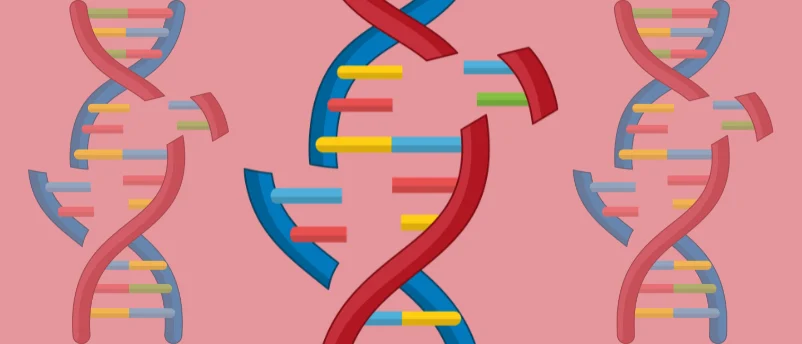
Once these critical targets were identified through proteomic analysis, targeted genome editing techniques were employed for precise genetic modifications. Technologies such as CRISPR-Cas9, which allow scientists to make highly specific changes to DNA sequences, enable the rational design of cell lines. Instead of relying on random mutagenesis and selection, Sartorius’s approach involved deliberately altering specific genes to enhance desired traits. This might include upregulating genes responsible for protein synthesis and secretion, downregulating genes involved in protein degradation, or modifying metabolic pathways to better support high-density cell cultures and sustained productivity. This rational design approach, moving beyond trial-and-error, allows for a more predictable and robust enhancement of cell line performance, minimizing unintended off-target effects and maximizing the therapeutic protein output. The combination of comprehensive cellular understanding and precise genetic manipulation is what sets this new CHO line apart.
Demonstrated Performance: Rigorous Data and Validation Across Modalities
The efficacy of Sartorius’s new CHO host cell line has been rigorously tested and validated across multiple cell line development campaigns, encompassing a range of different therapeutic proteins from DNA to lead clone. The results are compelling and consistent, demonstrating significant improvements over traditional wild-type CHO cells.
At the 5-liter bioreactor scale, a standard benchmark for process development, the engineered cell line showcased remarkable enhancements in conventional fed-batch processes. It delivered up to a two-fold increase in expression titers—the concentration of the desired protein produced per unit volume of culture—and an impressive up to three-fold increase in overall productivity when compared to lead clones derived from original wild-type CHO cells. Critically, these gains in quantity did not come at the expense of quality. Sartorius reported that product quality remained uncompromised, and the line’s performance was consistent across various target protein modalities, including well-established IgG1 and IgG4 antibodies, Fc-fusion proteins, and more complex bispecific antibodies. This broad applicability is crucial for biopharmaceutical companies developing diverse pipelines.
Beyond traditional fed-batch, the novel CHO line also demonstrated superior performance under intensified bioprocessing conditions, specifically in continuous perfusion. Perfusion cultures involve continuously feeding fresh media to the bioreactor while simultaneously removing spent media and cellular waste, allowing cells to remain in a highly productive state for extended periods at high densities. For a selected clone expressing a monoclonal antibody, Sartorius reported a two-fold increase in titer per day over an extended culture duration of up to 28 days. Furthermore, the cells maintained sustained high cell density and viability, consistently above 80%, throughout this prolonged culture period. This signifies not only higher daily yields but also the potential for significantly larger cumulative yields from a single bioreactor run, reducing the overall manufacturing footprint and associated costs.
Reliability and stability are paramount for pharmaceutical manufacturing. Sartorius addressed this by designing the cell line for robustness, demonstrating that over 90% of the analyzed clones exhibited continuous protein expression and maintained a low gene copy number over more than 70 generations. This long-term stability is vital for consistent, reproducible manufacturing and reduces the risk of productivity drop-off during scale-up or prolonged production cycles, ensuring product availability and regulatory compliance.
Expert Insight and Strategic Vision: A New Benchmark in CLD
Oscar Reif, Head of Corporate Research and Chief Technology Officer at Sartorius, underscored the significance of this development in his statement. "To the best of our knowledge, this is the first engineered CHO host cell line to deliver performance at this exceptional level in the CLD market," Reif remarked. This statement is not merely an internal boast but a direct challenge to the competitive landscape of cell line development. "Exceptional level" implies a performance benchmark that surpasses existing industry standards for engineered CHO lines, which have seen incremental improvements over the years. Such a claim, coming from a reputable player like Sartorius, suggests a substantial leap rather than a marginal gain, potentially reshaping expectations for CLD platforms.
Reif’s forward-looking perspective also highlights Sartorius’s commitment to continuous innovation. He added, "This achievement only marks the beginning – our data scientists and cell engineers are already advancing the next generation of cell lines to push these innovations even further." This indicates a strategic roadmap for sustained leadership in bioprocessing technology, with ongoing investment in R&D to develop even more advanced cellular platforms. It suggests that Sartorius views this as a foundational step, not an endpoint, in their mission to optimize biomanufacturing. This commitment to future generations of cell lines underscores the dynamic nature of bioprocessing innovation, where continuous improvement is essential to meet evolving therapeutic needs and manufacturing challenges.
Broader Implications for the Biopharmaceutical Landscape
The introduction of Sartorius’s high-productivity CHO cell line carries profound implications for the entire biopharmaceutical ecosystem:
- Accelerated Drug Development Timelines: By significantly enhancing expression titers and productivity, the new cell line can drastically shorten the cell line development phase. This reduction in time can shave months off the overall drug development timeline, allowing promising therapies to reach clinical trials and eventually patients much faster.
- Reduced Manufacturing Costs: Higher yields per batch or per unit of time directly translate to lower manufacturing costs per gram of protein. This can be achieved through reduced bioreactor capacity requirements, lower consumption of expensive cell culture media, and potentially fewer purification steps. Cost reductions are critical for improving the economic viability of new drugs and for making existing biologics more affordable.
- Increased Access to Biologics: Lower production costs can ultimately lead to more accessible and potentially lower-priced biopharmaceuticals. This has significant implications for global health equity, allowing more patients in both developed and developing nations to access life-saving treatments for conditions like cancer, autoimmune disorders, and rare diseases.
- Enhanced Manufacturing Flexibility and Scalability: The ability to achieve high titers in both fed-batch and perfusion modes, coupled with long-term stability, provides manufacturers with greater flexibility. It allows for easier scale-up from research to commercial production and provides robust platforms for rapidly increasing production in response to pandemics or surges in demand.
- Facilitating Novel Biologics Production: Many cutting-edge biotherapeutics, such as bispecific antibodies or complex fusion proteins, are inherently difficult to produce at high yields using traditional methods. The enhanced capabilities of Sartorius’s engineered CHO line could make the manufacturing of these complex molecules more feasible and economically viable, thereby accelerating the development of next-generation therapies.
- Sustainability in Bioprocessing: More efficient cell lines contribute to a more sustainable biomanufacturing process. Higher yields mean less raw material consumption (media, buffers), reduced energy expenditure per unit of product, and less waste generation. This aligns with global efforts to make industrial processes greener and more environmentally responsible.
- Competitive Advantage for Sartorius and its Partners: For Sartorius, this innovation strengthens its position as a leader in bioprocessing solutions, attracting pharmaceutical and biotechnology companies seeking to optimize their manufacturing pipelines. For companies adopting this cell line, it offers a distinct competitive advantage in terms of development speed and cost efficiency.
Sartorius’s Position and Future Outlook
Sartorius has long been a critical enabler in the biopharmaceutical industry, providing essential tools, technologies, and services ranging from laboratory instruments to integrated bioprocess solutions. This latest announcement solidifies its reputation as an innovator committed to pushing the boundaries of biomanufacturing. In a competitive landscape where companies are constantly seeking an edge in productivity and efficiency, Sartorius’s rational design CHO host cell line sets a new benchmark.
The continuous evolution of biomanufacturing technology is imperative to keep pace with the increasing complexity of new therapeutic modalities and the global demand for affordable medicines. This innovation from Sartorius aligns perfectly with broader industry trends towards intensified processing, digitalization, and the application of advanced analytics and artificial intelligence in bioprocess optimization. As the industry moves towards Industry 4.0 principles, such engineered cell lines will form the bedrock of highly efficient, automated, and data-driven manufacturing facilities.
Ultimately, the development of this novel CHO cell line by Sartorius represents more than just a technological achievement; it is a step forward in making life-saving and life-improving biotherapeutics more accessible, affordable, and faster to develop. It underscores the critical role of innovative cell engineering in advancing global health and the ongoing commitment of leading companies like Sartorius to driving progress in the biopharmaceutical sector. The future of biomanufacturing will undoubtedly be shaped by such intelligent design and engineering, paving the way for a new generation of medicines.