Beneath the seemingly ordinary farmland of New South Wales’ central tablelands lies a geological marvel that is reshaping our understanding of fossil preservation: McGraths Flat. This extraordinary fossil locality, dating back between 11 million and 16 million years to the Miocene epoch, a pivotal period in Earth’s history that saw the emergence of many modern plant and animal lineages, is yielding fossils of unparalleled detail, preserved not in the usual sedimentary rocks, but within iron-rich deposits. Researchers from the Australian Museum Research Institute have unearthed a remarkable collection that paints a vivid picture of a lost rainforest ecosystem, challenging long-held scientific assumptions about where and how exceptionally preserved fossils can form.
A Lost World of Verdant Life
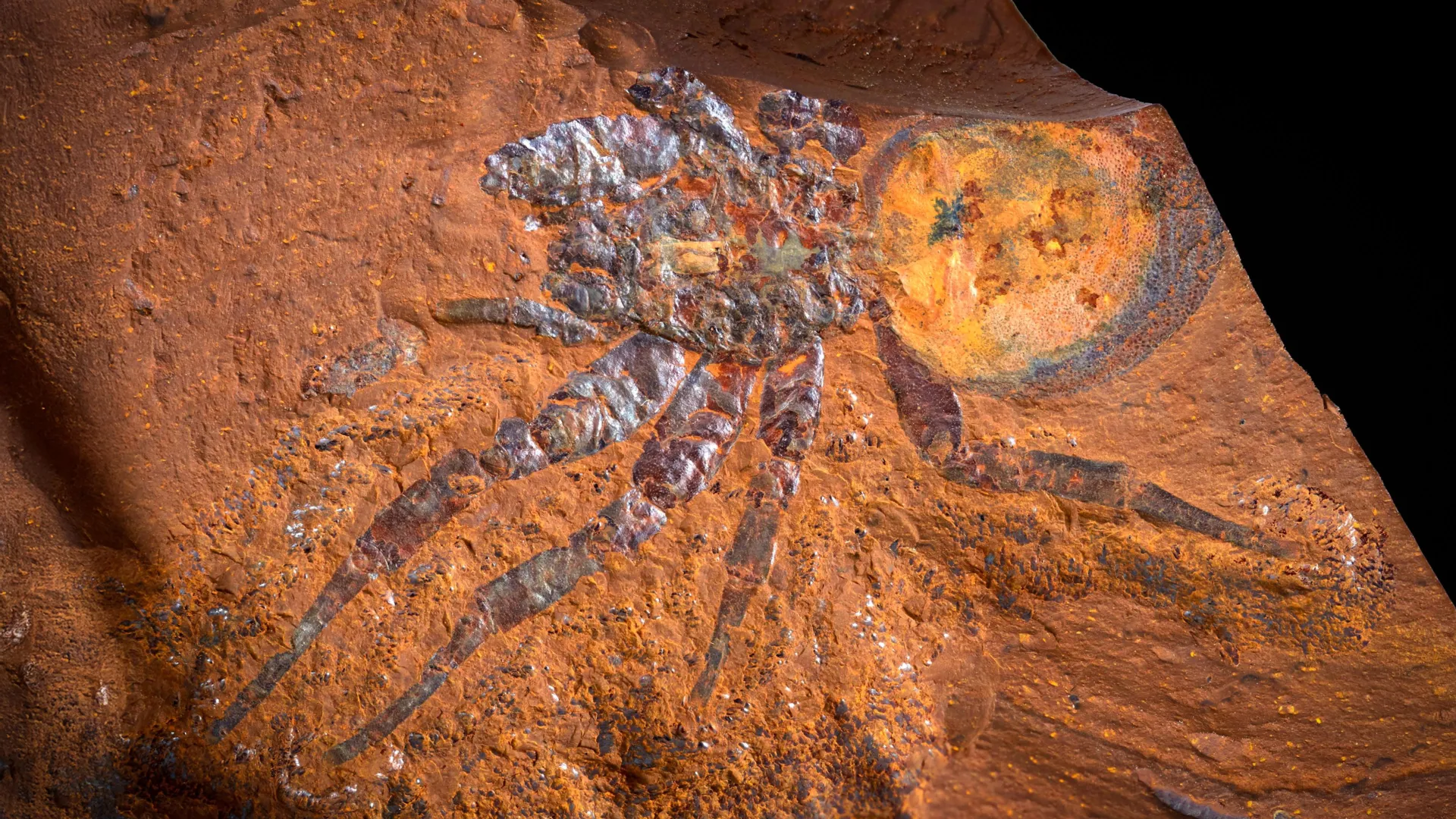
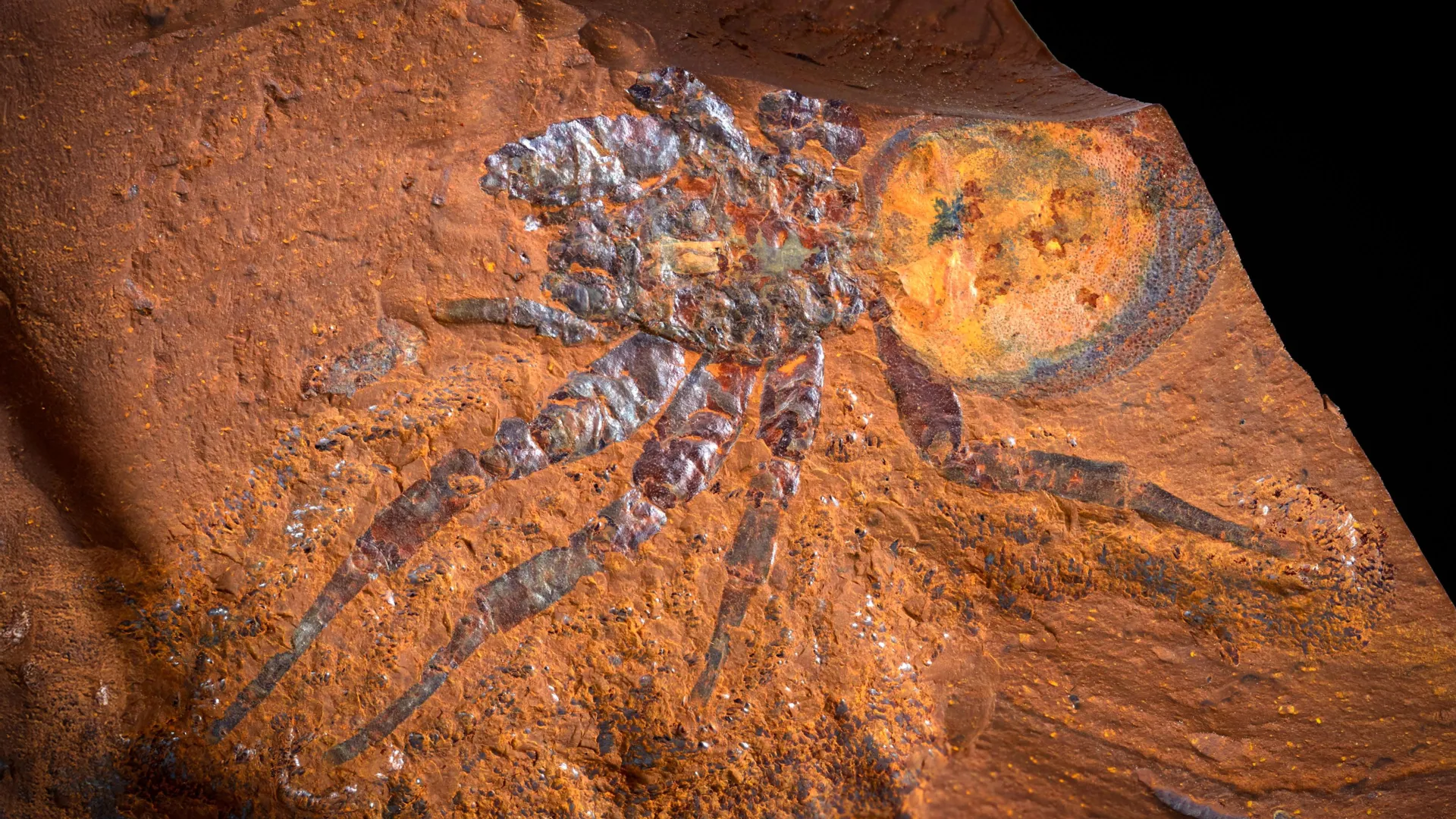
The landscape of McGraths Flat today is characterized by its dry, dusty terrain. However, the geological record tells a different story. During the Miocene, this region was a lush, thriving rainforest, teeming with diverse life. The unique geological conditions at McGraths Flat have allowed for the preservation of this ancient ecosystem with astonishing clarity, offering scientists an unprecedented window into life millions of years ago. The rocks themselves are a striking deep red, a visual testament to their composition: entirely made of goethite, a fine-grained, iron-rich mineral. This iron has acted as a natural preservative, safeguarding not only the hard parts of organisms but also delicate soft tissues, including plants, insects, spiders, fish, and even feathers.
Rethinking the Pillars of Fossil Preservation
Traditionally, the scientific community has associated exceptional fossil preservation with specific types of sedimentary rocks. Sites like Germany’s Messel Pit, approximately 47 million years old, renowned for preserving feathers, fur, and skin, and Canada’s Burgess Shale, dating back around 500 million years and famous for its soft-bodied Cambrian fauna, are prime examples. These classic sites are typically found in shale, sandstone, limestone, or volcanic ash. The common thread in these environments is the rapid burial of organisms in fine-grained sediments, a process that shields them from decomposition and scavengers, thus preserving even the most ephemeral biological structures.
However, iron-rich rocks have, until recently, been largely overlooked as significant sites for exceptionally preserved terrestrial fossils. This perception stems partly from the association of iron-rich sedimentary rocks with ancient geological formations like banded iron formations, which are billions of years old and predate the evolution of complex life. More commonly, iron is understood in contemporary landscapes as a product of weathering, forming the familiar "rust" observed in Australia’s arid outback. While these landscapes preserve geological features over vast timescales, they have not typically been considered cradles for preserving the fine details of ancient biological soft tissues. The discoveries at McGraths Flat directly contradict this long-standing scientific paradigm.
Iron’s Unexpected Role in Cellular Preservation
The rock matrix at McGraths Flat is a type of ferricrete, a naturally cemented rock formed from iron-rich minerals. This ferricrete is composed of microscopic iron-oxyhydroxide particles, each measuring a mere 0.005 millimeters in diameter. The mechanism of fossilization here is remarkably precise: when organisms perished and were buried, these incredibly fine iron particles permeated and filled their cells. This microscopic infiltration has resulted in the preservation of soft tissues with an extraordinary level of detail, rivaling that of the world’s most renowned fossil sites.
The rarity of fossil sites that capture terrestrial ecosystems is compounded by the extreme scarcity of those that preserve soft tissues from land-based organisms. McGraths Flat stands apart because it reveals features rarely, if ever, seen in the fossil record. Scientists have identified intact pigment cells within the eyes of fossilized fish, revealing the original coloration of these ancient creatures. Internal organs of insects and fish have also been meticulously preserved, offering insights into their physiology. Furthermore, the delicate structures of spiders, such as their fine hairs and even nerve cells, have been captured with remarkable fidelity. This level of detail is comparable to that found in fossils from shale and sandstone, but achieved through an entirely different geological process.
Unraveling the Formation of a Unique Fossil Lagerstätte
A recent groundbreaking study, published in the journal Gondwana Research, not only highlights the significance of the McGraths Flat fossils but also provides a detailed explanation for how this unique fossil site formed. This understanding is crucial, offering valuable clues for the potential discovery of similar fossil localities worldwide.
During the Miocene epoch, the region was characterized by warm, humid rainforest conditions. The weathering of basaltic bedrock released significant amounts of iron. This iron was then transported underground by acidic groundwater. The dissolved iron eventually migrated into an ancient river system, specifically an oxbow lake – a crescent-shaped lake formed when a meander of a river is cut off from the main stream. Within this low-energy, stagnant water environment of the oxbow lake, the dissolved iron precipitated to form extremely fine iron-oxyhydroxide sediments.
These minute iron particles rapidly coated any organic matter that settled on the lake floor, effectively encapsulating and preserving the soft tissues at a microscopic level before decomposition could occur. This process, driven by the unique hydrological and geological conditions of the ancient Miocene landscape, has resulted in the exceptional preservation seen today.
A New Compass for Discovering Exceptional Fossil Sites
The insights gained from studying the formation of McGraths Flat offer a powerful new strategy for identifying other iron-rich fossil sites across the globe. The researchers propose a set of criteria for future exploration: the presence of very fine-grained, layered ferricrete deposits in areas that historically experienced significant iron release from weathering rocks, coupled with conditions conducive to the formation of stagnant water bodies. Such environments, particularly in regions with past rainforest ecosystems, are now considered prime candidates for yielding similar exceptionally preserved terrestrial fossils.
The implications of the McGraths Flat discoveries are far-reaching. They significantly expand our understanding of the diverse geological pathways that can lead to exceptional fossil preservation. This suggests that future breakthroughs in the study of ancient terrestrial life may not be confined to traditional fossil-bearing rock types. Instead, the key to unlocking more secrets of Earth’s past may lie hidden within iron-rich deposits, waiting to be discovered beneath the surface in unexpected locations.
A Deeper Look at the Miocene Epoch
The Miocene epoch, spanning from approximately 23 to 5.3 million years ago, was a period of significant global change. Continents were moving towards their present positions, and while many modern mammal and bird families had already evolved, the diversification of many groups was in full swing. In Australia, the Miocene was characterized by generally warmer and wetter climates than today, supporting widespread rainforests across much of the continent. The emergence of these complex ecosystems provided the ecological backdrop for the life that is now being unearthed at McGraths Flat. The study of these fossils provides crucial data points for reconstructing the biodiversity, paleoecology, and paleoclimate of this critical period in Australian prehistory.
The Significance of Microscopic Detail
The level of detail preserved at McGraths Flat is truly remarkable. Beyond pigment cells and internal organs, scientists have identified cellular structures that were previously thought to be impossible to preserve in such ancient terrestrial fossils. For instance, the preservation of nerve cells in spiders allows for detailed comparative anatomy studies, potentially shedding light on the evolutionary relationships and sensory capabilities of extinct arthropods. The presence of delicate structures like spider hairs offers insights into their exoskeletal morphology and potential adaptations for sensing or locomotion. This microscopic fidelity is what elevates McGraths Flat from a significant fossil site to one of global scientific importance.
Acknowledging Indigenous Heritage
It is important to acknowledge that the scientific endeavors at McGraths Flat are conducted on lands that hold deep cultural significance for Indigenous Australians. The study’s authors have explicitly acknowledged the traditional custodians of the land and waterways on which McGraths Flat is located, the Wiradjuri Nation people. This recognition underscores the importance of respecting and incorporating Indigenous knowledge and connection to Country in all scientific research conducted on these ancestral lands.
In conclusion, McGraths Flat represents a paradigm shift in paleontology. It demonstrates that exceptional fossil preservation is not solely the domain of specific rock types but can occur through a confluence of geological and environmental factors, including the unique properties of iron-rich deposits. As researchers continue to explore this extraordinary site and apply the lessons learned to future discoveries, our understanding of Earth’s ancient life, particularly terrestrial ecosystems, is poised for significant advancement. The red earth of New South Wales, once thought to hold only the mineral wealth of the present, has revealed itself to be a treasure trove of the deep past, offering an unparalleled glimpse into a lost Miocene world.