

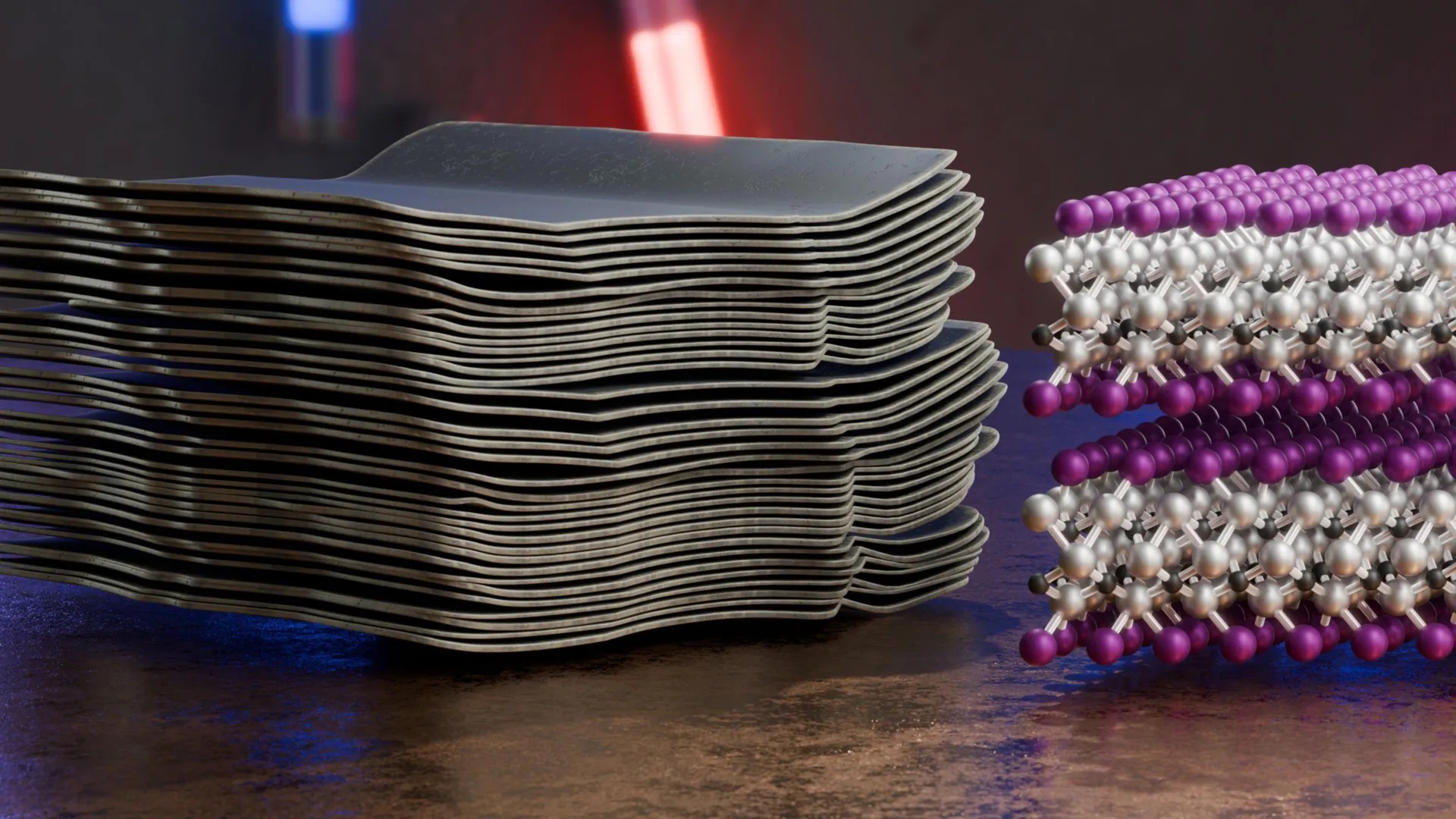
A collaborative research effort led by the Helmholtz-Zentrum Dresden-Rossendorf (HZDR) and the Technical University of Dresden (TU Dresden) has pioneered a transformative synthesis technique that resolves a decade-long challenge in the field of two-dimensional (2D) materials. By moving away from traditional, corrosive chemical etching processes and adopting a refined gas-liquid-solid (GLS) method, the team has successfully produced MXenes with highly ordered surface structures. This breakthrough has resulted in a staggering 160-fold increase in macroscopic conductivity and a significant leap in electron mobility, positioning MXenes as a primary candidate for the next generation of high-speed electronics, electromagnetic shielding, and advanced energy storage solutions.
Since their discovery in 2011 at Drexel University, MXenes have emerged as one of the most promising families of inorganic materials. Comprising thin layers of transition metal carbides, nitrides, or carbonitrides, these materials possess a unique combination of metallic conductivity and hydrophilic properties. However, for over ten years, the practical application of MXenes has been hampered by the "atomic disorder" inherent in their production. The new research, published recently and spearheaded by Dr. Mahdi Ghorbani-Asl and Dr. Dongqi Li, provides a roadmap for eliminating these defects, effectively turning a "pothole-filled highway" for electrons into a high-speed transit system.
The Evolution of MXenes: From Discovery to the Etching Crisis
The history of MXenes began with the extraction of layers from "MAX phases"—layered ternary carbides with the general formula Mn+1AXn. In this formula, "M" represents a transition metal, "A" is an element from the A-group (often aluminum or silicon), and "X" is carbon or nitrogen. To create an MXene, the "A" layer must be removed, leaving behind the "MX" layers.
Traditionally, this removal was achieved through chemical etching using hydrofluoric acid (HF) or similar harsh reagents. While effective at stripping away the aluminum layers, this process was chemically "violent" and imprecise. It left the resulting MXene surfaces covered in a random, chaotic mixture of functional groups, including oxygen (-O), hydroxyl (-OH), and fluorine (-F) atoms.
According to Dr. Mahdi Ghorbani-Asl from the Institute of Ion Beam Physics and Materials Research at HZDR, these surface atoms are far from being inert decorations. They are the primary determinants of the material’s physical and chemical personality. Because the traditional etching process could not control the placement or type of these atoms, the resulting materials suffered from high electrical resistance and unpredictable stability. The lack of uniformity meant that electrons moving through the material would frequently collide with these randomly placed surface atoms, leading to scattering and energy loss.
The GLS Method: A Paradigm Shift in Synthesis
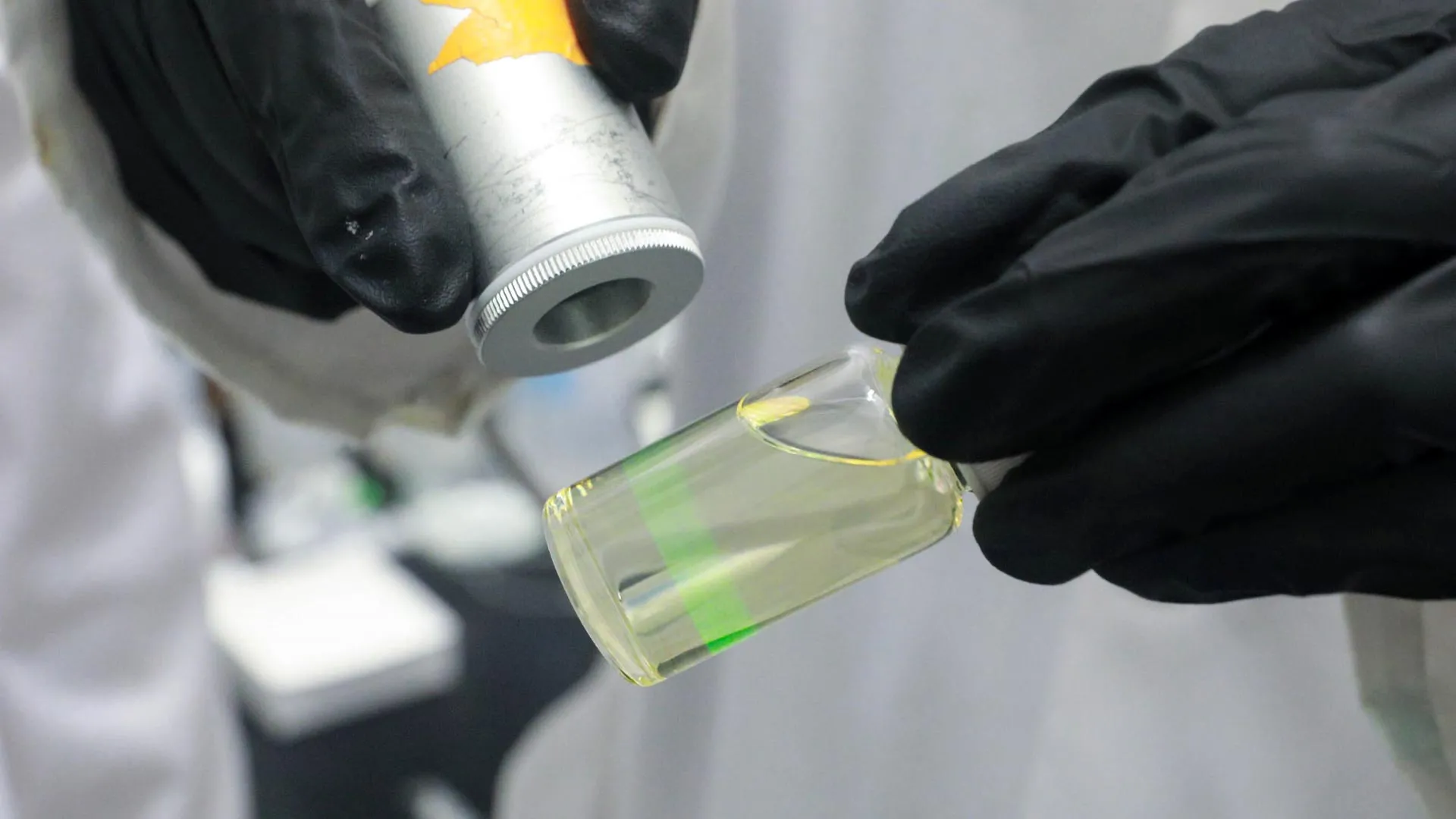
The research team’s primary innovation lies in the development of the Gas-Liquid-Solid (GLS) synthesis method. This approach bypasses the need for aqueous acid baths entirely. Instead, the process utilizes molten salts in combination with iodine vapor to interact with the MAX phase precursors.
In this controlled high-temperature environment, the iodine vapor facilitates the removal of the "A" layer from the MAX phase, while the molten salts act as a medium that allows for the precise deposition of halogen atoms—such as chlorine (Cl), bromine (Br), or iodine (I)—onto the newly exposed surfaces of the transition metal layers. This method allows the researchers to dictate exactly which atoms terminate the surface.
The result is a material characterized by exceptional structural purity. By using this method, the team demonstrated the ability to produce MXenes from eight distinct MAX phases, proving that the GLS technique is not a niche solution but a versatile platform for the entire MXene family. The uniformity achieved through this process ensures that the surface atoms are arranged in a periodic, crystalline lattice, minimizing the "atomic disorder" that plagued earlier versions of the material.
Quantifying the Leap: 160-Fold Conductivity Gains
To test the efficacy of the GLS method, the researchers focused on titanium carbide (Ti3C2), the most widely utilized MXene. They compared a version of Ti3C2 produced via traditional etching—which featured a messy surface of oxygen and fluorine—with a version produced via the GLS method, specifically Ti3C2Cl2 (chlorine-terminated).
The experimental data revealed a dramatic shift in performance. The chlorine-terminated MXene exhibited a 160-fold increase in macroscopic conductivity compared to its traditionally produced counterpart. This means that electrical current can pass through the material with significantly less resistance, a trait that is vital for reducing heat generation and power consumption in electronic devices.
Furthermore, the team measured "terahertz conductivity," which reflects how the material responds to high-frequency electromagnetic fields. In this regime, the GLS-produced MXenes showed a 13-fold enhancement. Perhaps most importantly for semiconductor physics, the charge carrier mobility—the speed at which electrons can move through the lattice when pulled by an electric field—saw a nearly fourfold increase.
Dr. Dongqi Li of TU Dresden noted that these improvements are a direct consequence of the "smoother" surface. In traditional MXenes, the random distribution of atoms acted like potholes on a road, forcing electrons to slow down or change direction. The GLS method effectively repaves the road, allowing for a streamlined flow of charge.
Theoretical Validation via Density Functional Theory
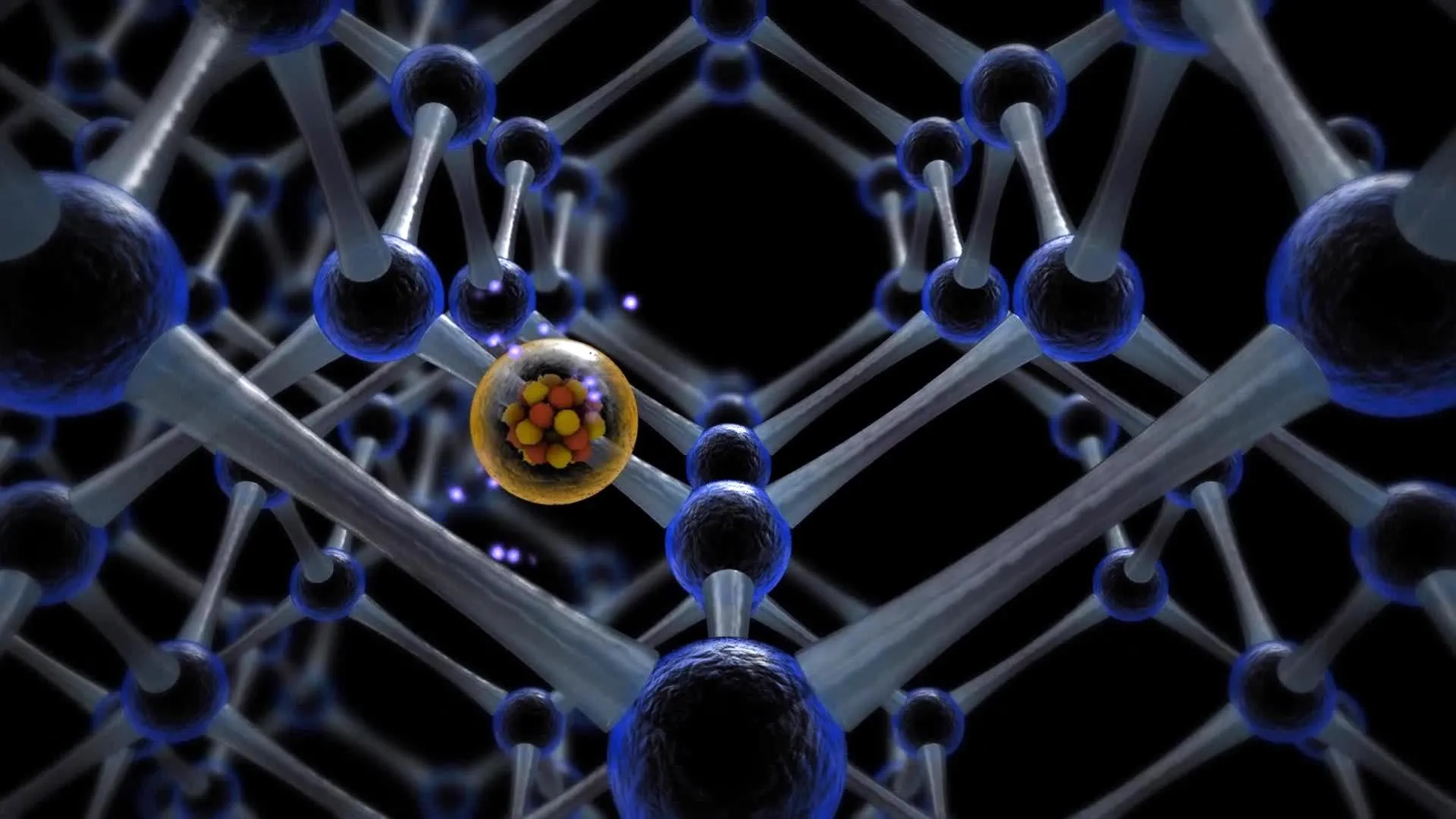
The study was not merely experimental; it was underpinned by rigorous computational modeling. The researchers employed Density Functional Theory (DFT) calculations to simulate the behavior of the atoms at a quantum level. These simulations allowed the team to predict how different surface terminations—such as replacing chlorine with bromine—would affect the stability and electronic band structure of the material.
The DFT models confirmed that the highly ordered halogen terminations reduce the "trapping" of electrons. In disordered materials, electrons often get stuck in localized energy wells created by impurities. By creating a uniform surface, the GLS method eliminates these traps. This synergy between theoretical prediction and experimental execution allowed the researchers to "tailor" the functional properties of the MXenes before they were even synthesized in the lab.
Customization for Future Technologies: 6G and Beyond
One of the most significant implications of the study is the ability to tune MXenes for specific interactions with electromagnetic waves. By varying the type of halogen on the surface (chlorine vs. bromine vs. iodine), the researchers found they could change the frequency at which the material absorbs radiation.
For instance, the chlorine-terminated Ti3C2 showed intense absorption in the 14-18 GHz range, which corresponds to the Ku band used in satellite communications and modern radar systems. By substituting chlorine with larger atoms like bromine or iodine, the researchers can shift this absorption window. This level of precision opens the door to:
- Next-Generation Telecommunications: Developing components for 6G technology that require materials capable of handling ultra-high frequencies with minimal signal loss.
- Electromagnetic Shielding: Creating ultra-thin, lightweight coatings for smartphones and aerospace components to prevent electronic interference.
- Stealth Technology: Engineering radar-absorbing materials that are significantly thinner and more effective than current carbon-based composites.
The team also demonstrated the ability to create "mixed" terminations, where two or three different halogens are applied in specific ratios. This "chemical tuning" allows for a level of material customization previously thought impossible in 2D inorganic chemistry.
Implications for Energy Storage and Catalysis
While the study’s immediate highlights focus on electronics and conductivity, the implications for energy storage are equally profound. MXenes are already being investigated as electrodes for high-rate batteries and supercapacitors. The increased charge carrier mobility and ordered surface structure could lead to batteries that charge in seconds rather than hours.
In the field of catalysis, particularly for hydrogen production, the surface chemistry is the "engine" of the reaction. A disordered surface often leads to side reactions or rapid degradation of the catalyst. The GLS method provides a clean, stable surface that could drastically improve the efficiency and lifespan of catalysts used in green energy applications.
A New Era for 2D Materials
The work performed by the HZDR and TU Dresden researchers marks a significant milestone in the timeline of nanomaterials. Since the discovery of graphene in 2004, the scientific community has been searching for 2D materials that offer more than just thinness. MXenes, with their metallic nature and chemical versatility, have always held that potential, but they were held back by the limitations of their birth process.
By introducing a synthesis method that prioritizes order and chemical precision over the brute-force approach of acid etching, this research has moved MXenes from the realm of laboratory curiosity into the territory of viable industrial application. The ability to produce clean, high-performance MXenes from various MAX phases suggests that we are only at the beginning of discovering what this family of materials can do.
As Dr. Ghorbani-Asl concluded, the combination of theoretical modeling and precise experimental control has opened a "new path." This path leads toward a future where materials are not just found or crudely extracted, but are meticulously engineered at the atomic level to meet the specific demands of the world’s most advanced technologies. The 160-fold increase in conductivity is not just a number—it is a signal that the age of high-performance, surface-engineered MXenes has arrived.
















Leave a Reply