

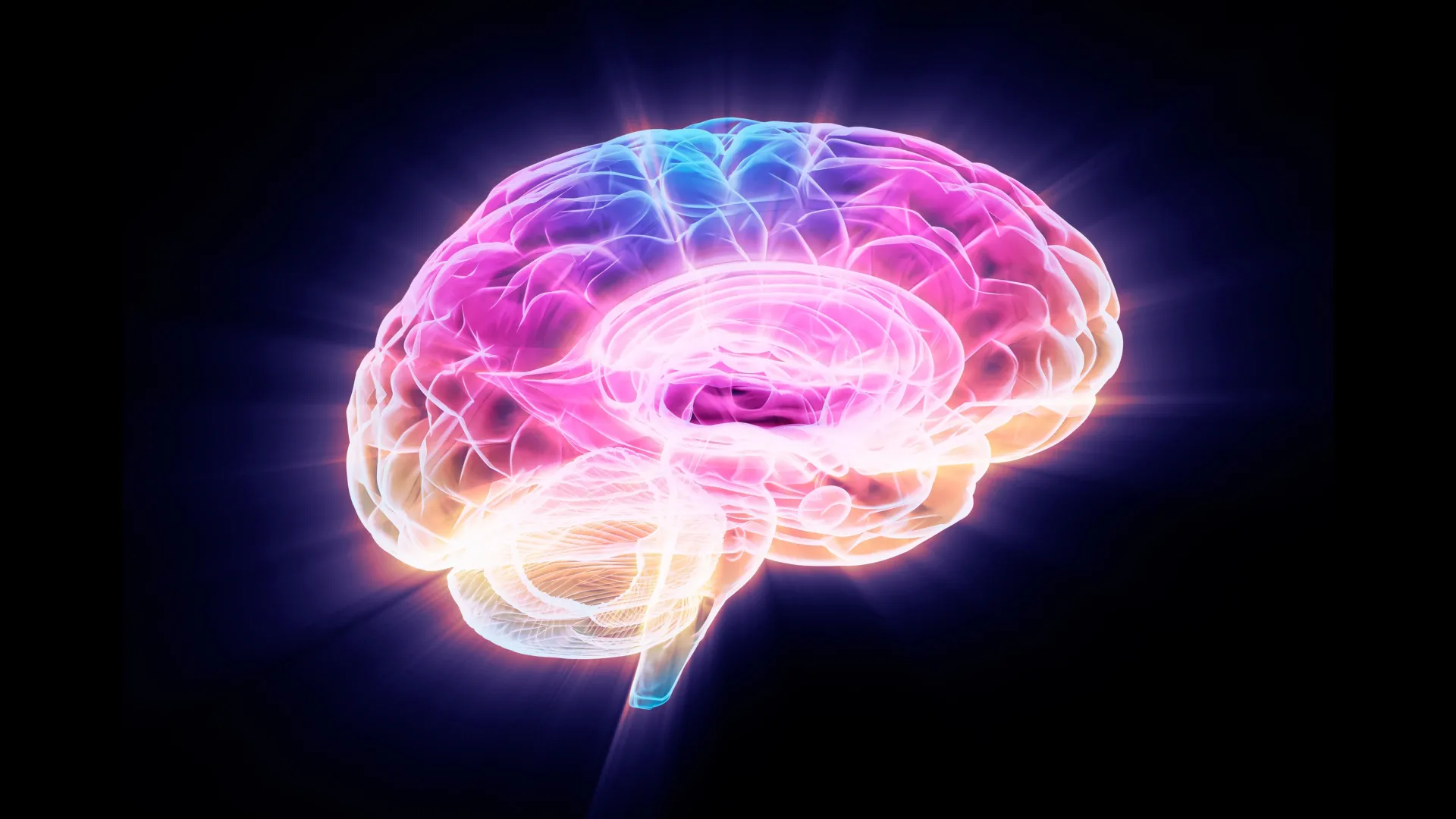
Scientists at the University of California, San Francisco (UCSF) have identified a specific protein, FTL1, as a central catalyst for the age-related deterioration of the hippocampus, a brain region fundamental to the formation of new memories and spatial navigation. The study, published in the journal Nature Aging, demonstrates not only that high levels of this protein are correlated with cognitive decline but also that reducing its presence can effectively reverse memory impairments in older subjects. This discovery marks a significant advancement in the field of geroscience, shifting the focus from merely slowing the progression of aging to potentially restoring lost neurological function.
The Biological Vulnerability of the Hippocampus
The hippocampus has long been recognized by neuroscientists as one of the most sensitive regions of the mammalian brain. It is responsible for converting short-term memories into long-term ones and is one of the few areas where neurogenesis—the birth of new neurons—continues into adulthood, albeit at a declining rate. As the human population ages, the gradual atrophy of the hippocampus is frequently cited as a primary factor in "normal" age-related forgetfulness, as well as a precursor to more severe pathological conditions such as Alzheimer’s disease.
Despite decades of research into hippocampal decay, the exact molecular triggers that dictate why certain cells lose their connectivity while others remain resilient have remained elusive. Previous studies have looked into inflammation, oxidative stress, and the accumulation of amyloid plaques. However, the UCSF team, led by Saul Villeda, PhD, sought to identify the specific genetic and proteomic shifts that occur within the hippocampal environment as a direct result of the passage of time.
Methodology and the Emergence of FTL1
To pinpoint the drivers of aging, the research team conducted a comprehensive longitudinal analysis of the hippocampus in mouse models. By comparing the molecular profiles of young mice with those of aged mice, the investigators tracked thousands of changes in gene expression and protein concentration. Through a process of elimination and statistical modeling, the researchers looked for "outlier" proteins—those that showed the most significant and consistent variance across the lifespan.
Among the vast array of biological markers examined, Ferritin Light Chain 1 (FTL1) emerged as the most prominent candidate. FTL1 is a component of ferritin, the primary intracellular iron-storage protein in mammals. While iron is essential for cellular function, its dysregulation is known to cause oxidative damage. The UCSF study found that FTL1 levels were consistently and significantly elevated in the hippocampi of older mice.
The correlation was stark: as FTL1 levels rose, the density of synaptic connections—the bridges through which neurons communicate—plummeted. This physical degradation was reflected in the animals’ behavior, as the older mice with the highest FTL1 concentrations performed significantly worse on standardized cognitive and memory assessments compared to their younger counterparts.
Experimental Validation: Induced Aging in Young Brains
To confirm that FTL1 was a causal agent of decline rather than a mere byproduct of aging, the UCSF team performed a "gain-of-function" experiment. They utilized genetic engineering to artificially increase FTL1 levels in the hippocampi of young, healthy mice.
The results were immediate and profound. Within a short period, the young mice began to exhibit the neurological hallmarks of old age. Their neurons, which typically feature complex, branching structures known as dendrites that allow for robust communication, began to wither. In vitro experiments involving nerve cells engineered to overproduce FTL1 showed that the cells developed simplified, rudimentary structures—often consisting of only a single, short extension rather than the intricate networks necessary for high-level cognitive processing.
Furthermore, these young mice began to fail memory tests that they had previously mastered. The data suggested that FTL1 was sufficient to drive the aging process in the brain, effectively "clocking" the neurons forward into a state of premature senescence.
Reversing the Clock: The Restoration of Memory
The most significant breakthrough of the study occurred during the "loss-of-function" phase of the research. The team set out to determine if the damage caused by FTL1 was permanent or if the brain retained enough plasticity to recover if the protein was suppressed.
Using viral vectors to deliver inhibitory molecules, the researchers reduced the expression of FTL1 in the hippocampi of elderly mice. The subsequent recovery was described by the researchers as "striking." Not only did the decline stop, but the older mice showed a measurable increase in synaptic density. Morphologically, the neurons began to regrow their complex branching structures.
On behavioral tests, the elderly mice with reduced FTL1 levels performed nearly as well as young mice. They demonstrated improved spatial memory and a renewed ability to navigate mazes and recognize new objects.
"It is truly a reversal of impairments," said Saul Villeda, PhD, associate director of the UCSF Bakar Aging Research Institute and the study’s senior author. "It’s much more than merely delaying or preventing symptoms. We are seeing the brain’s architecture actually rebuild itself."
The Metabolic Link and Therapeutic Potential
Beyond structural changes, the study delved into the metabolic mechanisms through which FTL1 exerts its negative influence. The researchers discovered that FTL1 directly interferes with cellular metabolism. In the presence of high FTL1 levels, the mitochondria—the powerhouses of the cell—became less efficient, leading to a "sluggish" hippocampal environment where cells lacked the energy required to maintain complex synaptic connections.
To test this metabolic hypothesis, the team treated FTL1-heavy cells with a compound designed to boost cellular energy production. The treatment successfully bypassed the blockages caused by the protein, preventing the simplified structural changes in the neurons. This finding is particularly relevant for the pharmaceutical industry, as it suggests that even if FTL1 cannot be directly targeted in humans, therapies that support neuronal metabolism could potentially mitigate its effects.
The link between FTL1 and iron metabolism also opens new doors for research. While FTL1 is a storage protein, its overabundance suggests a breakdown in how the brain manages iron as it ages. This provides a tangible target for future drug development, focusing on iron homeostasis as a means of preserving cognitive health.
Broader Implications for Neurodegenerative Disease
While the UCSF study focused on "normal" aging, the implications for neurodegenerative diseases like Alzheimer’s and Parkinson’s are substantial. These conditions are often characterized by the same loss of synaptic plasticity and metabolic failure observed in the FTL1-driven mouse models.
Medical experts who were not involved in the study have noted that identifying a single protein as a "master regulator" of hippocampal aging simplifies the landscape of geriatric neurology. If FTL1 functions similarly in humans, it could serve as a powerful biomarker for early-stage cognitive decline, allowing doctors to intervene years before symptoms become debilitating.
The research also aligns with the growing body of evidence suggesting that the aging process is a malleable biological state rather than an inevitable, one-way street. By identifying the specific molecular "brakes" that slow down the brain, scientists are moving closer to a future where cognitive longevity matches physical lifespan.
Institutional Support and Future Directions
The study was a collaborative effort involving a wide array of specialists from UCSF, including researchers from the Bakar Aging Research Institute and the Department of Pharmaceutical Chemistry. Lead authors and contributors included Laura Remesal, PhD, Juliana Sucharov-Costa, Karishma J.B. Pratt, PhD, and several others who provided expertise in proteomics and molecular biology.
Funding for the research was provided by a coalition of private and public entities, reflecting the high level of interest in aging research. Supporters included the Simons Foundation, the Bakar Family Foundation, the National Science Foundation, the Hillblom Foundation, and the National Institutes of Health (NIH).
As the UCSF team moves forward, the next phase of research will likely involve human clinical data. Researchers will look to see if FTL1 levels in human cerebrospinal fluid or through neuroimaging correlate with cognitive performance in elderly volunteers. If the human data mirrors the mouse models, the path toward a "memory-restoring" therapy could be significantly shortened.
"We’re seeing more opportunities to alleviate the worst consequences of old age," Villeda concluded. "It’s a hopeful time to be working on the biology of aging. The idea that we can move the needle on memory loss and actually see recovery is a major shift in how we think about the elderly brain."
The study adds to a growing portfolio of work coming out of UCSF that positions the university at the forefront of longevity science. With the global population over the age of 65 expected to double by 2050, the demand for interventions that preserve brain health has never been higher. The identification of FTL1 provides a concrete biological target in what has historically been a nebulous field, offering a roadmap for future therapies that could one day turn back the clock on the aging mind.











Leave a Reply