

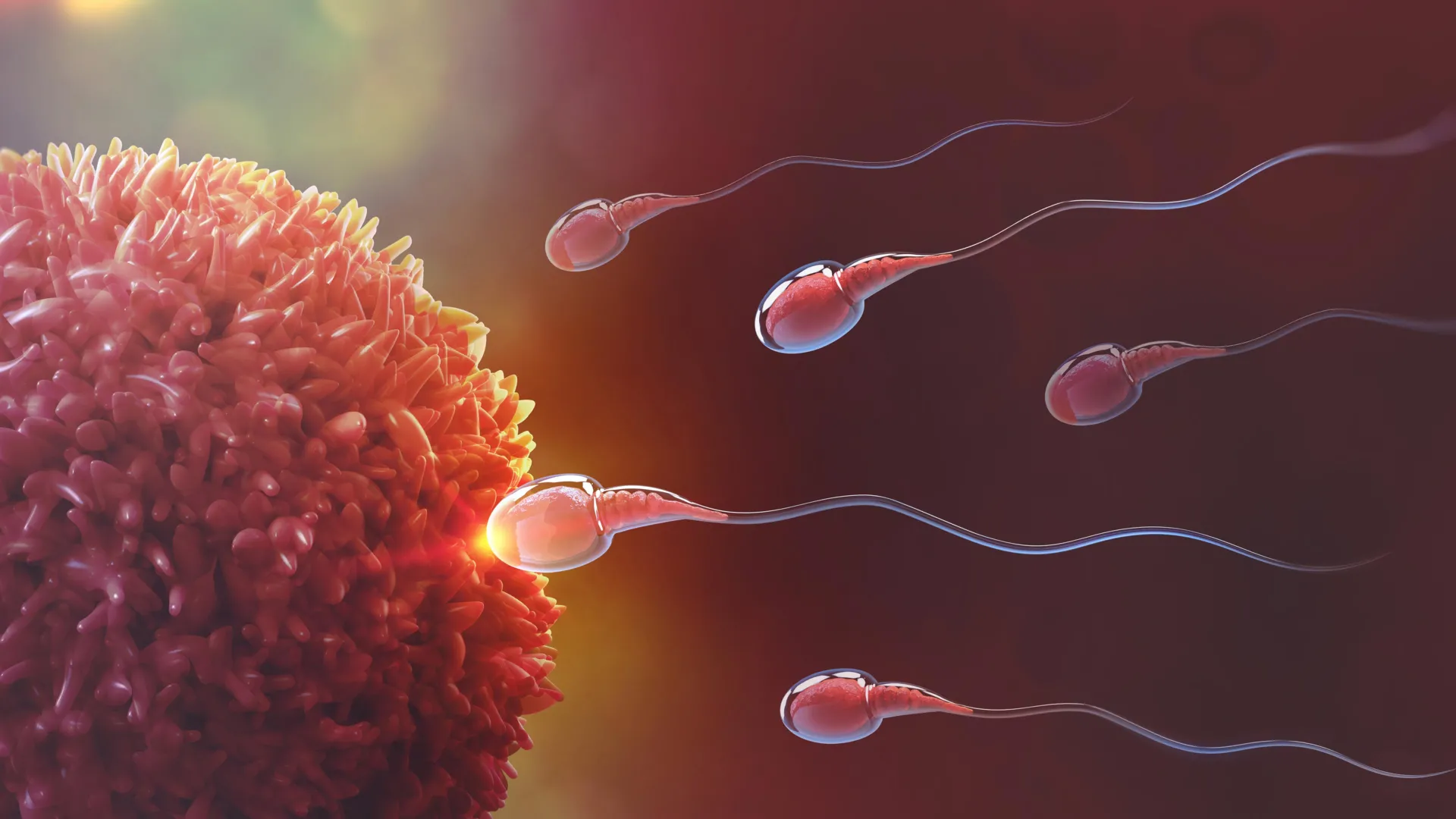
Researchers at Cornell University have announced a significant breakthrough in reproductive science, successfully demonstrating a method for nonhormonal male contraception that is safe, long-acting, and fully reversible. The study, which represents more than six years of intensive laboratory work, targets the fundamental process of sperm production at its cellular roots. By interrupting a specific stage of meiosis—the specialized cell division that produces sex cells—the team has managed to temporarily halt fertility in animal models without affecting long-term reproductive health or the health of future offspring. This discovery, published in the Proceedings of the National Academy of Sciences, is being hailed by the scientific community as a major step toward the "holy grail" of male birth control: a reliable, non-surgical, and non-hormonal option for men.
The research was led by Dr. Paula Cohen, a professor of genetics and the director of the Cornell Reproductive Sciences Center. For decades, the development of male contraceptives has been hindered by the biological complexity of sperm production and a historical focus on hormonal interventions, which often carry significant side effects. The Cornell team’s approach shifts the focus away from hormones like testosterone, instead utilizing a small molecule inhibitor to disrupt the internal machinery of the testes. This proof-of-principle study provides the first concrete evidence that targeting the meiotic phase of sperm development is both a feasible and safe strategy for human contraception.
The Biological Mechanism of Meiotic Interruption
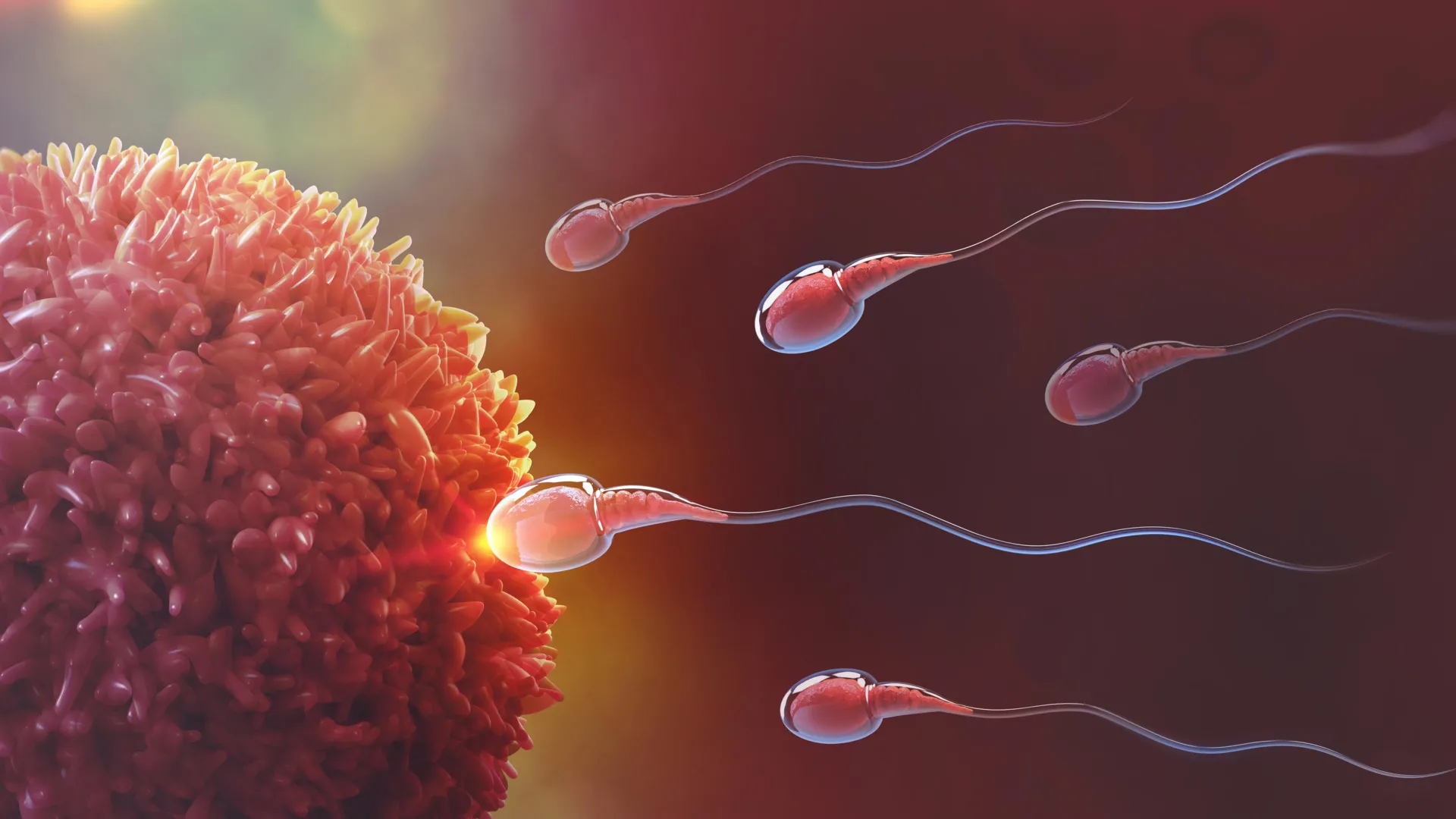
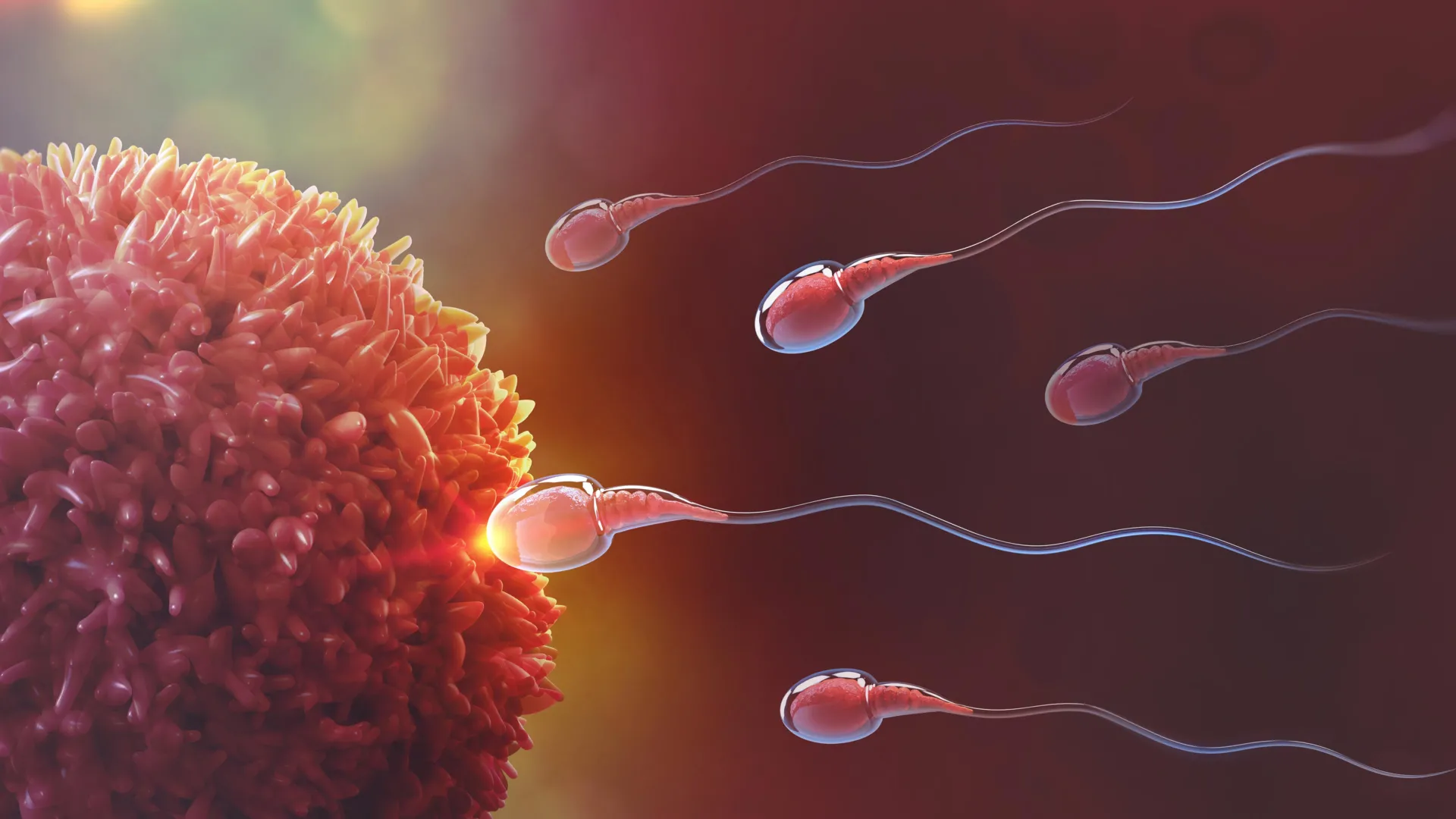
To understand the significance of the Cornell study, it is necessary to examine the biological process of spermatogenesis—the creation of sperm. Unlike female gamete production, which is cyclical, male sperm production is a continuous and prolific process. In a healthy adult male, millions of sperm are produced daily through a series of stages beginning with spermatogonial stem cells. These stem cells undergo mitosis to maintain their population and then enter meiosis to become haploid cells (cells with half the number of chromosomes).
Meiosis is divided into two main stages: Meiosis I and Meiosis II. The Cornell team focused specifically on Prophase 1 of Meiosis I. This is a critical window where homologous chromosomes pair up and exchange genetic material. If this stage is disrupted, the cell cannot progress further and is naturally cleared by the body. By targeting this specific moment, the researchers ensure that no viable sperm are produced, effectively closing the "production line" of the factory rather than trying to stop the "finished product" from leaving the facility.
The researchers utilized a small molecule known as JQ1 to achieve this disruption. JQ1 is a potent inhibitor originally developed to study cancer and inflammatory diseases by targeting bromodomain and extra-terminal (BET) proteins. In the context of the testes, JQ1 interferes with the way chromosomes behave during Prophase 1. While JQ1 itself is not intended for human contraceptive use due to its potential for neurological side effects and its lack of specificity, its use in this study served as a vital proof of concept. It demonstrated that a pharmacological agent could enter the blood-testis barrier, halt meiosis, and then be cleared from the system to allow for the resumption of normal fertility.
A Six-Year Chronology of Discovery
The path to this breakthrough was characterized by a meticulous, multi-phase research timeline spanning over half a decade. The Cornell team’s journey involved isolating the specific genetic triggers of meiosis and testing various inhibitors to find a candidate that could provide consistent results.
- Phase One: Target Identification (Years 1-2): The researchers began by mapping the proteins essential for chromosomal pairing during Prophase 1. They identified that interrupting the epigenetic "reading" of the genome was the most effective way to stall the process without killing the underlying stem cells.
- Phase Two: Molecule Testing (Years 3-4): The team tested various BET inhibitors in vitro to observe their impact on germ cell development. JQ1 emerged as the most reliable tool for the study because of its well-documented ability to cross cellular membranes and interact with the specific proteins involved in meiosis.
- Phase Three: In Vivo Mouse Trials (Year 5): The study moved to live animal models. Male mice were administered JQ1 for a period of three weeks. During this time, the researchers monitored sperm counts, testicular weight, and chromosomal integrity. Within the three-week window, sperm production dropped to zero.
- Phase Four: Recovery and Breeding (Year 6): Following the cessation of the JQ1 treatment, the mice were monitored for six weeks. This period allowed the researchers to observe the return of normal meiotic function. Once sperm counts returned to baseline levels, the mice were bred with healthy females to ensure the viability of the sperm and the health of the resulting pups.
The results were definitive: the mice regained full fertility, and the offspring produced post-treatment were physically and genetically indistinguishable from control groups. This timeline confirms that the contraceptive effect is not only potent but also entirely transient.
Supporting Data and Comparative Efficacy
The data derived from the Cornell study provides a compelling case for the efficacy of meiotic targeting. In the treated group, sperm production was inhibited by 100% after the initial induction period. This is a critical metric, as even a small "leakage" of viable sperm can lead to unintended pregnancy. By stopping the process at Prophase 1, the researchers eliminated the risk of sub-par or damaged sperm entering the epididymis.
In comparison to current male contraceptive options, the potential for a meiotic inhibitor is significant:
- Condoms: While effective for STI prevention, condoms have a "typical use" failure rate of approximately 13%.
- Vasectomy: This surgical procedure is nearly 100% effective but is considered permanent. While reversals exist, they are expensive, invasive, and not always successful in restoring fertility.
- Hormonal Options: Previous trials for male hormonal birth control (such as testosterone/progestogen injections) have faced hurdles due to side effects including mood swings, weight gain, and acne—side effects that led to the early termination of several high-profile clinical trials.
The Cornell study addresses these gaps by offering a non-permanent, non-surgical solution that does not interfere with the endocrine system. Because the treatment does not rely on altering hormone levels, it avoids the systemic metabolic and psychological side effects associated with hormonal pills or injections.
Safety and the Preservation of Fertility
A primary concern in the development of male contraceptives is the protection of the spermatogonial stem cell (SSC) pool. If a treatment were to damage or deplete these stem cells, the resulting infertility would be permanent. Dr. Paula Cohen emphasized that their research was specifically designed to avoid this outcome.
"We didn’t want to impact the spermatogonial stem cells, because if you kill those, a man will never become fertile again," Dr. Cohen stated. By targeting Prophase 1—a stage that occurs after the stem cells have already committed to becoming sperm—the treatment leaves the "reservoir" of future fertility untouched. When the inhibitor is removed, the stem cells continue their normal cycle, and the production of healthy sperm resumes within a matter of weeks.
Furthermore, the study confirmed that the chromosomal behavior during the recovery phase returned to its natural state. There were no observed increases in aneuploidy (abnormal chromosome numbers) or genetic mutations in the sperm produced after the treatment ended. This safety profile is essential for regulatory approval and public trust, as it ensures that the "pause" in fertility does not compromise the genetic health of future generations.
Institutional and Expert Reactions
The publication of the findings has sparked a wave of optimism among reproductive health experts. While the researchers caution that JQ1 is a tool and not the final product, the scientific community views this as a validation of the "testis-targeted" approach.
"For too long, the burden of contraception has fallen disproportionately on women," said an independent reproductive endocrinologist not involved in the study. "The Cornell team has provided a blueprint for a male option that is biologically sound and addresses the major safety concerns that have sidelined previous attempts."
Dr. Cohen and her colleagues are currently the primary group advocating for testis-specific targets as the most feasible path forward. Their work challenges the prevailing industry focus on motility inhibitors—drugs that stop sperm from swimming. While motility inhibitors are also being researched, targeting the production phase (meiosis) is considered a more "fail-safe" method, as it prevents the cells from ever reaching a state where they could potentially fertilize an egg.
Broader Implications and Future Delivery Methods
The implications of a successful human version of this contraceptive are profound. From a public health perspective, it would provide couples with more agency in family planning and reduce the reliance on female-led methods, which may be contraindicated for some women due to medical reasons.
Looking toward the future, Dr. Cohen suggests that a human version of this meiotic inhibitor would likely not be a daily pill. Given the timeline of sperm production (which takes about 74 days in humans), the drug could be administered as a long-acting injection given every three months. Alternatively, a transdermal patch could be used to maintain a steady concentration of the inhibitor in the bloodstream.
"If developed for human use, this type of male contraceptive could be delivered as an injection given every three months or possibly as a patch to maintain effectiveness," Cohen noted. Such a delivery system would improve compliance and ensure a steady contraceptive effect, mirroring the convenience of long-acting reversible contraceptives (LARCs) currently available to women, such as the hormonal shot or the IUD.
Next Steps: From Bench to Bedside
Despite the success of the mouse trials, the journey to a commercially available product remains long. The next phase of research involves identifying a molecule that acts like JQ1 but is more specific to the proteins found only in the testes. This would minimize the risk of off-target effects in other organs, such as the brain or the liver.
Once a candidate molecule is identified, it will undergo rigorous pharmacokinetic and toxicological testing in non-human primates before moving to human clinical trials. This process typically takes several years and requires significant investment from pharmaceutical companies or government grants. However, with the proof of concept now firmly established by the Cornell team, the pathway to a non-hormonal male contraceptive is clearer than it has ever been.
The study concludes that while the "holy grail" of male contraception has been elusive for over half a century, the focus on meiotic disruption provides a scientifically rigorous and ethically sound solution. By ensuring that the process is 100% effective, fully reversible, and safe for future offspring, the Cornell researchers have set a new standard for reproductive science, moving the world one step closer to a more equitable and effective era of family planning.













Leave a Reply