

The scientific understanding of creatine has undergone a significant transformation, moving from its traditional reputation as a niche bodybuilding aid to its current status as a sophisticated compound with broad implications for human health and clinical medicine. While long celebrated by athletes for its ability to enhance physical performance and muscle mass, recent research—highlighted by Dr. Mehdi Boroujerdi in the Handbook of Creatine and Creatinine In Vivo Kinetics—suggests that the benefits of this organic acid extend far beyond the gym. As a pharmaceutical researcher and former professor, Dr. Boroujerdi’s comprehensive review provides a rigorous framework for understanding how creatine functions at a cellular level and how it may eventually transition from a dietary supplement to a recognized over-the-counter therapeutic agent.
The Biochemistry of Cellular Energy: How Creatine Operates
At its core, creatine is a nitrogenous organic acid that occurs naturally in vertebrates. It is synthesized primarily in the liver, kidneys, and, to a lesser extent, the pancreas. The synthesis process involves three specific amino acids: glycine, arginine, and methionine. Once produced, creatine enters the bloodstream and is transported to tissues with high energy demands via a sodium-dependent transporter system. Approximately 95% of the body’s creatine is stored within skeletal muscle, with the remaining 5% distributed among the brain, heart, and testes.
The primary physiological role of creatine is to facilitate the recycling of adenosine triphosphate (ATP), the "energy currency" of the cell. During periods of high metabolic demand, such as sprinting or heavy lifting, the body consumes ATP rapidly, converting it into adenosine diphosphate (ADP). For the cell to continue functioning, ADP must be re-phosphorylated back into ATP. This is where creatine enters the equation. Inside the cell, creatine is converted into phosphocreatine (PCr) by the enzyme creatine kinase. Phosphocreatine serves as a reservoir of high-energy phosphate groups that can be immediately donated to ADP to regenerate ATP. This "phosphocreatine shuttle" is the fastest way the body can produce energy, making it indispensable for short-duration, high-intensity activities.
A Historical Perspective: The Evolution of Creatine Research
The history of creatine research dates back to 1832, when French chemist Michel Eugène Chevreul first identified the compound as a constituent of skeletal muscle. However, it was not until the early 20th century that scientists began to understand its role in muscle metabolism. The 1920s saw the discovery that stored creatine increases when large amounts are ingested, laying the groundwork for future supplementation strategies.
The compound gained global notoriety following the 1992 Barcelona Olympics, where several gold medalists reportedly used creatine to enhance their training. This sparked a surge in commercial interest and a subsequent explosion in clinical research. Over the last three decades, thousands of studies have been conducted, making creatine monohydrate one of the most thoroughly vetted supplements in history. Modern research has moved past simple performance metrics, focusing instead on "in vivo kinetics"—the study of how the compound moves through and is processed by the living body—as detailed in Dr. Boroujerdi’s recent work.
Supplementation Strategies: Loading, Maintenance, and Bioavailability
For those seeking to optimize their creatine levels, the scientific literature generally supports two primary protocols. The most common is the "loading phase," which involves consuming approximately 20 grams of creatine per day—divided into four 5-gram doses—for five to seven days. This method is designed to rapidly saturate the muscle stores. Following this period, a "maintenance dose" of 3 to 5 grams per day is used to keep stores at their peak.
Alternatively, individuals can opt for a "steady-state" approach, taking 3 to 5 grams daily from the start. While this method takes longer to reach full saturation—typically around 28 days—it eventually yields the same results as the loading phase and may be easier on the digestive system for some users. Dr. Boroujerdi emphasizes that the body has a "saturation limit," meaning that once the muscles are full, any excess creatine is converted into creatinine and excreted by the kidneys. "The belief that larger doses yield greater benefits is unfounded," he notes, warning against the "more is better" fallacy often found in fitness forums.
Bioavailability is another critical factor. While creatine monohydrate is highly efficient, its absorption can be further enhanced when consumed with carbohydrates or a combination of carbohydrates and protein. This is due to the insulin-mediated stimulation of the creatine transporter, which helps usher the compound into the muscle cells more effectively.
Beyond the Muscle: Cognitive and Neurological Implications
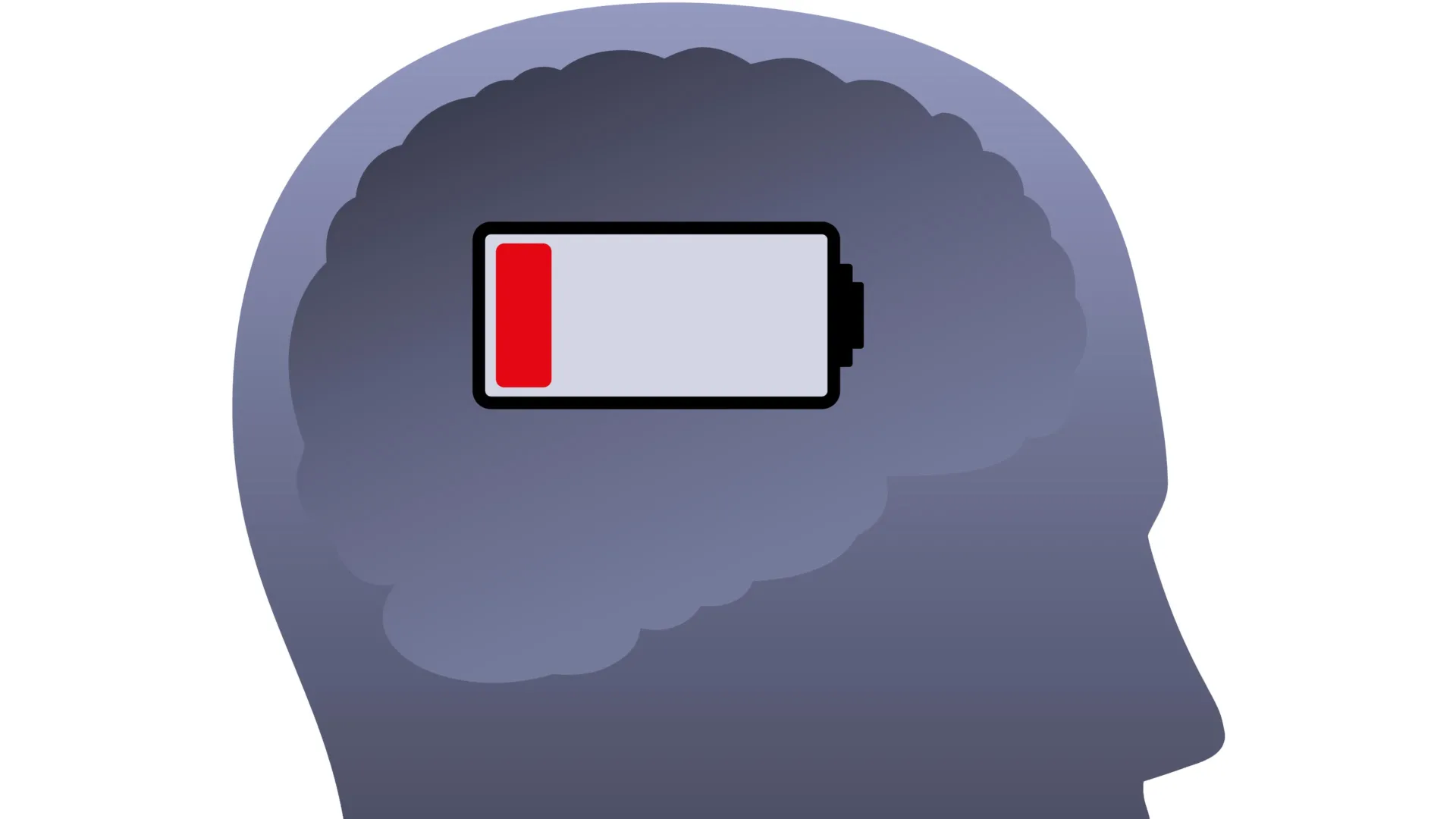
One of the most exciting frontiers in creatine research is its impact on the central nervous system. The brain is one of the most metabolically active organs in the body, accounting for roughly 20% of total energy consumption despite making up only 2% of body weight. Because the brain relies heavily on ATP for maintaining ion gradients and neurotransmitter signaling, the phosphocreatine system is vital for cognitive function.
Studies have indicated that creatine supplementation can improve short-term memory and reasoning skills, particularly in individuals under stress or experiencing sleep deprivation. Furthermore, there is growing interest in its potential neuroprotective properties. Research is currently investigating whether creatine can slow the progression of neurodegenerative diseases such as Parkinson’s, Huntington’s, and Amyotrophic Lateral Sclerosis (ALS). While human trials have shown mixed results thus far, the underlying mechanism—reducing oxidative stress and maintaining mitochondrial function—remains a significant area of clinical interest.
Dr. Boroujerdi also highlights the potential for creatine to act as an adjunctive treatment for depression. Some evidence suggests that creatine may enhance the efficacy of selective serotonin reuptake inhibitors (SSRIs) by improving brain energy metabolism, which is often compromised in patients with major depressive disorder.
Demographic Variations: Age, Gender, and Diet
The response to creatine supplementation is not uniform across the population; it is influenced by several biological and lifestyle factors.
- Vegetarians and Vegans: Because creatine is primarily found in red meat and fish, individuals following plant-based diets typically have lower baseline stores. Consequently, vegetarians and vegans often experience the most dramatic improvements in both physical performance and cognitive function when they begin supplementation.
- Older Adults: Sarcopenia, the age-related loss of muscle mass and strength, is a major health concern for the elderly. Research suggests that when combined with resistance training, creatine can help seniors maintain muscle mass and bone density, thereby reducing the risk of falls and fractures. There is also evidence that it may support cognitive health in aging populations.
- Women’s Health: Women may benefit from creatine in unique ways. Fluctuations in hormones during the menstrual cycle, pregnancy, and menopause can affect creatine kinase levels and energy availability. Some studies suggest that creatine can help mitigate the muscle and bone loss associated with menopause and may provide a mood-stabilizing effect during hormonal shifts.
Addressing Safety and Common Misconceptions
Despite its extensive track record, creatine is often surrounded by misinformation. The most persistent myth is that creatine is a steroid. Dr. Boroujerdi is firm in his correction: "Creatine’s role in muscle development is solely to provide energy for contraction and respiration; it is certainly not a substitute for steroids." Unlike anabolic steroids, which are synthetic derivatives of testosterone that alter hormonal profiles, creatine is a naturally occurring compound that facilitates energy production.
Another frequent concern involves kidney health. While it is true that creatine supplementation increases blood creatinine levels—a marker often used to measure kidney function—this increase is typically a benign byproduct of the supplement itself rather than a sign of renal damage. In healthy individuals, long-term studies have found no evidence of adverse effects on kidney or liver function. However, medical professionals advise that individuals with pre-existing renal disease should consult a physician before use, as their kidneys may already be struggling to filter metabolic waste.
Clinical Analysis and Future Outlook
The transition of creatine from a "gym supplement" to a "therapeutic agent" represents a significant shift in the medical community’s perspective. Dr. Boroujerdi’s review underscores the compound’s anti-inflammatory and antioxidant properties, which could have implications for recovery from surgery, traumatic brain injury, and chronic inflammatory conditions.
However, the path to clinical recognition requires more "labeled creatine" studies—using isotopic tracers to track the compound’s exact path through the human body in real-time. This level of precision is necessary to establish standardized dosing regimens for specific medical conditions.
As the global population ages and the prevalence of metabolic and neurological disorders increases, the demand for safe, cost-effective interventions is at an all-time high. Creatine fits this profile perfectly. It is inexpensive, has a high safety profile, and targets the fundamental energy systems of the body. While it is not a "panacea," its ability to support the body’s most energy-demanding tissues makes it a cornerstone of modern nutritional science.
In conclusion, the work of researchers like Dr. Boroujerdi is essential for bridging the gap between anecdotal athletic use and evidence-based clinical application. As the data continues to accumulate, it is likely that creatine will find a permanent home not just in the gym bag, but in the medicine cabinet and the clinical toolkit, serving as a vital support for both the body and the mind. Understanding the nuances of its kinetics and biological impact is the first step toward unlocking its full potential for public health.











Leave a Reply