

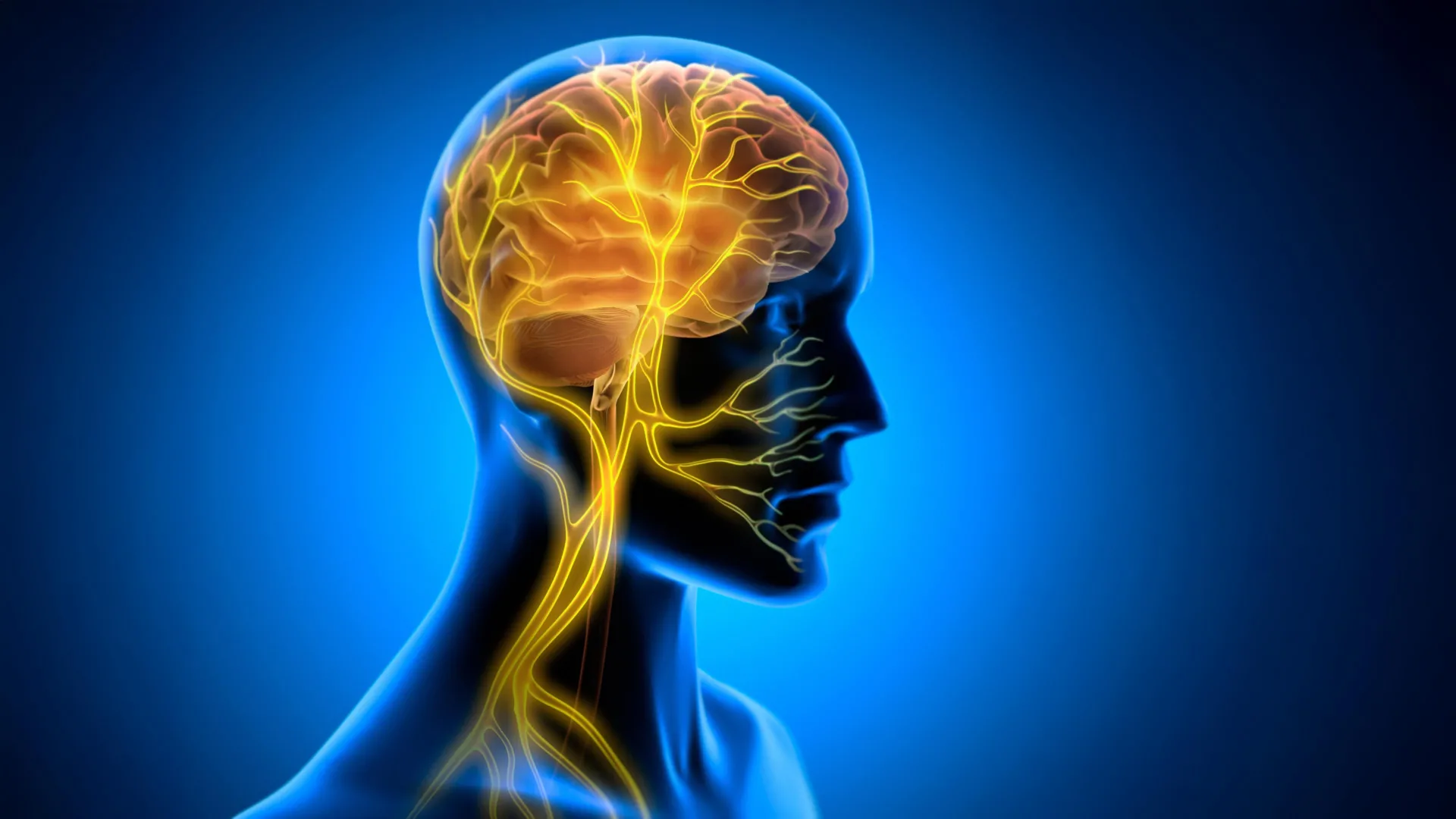
A groundbreaking study led by researchers at the University of California San Diego (UCSD) has provided new, empirical evidence that intensive meditation and mind-body practices can fundamentally alter human biology in as little as seven days. Published in the journal Communications Biology, the research demonstrates that a weeklong immersive program can trigger significant shifts in brain activity, immune system response, and metabolic function. By utilizing advanced neuroimaging and blood-based molecular profiling, the team successfully quantified how mental focus and intentionality translate into physical health markers, suggesting that the human body possesses a profound capacity for rapid self-regulation and biological renewal.
The study represents a significant step forward in the field of integrative medicine, which has long sought to bridge the gap between ancient contemplative traditions and modern molecular biology. While the benefits of meditation have been documented for decades, this specific research is unique in its "whole-body" approach, measuring simultaneous changes across the central nervous system and the systemic circulatory system. The findings indicate that the practices do not merely induce a state of temporary relaxation but instead activate specific pathways involved in neuroplasticity, inflammation reduction, and natural pain management.
A New Era of Quantifiable Mind-Body Research
For centuries, meditation was viewed primarily through a spiritual or psychological lens. However, as the global burden of stress-related illnesses—such as chronic pain, anxiety, and autoimmune disorders—continues to rise, the scientific community has turned its attention to non-pharmacological interventions. The UCSD study was conducted under the auspices of a large-scale initiative funded by the InnerScience Research Fund, an organization dedicated to investigating the biological effects of meditative practices.
Dr. Hemal H. Patel, the senior author of the study and a professor of anesthesiology at the UC San Diego School of Medicine, emphasized that the research moves beyond the subjective "feeling" of well-being. According to Dr. Patel, the study demonstrates that combining multiple mind-body techniques into a concentrated period can produce systemic changes that are observable at a molecular level. The research team sought to move past the "black box" of meditation to see exactly how the brain engages with reality and how that engagement ripples through the blood and organs.
Methodology and the Seven-Day Chronology
The research focused on a cohort of 20 healthy adult participants who enrolled in a residential retreat led by Dr. Joe Dispenza, a well-known neuroscience educator and author. The retreat was designed to be an intensive immersion, providing a high "dosage" of mind-body intervention over a short duration.
The chronology of the study was structured to capture a comprehensive "before and after" snapshot:
- Baseline Assessment (Pre-Retreat): Before the program began, participants underwent extensive testing. This included functional magnetic resonance imaging (fMRI) to map resting-state brain connectivity and the collection of blood samples to establish baseline levels of metabolic and immune markers.
- The Intervention (Days 1–7): Over the course of the week, participants engaged in approximately 33 hours of guided meditation. The curriculum was multifaceted, including lectures on the relationship between the mind and the body, group-based healing activities, and various forms of meditation ranging from focused attention to "open monitoring" techniques.
- The Open-Label Placebo Component: A unique aspect of the study was the use of an "open-label placebo" approach. Participants were informed that certain elements of the program were designed to harness the placebo effect—the body’s natural ability to heal based on expectation and belief. This allowed researchers to study how conscious awareness of the healing process might actually enhance biological outcomes.
- Final Assessment (Post-Retreat): At the conclusion of the seven days, the initial tests were repeated. Researchers looked for changes in neural synchrony, metabolic pathways, and the presence of specific proteins and chemicals in the blood associated with health and recovery.
Significant Findings in Brain Activity and Neuroplasticity
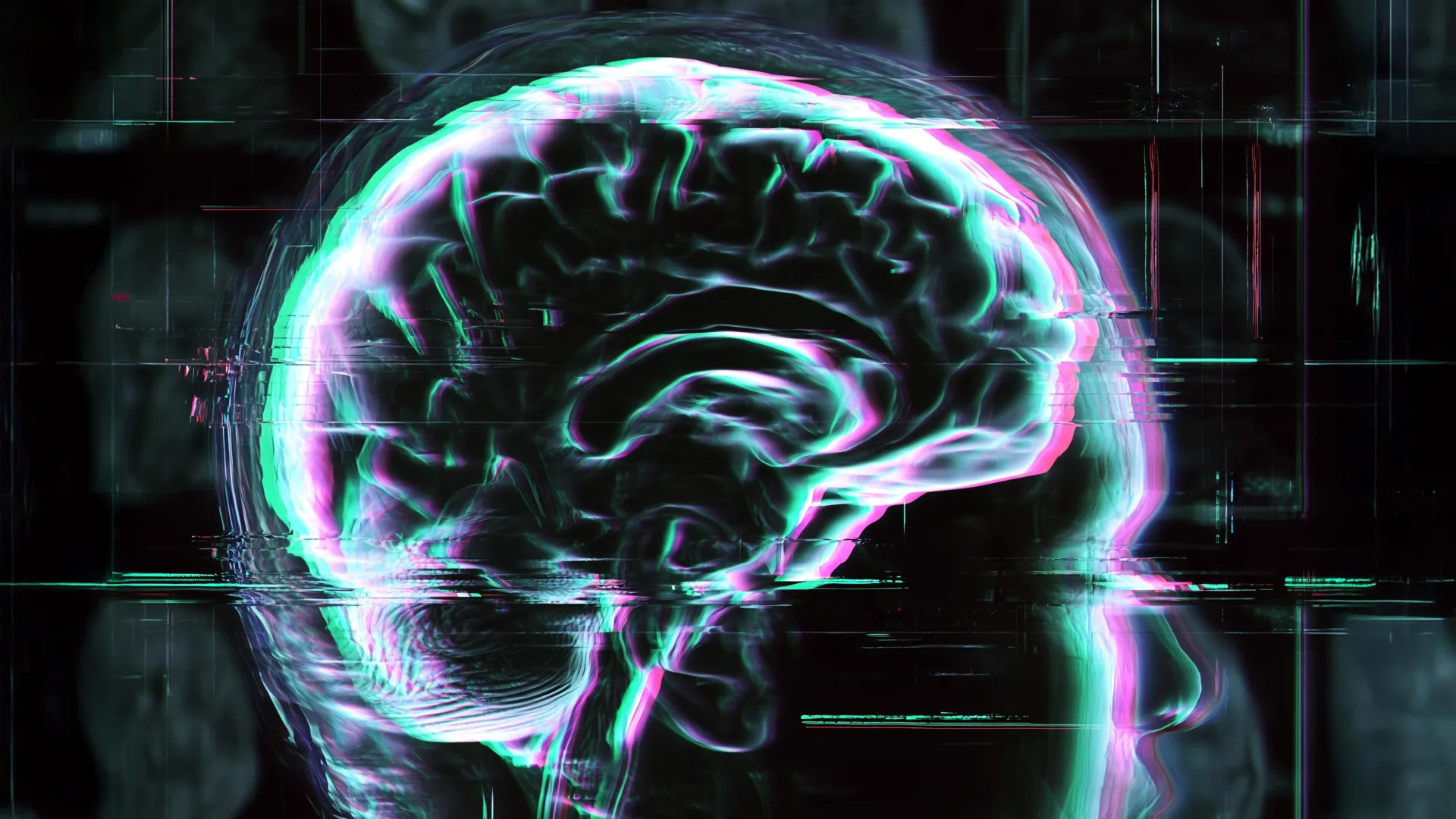
The fMRI data revealed a striking shift in how different regions of the brain communicate with one another. After the retreat, participants showed increased coordination between the "default mode network" (associated with self-reflection and internal thought) and other regulatory networks. This increased connectivity is often a hallmark of neuroplasticity—the brain’s ability to reorganize itself by forming new neural connections.
One of the most compelling aspects of the brain data was its similarity to states induced by psychedelic substances. Researchers noted that the neural connectivity patterns observed after a week of meditation closely mirrored those seen in clinical trials involving psilocybin. This suggests that intensive meditation can allow individuals to access "mystical" or altered states of consciousness endogenously, without the need for external chemical catalysts.
To measure these subjective experiences, participants completed the Mystical Experience Questionnaire (MEQ-30). This validated tool assesses dimensions such as a sense of unity, the transcendence of time and space, and a deeply felt positive mood. The average scores rose significantly from 2.37 at the start of the week to 3.02 by the end. Crucially, those who reported the most intense mystical experiences also showed the most significant changes in their brain scans, suggesting a direct link between subjective mental states and objective neural function.
Molecular Shifts in Blood Biology and Immune Function
The systemic impact of the retreat was perhaps most evident in the blood analysis. The researchers observed measurable changes in markers related to metabolism and immune response. While the specific data points are complex, the general trend indicated a shift toward a "pro-resilience" biological profile.
Key biological observations included:
- Immune Regulation: Changes in the signaling molecules that govern the immune system suggested a reduction in chronic inflammatory markers and an enhancement of the body’s natural defense mechanisms.
- Metabolic Flexibility: The data indicated that the participants’ bodies became more efficient at processing energy, which is often linked to reduced oxidative stress and improved cellular health.
- Endogenous Pain Relief: The study detected an increase in natural chemicals associated with pain suppression. This finding is particularly relevant for the future of chronic pain management, as it suggests that mental training can stimulate the body’s internal "pharmacy" to produce analgesic effects.
Analysis of Implications: From Wellness to Clinical Application
The implications of this research extend far beyond the "wellness retreat" industry. By proving that biological fingerprints can be altered in seven days, the study challenges the notion that chronic health conditions require months or years of intervention to see a shift in underlying markers.
1. A Non-Pharmacological Tool for Chronic Conditions
If seven days of meditation can produce psychedelic-like brain states and immune-boosting blood chemistry, this approach could become a vital adjunct to traditional medicine. For patients suffering from conditions exacerbated by stress—such as fibromyalgia, irritable bowel syndrome, or certain autoimmune disorders—intensive mind-body programs could offer a way to "reset" the system.
2. The Power of Collective Experience
The study also highlights the importance of the social and environmental context. The retreat was a group experience, and the researchers believe that the shared sense of purpose and social connection played a role in the biological outcomes. This suggests that "social prescribing"—where doctors prescribe group activities or community-based interventions—may have a solid biological basis.
3. Understanding the Placebo Effect
By using an open-label placebo approach, the UCSD team has added to the growing body of evidence that the "placebo effect" is not an absence of an effect, but rather a complex biological response to expectation and environment. Harnessing this effect intentionally could revolutionize how clinicians talk to patients about their treatments.
Perspectives from the Research Team
First author Alex Jinich-Diamant, a doctoral student at UC San Diego, noted that the study illustrates the deep interconnection between the mind and the body. "What we believe, how we focus our attention, and the practices we participate in can leave measurable fingerprints on our biology," Jinich-Diamant stated. He characterized the study as an exciting step toward understanding how conscious experience and physical health are intertwined.
The researchers were careful to note that while the results are promising, the study focused on a relatively small group of healthy individuals. The next phase of research will involve clinical populations to see if these same biological shifts occur in people with pre-existing illnesses. Furthermore, the team plans to conduct longitudinal studies to determine how long these changes last after the participants return to their daily lives and whether a "maintenance" practice is required to sustain the benefits.
Conclusion and Future Directions
The study published in Communications Biology provides a rigorous scientific framework for what many practitioners of meditation have claimed for millennia: that the mind has the power to heal the body. By quantifying these changes through the dual lenses of neuroscience and blood chemistry, the UC San Diego team has provided a roadmap for future investigations into human potential.
As the scientific community continues to explore the "bio-hacking" potential of meditation, this research serves as a cornerstone for a more integrated approach to health. It suggests that the boundary between the "mental" and the "physical" is far more porous than previously believed, and that a week of focused intention may be enough to rewrite one’s biological narrative. The findings open the door to new, low-cost, and highly accessible ways to promote public health, emphasizing that the tools for significant biological transformation may already reside within the human consciousness.










Leave a Reply