

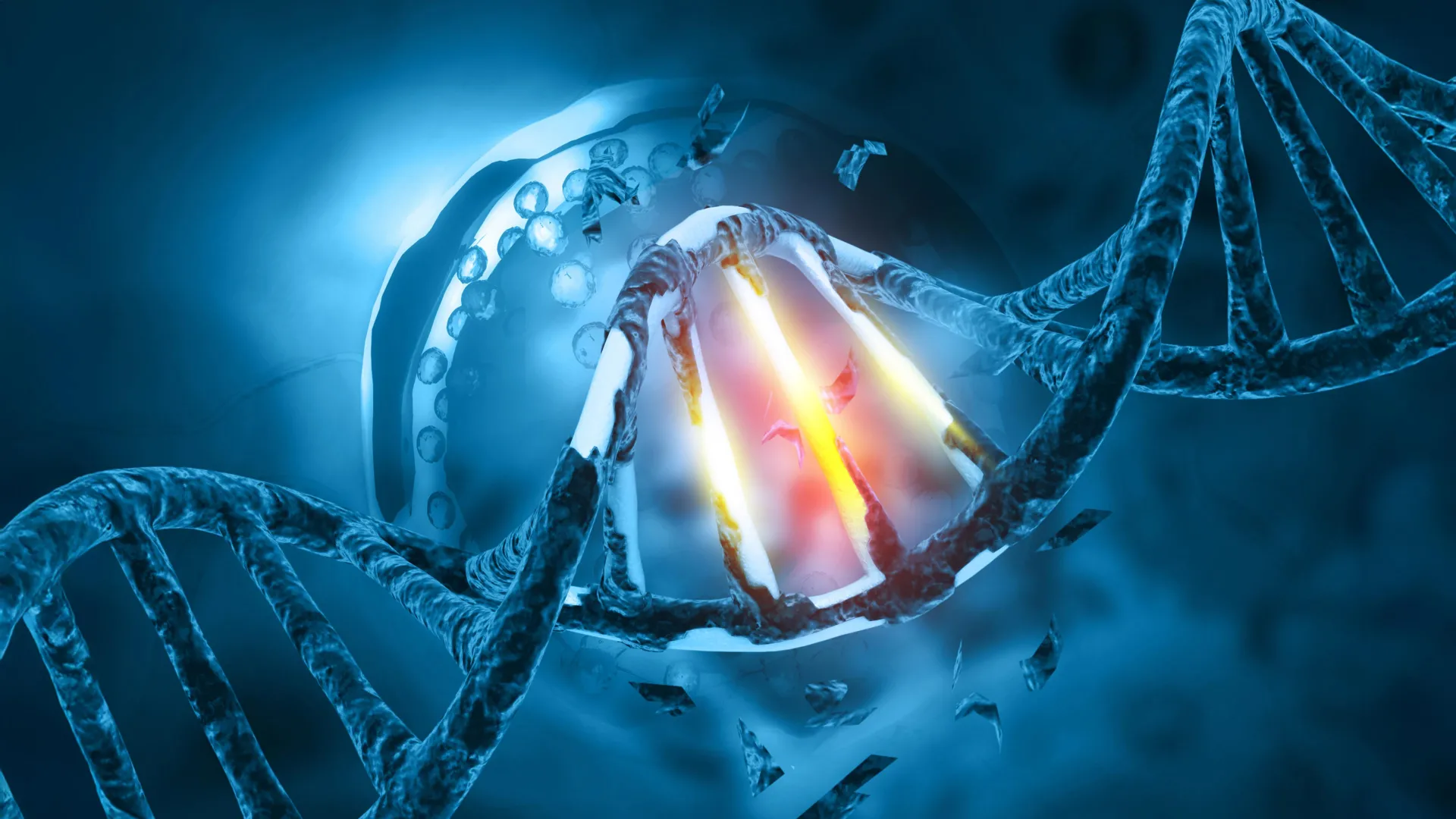
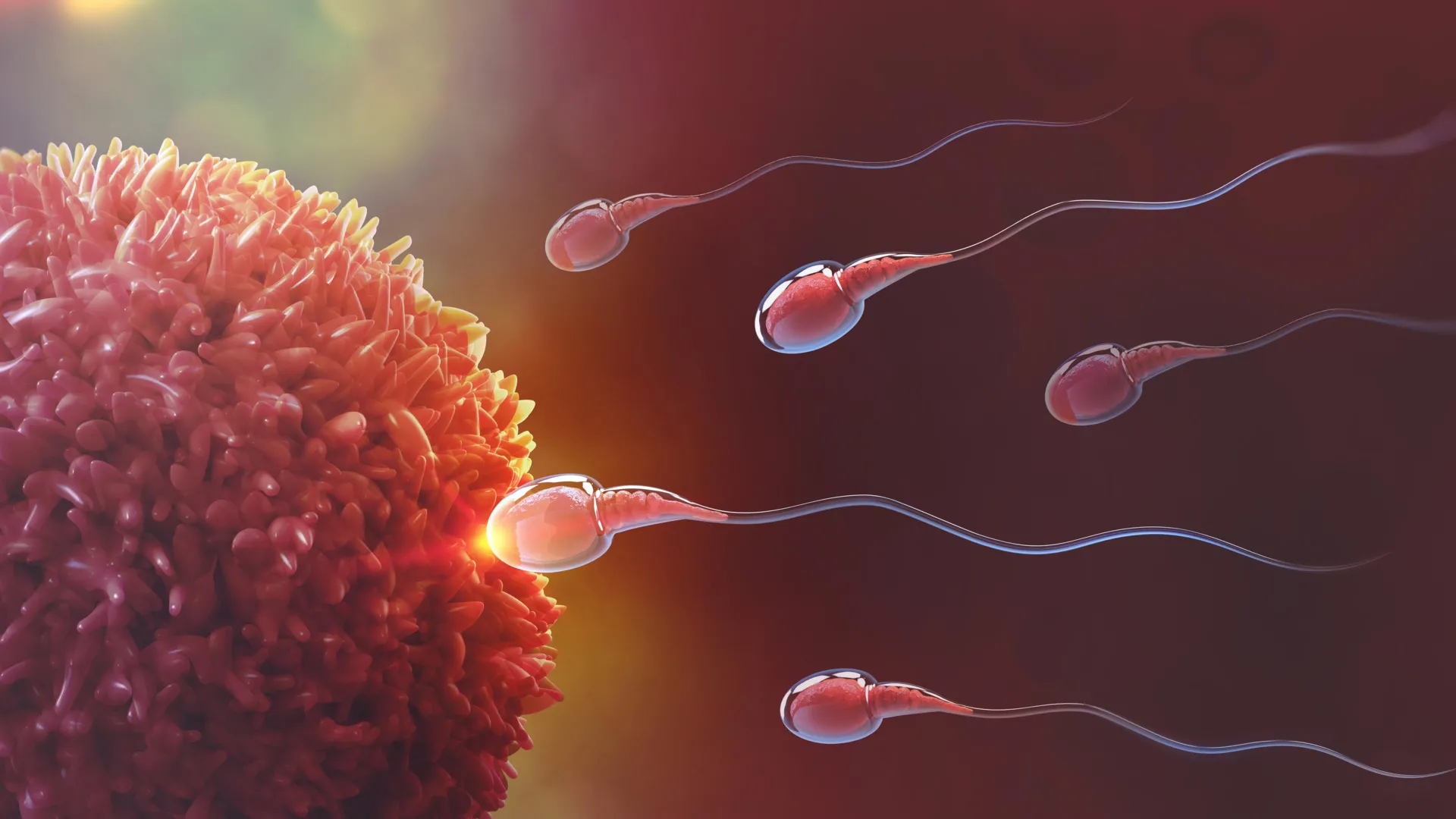
In a series of landmark studies published on October 8 in the journal Nature, researchers from the Wellcome Sanger Institute, King’s College London, and Harvard Medical School have unveiled a complex biological mechanism that explains why certain genetic disorders become more common as fathers age. The research demonstrates that the increase in harmful mutations within sperm is not merely a byproduct of random cellular errors over time, but is instead driven by a process of natural selection within the testes. This internal selection favors specific DNA changes that allow mutated cells to multiply faster than their healthy counterparts, effectively "taking over" portions of the sperm-producing tissue. These findings provide a transformative look at the genetic health of future generations and challenge long-held assumptions about the stability of the male germline.
The Mechanism of Internal Selection: Why Harmful Mutations Thrive
For decades, the scientific community has recognized the "paternal age effect," a phenomenon where the risk of certain rare genetic conditions in offspring—such as achondroplasia or Apert syndrome—increases significantly with the father’s age. Traditionally, this was attributed to the sheer number of times sperm-producing cells divide over a man’s lifetime; each division carries a small risk of a random copying error. However, the new data suggests a far more active and insidious process.
In the human body, tissues that undergo constant renewal, such as the skin, blood, and the lining of the gut, frequently develop "clonal" patches. These are groups of cells descended from a single ancestor that acquired a mutation giving it a competitive advantage in growth or survival. While this process is well-documented in somatic (body) cells—where it often leads to cancer—it was less understood in the germline (the cells that produce sperm and eggs).
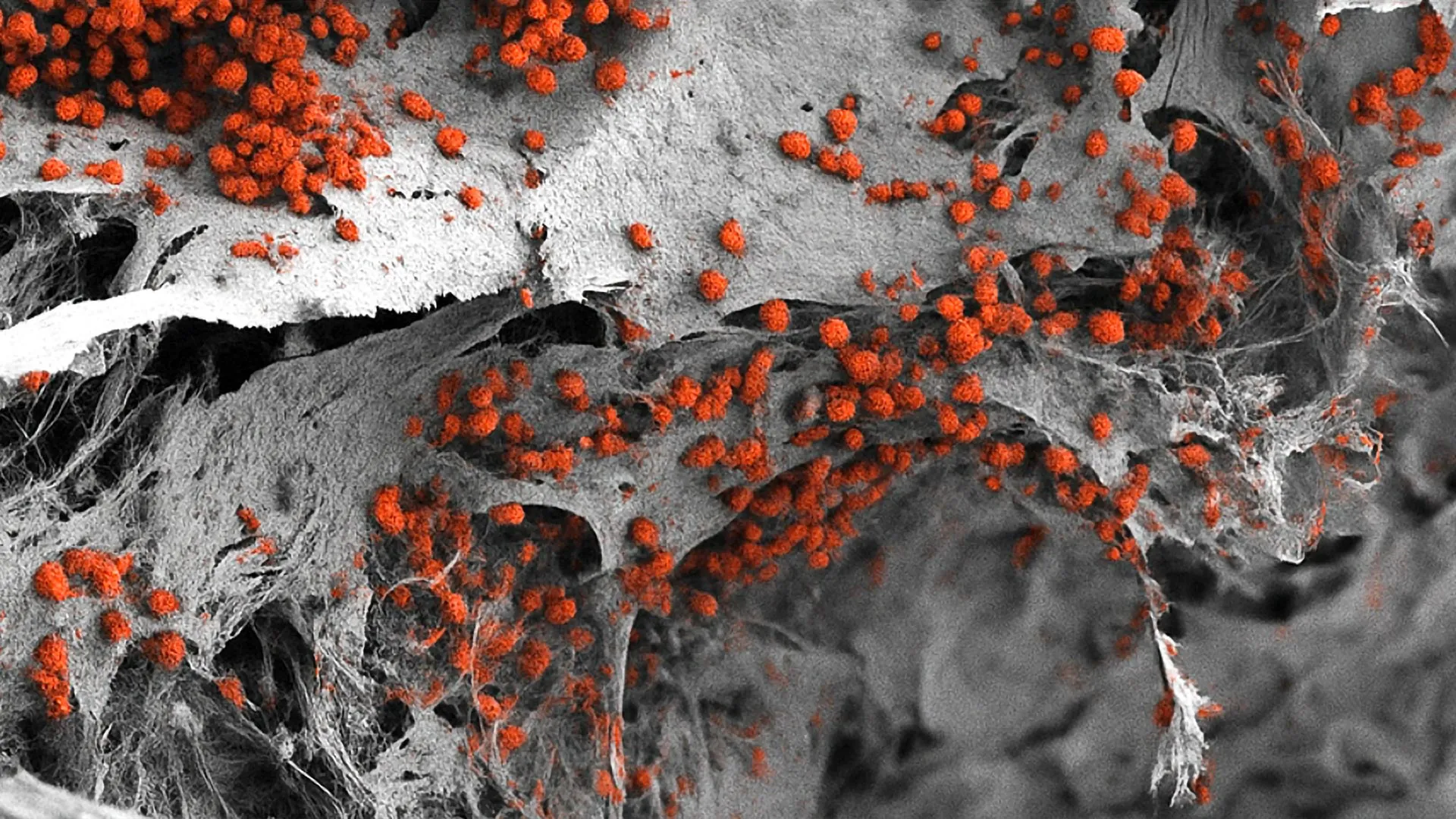
The research led by the Wellcome Sanger Institute reveals that the testes are also subject to this clonal expansion. Certain mutations in genes responsible for cell signaling and growth act like a "gas pedal," allowing the mutated sperm precursor cells to divide more rapidly or survive longer than healthy cells. Over years and decades, these mutated clones expand, leading to an ever-increasing proportion of sperm that carry the mutation. Because these mutations are in the germline, they are not just confined to the father’s body; they are passed directly to his children.
Methodology: NanoSeq and the TwinsUK Cohort
To reach these conclusions, scientists required a level of genetic resolution that was previously unattainable. Traditional DNA sequencing often struggles to distinguish between true rare mutations and technical errors introduced during the sequencing process. To overcome this hurdle, the team utilized NanoSeq, a cutting-edge, high-accuracy sequencing technology capable of detecting single-letter changes in the DNA code with unprecedented precision.
The study analyzed sperm samples from 81 healthy men, ranging in age from 24 to 75 years. These participants were drawn from the TwinsUK cohort, the United Kingdom’s largest adult twin registry based at King’s College London. The use of this specific cohort was vital, as it provided a wealth of longitudinal health data and genetic background, allowing researchers to control for various environmental and lifestyle factors. By comparing the sperm genomes across this wide age range, the team could map the exact trajectory of mutation accumulation.
Quantifying the Risk: A Clear Correlation with Age
The data produced by the study offers a stark look at the progression of genetic risk. The researchers found that in men in their early 30s, approximately 2 percent of sperm carried mutations that could potentially cause disease in offspring. As the participants aged, this figure rose steadily. In the age group of 43 to 74, the proportion of mutated sperm increased to between 3 and 5 percent. Among the oldest participants, specifically those around 70 years of age, 4.5 percent of sperm contained harmful mutations.
Crucially, the study identified 40 specific genes that appear to be the primary beneficiaries of this internal selection process. Many of these genes are well-known to clinical geneticists as they are associated with serious neurodevelopmental disorders, including autism and intellectual disabilities, as well as inherited cancer syndromes. While 13 of these genes had been previously linked to the paternal age effect, the study identified 27 additional genes that were not previously known to be favored in the testes. This suggests that the scope of the genetic risk associated with paternal age is much broader than previously estimated.
Complementary Insights: The Harvard Medical School Study
The findings of the Sanger Institute were bolstered by a second, complementary study published simultaneously in Nature by researchers at Harvard Medical School. While the Sanger study looked directly at sperm samples, the Harvard team took a "top-down" approach, analyzing the DNA of over 54,000 parent-child trios and a massive dataset of 800,000 healthy individuals.
By examining mutations that had already been passed on to children, the Harvard researchers identified more than 30 genes where mutations provided sperm cells with a competitive edge. The overlap between the two studies was significant, providing robust validation of the results. The Harvard study found that these "selfish" mutations could increase the mutation rate in specific genes by as much as 500-fold.
This dramatic increase explains a long-standing mystery in medical genetics: why certain rare disorders appear "de novo" (for the first time) in children whose parents have no history of the condition. It also raised a cautionary note for genetic diagnostics. The study pointed out that because these mutations are so common in the sperm of older men, they can sometimes lead to "false-positive" associations in genetic studies, where a gene appears to be linked to a disease simply because it is mutated so frequently due to selection, rather than because it is the primary driver of the pathology.
Perspectives from the Research Leaders
The implications of the research have prompted significant discussion among the authors. Dr. Matthew Neville, the first author from the Wellcome Sanger Institute, expressed surprise at the magnitude of the findings. "We expected to find some evidence of selection shaping mutations in sperm," Neville stated. "What surprised us was just how much it drives up the number of sperm carrying mutations linked to serious diseases."
Professor Matt Hurles, Director of the Wellcome Sanger Institute and co-author of the study, emphasized the hidden nature of this risk. "Our findings reveal a hidden genetic risk that increases with paternal age. Some changes in DNA not only survive but thrive within the testes, meaning that fathers who conceive later in life may unknowingly have a higher risk of passing on a harmful mutation to their children," Hurles explained.
The collaborative nature of the research was highlighted by Professor Kerrin Small, Scientific Director of the TwinsUK study. She noted that the participation of twins was instrumental in providing the "rich health and genetic information" necessary to see how these mutations evolve in healthy individuals over time.
Dr. Raheleh Rahbari, the senior author and Group Leader at the Wellcome Sanger Institute, challenged the conventional wisdom regarding the "protected" status of the germline. "There’s a common assumption that because the germline has a low mutation rate, it is well protected. But in reality, the male germline is a dynamic environment where natural selection can favor harmful mutations, sometimes with consequences for the next generation," Rahbari said.
Broader Implications and Future Directions
The discovery that the testes act as a filter—or more accurately, a magnifier—for certain genetic mutations has profound implications for reproductive medicine and public health. As the average age of fatherhood continues to rise in many developed nations, understanding these risks becomes a priority for clinical counseling and prenatal screening.
One of the most immediate impacts may be on the field of Assisted Reproductive Technology (ART). Currently, many screening processes focus on chromosomal abnormalities (like Down syndrome) which are more commonly associated with maternal age. These new studies suggest that a more nuanced approach to screening for single-gene mutations in sperm may be necessary for older fathers.
Furthermore, the research opens a new window into how environmental and lifestyle factors might interact with this selection process. If certain chemicals, diets, or lifestyle habits (such as smoking or heat exposure) influence the speed at which these "selfish" clones expand in the testes, it could mean that the genetic risk is not just a function of age, but of cumulative life exposures.
However, the researchers are careful to note that a mutation in sperm does not automatically result in a child with a genetic disorder. Many of these mutations may impair the sperm’s ability to swim, fertilize an egg, or support the early stages of embryonic development, leading to natural "filtering" through infertility or early pregnancy loss. Future research will need to focus on the "transmission rate"—exactly how many of these favored mutations successfully make the journey from the testes to a live birth.
By providing a high-resolution map of how the male genome changes over a lifetime, this research marks the beginning of a new era in understanding human inheritance. It shifts the focus from a passive model of genetic decay to an active, competitive model of cellular evolution, where the very mechanisms that allow our bodies to renew themselves also create the pathways for rare genetic diseases to persist across generations.













Leave a Reply